The Essence: Rug Knots


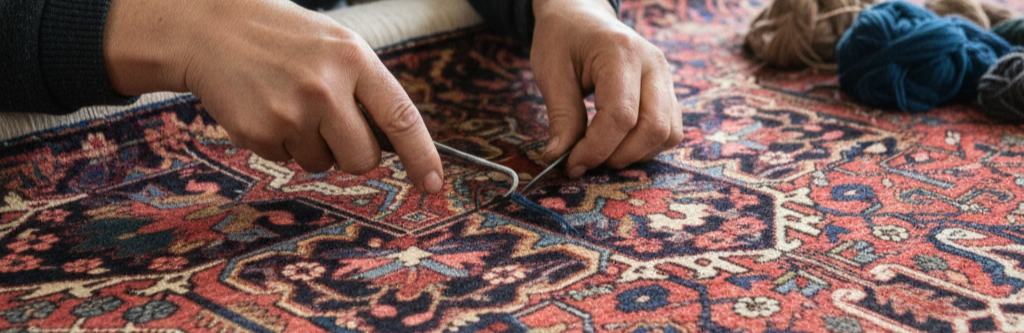
Before we think about technology and machinery, coloring and design, hand skill and passed-on knowledge, there is one single, elemental component to rug weaving: the knot. Rug knot is such a simple concept that one might overlook its central position in rug structure, look and durability.
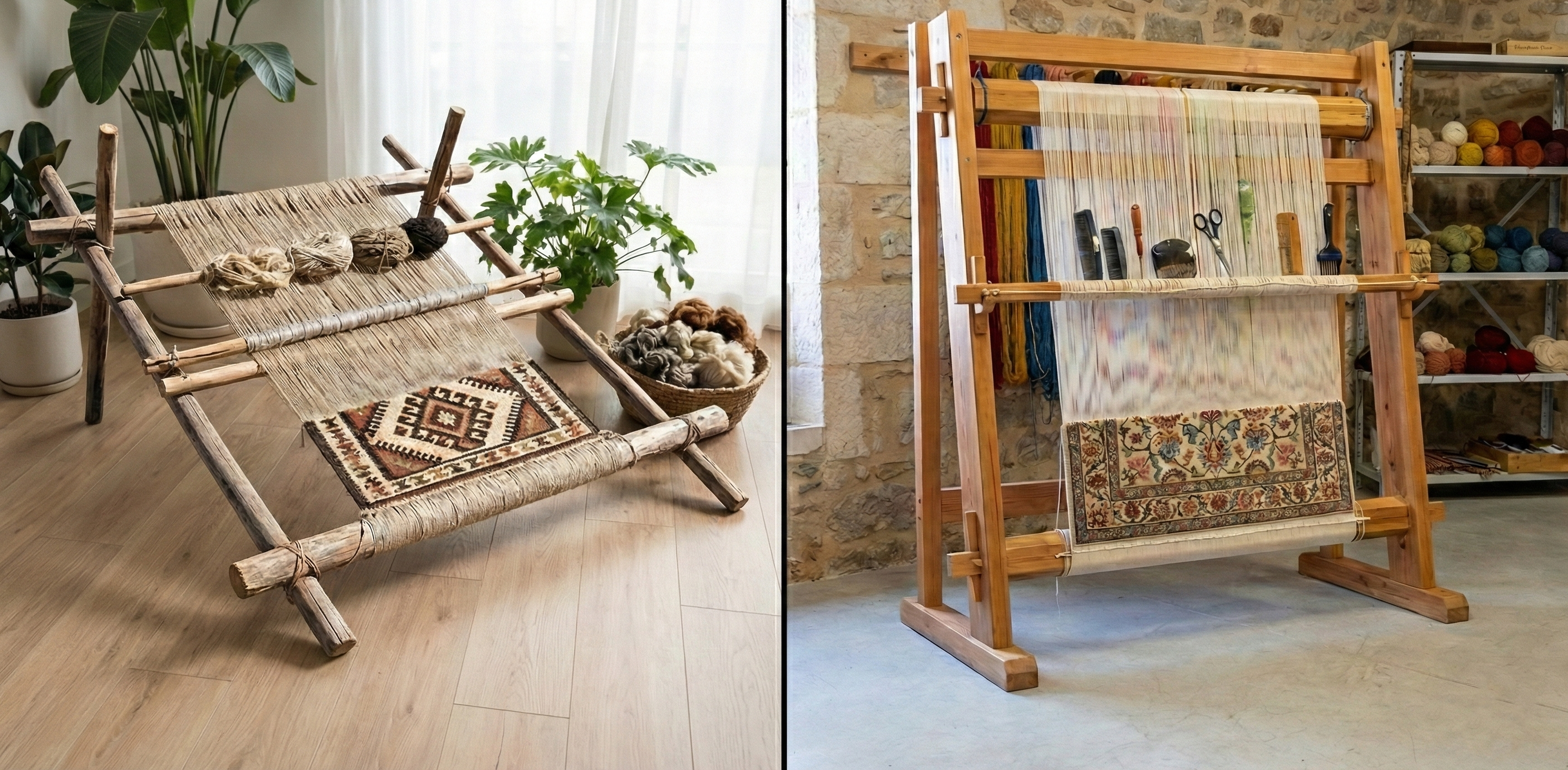
nomad or a village hand-woven rug
Nomadic Loom.  –  Village / workshop Loom.  ©1800getarug.com


There are two ways a rug knot is defined: density and type. When choosing a nomad or a village hand-woven rug, one might not consider the density of the knot a major factor. These traditional articles are made either within a season – and therefore fast – or with simple looms, and usually contain about 25-100 knots per square inch. Other factors are at play here: originality of the individual artist’s design (from memory), natural local dyes, manual labor, and plenty of love.
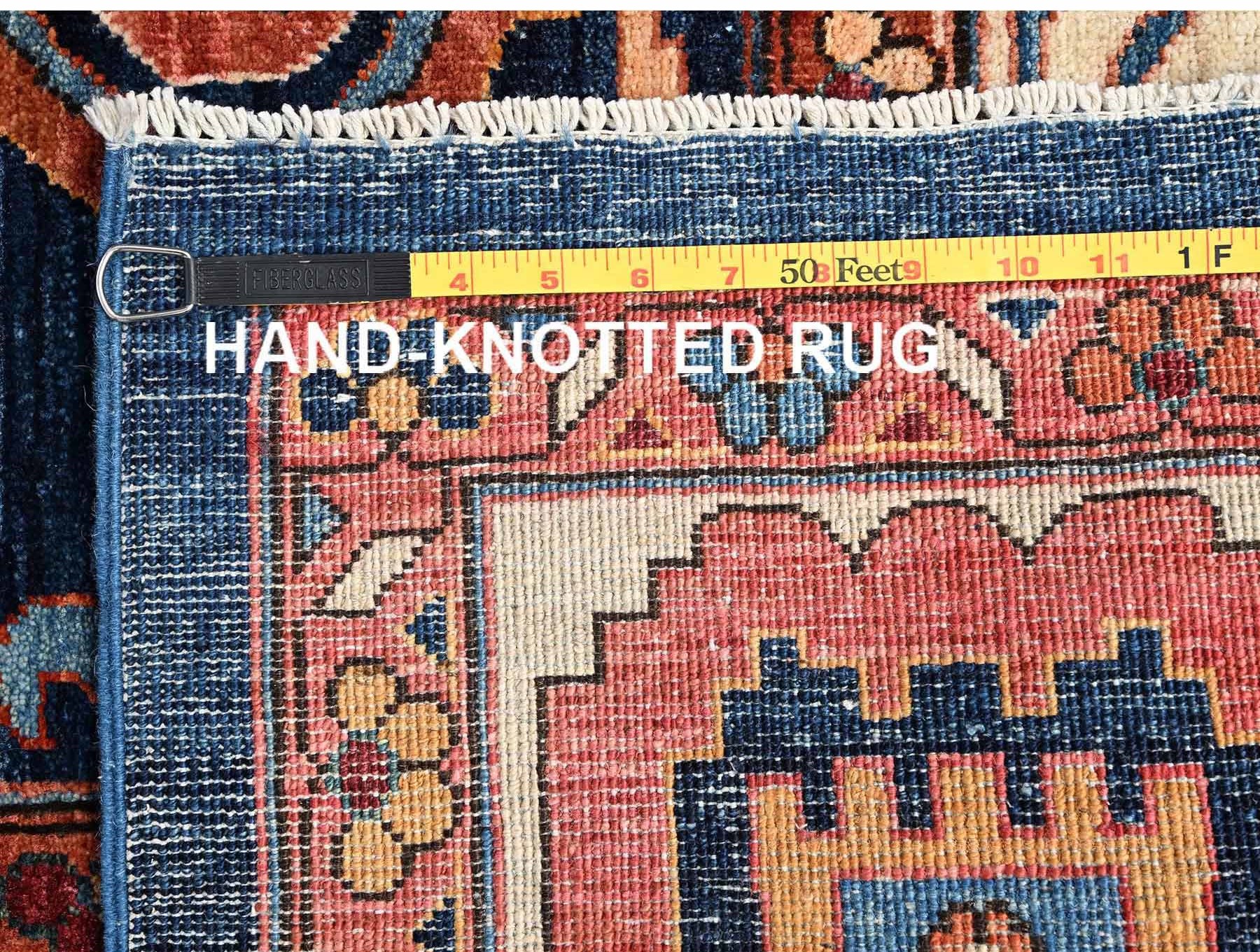
Sun Baked Orange, Serapi Heriz with Large Medallion Design, Vegetable Dyes, Hand Knotted, Aryana Grade, High Mountain Wool, Soft Pile, Densely Woven, Oriental Rug
Close-up of a Kazak rug. Notice the rather closely woven rug knots. ©1800getarug.com


The workshop hand-made rugs, however, are woven on a much more sophisticated machinery. Precision is therefore a major factor- on par with design and authenticity. The knot density ranges between 100-1000 knots per square inch. If you consider that each knot takes about 10 seconds to complete, it is astounding how long finishing a large enough rug may take, keeping in mind a rather high knot density.
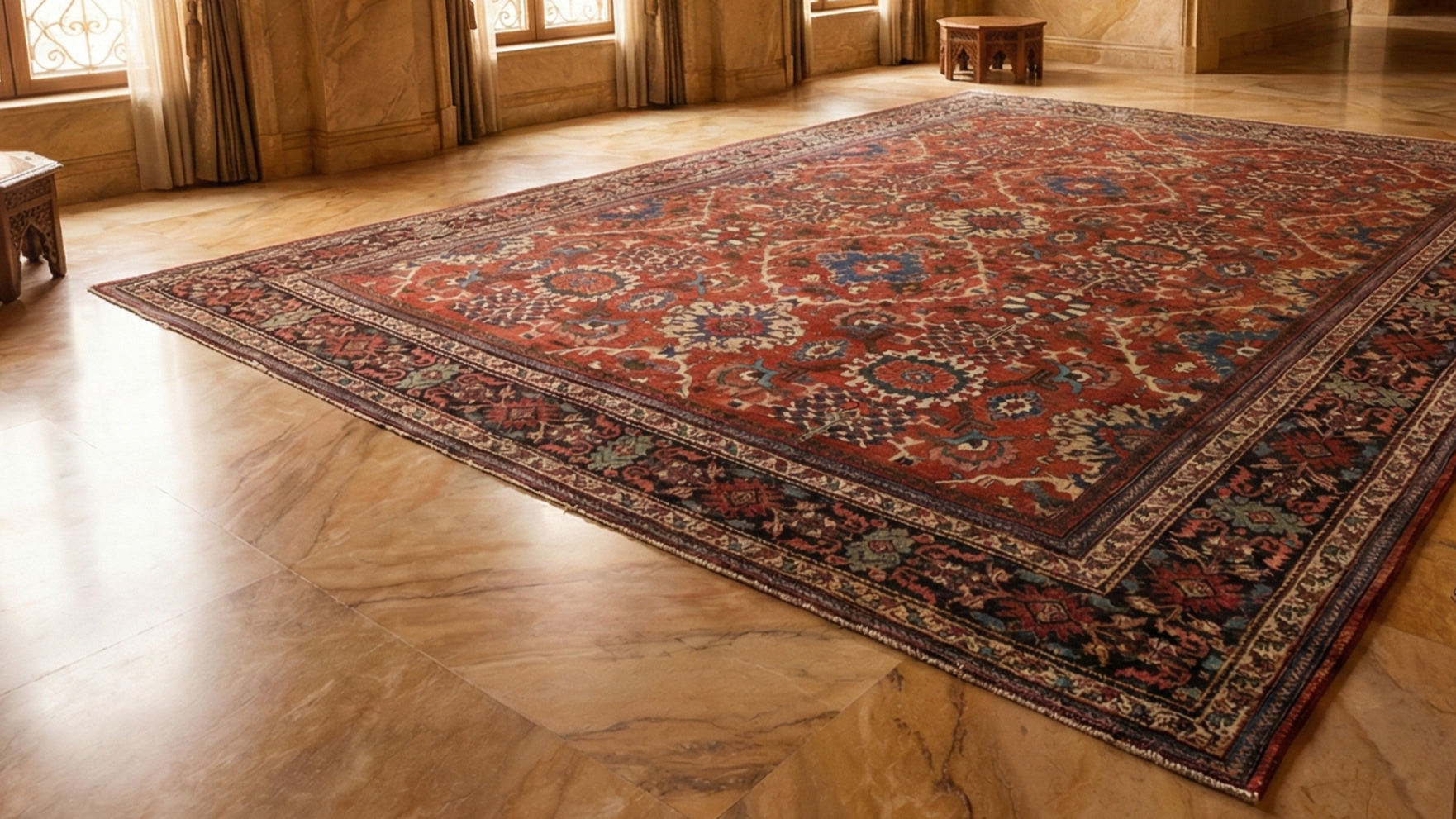
Terracotta Antique Persian Mahal Good Condition with Some Wear Clean Hand Knotted Oriental Rug
This Handcrafted Antique Persian , is an original Pure Wool oriental rug. ©1800getarug.com


The other way of thinking of a rug knot is its method, with two predominant ones being symmetrical and asymmetrical. Popular in most of Iran, India, Egypt, China, and parts of Turkey, the asymmetrical, or Persian Senneh, have their knot loops tied around two warps and come up on the same sides to make the rug tufts. The Turkish Ghiordes knot (the symmetrical one) goes around two warp threads on opposite sides and comes up in the middle. The most commonly used knots are slight variations on the Persian one. The Tibetan knot is perhaps the most interesting one, wrapping around warps in a complex fashion and reminiscent of Indic script.
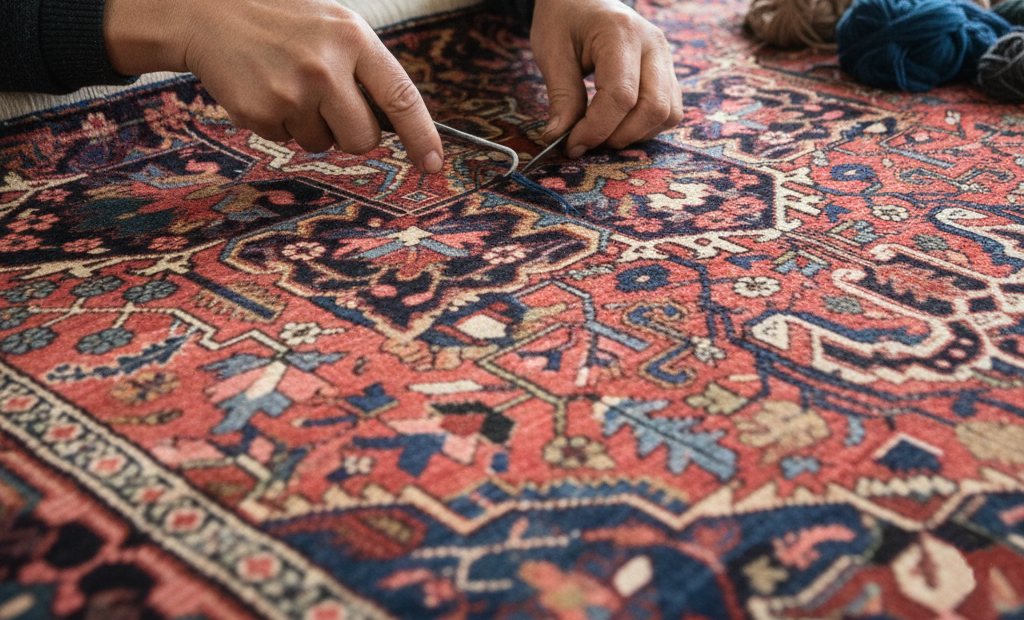
Fire Whirl Red, Antique Persian Heriz, Good Condition, Clean, Sides and Ends Professionally Secured, 100% Wool, Hand Knotted, Oriental Rug
An Illustration of a Persian Knot. ©1800getarug.com


The study of rug knots is not necessarily complex, but it certainly is full of grace and style, which is necessary for understanding the structure, design, and feel of these wonderful hand-woven rugs that we cherish throughout our lives.




Evolution of The Loom


From the most basic designs to sophisticated machinery, the venerable loom is at the heart of rug making and is a key invention that heralded each of the eras of human technical advances, bringing people together.

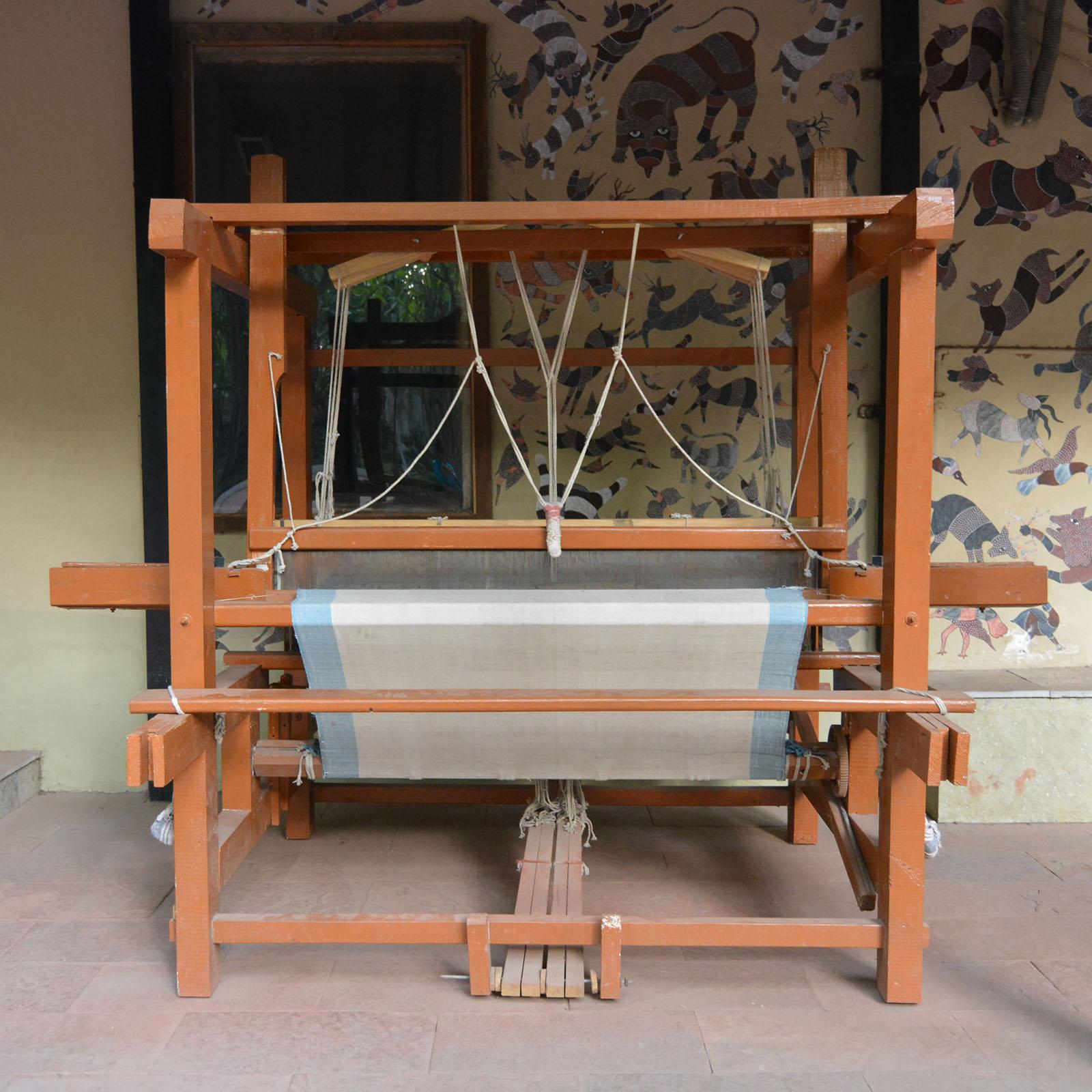
Another Look the Classic Loom. At the Handloom and Crafts Museum in Delhi
Take. At the Handloom and Crafts Museum in Delhi. © 1800getarug.com 


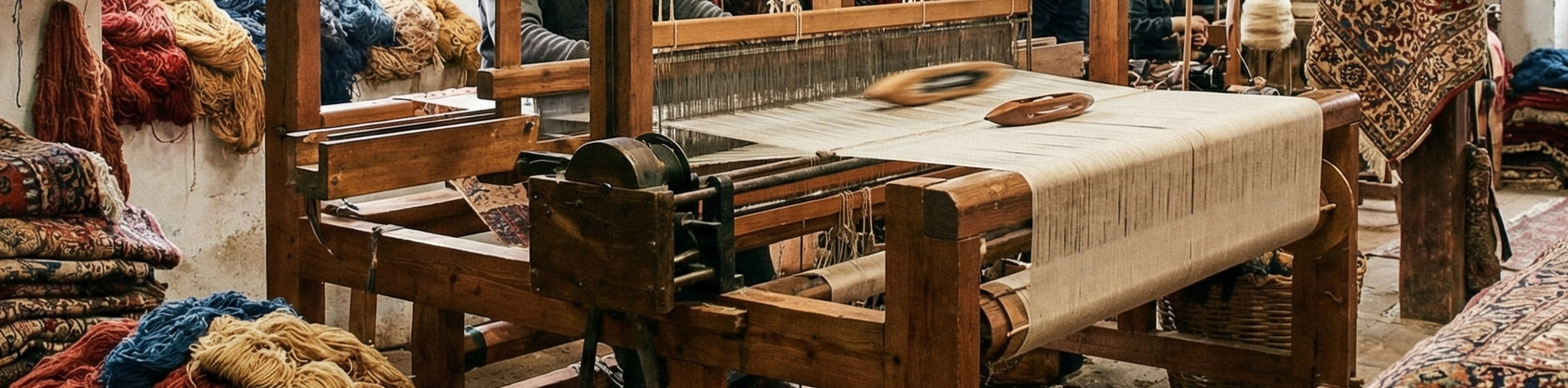
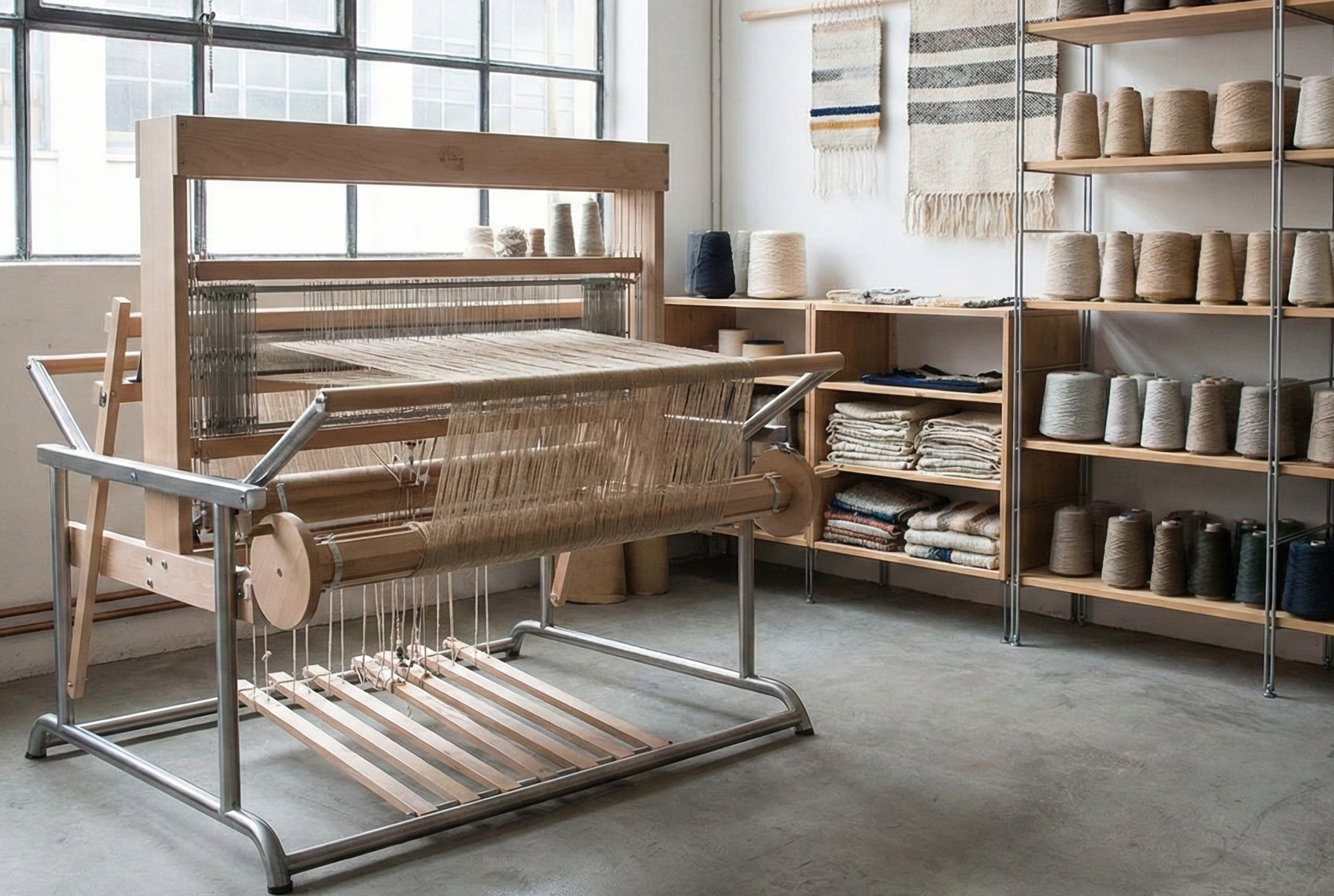
While it may look a bit intimidating, the loom is a rather simple construction, at its core. An interlocking structure of moving wooden beam frames is strung tightly together by yarn (warp) to create the rug foundation while a second yarn (weft) is passed through perpendicularly to hold the rug together. The pile yarn would then be woven into the rug base to create the visual patterns and texture of hand-woven carpets.

Another Look the Classic Loom. At the Handloom and Crafts Museum in Delhi.
Another Look the Classic Loom. At the Handloom and Crafts Museum in Delhi by ajay surya. © 1800getarug.com 


The process of weaving is traced back to the Neolithic age when its invention helped herald the agricultural revolution by both utilizing the newly mastered control over crops and techniques of extracting yarn from wool, and by helping make a home. Regular settlements and the nomads could use comfortable and beautiful rugs on their floors and walls, warming their abodes both literally and figuratively. Many rituals evolved to include rugs in them ever since.


A Modern Simple Loom at Our Rug Facility in Jaipur.
A Modern Simple Loom at Our Rug Facility in Jaipur. © 1800getarug.com 


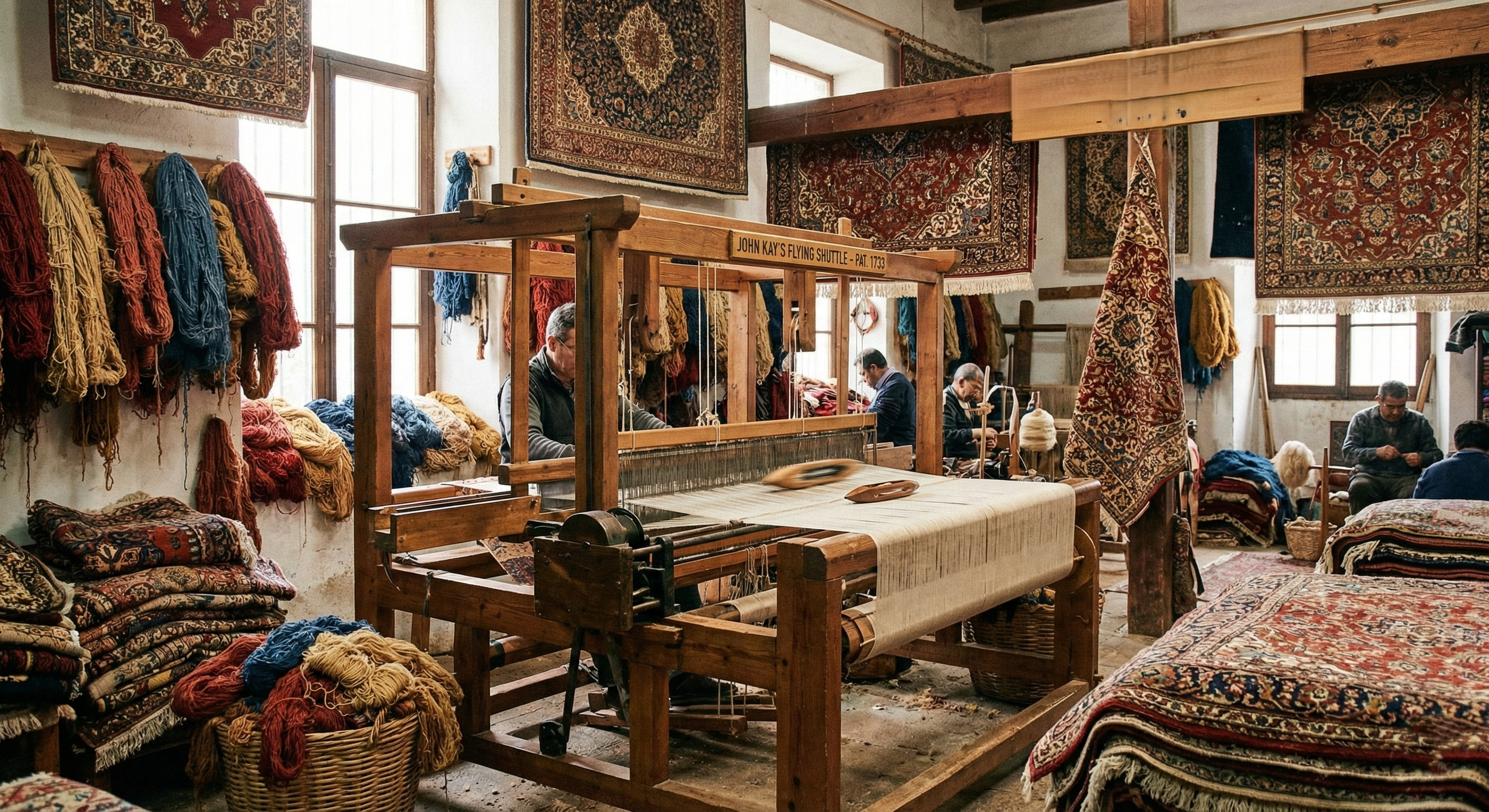
For all these millennia and all this prehistoric art, the basic loin loom was utilized, until later advances in the Middle Ages. The weavers used a very simple construction and their own body tension needed to make a rug for a perfect purpose. Later evolutions of the loom included stationary, heavier looms where separate heddles could be lifted to create complex designs, administered by a second weaver if the rug is too big. In 1773, a British weaver John Kay invented the flying shuttle, which could be flung across and around the loom, eliminating the need for the second person.

John Kay invented the flying shuttle
 John Kay invented the flying shuttle. © 1800getarug.com 


By twentieth century the looms became fully mechanized and powered electrically. This final stage has dramatically reduced the labor and increased production. That being said, the automated looms will of course never achieve the artistry, attention, and skill of experienced master weaver hands.


The simple beauty of Kilim Flatweave rugs


Sometimes things can be uncomplicated, sometimes they can be understated. Sometimes the beauty comes from the simplicity of the design and execution. Look no further than Kilim hand-woven rugs, classic flatweave carpets known for their unique contained look and versatility.

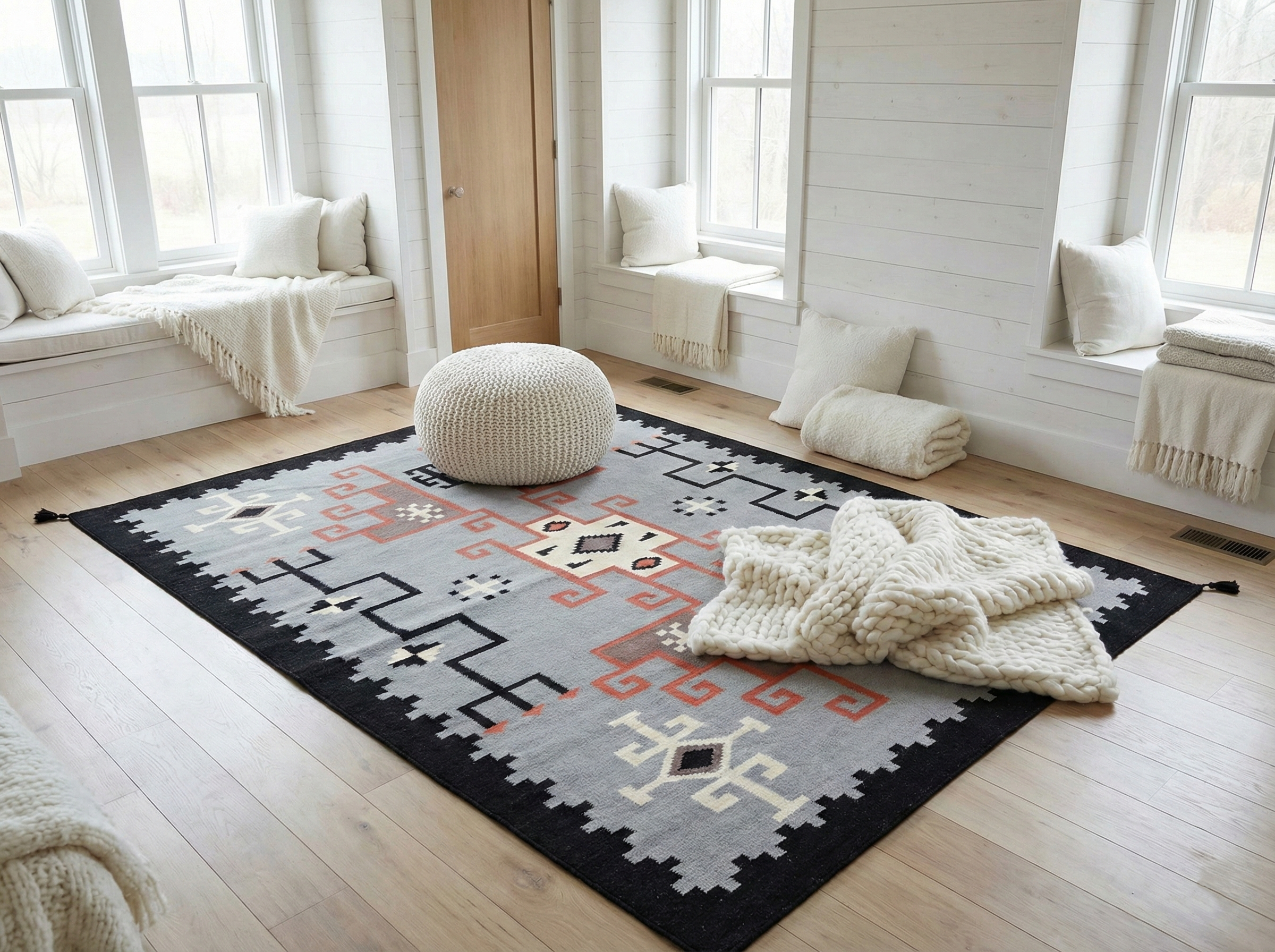
Medium Gray, Flat Weave, American Indian Southwest Geometric Design, Hand Woven, 100% Wool, Oriental Rug
This handcrafted American Indian Southwest Geometric Design is an authentic Pure Wool oriental rug. © 1800getarug.com


One of the most consistent technique to go back centuries, Kilim rugs were most likely first used by nomadic peoples of Middle East and Central Asia. The earliest examples were found around Khotan, present day Xinjiang, China, one of the centers of trade along the Silk Roads, and go back centuries. The name is derived from Turkish “gelim”, which means, “to spread” (as in, to spread a rug). Its pure geometrical designs are believed to have mystical, inspirational powers.

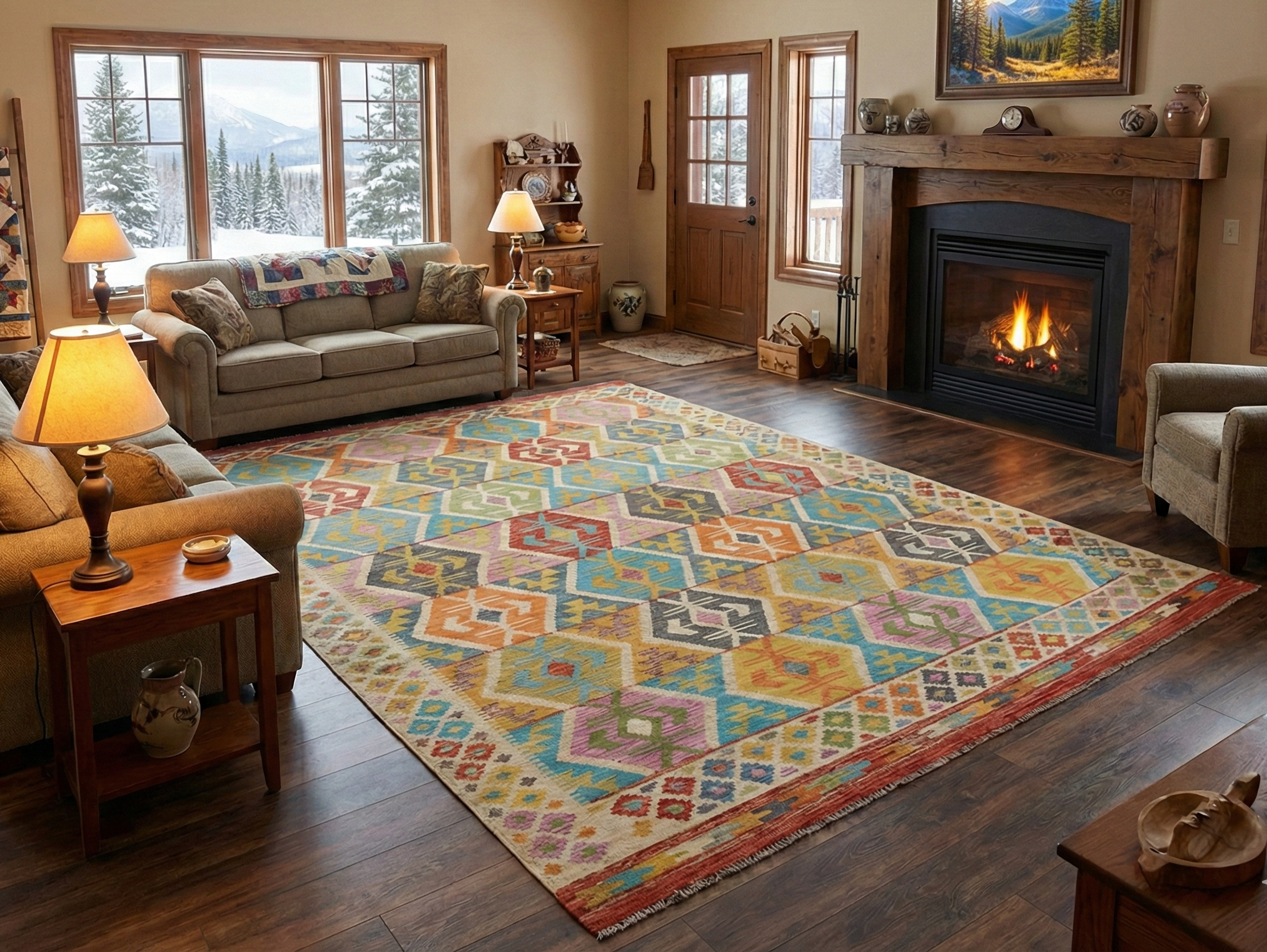
Bone White, Afghan Kilim with All Over Colorful Geometric Pattern, 100% Wool, Natural Dyes, Flat Weave, Hand Woven, Reversible, Oriental Rug
This handcrafted Afghan Kilim is an original Pure Wool oriental rug. © 1800getarug.com


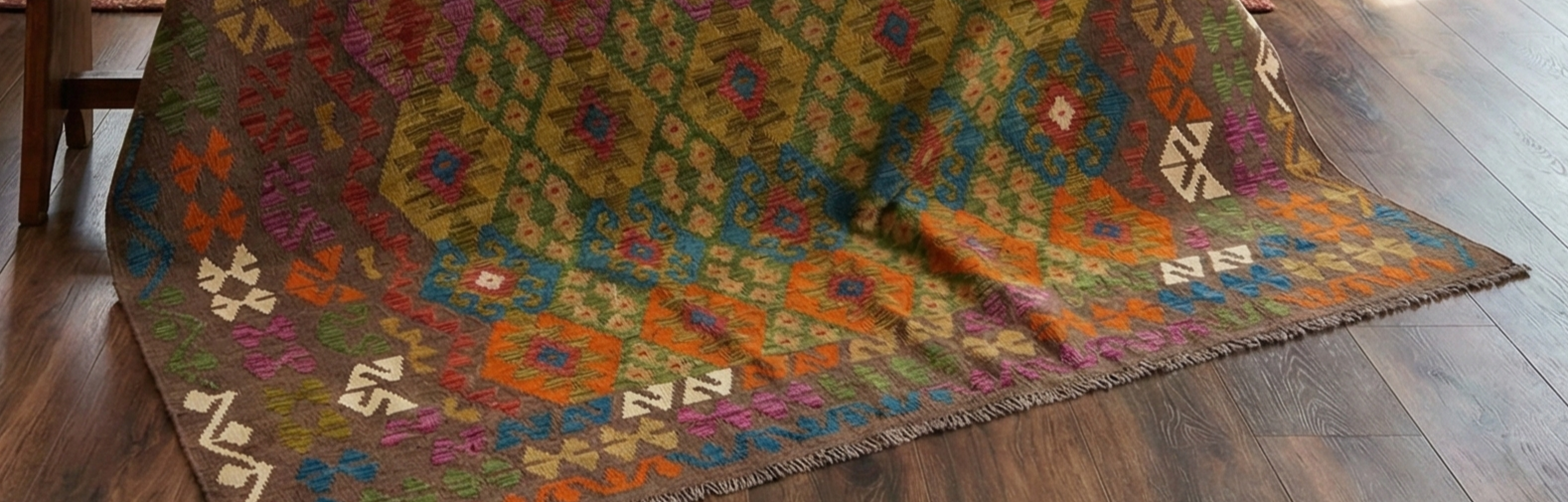
To us, the most fascinating thing about the hand-woven Kilim rugs is the unique weaving technique, called slit weave. These rugs don’t have a pile, and are created by simply weaving the woolen wefts and the cotton or wool warps (thread ratio is 16 of weft, 14 of warp). Two different-colored weft blocks are tightly packed into the warp by a special comb and returned to original side once they reach each other, leaving a slight “gap” in between – the slit! This is the origin of the traditional Kilim motif: diagonal and horizontal lines, a pattern designed for durability.

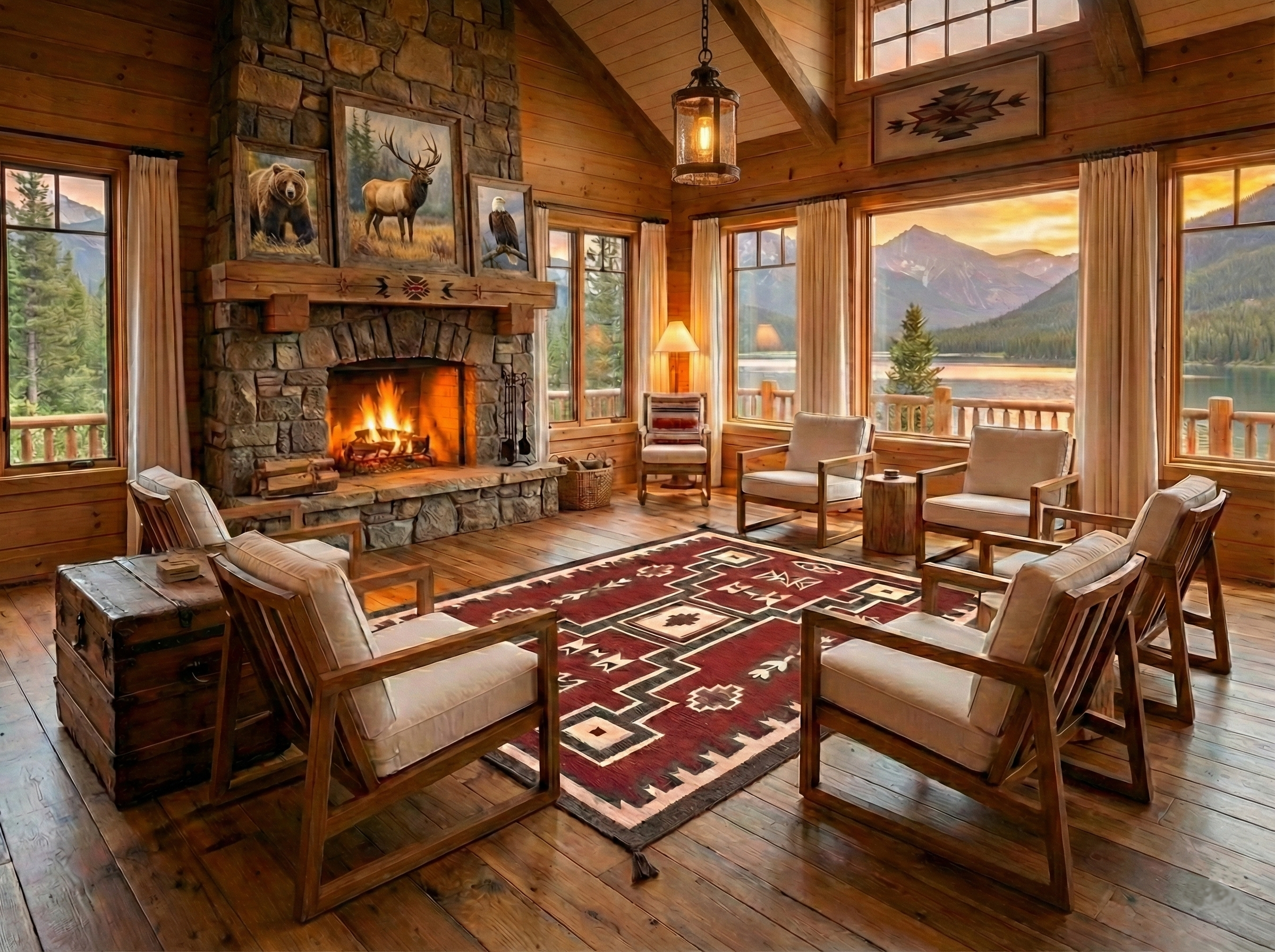
Coconut Brown, Hand Woven, Flat Weave, American Indian Southwest Geometric Design, 100% Wool, Oriental Rug
This handcrafted American Indian Southwest Geometric Design is an authentic Pure Wool oriental rug.© 1800getarug.com


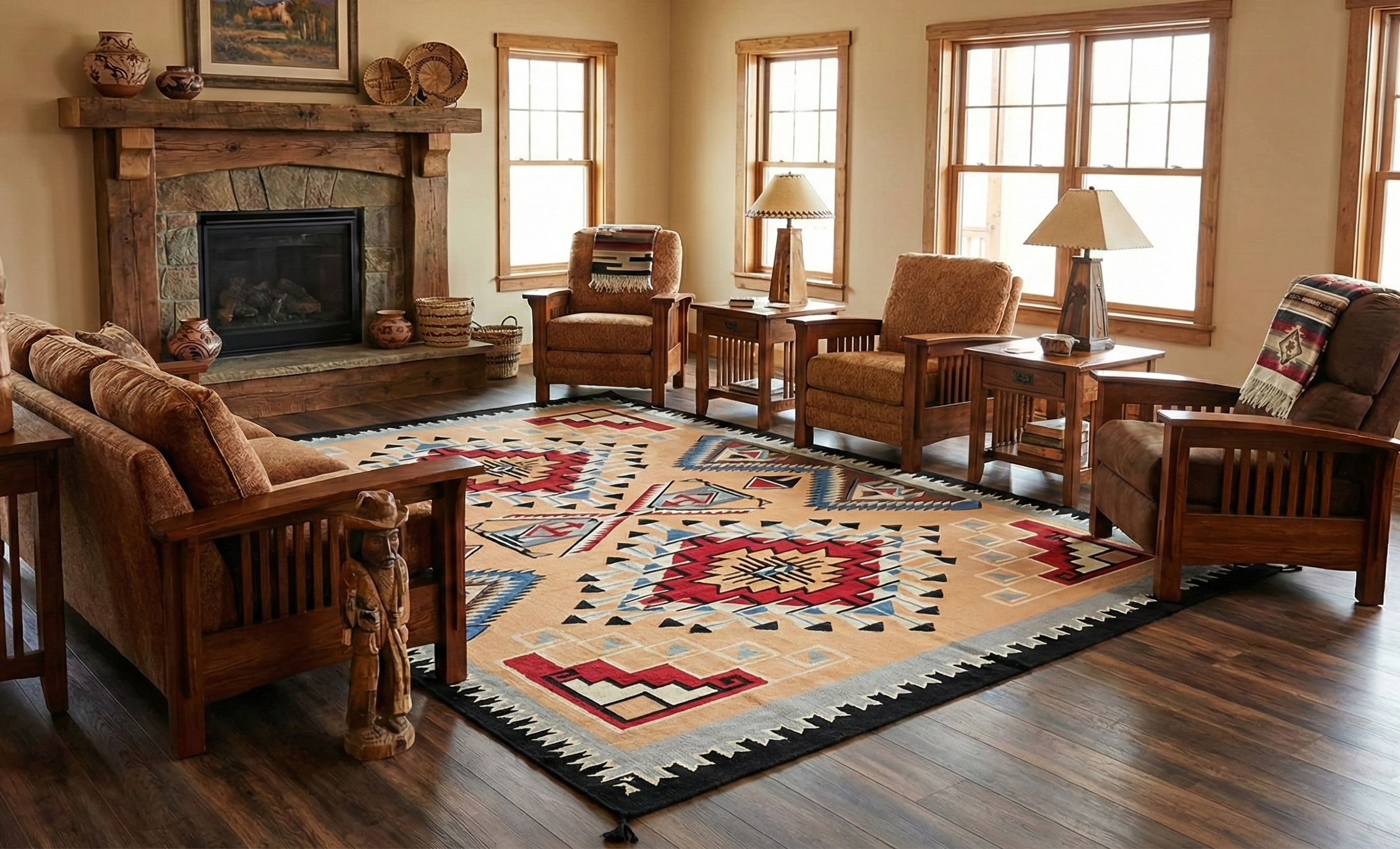
While the traditional colors for these magical Kilim hand-woven rugs are blue, green, red, and yellow, the modern take on the carpets includes a variety of dyes and designs. Still these works of art are as versatile and affordable as they were centuries ago: they are easy to spread or fold, don’t crease; are great at being a centerpiece decoration, hanging on a wall or serving as a door step rug, or for saddling your mule, if the occasion truly calls for it!

Peach Color, Flat Weave, American Indian Southwest Geometric Design, 100% Wool, Hand Woven, Oriental Rug
This handcrafted American Indian Southwest Geometric Design is an authentic Pure Wool oriental rug. © 1800getarug.com


Handmade Rugs – The Ultimate Home Decor Style

The rug and carpet industry is such a diverse one that it can easily cater a number of different customers and their multiple needs. Among the most usable item, handmade rugs have been popular for a very long time. Handmade rugs come in different sizes and styles; additionally the texture and the length of these rugs can help you to choose an appropriate piece for a particular place.


Here is an introductory piece of writing for all those who are interested in knowing about the handmade rugs:

What makes handmade rugs unique?

Many people are interested in knowing what features set apart the handmade rugs from other rugs and carpets and make an accurate choice. To these people’s searches for a rug, a number of points may be worth considering. First if all the handmade rugs are made on special looms operated and processed manually, where every knot is knitted manually by a skilled labor, by hand.

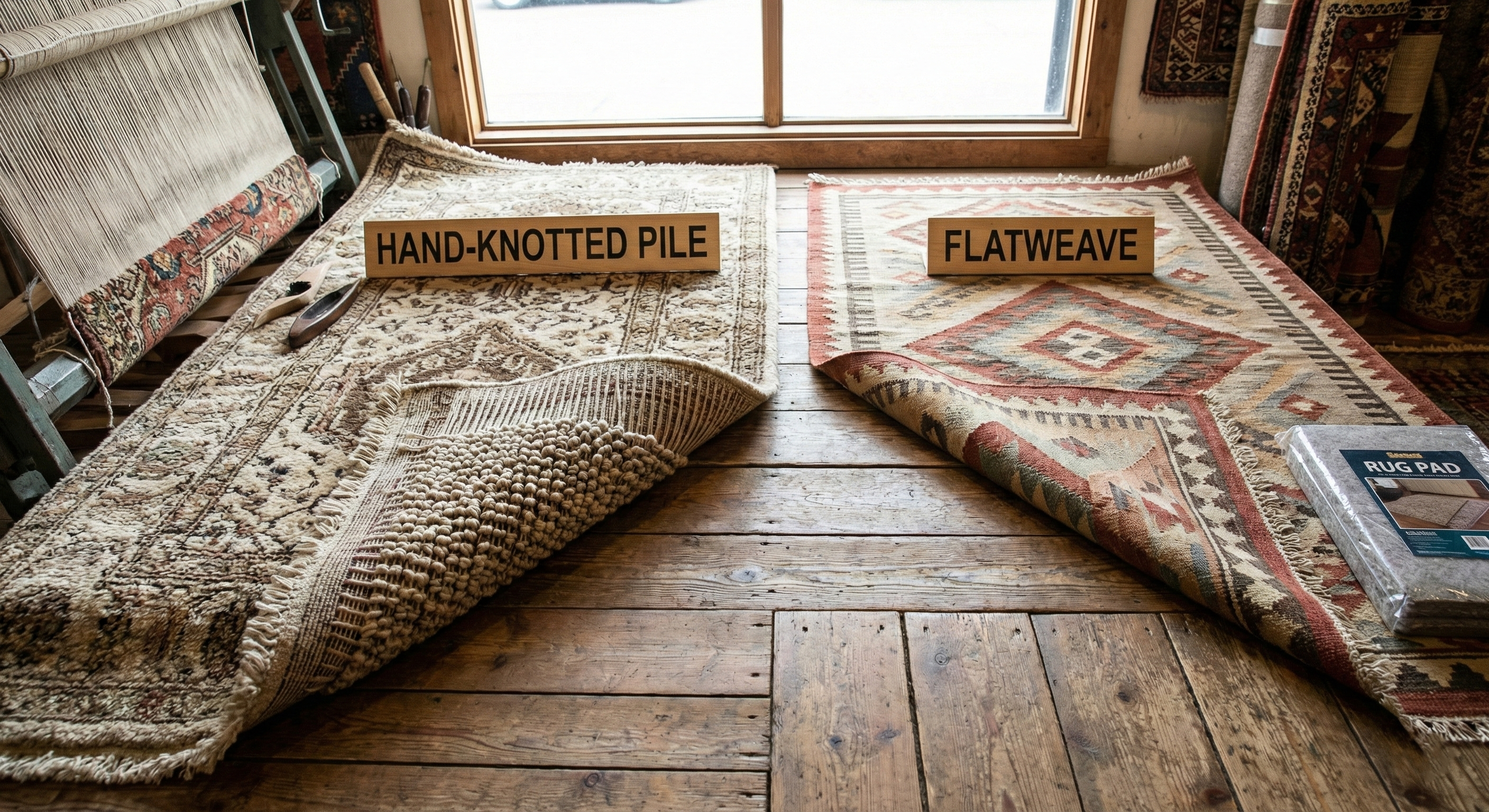
  • Knot pile style of handmade rugs:In this traditional style, the carpet weaver will make the knots in a way that each knot is tied to the other by hand in order to create a foundation. It is a longer and more tedious exercise when making a carpet as compared to other types of handmade rugs.
  • Flat weave style:As these handmade rugs lack the traditional pile of knots and the foundation of handmade knots on a loom, so does the height of these carpets, or in other words the thickness of these handmade carpets is very much more thin. Usually rug pads are largely used to make these rugs stay in place.
What makes handmade rugs unique?
Knot pile style of handmade rugs — Flat weave style. © 1800getarug.com


Judging the quality of handmade rugs:

Most of the readers want to know, how we can determine the quality and standard of a handmade rug. For those readers, we would like to mention a few major factors which can be a source of judgment about the quality of the handmade rug:

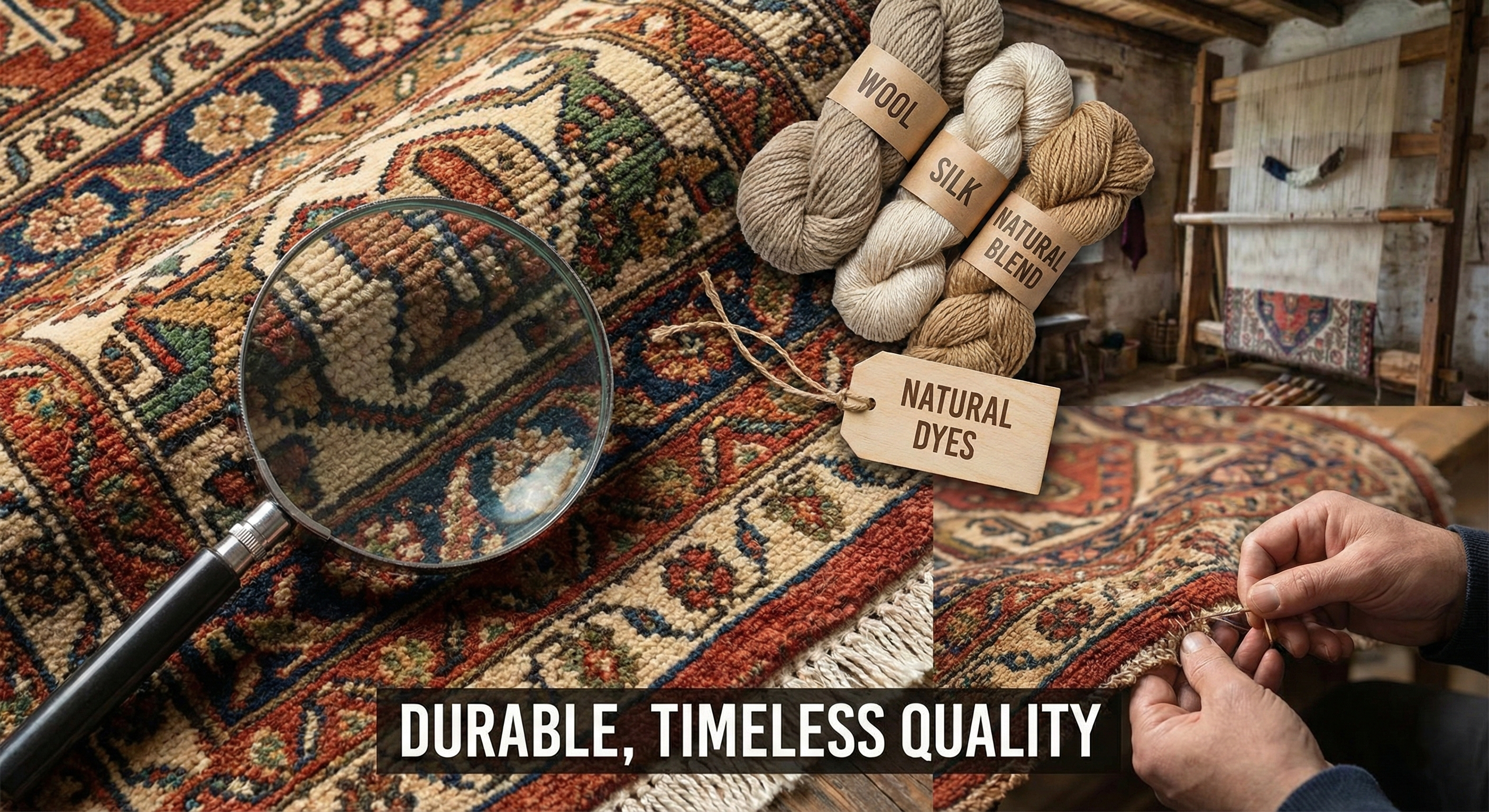
  • Knot count
  • The type of dye used
  • The type of yarn used
  • The durability of the rug

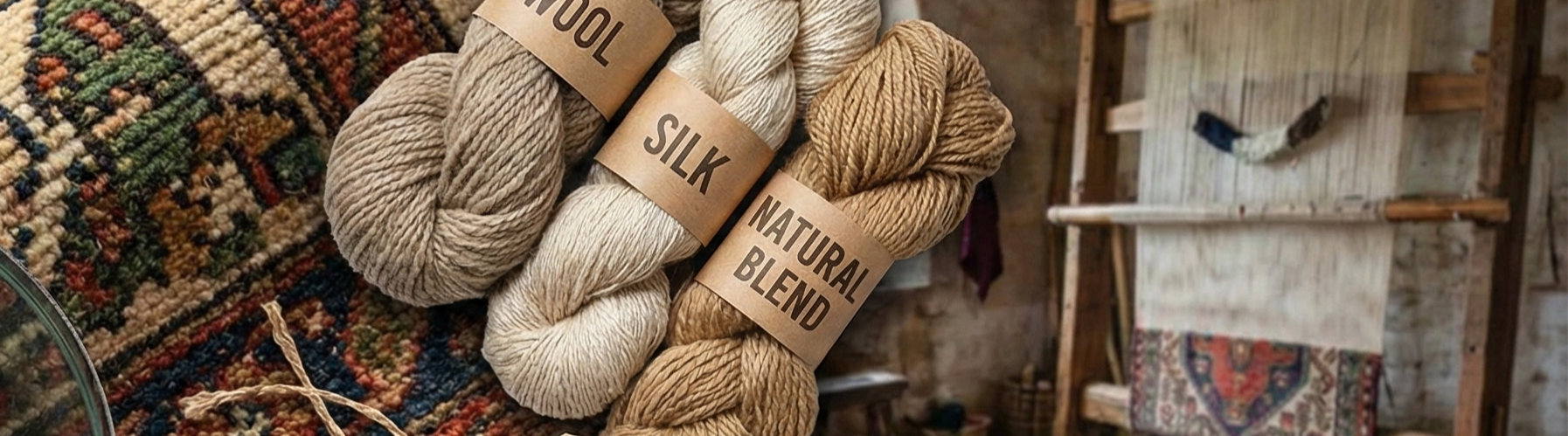
The handmade rug can be made up of a number of different materials, including the wool, silk or a mixture of different natural fibers. So the choice of your rug will largely depend upon the area and location where you will be using that particular rug.

Judging the quality of handmade rugs:
essential elements of handmade rug making. © 1800getarug.com


Some popular choices for handmade rugs:

There are a number of different choices for all those whose next purchasing is about the handmade rugs. So before you go to obtain a distinctive piece for your gorgeous room or living room, have a look at these major options available.


  • Turkish handmade rugs: One of the most distinctive features of a Turkish carpet is the fine arts embedded with the art of looming, so if your choice is a Turkish handmade carpet, you can easily get into finding a number of exclusive paintings and other designs on your rug.
Crimson Red, Antique Turkish Isparta, Good Condition, Clean and Soft, Even Wear, Mansion Size, 100% Wool, Hand Knotted, XL, Oversized, Oriental Rug
This handcrafted Antique Turkish Isparta is an authentic Pure Wool oriental rug. © 1800getarug.com


  • Caspian handmade rugs: One of the newly established industries for handmade rugs is known to be those of Caspian rugs. These handmade rugs provide the best combination of modern patterns with the traditional art of handmade rugs, so for all of those whose choice is a bit modern and of new styles, they can easily get the best handmade rugs out of this Caspian handmade rug industry. Again the color preferences and materials may vary according to the individual choice.
Cream White, Modern Oxidized Textured Wool, Hand Knotted, Short Runner, Oriental Rug
This handcrafted Modern is an authentic Pure Wool oriental rug. © 1800getarug.com


Handmade rugs can be the best choice if someone is really interested in making his home or office highly sophisticated and mesmerizing. The options are endless; all you need is to have a sound knowledge about the available options and the particular need which only you possess. Handmade rugs have the best possible ability to make your place look compelling and persuasive for all. Not only you will be able to get the appreciation of others, but your internal satisfaction will make you cherish these handmade rugs for years to come.


Don’t Have A Persian Rug in Every Single Room…Well What Are You Waiting For?!

So I’ve got this Persian friend whose sole purpose in life is to convince everyone she knows to buy Persian rugs.  Not only are Persian rugs necessary household items, but they should also be in every single room in every home.  True story, I learned.

I’ll never forget the look on my friend’s face when she first stepped onto my bedroom rug. It was, and I’m sorry to say, Ikea-ed to death.  Her face was a combination of pain, suffering, and sheer embarrassment.  The following day, she brought me to her house where I had my first foot-to-Persian rug experience, and I have to say, my toes were forever changed.   The beautiful hand knotted rug featured stunning colors and beautiful floral motifs.  The next day, I threw out my polyester Ikea rug in exchange for a Persian rug.  That very next morning, I woke up to find that I had somehow fallen asleep on my exquisite new rug, back-free pain and all.

Five and a half years later I have found myself advocating for Persian rugs, because frankly, nothing ties a room together better than a Persian rug, especially if you have got a beautiful Persian friend happily smiling beside you.

The Magic Carpet is My Favorite Rug

As far as I’m concerned, it will never even be up for debate.

It won’t be two-hundred-year-old oriental rugs. It won’t be hand-stitched Persian Rugs. It won’t be hand knotted rugs, silk area rugs, or even a gorgeous brand-new vegetable dye rug.

No, no, no… as far as I’m concerned, my favorite rug will forever and always be The Magic Carpet for Disney’s 1992 film Aladdin.

I mean, how cool was that guy (thing?)? First appears in the “Cave of Wonders,” which is a pretty cool name for a place to hang out in. then, without even knowing Aladdin (or his grumpy and territorial monkey, Abu) he risks himself to save them both when the cave begins to collapse.

He clearly has some history with the Genie, a character be beats at the game of chess later on. And I mean, come on…an omnipotent, magical, wish-granting supreme being was defeated by “the rug man,” as he jokingly address’ him. Gotta give some props for that.

However, what I’ll always remember is how an animated character with ZERO lines and no face was able to seem so human just through “body” language. It’s the first animated character I can remember that was created solely with Computer Generated Imagery, and for that reason alone it will always be my favorite rug, fictional or not.

The Louvre Museum

My family, since before I can remember, has a long standing history of collecting antique Persian and oriental rugs. The care and time spent creating and weaving a hand knotted rug represents not only a rich history, but also beauty as well. On a recent trip to Paris, France, I visited the Louvre Museum that houses a Persian rug from the 16th century. The gift was given in 1914 buy Joanny Peytel and is titled “Carpet with animals”. The small rug is made entirely of silk and is said to have come from Kashan, Iran. This Persian rug features a rare indigo blue color and various pictures of animals frolicking on a field.

It was by luck that I came across this particular Persian rug while on holiday. The accentuated beauty, interesting motifs and designs, and rich colors of a rug from so many years ago before my eyes made me love Persian rugs even more. Now, nearly four centuries later, I was able to witness evidence that expert weavers knew what they were really doing since they continue to be in such good condition even today for myself. I’ve always purchased my Persian rugs from 1800GetARug.com because of their great prices and authenticity. With their help, I can bring what I love the most into my own home.

Don’t Let Persian Rugs Control YOUR Life!

My dad loves Persian rugs. We have them all throughout our house. He went on this two year Persian rugs binge – I know, I know, some dads go on drinking binges, some go on gambling binges, but I swear, my dad’s Persian rugs binge was just as detrimental to his health.

It started out small, you know, like  5 X 8’s mostly. He figured out that because silk is the most expensive, it must be the best. I enjoyed rubbing the rugs one way and watching how the colors changed when I rubbed them the other way. He bought a couple this way.

Then he started to get bigger Persian rugs. 13 x 15 room fillers. All silk. Sure they were gorgeous, but the lack of restraint he demonstrated was pretty hard on all of us. And pretty soon we had traveled to Argentina for a rare antique rug. It was one of the many wool hand knotted rugs out there, but the carnations on it were silken. And because it had lain in the home of an Argentine king for 80 years and a path was tread on a section of it, I was able to step in and save my dad some money. It was still thousands of dollars.

Now he’s better, and although I can’t say I don’t enjoy the beautiful rugs that adorn our walls and floors, he’s still recovering from all the rugs debt he built over those two years.

The Origins of Persian Rugs

Persian rugs origins have been around for a long time, nearly 2500 years. The oldest surviving carpet in the world is from the 5th century BC and is called the Pazyryk Carpet (above). Found in the grave of a Scythian prince from the Achaemenid period,  this carpet is a phenomenal example of Persian rugs, and it is especially interesting that it has withstood time so well since silk and wool  decay eventually.

The Achaemenid period was a time of magnificent carpet weaving. Cyrus the Great was the ruler of the court and Persia was allianced with Alexander the Great. The empire was the largest of Ancient times and is noted in history for being the foe of the Greeks; for freeing the Jews from slavery in Babylon; for having official languages throughout their territories; and for having magnificent hand knotted rugs.

The empire fell, but the making of hand knotted rugs never stopped. In the 6th century, the Persian carpets were globally famed for being the best. A carpet in the imperial hall of Khorsow I was 450 feet long and 90 feet wide. It depicted a formal garden. A hundred years later, the Sasanian capital Tuspawn (modern Iraq) fell and the Arab invaders cut the rug into fragmented rugs for booty.

Tehran and Hand Knotted Rugs

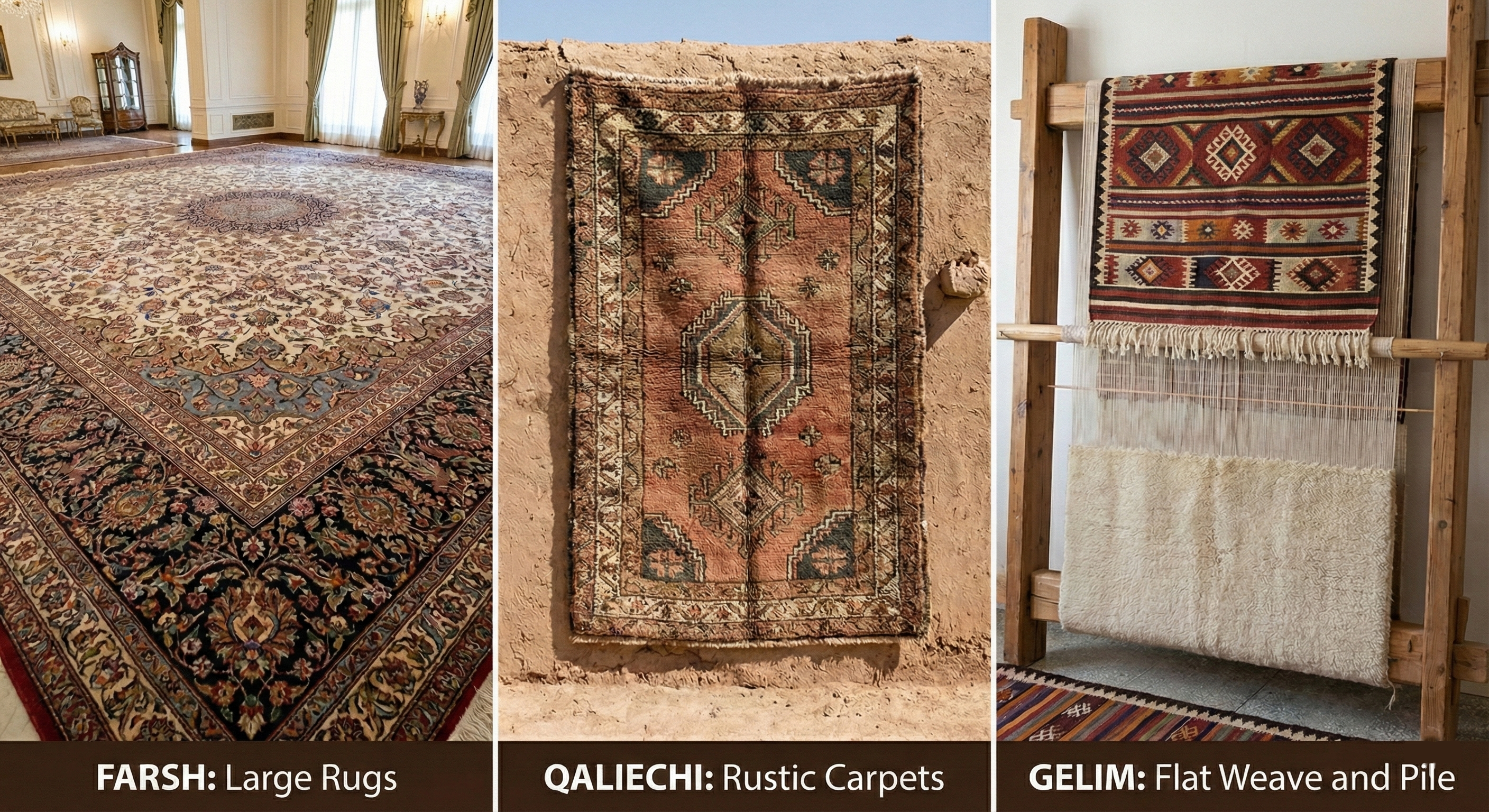
Persian rugs come from Iran. They can be divided into three main groups: Farsh rugs, greater than 6×4 ft., Qalicheh rugs, smaller than 6×4 ft. and nomadic area rugs, or Kilim, made from rough wool. Iran’s Persian rugs are the country’s third largest export and more than five million people work in the industry.

Tehran is the capital of Iran. With almost 8.5 million people, it is the 21st largest city in the world. It is also one of the oldest. Settlements in the area date back more than 8000 years. Unfortunately, during the intra-war period, the Shah, Reza Shah Pahlavi, decided that the city’s oldest buildings should not be part of a modern city. They were razed to create new municipal buildings and wide straight avenues. The Iran-Iraq war saw more destruction of the old city and in its place were Soviet style apartment buildings. Despite their lack of a cohesive architecture, Iran retains much identity in their culture, especially their hand knotted rugs.
This is where you should go if you really want authentic Persian rugs.  Or you can call or visit online www.1800GetARug.com. They have as wide of a selection of hand knotted rugs as you’ll be able to find anywhere.