The Essence: Rug Knots


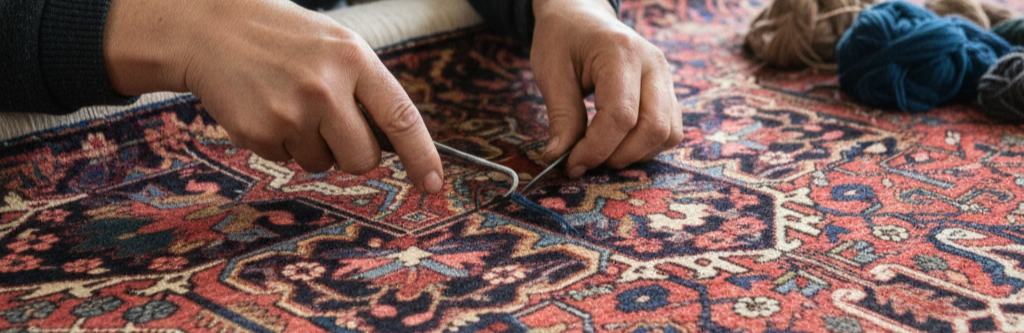
Before we think about technology and machinery, coloring and design, hand skill and passed-on knowledge, there is one single, elemental component to rug weaving: the knot. Rug knot is such a simple concept that one might overlook its central position in rug structure, look and durability.
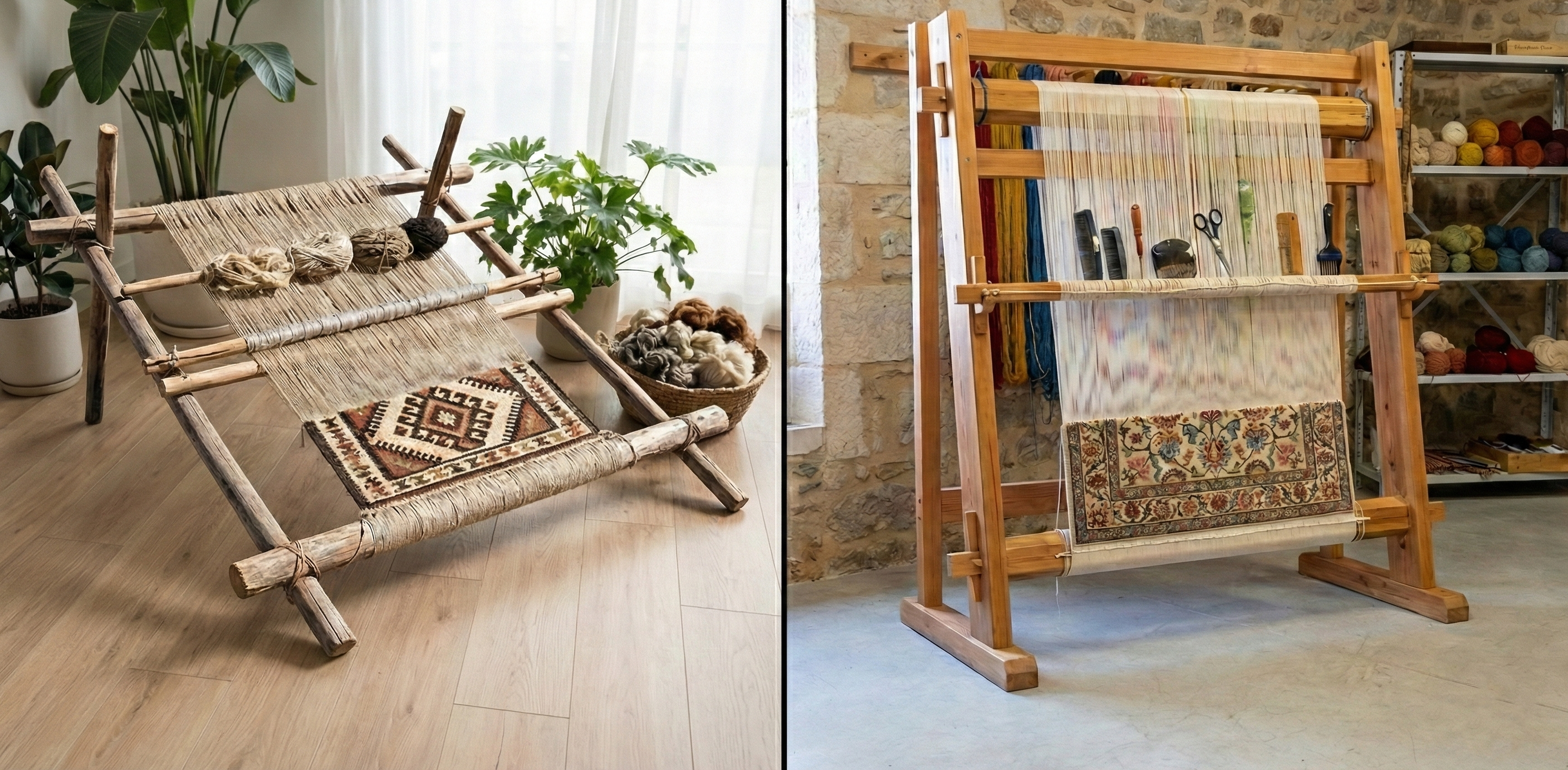
nomad or a village hand-woven rug
Nomadic Loom.  –  Village / workshop Loom.  ©1800getarug.com


There are two ways a rug knot is defined: density and type. When choosing a nomad or a village hand-woven rug, one might not consider the density of the knot a major factor. These traditional articles are made either within a season – and therefore fast – or with simple looms, and usually contain about 25-100 knots per square inch. Other factors are at play here: originality of the individual artist’s design (from memory), natural local dyes, manual labor, and plenty of love.
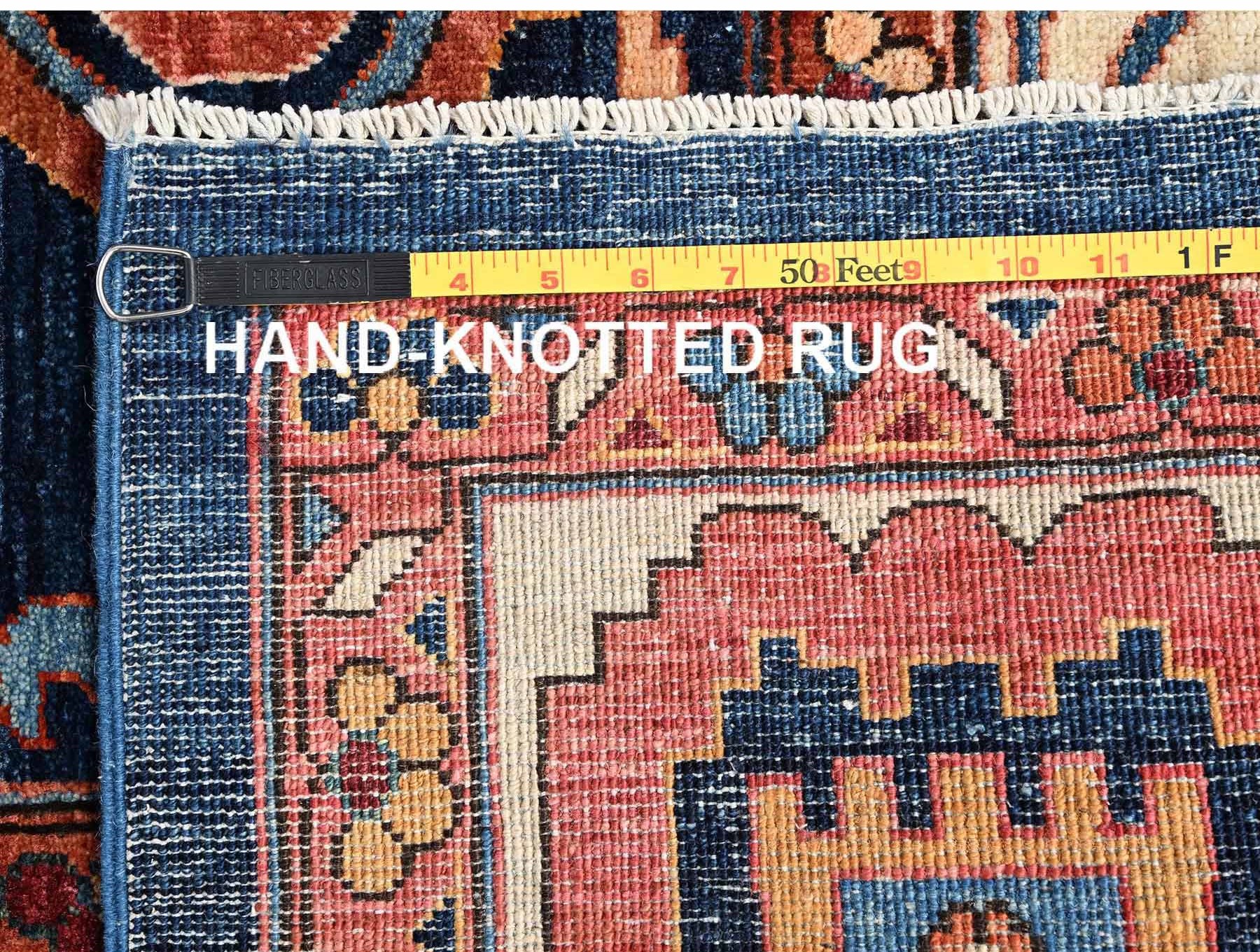
Sun Baked Orange, Serapi Heriz with Large Medallion Design, Vegetable Dyes, Hand Knotted, Aryana Grade, High Mountain Wool, Soft Pile, Densely Woven, Oriental Rug
Close-up of a Kazak rug. Notice the rather closely woven rug knots. ©1800getarug.com


The workshop hand-made rugs, however, are woven on a much more sophisticated machinery. Precision is therefore a major factor- on par with design and authenticity. The knot density ranges between 100-1000 knots per square inch. If you consider that each knot takes about 10 seconds to complete, it is astounding how long finishing a large enough rug may take, keeping in mind a rather high knot density.
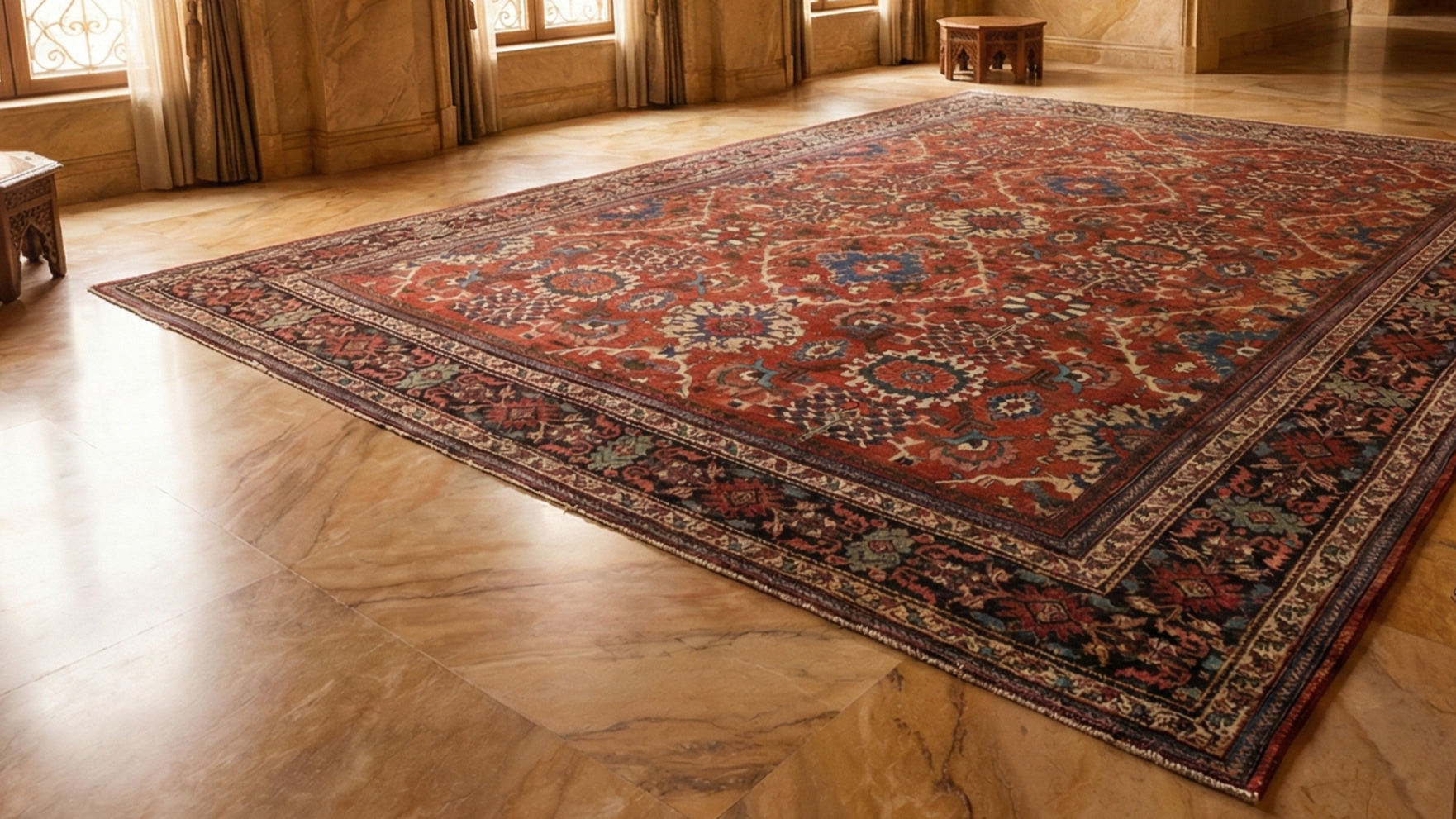
Terracotta Antique Persian Mahal Good Condition with Some Wear Clean Hand Knotted Oriental Rug
This Handcrafted Antique Persian , is an original Pure Wool oriental rug. ©1800getarug.com


The other way of thinking of a rug knot is its method, with two predominant ones being symmetrical and asymmetrical. Popular in most of Iran, India, Egypt, China, and parts of Turkey, the asymmetrical, or Persian Senneh, have their knot loops tied around two warps and come up on the same sides to make the rug tufts. The Turkish Ghiordes knot (the symmetrical one) goes around two warp threads on opposite sides and comes up in the middle. The most commonly used knots are slight variations on the Persian one. The Tibetan knot is perhaps the most interesting one, wrapping around warps in a complex fashion and reminiscent of Indic script.
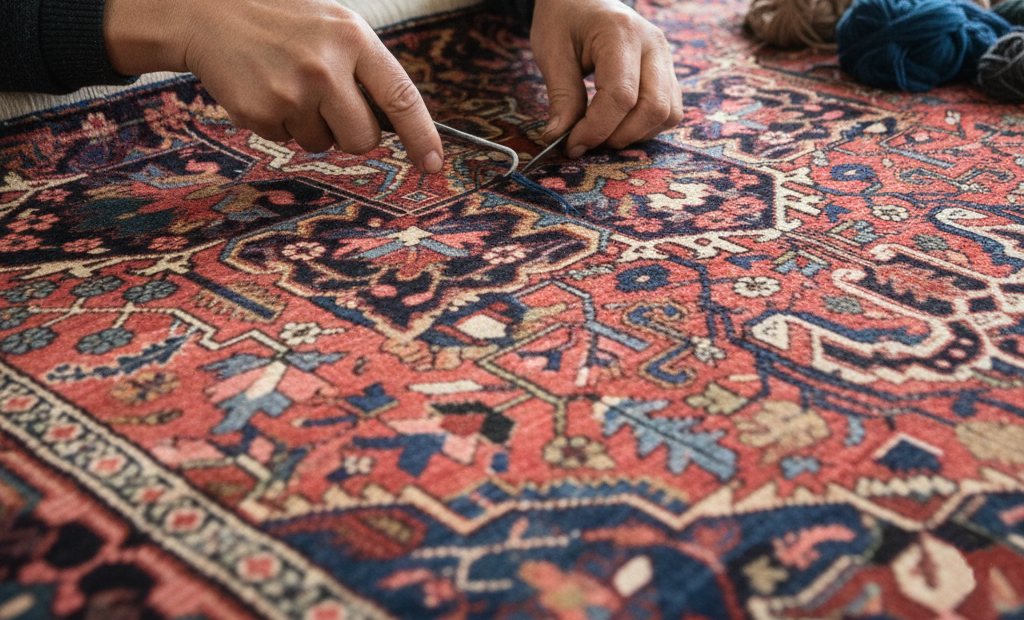
Fire Whirl Red, Antique Persian Heriz, Good Condition, Clean, Sides and Ends Professionally Secured, 100% Wool, Hand Knotted, Oriental Rug
An Illustration of a Persian Knot. ©1800getarug.com


The study of rug knots is not necessarily complex, but it certainly is full of grace and style, which is necessary for understanding the structure, design, and feel of these wonderful hand-woven rugs that we cherish throughout our lives.



The Wonderful Souj Boulak Rugs

While considering any kind of interior decoration, you can never consider your interior complete without a carpet or rug. Rugs add delicacy and style to the spaces, whether commercial or household. A fine selection of rug or any carpet piece can help you to enhance the charisma of your living rooms. Rugs are manufactured in a vast variety where the weaving techniques and patterns may vary. However, because of this variety a number of consumers of rugs and carpet industry, all over the world, are entertained with the best collection of rugs and carpets. So whatever the personal preference or taste is you have, the rug according to your choice.


A marvelous rug collection can be to select the Souj Boulak Rugs. These rugs are the discoveries of the magnificent Persian rug industry. The Souj Boulak is the ancient type of Persian rugs with a history dating back to 15th century. Some of the ancient pieces of Souj Boulak rugs made in 1550’s are placed in the art gallery of Persia to praise those ancient artisans. Since the very early toes Persia has been striving for getting prominent position in the world’s rug market. It has become successful in achieving this goal, because of the highly skilled artisans who are employed in a number of home based workshops for weaving Souj Boulak. The term Souj Boulak is sometimes used interchangeably with the Antique rugs, showing the old history of this collection of rugs. The modern day Souj Boulak are based on the weaving patterns and symmetry that was practiced in the old times. Although the looming setups and weaving technologies have developed a lot, yet the Souj Boulak rug represents a particular antique pattern of the rug. The Souj Boulak rugs are exported to a number of different countries all over the globe and liked in different cultural settings.


The traditional looms used in the inception of rug industry in Persia were mostly hand driven. Especially the making of Souj Boulak Rugs involved a great number of skilled artisans and workforce. One of the most prominent features of the Souj Boulak Rug making is the involvement of a large number of women in the rug industry. These women mostly belong to the native villages where rug workshops or looms are established. So to provide the employment opportunities to the native villagers a number of women and men are trained to get involved in the rug making including the Souj Boulak Rug.


The major types of materials used in the making of Souj Boulak rug include the cotton based wool and silk. The original designs of Souj Boulak are based on a traditional layout with central and border motives. The color and dyeing procedures are very diverse using dark red and black colors for dyeing. Among the original patterns of Souj Boulak the most popular designs are Kurdish Souj Boulak and the antique Souj Boulak. These delicate masterpieces are present in a number of art galleries and museums as well as in some royal settings and palaces.
If you are also interested in knowing more about the traditional and historical backgrounds of different types of rugs and carpets, you can visit this page. Knowing about the rich history of these marvelous man made pieces is always hilarious. Souj Boulak is one of the enchanting historical pieces of rugs and carpets that cherish a rich and deep history.


You will feel captivation towards these distinguishing rugs. If you want to get more about all types of rugs and carpets you can visit www.1800getarug.com, to enhance your knowledge about all types of rugs and carpets.


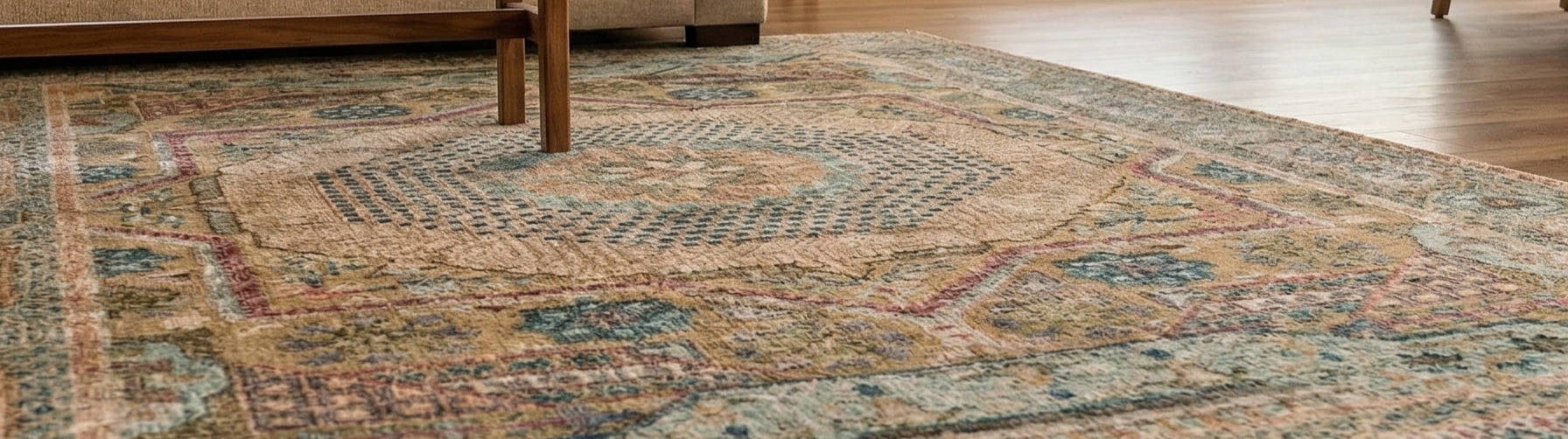
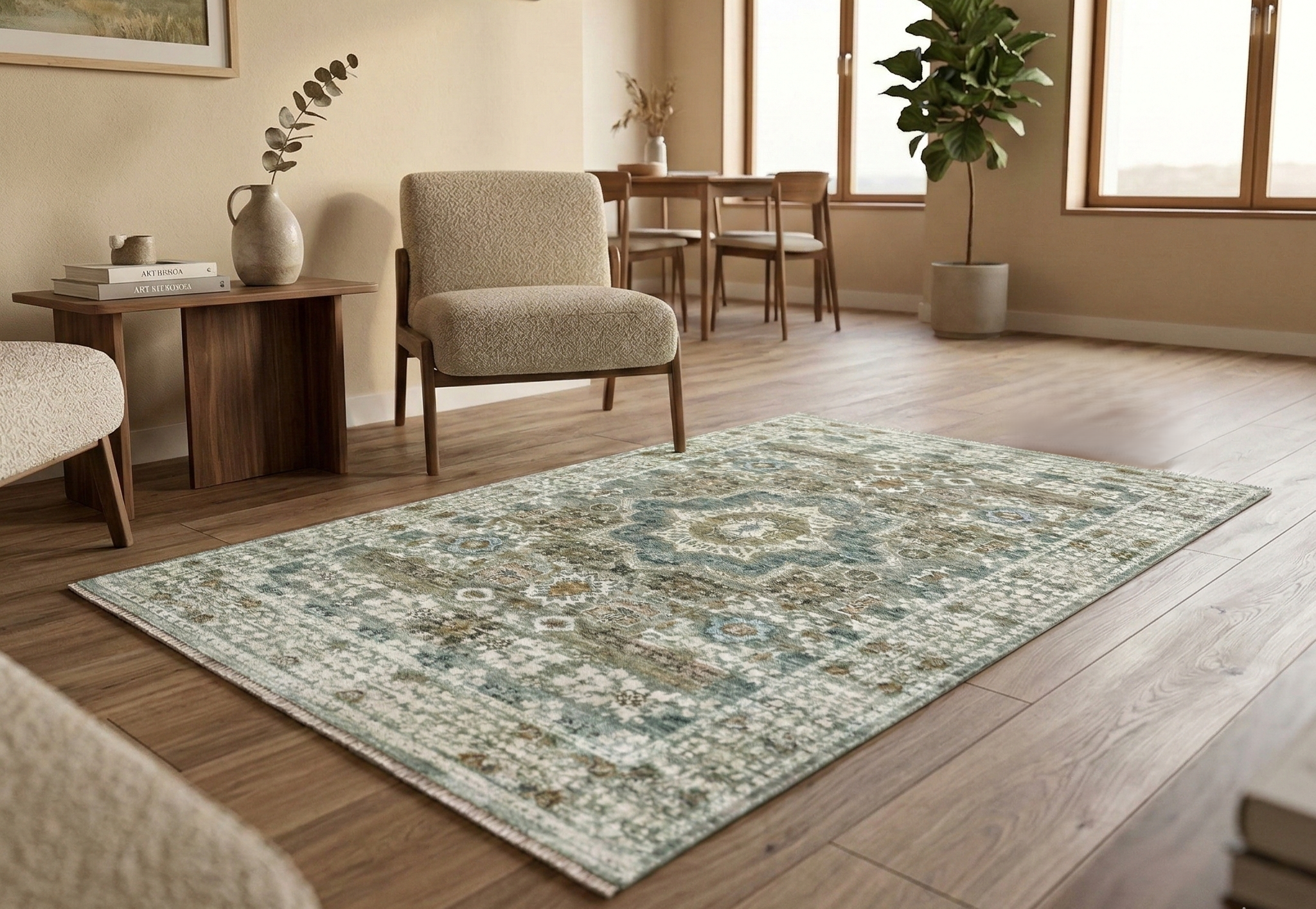
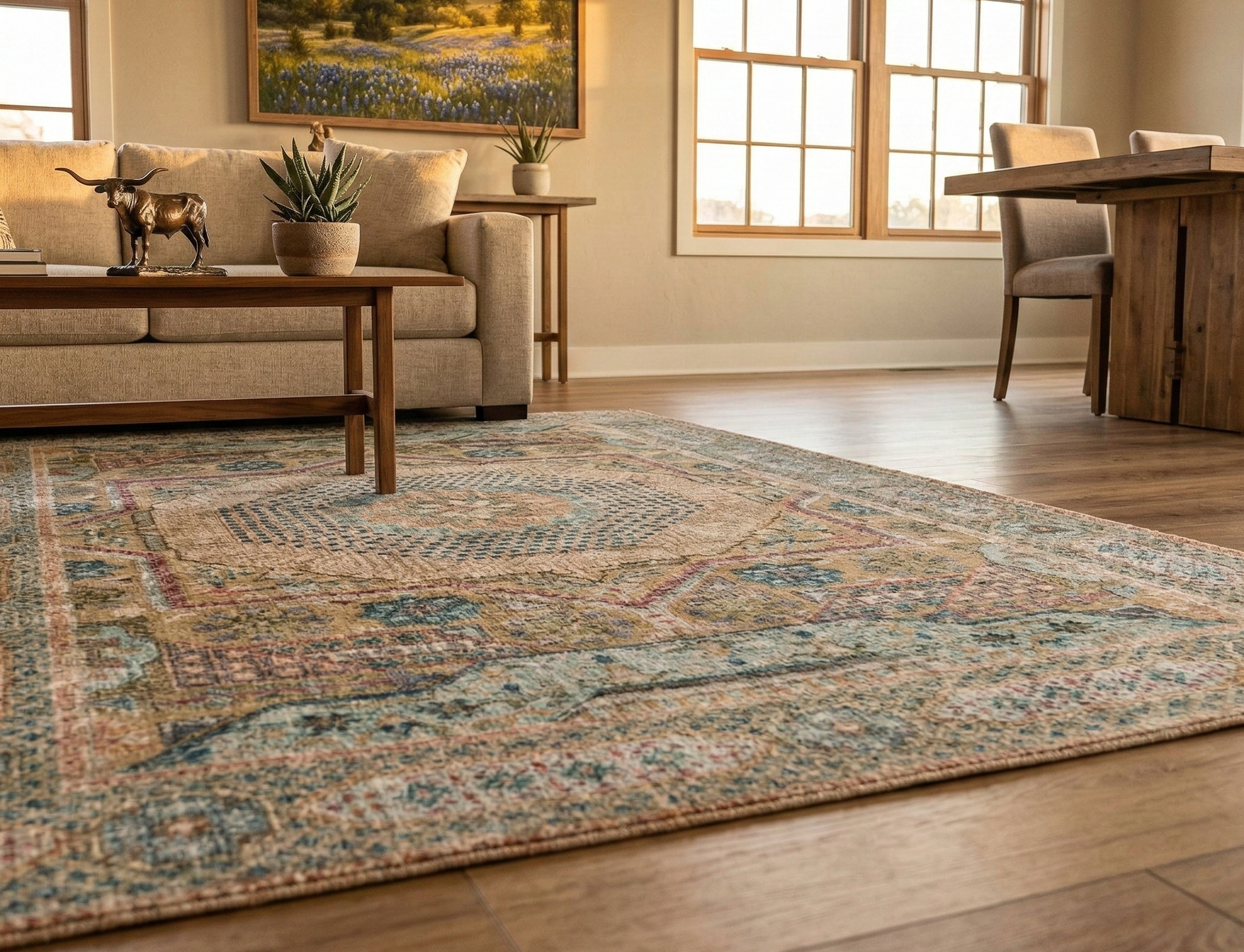
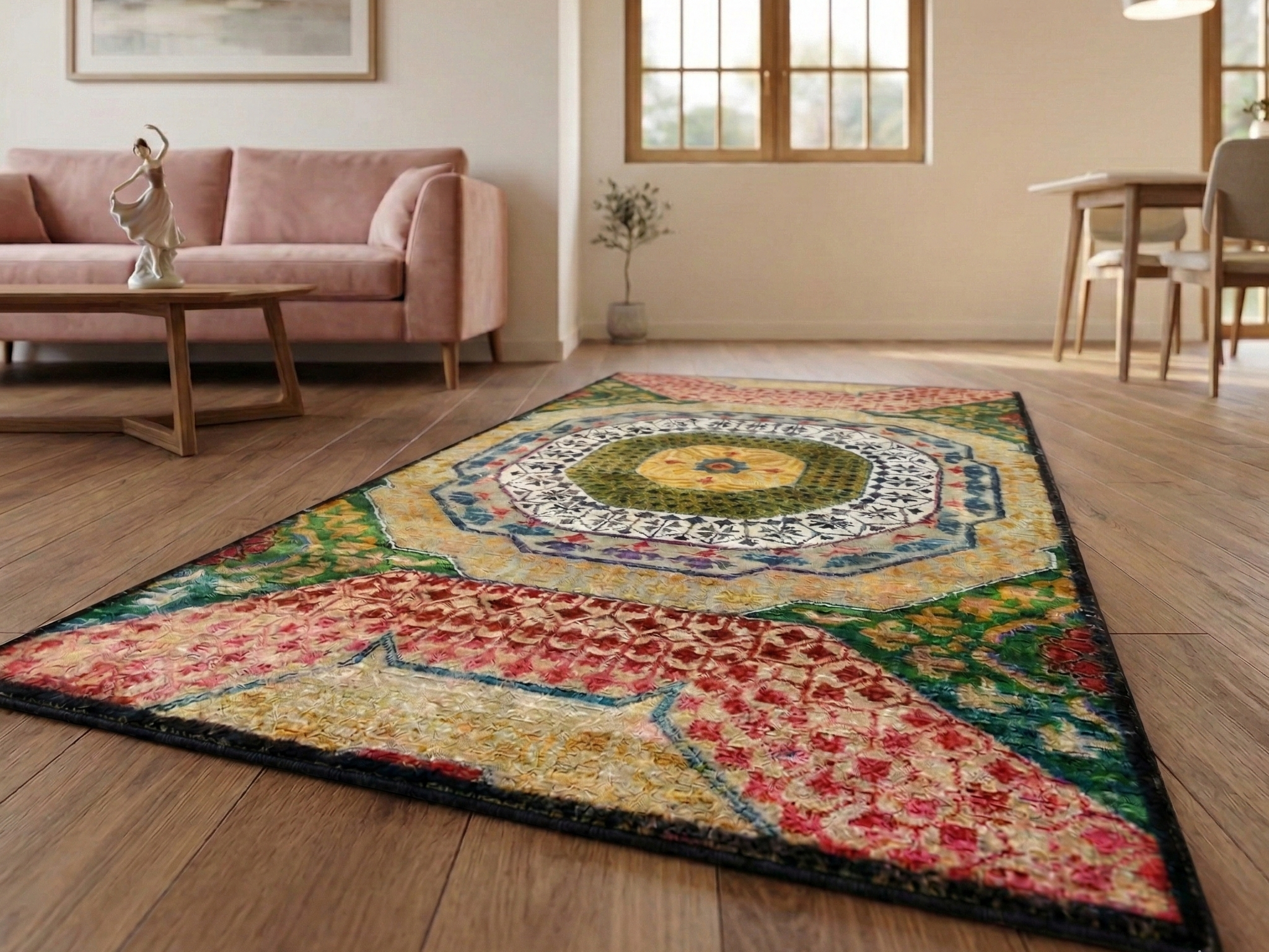
Mamluk Rugs are timeless works of art!

Mamluk Rugs are differentiated from others by their unique Mosaic like intricate designs.


Inspired by original rugs made under the Mamluk Sultan’s dynasty in the years 1250 – 1517, a new Mamluk rug
is made to recreate the quality and look of these prehistoric masterpieces. Only a few fragments and
pieces exist of the original Mamluk rugs, found this days only in museums around the world.

Pistachio Green, Hand Knotted, Pure Wool, Pre Historic 14th Century Influence, Mamluk Design, Natural Dyes, Oriental Rug
This handcrafted Mamluk Design is an original Pure Wool oriental rug. © 1800getarug.com


The exact origin of these rugs is still in a dispute. Though most agree they were probably commissioned and
produced in and around Egypt. Mamluk rugs are generally above average quality relative to other hand knotted rugs, like the ones here.
The colors and wools are rich and fine with lots of saturation. The weave is dense to properly translate such intricate designs.
Sometimes antiquing is applied to give the rug an older vintage look.
The pile of antiqued rugs will be clipped or sheared even shorter to almost the foundation and the colors can be
more muted to give the look of an aged rug that has been exposed to the elements.

Khaki Brown, Hand Knotted, Mamluk Design with Star Medallion, Textured Wool and Silk, Oriental Rug
This handcrafted Mamluk Design is an original Textured Wool and Silk oriental rug. © 1800getarug.com


Like their predecessors these new Mamluk rugs are sure to last generations and get better with age. A
Mamluk rug can fit into both contemporary and traditional spaces, rustic as well as formal. The designs
are often sharp and the antiquing allows them to blend seamlessly with upholstered fabrics and other
elements found in modern décor. Truly timeless works of art!

Parmesan Yellow, Colorful Mamluk Design, Hand Knotted, Sari Silk with Textured Wool, Oriental Rug
This handcrafted Mamluk design is an authentic pure wool oriental rug. © 1800getarug.com


Rug Glossary I

Persian Rugs, Silk Rugs, Needlepoint Rugs, Vegetable Dyes Rugs, Antique rugs and the list goes on and on. How can you choose a rug if you don’t know the difference? So before you head on to the store, here is a Rug Dictionary or a Rug Glossary, weaved by the specialists of:

Aubusson is actually a town in the French region of Creuse. An Aubusson rug is a flat weave, pile less rug, mostly featuring a floral medallion with curvilinear floral borders and soft pastel colors. Aubusson rugs have been famous throughout the world since the 14th Century for their graceful and elegant designs. Our collection consists of the finest handwoven Aubussons, which are made with 100% highest quality lambs wool.

Silk Rugs: Silk fabric was first developed in ancient China and was originally reserved for the Kings for their own use and gifts to others. Today it’s accessible by all and in great demand because of its texture, luster and durability. A silk rug is the most intricate type of handknotted oriental carpet with very fine weave, copious detail and a rich color combination.
In our collection, you will find stunning examples of classic Persian Tabriz, Kashan, Qum, Isfahan and Turkish Hereke patterns at unbeatable prices: These rugs have been the most prestigious European style knotted-pile carpets since early 17th century (Louis XIII). They are made with wool and sometimes silk in the small details, knotted using the Ghiordes knot in purely French designs with the occasional addition of Rococo elements. Our collection consists of the most meticulously woven plush area rugs in all sizes at wholesale prices. So whether you’re looking for a Persian Antique or Semi-Antique, Fine New Oriental Rugs, 19th century European designs or modern area rugs, log on to www.1800getarug.com where you will find a unique collection of beautiful handknotted rugs which is always up to date with color and design.

How to choose a rug? Essential carpet buying tips

Buying a rug might seem like an easy task, just head on to the local rug dealer and choose the rug you like. But actually, there are a few carpet buying tips to consider before you buy a rug and several ways to make sure you get the carpet that will best fit your needs.

Size. Before you go to the store, make sure that you know the size of the room that rug is intended for. Pay close attention to the furniture and consider a reasonable size that will not be too small or too big.

Many stores keep rugs hanging from the ceiling which can be confusing. Ask the salesman to put the rug on the floor. You will be surprised to see how small it looks when you are standing above it.

Feel the rug. Not with your hands, but with your feet. Take off your shoes, your socks and walk on the carpet. This is what it’s meant for and you have to make sure you like the feel of the carpet under your feet.

Remember that dark carpets make rooms look much smaller than they are in reality. Bright colors make rooms look a lot bigger. So color is very important here. If you have a smaller apartment, you might want to consider going for bright colors.

For more information about Persian Rugs, Antique rugs or Semi-Antique, Fine New Oriental Rugs, 19th century European designs or modern area rugs, log on to www.1800getarug.com where you will find a unique collection of beautiful hand-knotted rugs which is always up to date with color and design.

Don’t throw away that old Rug. Bring it in for Rug Restoration

Even though antique rugs stand out as pieces of art, rugs are basically made to walk on. If they were hanging on the walls, rug care and maintenance would be much easier, but rugs are “art on the floor” and we try to do our best to take care of them. Still you cannot really tell what the dog will drag in tomorrow.

In time, some delicate rugs wear out. Some rugs have missing fringes, others have holes where a table’s leg used to stand, and we have seen water damaged rugs and wrap damaged rugs and rugs with vacuum cleaner damage or even bacteria and mold.

But this does not always mean that you have to throw away your rug. That’s the reason rug restoration was invented. Rug repair takes great technical skills, gentle hands and refined eyes.

1800GetARug can help you with your restoration needs. We can repair small to large holes in your rugs, fringes, mending, whatever you need to have done.
And whatever your repair need is – we can handle it at a very fair price. Call us and get a quote. We are located in the New Jersey area, but can handle even a long distance customer. Give us a call at 201-933-4300 and we will work out all the details for you.

If you have any type of question please call and we will be happy to service you!

The Secret Language of Area Rugs

To the untrained shopper, one area rug is like all of the rest. But there is actually a lot to area rugs that the average consumer doesn’t realize. Like, for instance, that there is virtually an area rug glossary, full of terms used to describe the intricacies of the beautiful carpets. Really! There are so many terms describing the aspects of area rugs, and here are a few that you probably don’t already know:

-Abrash: A change or variation in the color of a rug die to the difference in the wool or dye bath. The effect is subtle shading differences, and in older and antique rugs, abrash occurs naturally as a part of the aging process. In new rugs that are designed to look vintage, the abrash effect is created by changing the color of the yarns.

-Overtuft: This term refers to the tufting process done by hand or mechanically in which an already tufted rug has another yarn system tufted through the back of the fabric to develop a pattern on the surface.

-Hand: Tactile qualities of a fabric that includes softness, stiffness, texture, etc.

More Area Rugs Terms

Taking with last week’s theme of area rugs terminology, we’ve found a few more interesting terms specifically regarding the materials and fibers used in the construction of area rugs. By educating yourself on the intricacies of area rugs, you can be a more aware consumer, and end up purchasing the perfect rugs.

Acrylic: This is a man-made fiber with a wool-like appearance. It doesn’t dye as well as nylon, and is said to be slightly less durable.

BCF: This stands for bulked continuous filament. Filament yarns are processed by mechanical methods to fluff them out before the weaving process commences.

Continuous Filament: This refers to nylon or polypropelene yarn made in one long strand that can be woven without further processing.

Polypropelene: synthetic fiber that gets a pigment added to it. It is used specifically in machine made rugs.

Polyester: This synthetic fiber is most often used in staple spun yarns.

Solution Dyed: This way of dying synthetic fiber is special because the pigment is added to the polypropelene/nylon chip before it’s extruded as a filament yarn.

Worsted: Refers to an extra step in wool processing that combs out shorter fibers. It produces durable and lustrous yarns.

Space Dyed: Yarn colored in sections of different colors before being tufted or woven into a rug.

Call 1 800 Get a Rug for the Best Rugs Around!

Before spending your money on anything — electronics, homewares, clothing, etc. — you should know about the company you’re paying. The folks at 1 800 Get a Rug live by this idea, so we’re going to tell you a little about them.

1 800 Get a Rug has been selling the finest oriental and Persian rugs for over two decades now. They’re in constant contact with rug providers in the Far East and have access to the the most exciting new colors and designs in traditional, transitional and modern oriental rugs and carpets. Though they deal mainly with the interior design community as well as other rug vendors, they sell to everyone.

1 800 Get a Rug’s collection of rugs ranges from Persian antique and semi-antique to fine new oriental rugs, including vegetable dye rugs, silk, formal and informal, through European designs from 18th and 19th centuries to beautiful floral motifs that add grace and style to any setting. 1800 Get a Rug has a unique collection of beautiful handknotted rugs which is always up to date with color and design.

Don’t take our word for it; go check out 1 800 Get a Rug’s huge assortment of rugs. Their web site make it super easy to find exactly what you want, whether by color, size, foundation. It won’t be long before you find something you love!