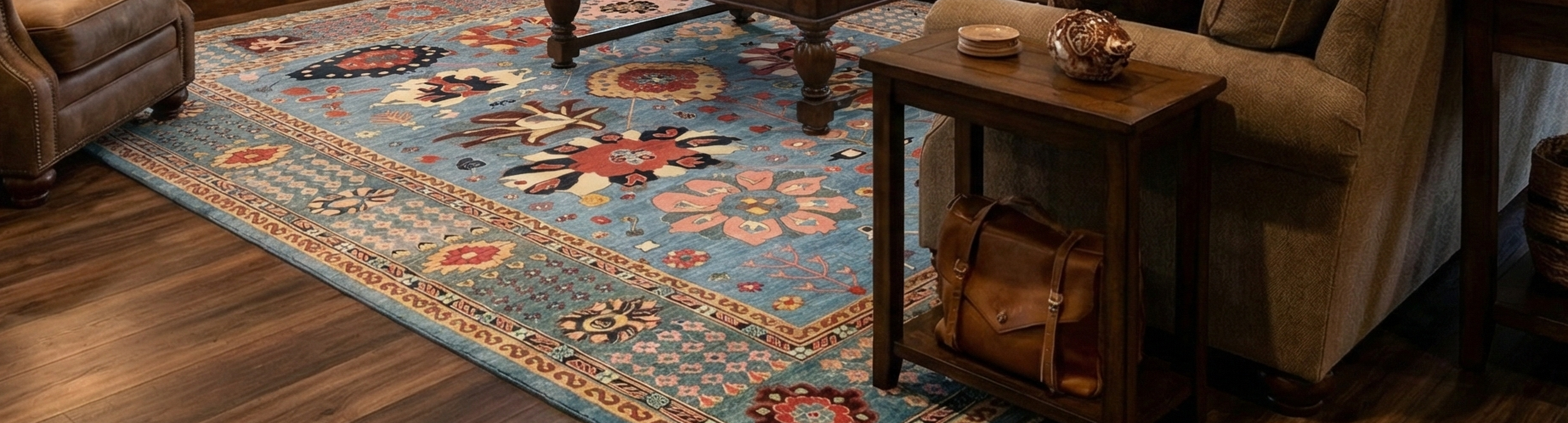
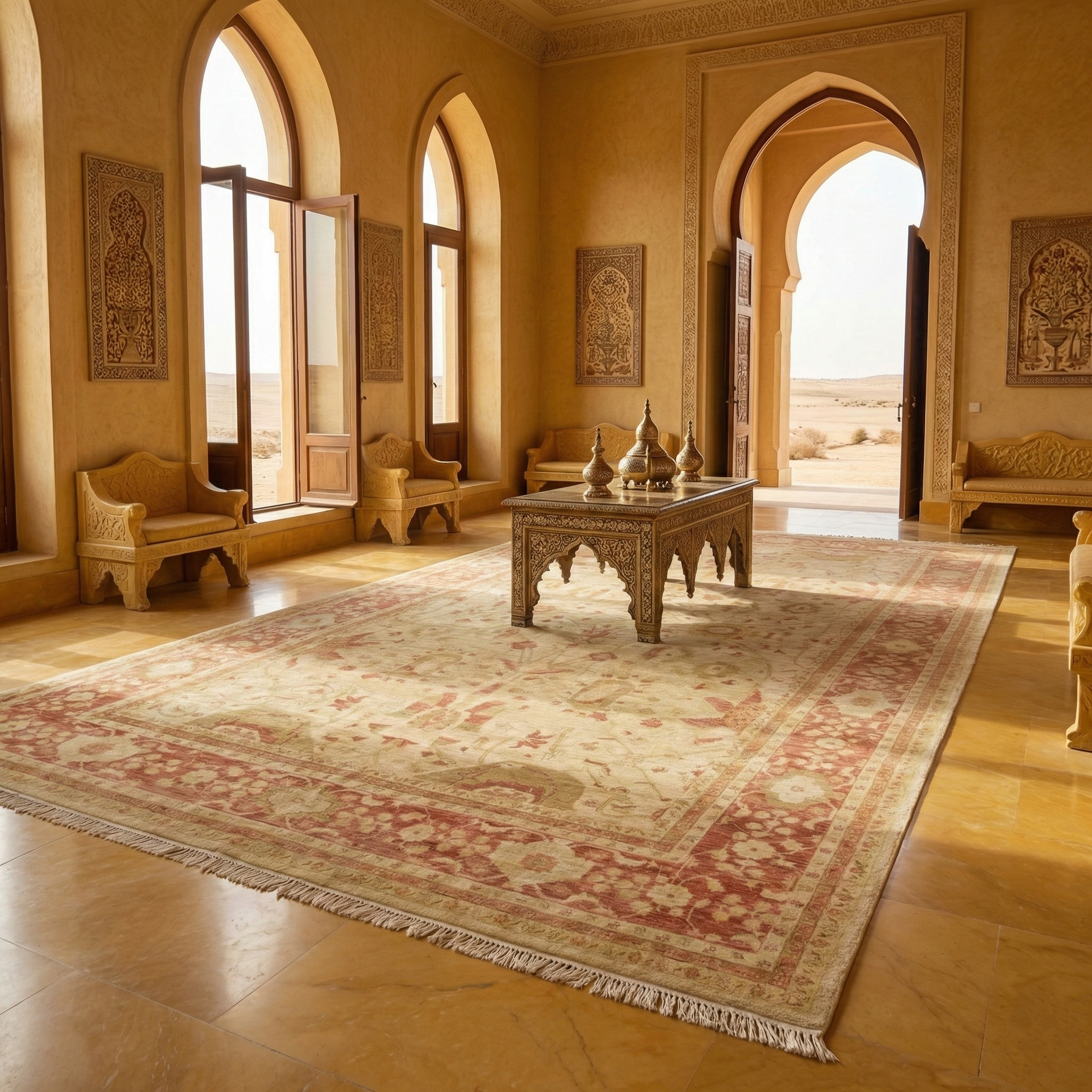
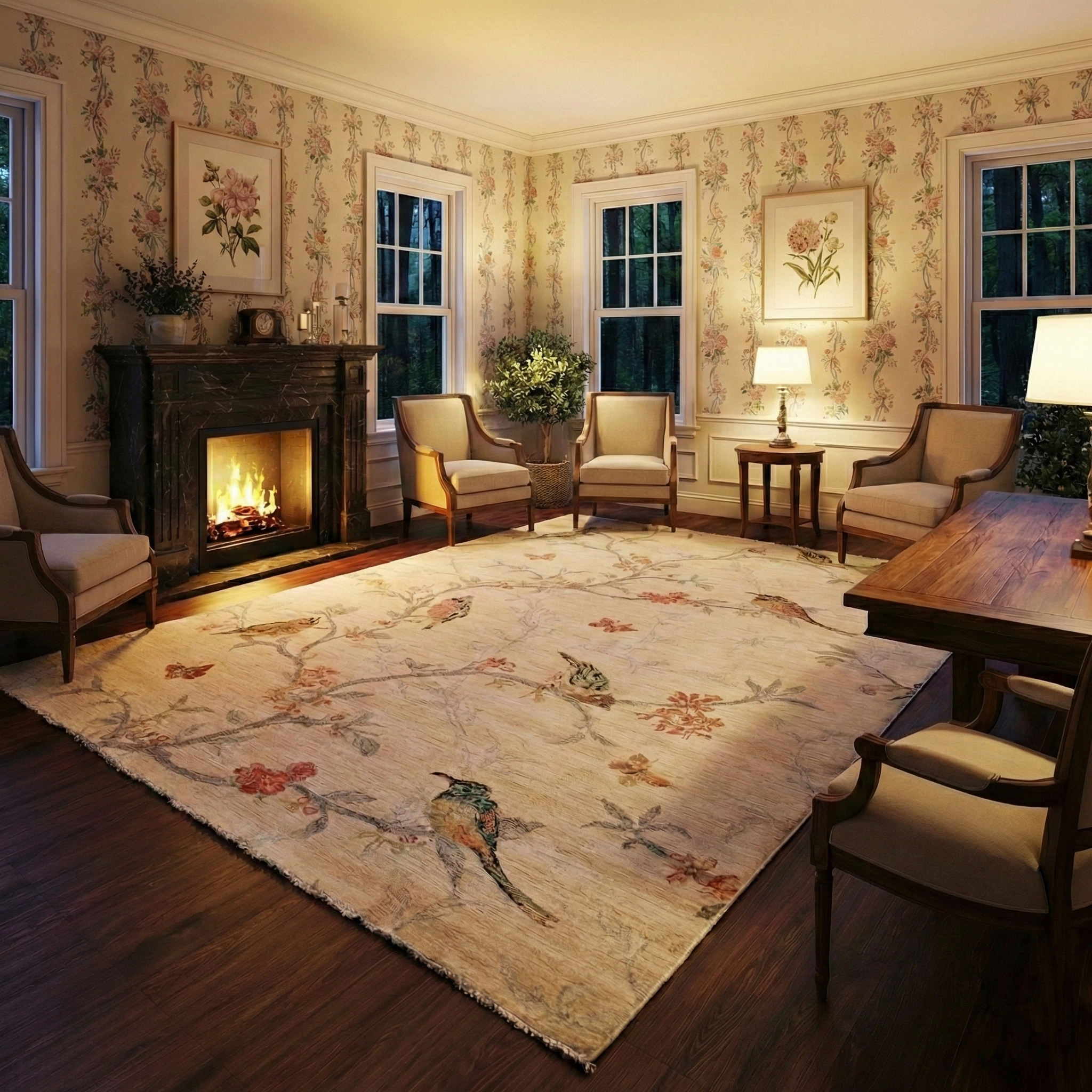
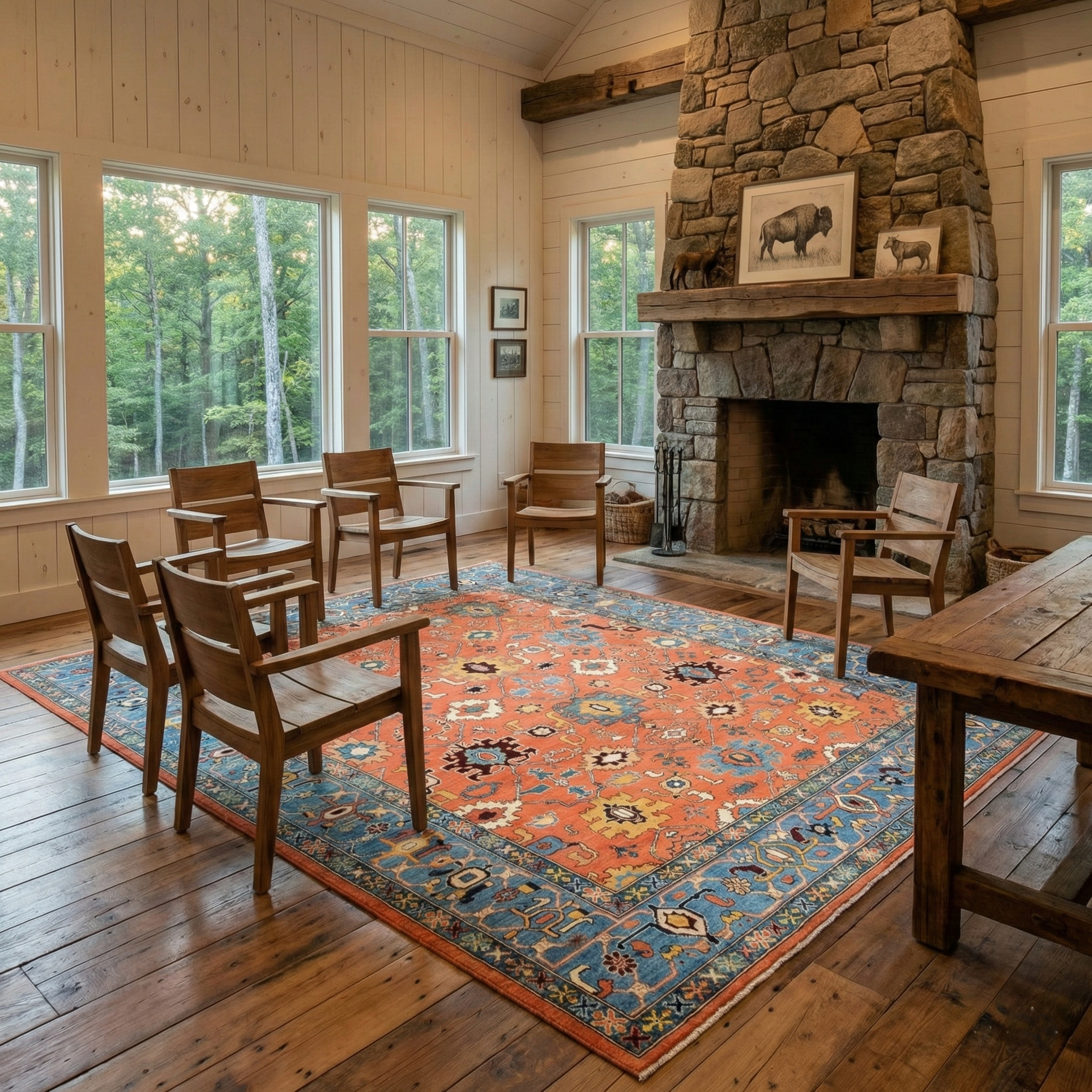
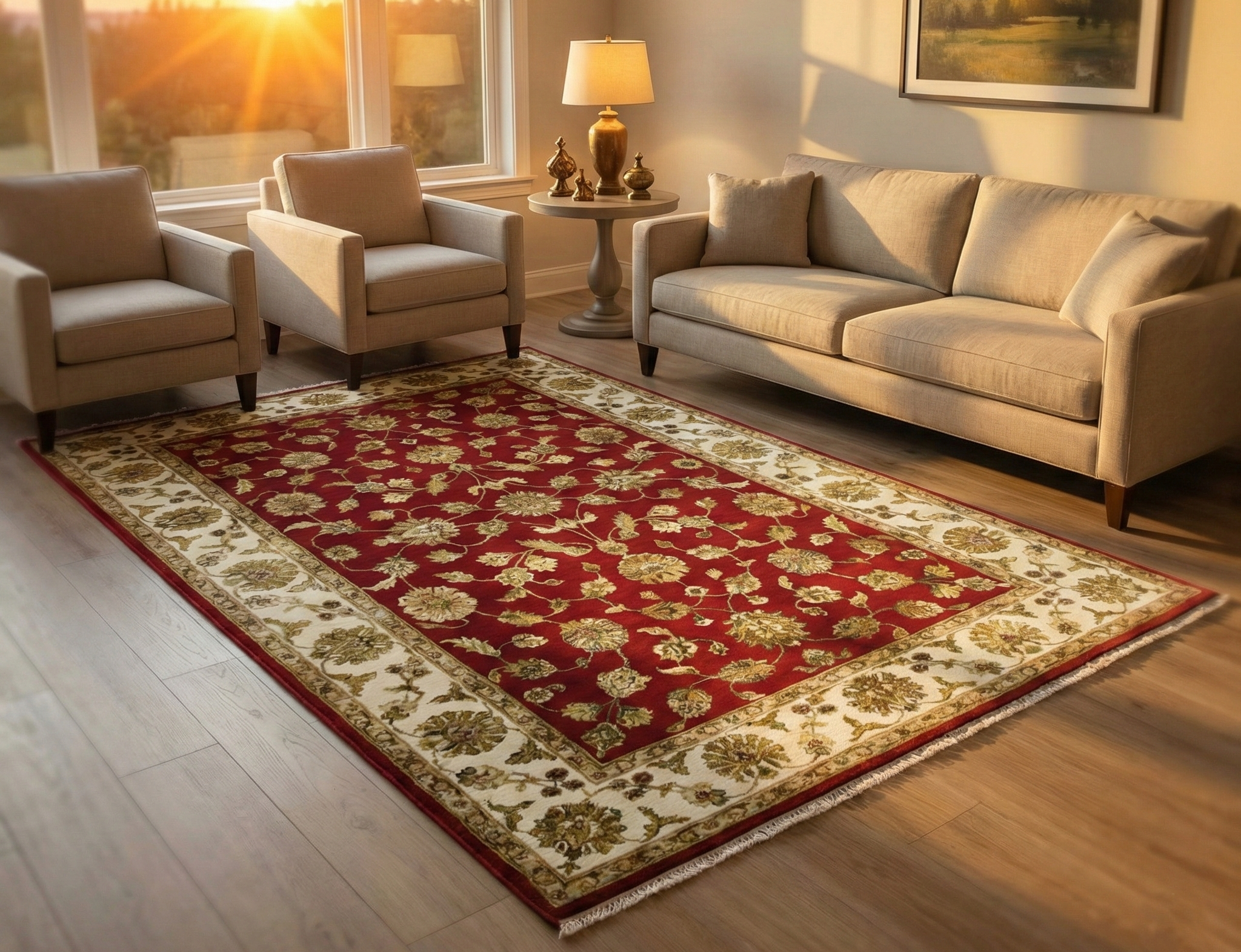
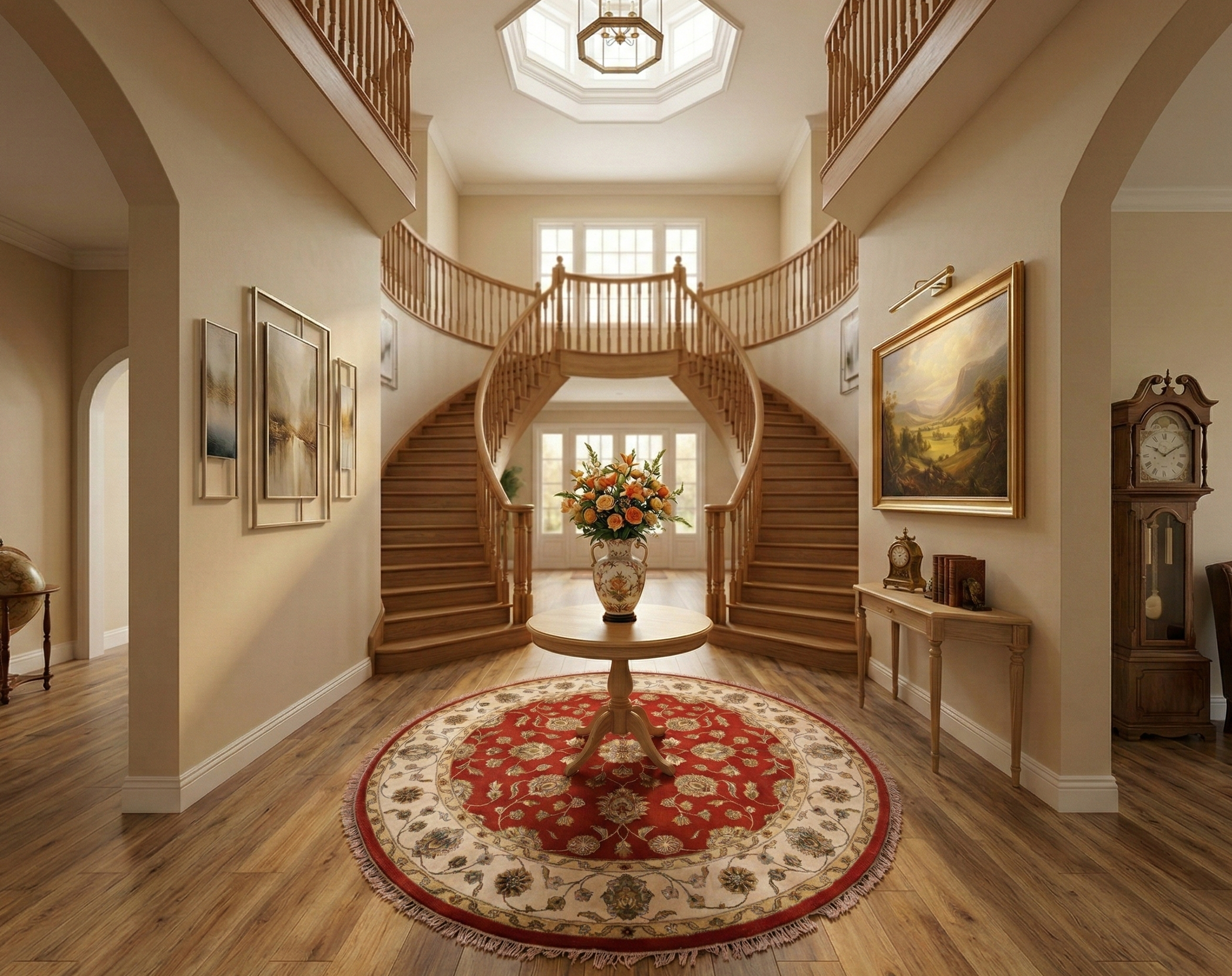
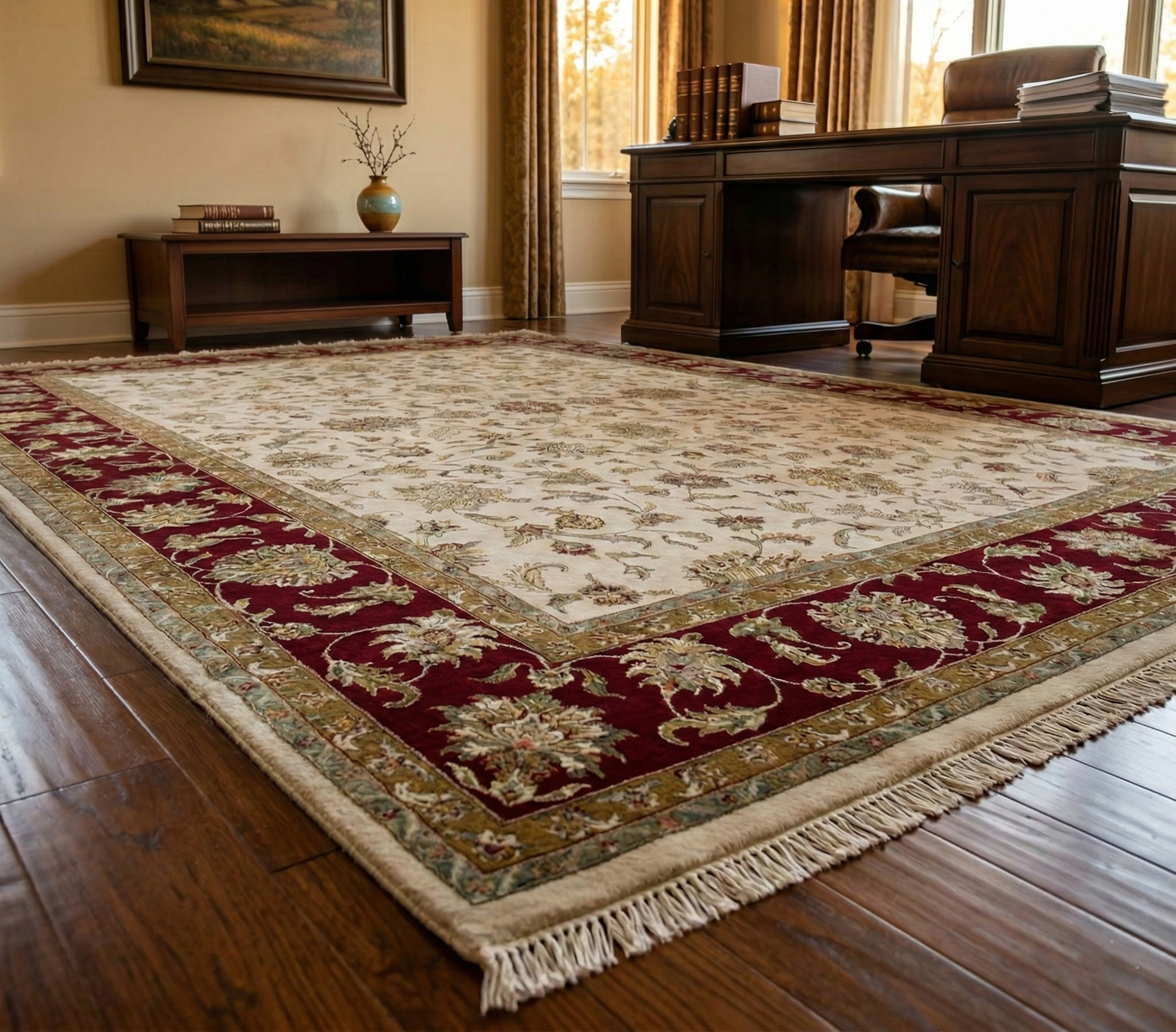
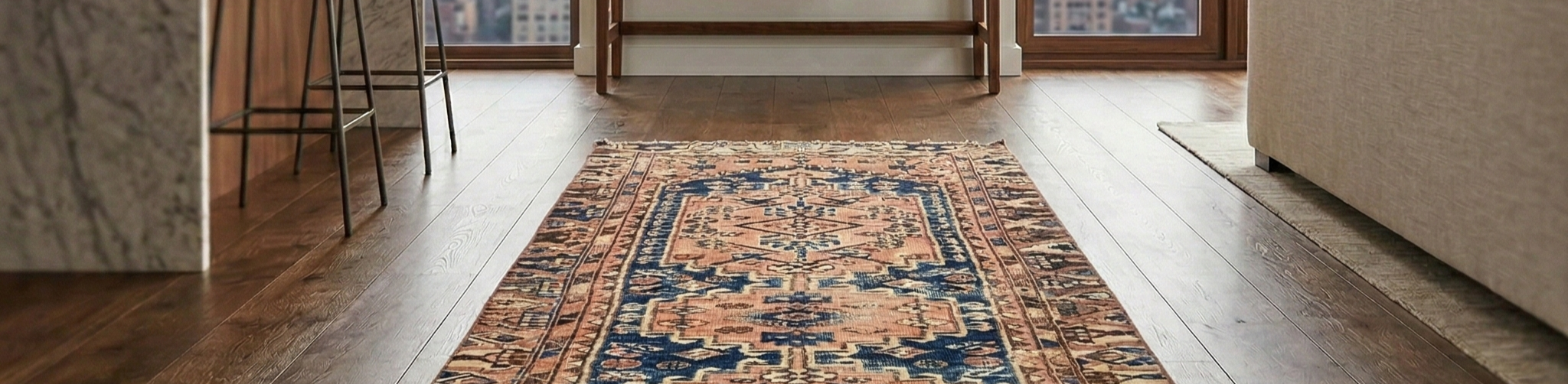
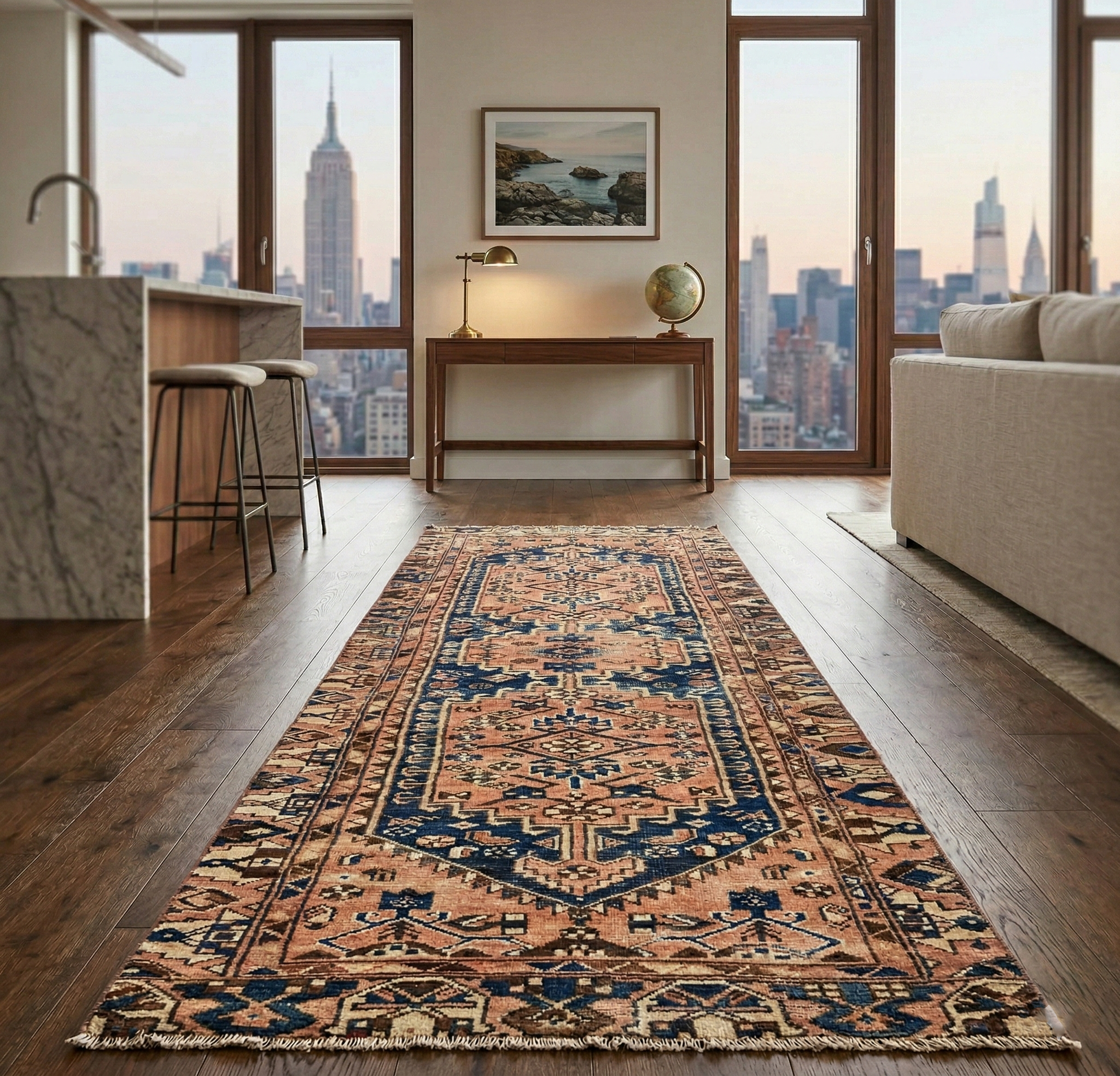
Looking into our rugs is sometimes like looking into the depths of history. The Peshawar rugs take us to one of the greatest depths. One of the epicenters of the great Silk Roads, the city of Peshawar was, quite literally on the map since the 5th century B.C. From the ancient Persians and the Hellenistic descendants of Alexander the Great, to the medieval Mongols and finally the Muslim empires. Peshawar commanded authority throughout the region, housing millions of citizens and invariably creating and absorbing culture for centuries. Some may argue the Mughal era of rule over the region was one of the most successful in last few centuries and has inspired some of the most fascinating and impressive works of art.
Perhaps the best time capsule of this Mughal artistry is the hand-woven Peshawar rug, whose designs evolved through the centuries but with mastery that never dwindled. In the 16th century, emperor Akbar had ordered the construction of rug weaving workshops and fostered the knowledge exchange with the Persian artisans to reinforce the local style. In the 20th, after the crumbling of British colonialism the existing industry simply needed a push from the newly independent government to survive and to flourish.
Traditional Peshawar rugs are always hand-woven, and feature a pure high mountain hand-spun wool pile, although sometimes, in select rugs, fine merino wool is blended in – that makes the rugs look slicker. Occasionally silk is woven in as well, especially if the artist wants to highlight a motif. The weft and warp are cotton, for the strongest support. The resulting rugs are durable and reliable, but are luxurious and extremely soft to the touch.
The design of the rugs, as chronicled in history, is heavily influenced by ancient Persian rug motifs. The colors, usually light and earthy and derived from sun-dried vegetable dyes, give the rugs its characteristic antique and washed-out look. But whether they are stonewashed and have their piles cut shorter, or the modernist take will have the colors pop, you are sure to be mesmerized by the deep richness and artistry that are the Peshawar rugs.
Trying to explain or understand what makes certain antique carpets more valuable than others is an elaborate and difficult task. One must try to strike a balance between quantifiable measures such as market precedent, market trends, condition and rarity and less objective values such as personal taste, provenance and aesthetic and chromatic quality.
In the field of antique Persian carpets, before we make any judgement about rarity and aesthetic quality, it is important to have a brief understanding of how material quality can inform and affect judgements on value. This in turn means that we must have some idea about how carpets have been made in Iran historically as material quality is relative to the area in which it was made.
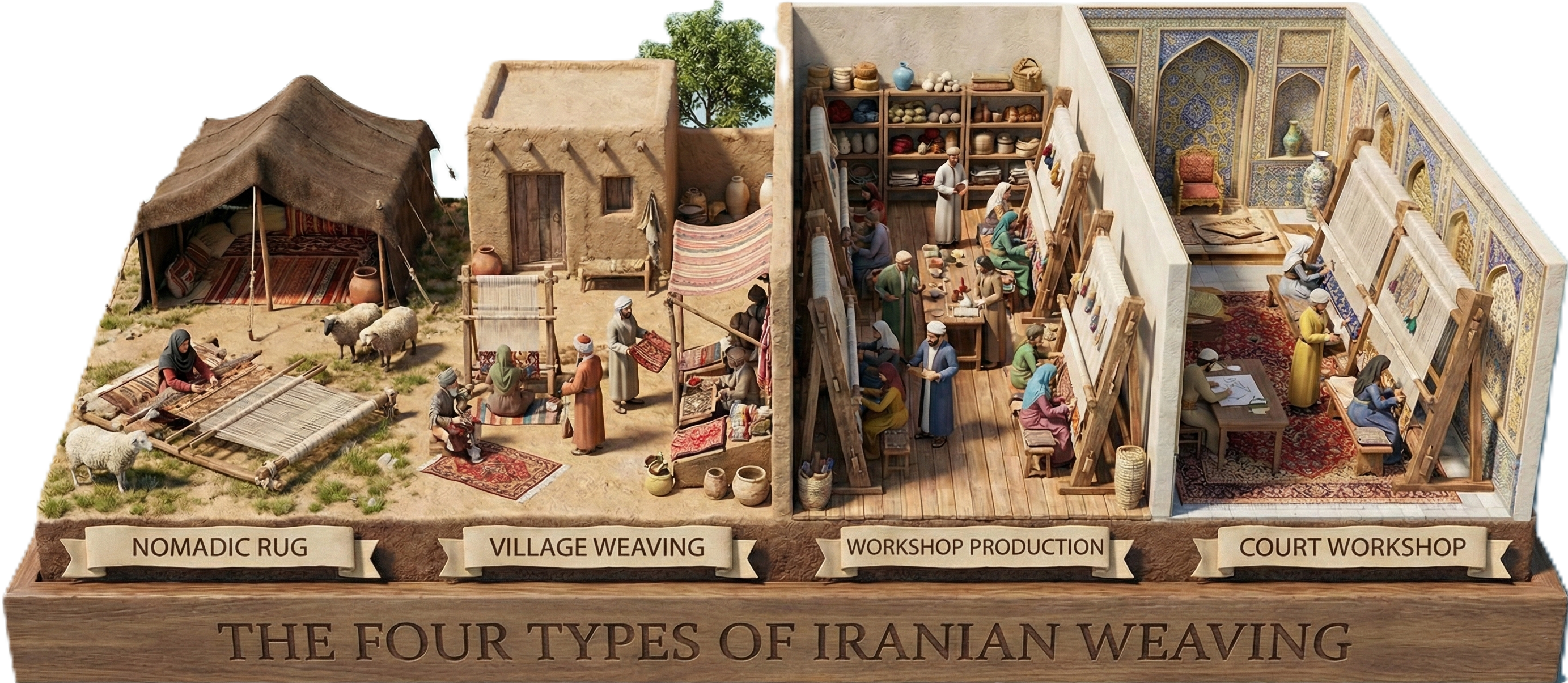
There are four types of weavings made in Iran: the first is a nomadic rug made by tribal people for their own consumption or use; the second is a village weaving made for local use but also sold at the bazar as a source of additional income; the third is organised workshop production where designs and materials are given to a weaver to create under supervision; and the last is the court atelier or workshop with exclusive access to the best dyes, materials, designers and weavers.
The first two create rugs that reflect the women weavers own color and design preferences, and may well be individual in character and express the unfiltered artistic vision of the weaver. The third type of rug has a more formal aesthetic and reflects precise and well-articulated design and color preferences. While the workshop represents skilled craftspeople making items for sale, there are obviously different levels within this category ranging from loosely woven rugs made in villages out of wool through to important workshops with named designers using silk, the finest and most expensive wool as well as very high knot densities. It is important to note that while fineness of weave can affect the value of a rug, that is not to say that all fine rugs are necessarily valuable.
The final category of court workshop represents an exclusive class of weavings that are extremely rare and sought after since they only came into existence during the reign of the Safavid dynasty in Iran (1501-1736). Workshops were set up within the court weaving exclusively for the Shah, setting standards for colour and quality and using designs created by the greatest artists of the day. In the late 17th century, the court dissolved these in-house ateliers and began to buy from a selection of private workshops, which were commissioned rather than directly employed by the Shah. While court carpets from the 16th and 17th century are bought by museum and collectors, the practice of court and royal patronage, both nationally and regionally, remained a significant factor in terms of quality and innovation in the Persian carpet industry until the 20th century.
While the quality of wool, weave, natural or chemical dyes are all important indicators of value within each of these levels of production, it is difficult to draw direct comparisons across the categories. How can you meaningfully compare the material quality of a long-pile tribal rug made to protect against cold with very minimal design and colours with a silk rug made in a city workshop for use at a wedding ceremony with a design of a tree of life? Critical judgement and any realistic assessment of value for antique Persian carpets is therefore relative to the type of rug, and recognising how it was made before values associated with material quality can be allied.
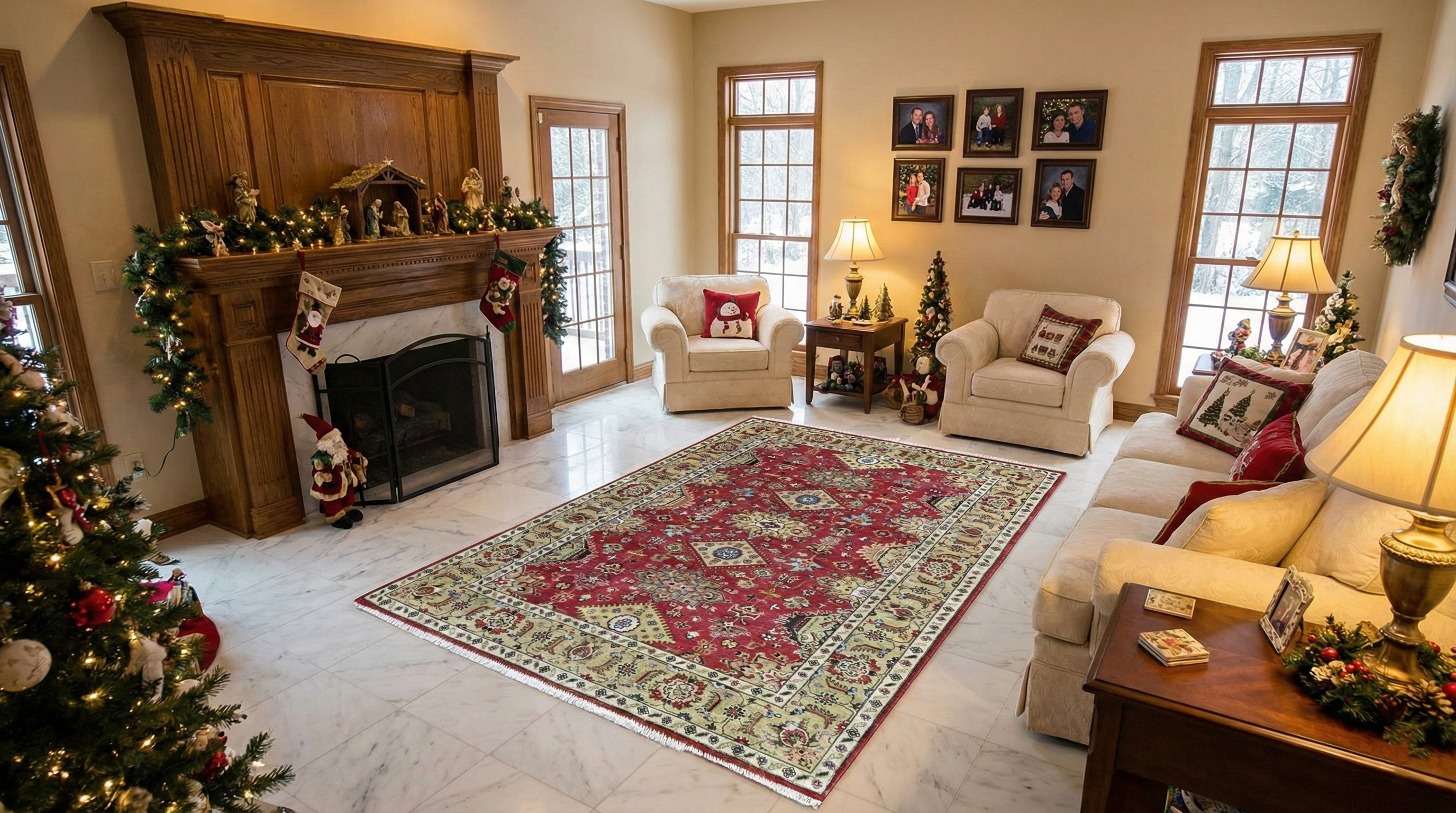
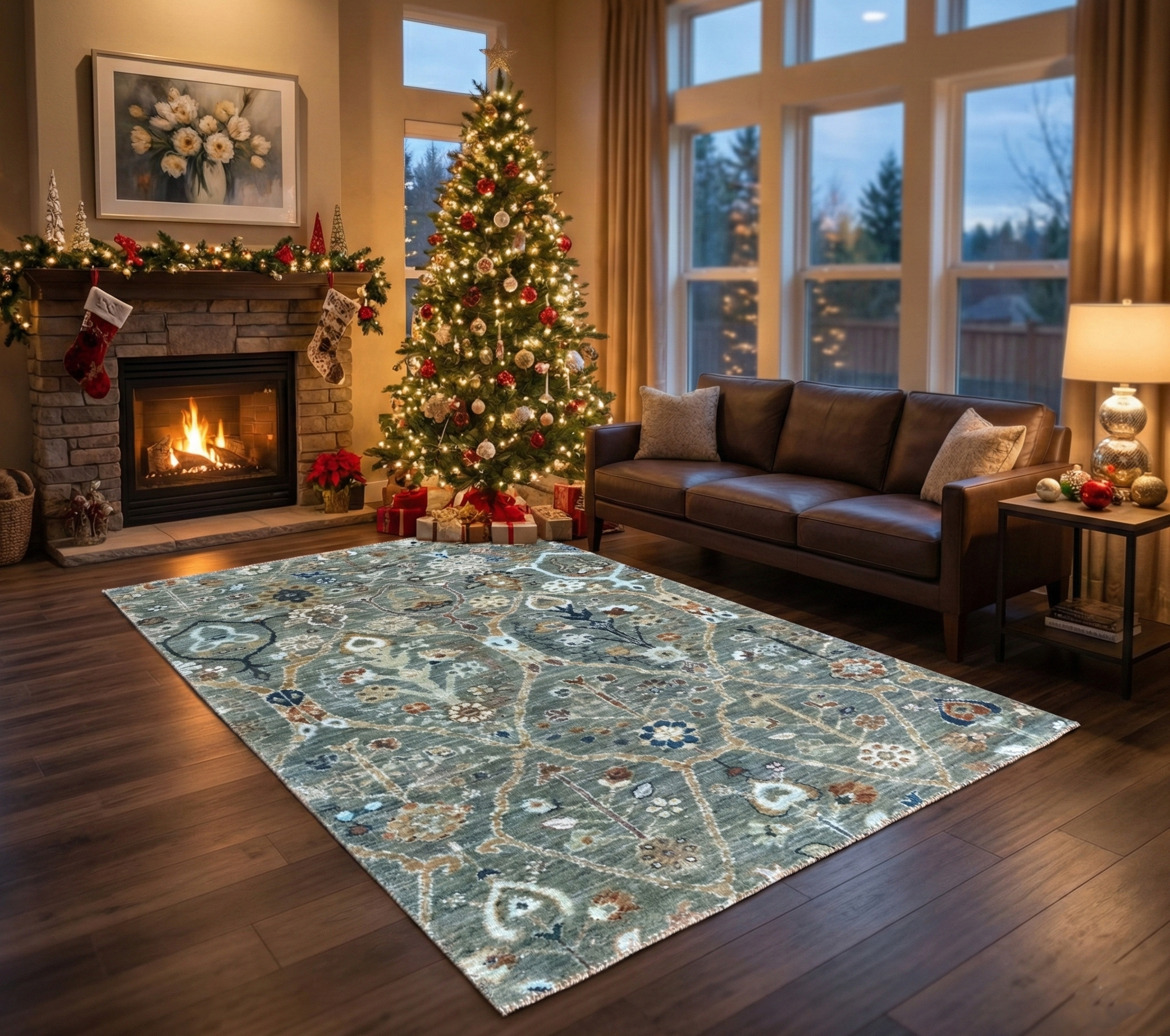
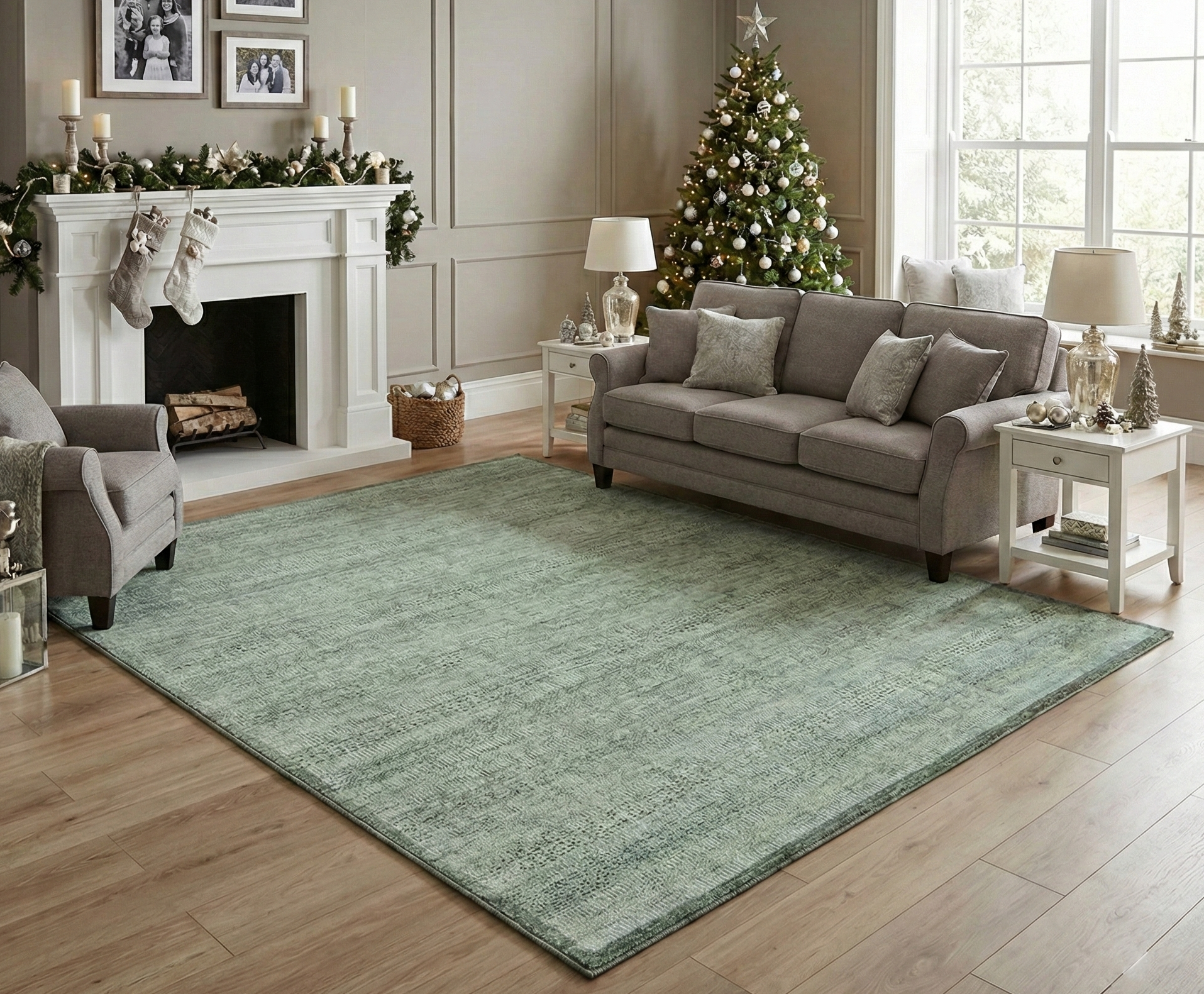
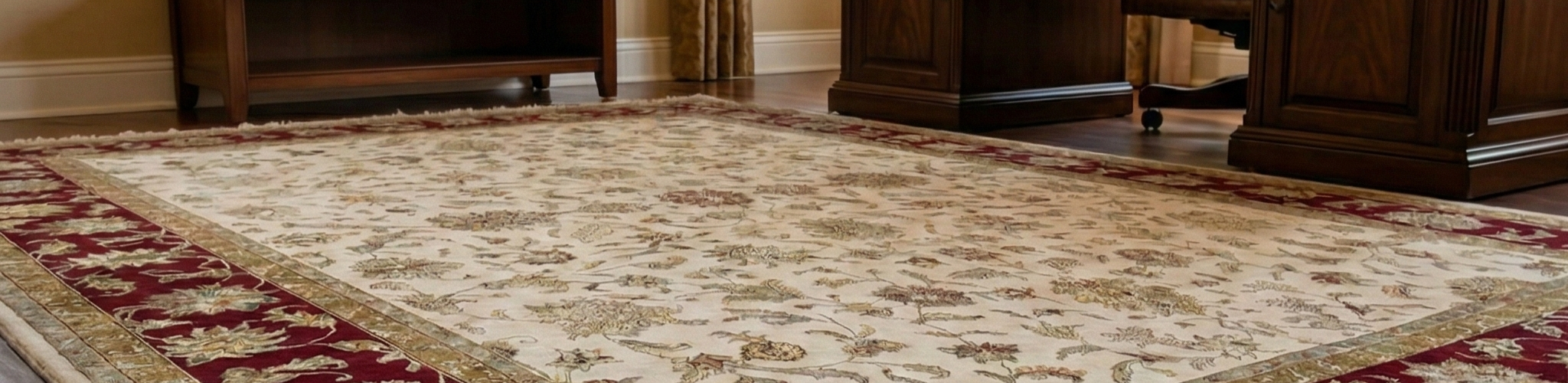
Rugs are a sign of comfort and magnificence, because they symbolize family standards and tradition. Every hand knotted rug is surely a work of art; they soothe your aesthetic and visual senses as if you were looking at a marvelous item, something hypnotizing. They make you feel cozy and yet passionate about your home. Hand knotted rugs are the emblem of admiration as they take tremendous amount of time to elaborate, this are not plastic or electronic garbage but a truly man made livelihood. On a very long day you can sit and look around your favorite room of the house and stare at the balance that comes from the rug itself, just lay down on the floor making its statement of traditional art. And this is why these silk and wool knotted rugs are also a splendid way of living. Persian carpets are in fact are made of a major portion of a family heritage and trade evolution. They are shared among generations, rugs are trade for a living, rug dealers are a some of the highest earners in the textile industry. These rugs become especially obvious when it is holiday time because the greatest gift of all is a true Persian rug. Decorating your home with the appropriate type of rug will not only add the charisma in the interior decoration, but will also make your guests admire your sense of beauty and selection, when speaking about Funct-Shui
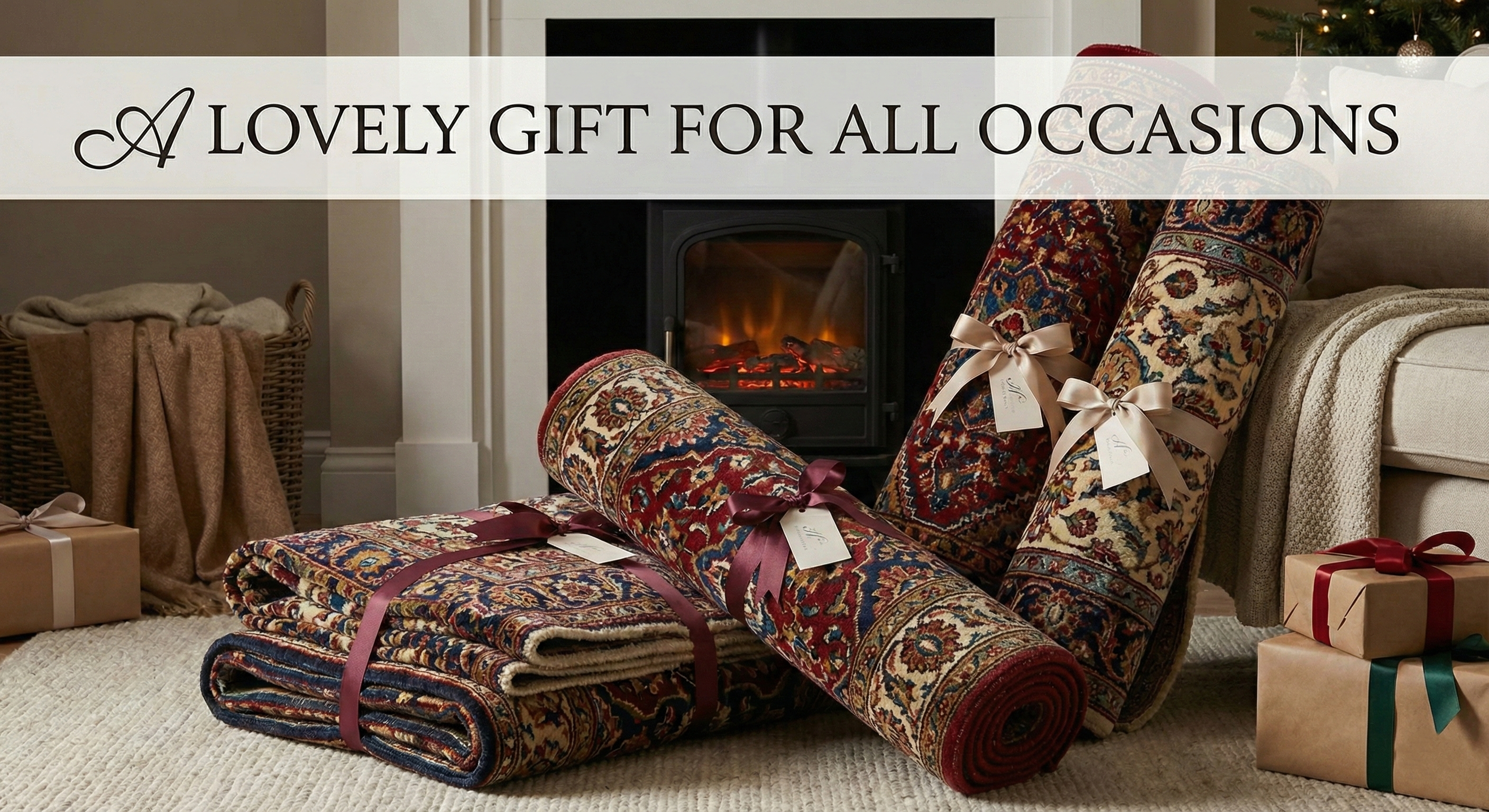
Hand knotted Rug – a lovely Gift for all occasions
Hand knotted rugs are sold widely across the United States but since the colors vary greatly and the sizes could be a big shipment item, choosing the perfect rug as a gift is quite a challenge, so your best bed would be to take a closer look and see who are the legitimate importers of rugs. There are very limited websites that sell rugs and one that is highly recommended because of its excellent reviews on Ebay and Ekomi is 1800getarug.com with it’s great selection of Persian rugs. None can deny that 1800getarug.com also have the lowest price guaranteed. Rugs are not for those who don’t have the cash, think about it this way, a rug is like gold it never loses it’s value and who know?, perhaps in the future your rug will be found frozen on your backyard and be added to a museum. If you want to give someone a gift that is not only luxurious, but its also a jaw dropper, you can gift that very special person a beautiful hand knotted Persian, or modern rug. Just keep in mind that you don’t want to intrude in their home and just change it, remember that there are boundaries when giving someone a gift. Moreover, if you are expecting guests at your place in this holiday season, open up your home in and pick a faultless rug which will make your visitors cherish the whole fun time of holidays in an unforgettable way.
When the holiday season comes and all the family is sitting on these rugs, they will sense a warm feeling, particularly helpful in the chilly and snowy regions of the world. So, despite their belief of being just another cheap decoration in the house, children or pets will love these rugs and the rugs won’t care because they are hand-made with a very durable and tough fabric.
Traditional Families – conventional values for spending holidays
Traditional rugs include various motifs, patterns, and styles. The most common categories are Turkish rugs, Persian rugs and Afgani Rugs. So based on the type of holiday you are planning for, traditional rugs can add value to your home. The traditional hand knotted rugs add magnificence, sumptuousness and affluence to Victorian styled houses.
Transitional Rugs a good choice for your holiday gatherings
Transitional rugs can add a magnificent effect to your sitting rooms and in case your guest list contains a mix of friends which include, both long-established as well as present-day trendy followers, then
transitional rugs are the probably best choice for you. They hold the traditional characteristics of rug making with distinct colors and designs.
Contemporary rugs make the modern families enjoy the holidays:
Old décor is not always the option when celebrating the holidays. Somewhere I might decide to have a white Christmas tree with purple ornaments, which would then call upon a modern Overdyed colored rug! Yes something like it. The belief that your contemporary styled homes are much better in comparison to transitional and traditional home, is quite a debate, as Modern houses are much easier to maintain. According to most designers a very important fact in the room décor are the rugs and carpets. In case you really want to arrange your living room together, it will then require paying close consideration to the choice of floor ornament. Rugs are accessories to maintain a colorful outlook of your rooms. They define the overall appearance of your room.
Holidays are the best and the most memorable time, because you get precious moments with family. Whether on these holidays you are planning to invite your friend or you will be the host, rugs and carpets will add glamour and style to your interior, so put a long lasting impression which can be recalled even after years, purchase a new rug for the holidays.
For all the rug and carpet lovers, Rajasthan rugs may captivate their aesthetic and artistic sense. Rug and carpets are one of the largest industries of Rajasthan, India, where thousands of people, both men and women are related to this industry.
Rajasthan rugs are known for the thick and wooly structures which come in a number of different colors and motives. The rug industry of Rajasthan has started experiencing a boom in 1950,s. Since then Rajasthan rugs compose a major portion of exports of India. These rugs are exported to a number of different countries around the globe. The Rajasthan rugs have become a formal export of the country because of the efforts of a young entrepreneur named Nand Kishore Chaudhary, who being fascinated by the business of carpets, set out new standards for Rajasthan Rugs. He was of the belief that the artisan, both men and women, who perform the tiresome task of weaving these rugs and carpets must be paid according to their hard work. He started his work with 9 artisans and two looms in 1978. This network has now extended to abut forty thousand artisans who make fabulous Rajasthan rugs to be exported all over the world. So Kishore is regarded as a great leader because of his unprecedented efforts for uplifting of Rajasthan rugs.
The most commonly used materials in Rajasthan rugs include jute, silk, wool and cotton. These rugs are made both on hand operated and automated looms. In Rajasthan the carpet weaving has become the major source of income for almost half of the population. Greater than men, women form a major workforce for the Rajasthan rugs.
You can get the maximum information about all the history related to rugs and carpets and the major types at www.1800getarug.com. Visit the page and get the most authentic information about eye catching rugs and carpets and get the one for your rooms.
Rugs and carpets add utility and fabulous artistic touch to any space, including living rooms and sitting rooms. Rugs and carpet industry is one of the vast and wide industries which is supported by a large customer base all over the globe. All the geographical states where rugs and carpet industries are progressing, earn a lot of export benefit because of increasing demand of rugs and carpets in different parts of the world. It is because of this progression that the consumers of the rug industry are being benefited from a large variety of rugs available in the market.
Meshed rugs are one of the most classical and traditional categories of rugs. With the primitive history dating back to the 15th century meshed rugs have been because of their origin from Meshed, a city in Northeastern part of Persia. In 1550, the first meshed rug was woven in the form of prayer rug and was known as the Perez Topaki prayer rug. Since this early beginning Meshed rugs have taken a prominent place in the rug industry. Owing to the name of Meshed, a city in Persia, Meshed rugs have been woven for the first time in Meshed and then the story began with continuous improvement. This city is now considered as the main hub of Persian carpet industry. Thousands of women and men are associated with this flourishing industry. This is one of the most flourishing home based industries in Persia, where many of the household women weave these classy rugs at home. All the weaving and dyeing procedures are carried out at home. But no one can challenge the delicacy of these carpets, as they are unique and classy. Some of the earliest pieces of Meshed rugs are found in some of the biggest museums of Persia. This is because other historical and traditional worth of these masterpieces.
The meshed rugs have a cotton wool base for weaving of the rugs and carpets. Some of the best cattle are reared in different village areas of Persia to get wool for the meshed rugs. The looms for these rugs are mostly setup at the countryside. The delicate knots of these rugs are the major attractive features of these rugs. The knot count may vary, however a rug with greater knot count is considered more valuable and worthy. The workshop at Persia for making of Meshed rugs is the main export hubs for the carpet industry of Persia. The importance of the rug industry in Persia can be depicted from the fact that Persia owns a complete museum for different historical and traditional rug piece. Based in Tehran the carpet museum has some exclusive pieces of Meshed rugs.
Meshed carpets have sixteen points symmetry, where patterns are woven across this symmetry. The most commonly used colors for dyeing of Meshed carpets include dark red and purple. Although the meshed carpets are the traditional patterns, however, some of the artisans have gained mastery in adding the modern patterns in these traditional categories of rugs. Some of the exclusive meshed rugs are also placed in the royal palaces and castles, which shows their exceptional worth.
This was some brief historical review about the Meshed carpets; if you want to know more about this outclass creation of artisans you can visit www.1800getarug.com. All the exclusive information and the picture gallery for rugs and carpets are not just few clicks away.
While considering any kind of interior decoration, you can never consider your interior complete without a carpet or rug. Rugs add delicacy and style to the spaces, whether commercial or household. A fine selection of rug or any carpet piece can help you to enhance the charisma of your living rooms. Rugs are manufactured in a vast variety where the weaving techniques and patterns may vary. However, because of this variety a number of consumers of rugs and carpet industry, all over the world, are entertained with the best collection of rugs and carpets. So whatever the personal preference or taste is you have, the rug according to your choice.
A marvelous rug collection can be to select the Souj Boulak Rugs. These rugs are the discoveries of the magnificent Persian rug industry. The Souj Boulak is the ancient type of Persian rugs with a history dating back to 15th century. Some of the ancient pieces of Souj Boulak rugs made in 1550’s are placed in the art gallery of Persia to praise those ancient artisans. Since the very early toes Persia has been striving for getting prominent position in the world’s rug market. It has become successful in achieving this goal, because of the highly skilled artisans who are employed in a number of home based workshops for weaving Souj Boulak. The term Souj Boulak is sometimes used interchangeably with the Antique rugs, showing the old history of this collection of rugs. The modern day Souj Boulak are based on the weaving patterns and symmetry that was practiced in the old times. Although the looming setups and weaving technologies have developed a lot, yet the Souj Boulak rug represents a particular antique pattern of the rug. The Souj Boulak rugs are exported to a number of different countries all over the globe and liked in different cultural settings.
The traditional looms used in the inception of rug industry in Persia were mostly hand driven. Especially the making of Souj Boulak Rugs involved a great number of skilled artisans and workforce. One of the most prominent features of the Souj Boulak Rug making is the involvement of a large number of women in the rug industry. These women mostly belong to the native villages where rug workshops or looms are established. So to provide the employment opportunities to the native villagers a number of women and men are trained to get involved in the rug making including the Souj Boulak Rug.
The major types of materials used in the making of Souj Boulak rug include the cotton based wool and silk. The original designs of Souj Boulak are based on a traditional layout with central and border motives. The color and dyeing procedures are very diverse using dark red and black colors for dyeing. Among the original patterns of Souj Boulak the most popular designs are Kurdish Souj Boulak and the antique Souj Boulak. These delicate masterpieces are present in a number of art galleries and museums as well as in some royal settings and palaces.
If you are also interested in knowing more about the traditional and historical backgrounds of different types of rugs and carpets, you can visit this page. Knowing about the rich history of these marvelous man made pieces is always hilarious. Souj Boulak is one of the enchanting historical pieces of rugs and carpets that cherish a rich and deep history.
You will feel captivation towards these distinguishing rugs. If you want to get more about all types of rugs and carpets you can visit www.1800getarug.com, to enhance your knowledge about all types of rugs and carpets.
The Persian Rug is more than just a decorative piece. Rugs and carpets are a vital part of the Iranian culture. It’s also interesting to know that rug weaving is an honorable occupation in the Persian culture – only last year Iran exported more than 400 million dollars worth of hand made rugs and it’s Iran’s largest export after… oil!
You can imagine that rug weaving is pretty complicated. Depending on size, quality and the pattern of the carpet, it can take up to a few years to make a rug. When knotting a rug, the weaver creates detailed and complicated patterns; as rug weavers can create thousands of patterned knots in each day.
Sounds like much of a hassle over something that a machine can do in a matter of minutes. Well, there are machine rugs which might look like Persian rugs but there is no real knotting involved and as in most of machine made products – these rugs are made from industrial materials and synthetic fibers that can not match the true beauty and quality of a handmade rug.
If you’re interested in seeing the magic of weaving – it’s fairly simple. All you have to do is visit Tabriz – the center of carpet production in Persia. Here is a glimpse at the process of weaving an Oriental rug in Turkey:
For more information about Persian Antique or Semi-Antique, Fine New Oriental Rugs, 19th century European designs or modern area rugs, log on to www.1800getarug.com where you will find a unique collection of beautiful hand-knotted rugs which is always up to date with color and design.
If you’re shopping for area rugs, you probably have the type of rug you want in mind, but you don’t know what it’s called. Often times, rugs get grouped under the “oriental rugs” category, but they have slight distinctions that make them Persian rugs. Here is a little further information on the differences between oriental and Persian rugs.
First off, the term “oriental rugs” actually refers to an overarching category. In the Oriental rug category you can find the subcategories like Persian rugs, Kashmir rugs, War and Azerbaijani rugs, to name a few.
Persian rugs are typically easy to identify because of their motifs used in most designs. There is usually an outer border, a thicker inner border, and a thinner inner border. In the center, there is typically a medallion in the center and the corners of the inner design have some sort of embellishment. All in all, Persian rugs are highly decorative, and often times are colored with rich reds, blues, and golds.
No matter what type of rug is your favorite though, having a one of a kind rug in your home is something that you will cherish for generations.
Persian rugs have been around for hundreds of years. One of the oldest on record, the Pazyryk Carpet of Iran, is roughly 2500 years old, dating back to 500 B.C. Archaeologists are rarely able to garner any useful information from pieces of Persian rugs they’ve found, as over time the fibers (usually wool, silk and cotton) decay, rendering them void of any real news. The Pazyryk Carpet is considered the oldest and one of the best-preserved Persian rugs found, and, as you can see below, even it is in withering condition.
The Pazyryk Carpet was discovered in 1949 in the Siberian Altai Mountains, specifically in the grave of a Scythian prince. Extensive research on the rug suggests that by the time it was made the rug-making process had already undergone a long and elegant evolution. There is some debate about which time period the rug actually belongs to; some believe it is not a nomadic product as first assumed, but one of the Achaemenid period. Its timeline matches that of Cyrus the Great at Pasargade, whose court is said to have been decorated with luxurious rugs and carpeting. It’s plausible that citizens of an opposing country could have stolen the rugs from the court, in effect scattering them across the continent.
Before spending your money on anything — electronics, homewares, clothing, etc. — you should know about the company you’re paying. The folks at 1 800 Get a Rug live by this idea, so we’re going to tell you a little about them.
1 800 Get a Rug has been selling the finest oriental and Persian rugs for over two decades now. They’re in constant contact with rug providers in the Far East and have access to the the most exciting new colors and designs in traditional, transitional and modern oriental rugs and carpets. Though they deal mainly with the interior design community as well as other rug vendors, they sell to everyone.
1 800 Get a Rug’s collection of rugs ranges from Persian antique and semi-antique to fine new oriental rugs, including vegetable dye rugs, silk, formal and informal, through European designs from 18th and 19th centuries to beautiful floral motifs that add grace and style to any setting. 1800 Get a Rug has a unique collection of beautiful handknotted rugs which is always up to date with color and design.
Don’t take our word for it; go check out 1 800 Get a Rug’s huge assortment of rugs. Their web site make it super easy to find exactly what you want, whether by color, size, foundation. It won’t be long before you find something you love!