The Essence: Rug Knots


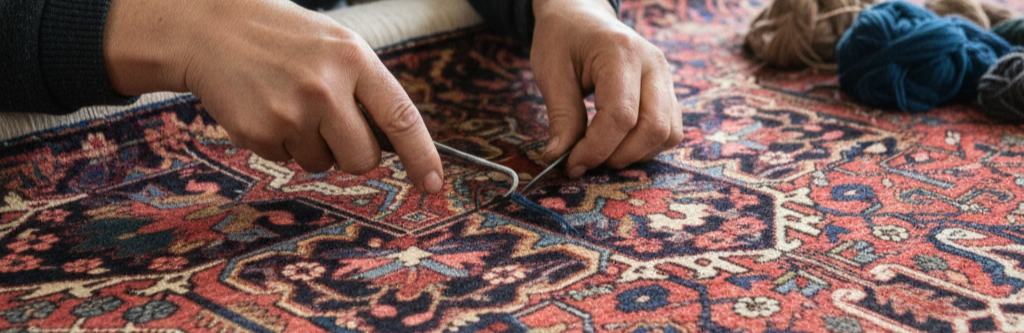
Before we think about technology and machinery, coloring and design, hand skill and passed-on knowledge, there is one single, elemental component to rug weaving: the knot. Rug knot is such a simple concept that one might overlook its central position in rug structure, look and durability.
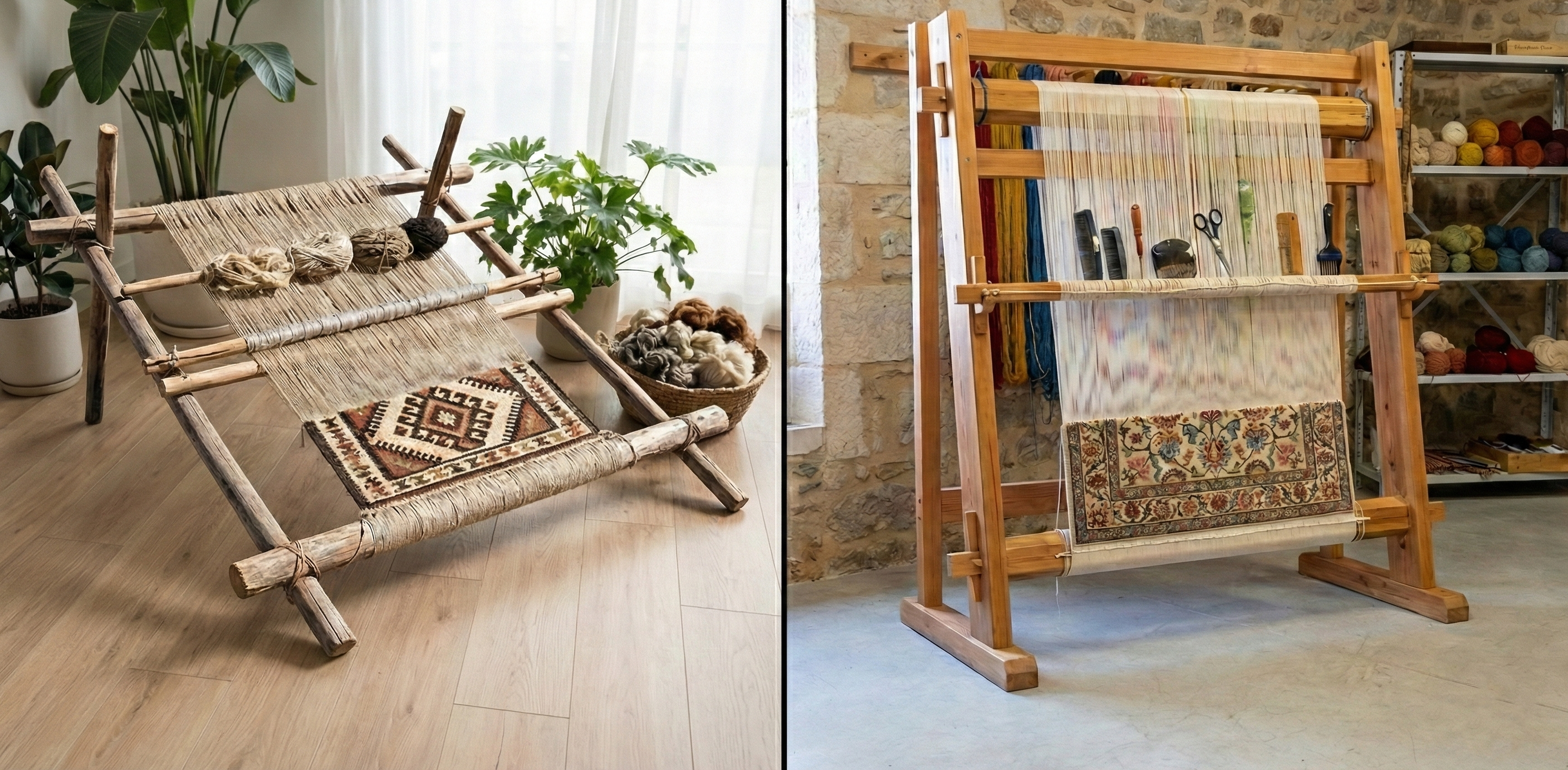
nomad or a village hand-woven rug
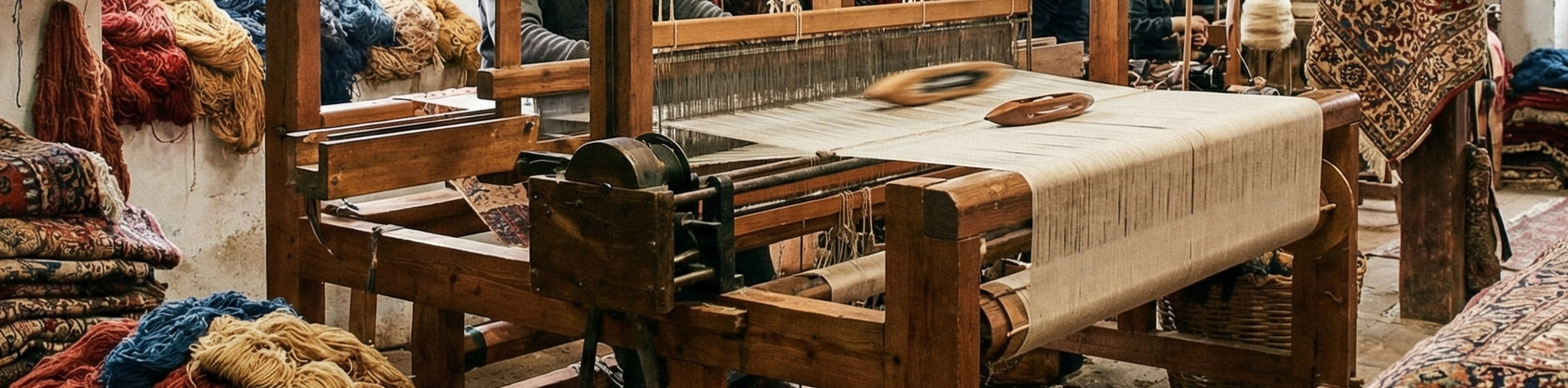
Nomadic Loom.  –  Village / workshop Loom.  ©1800getarug.com


There are two ways a rug knot is defined: density and type. When choosing a nomad or a village hand-woven rug, one might not consider the density of the knot a major factor. These traditional articles are made either within a season – and therefore fast – or with simple looms, and usually contain about 25-100 knots per square inch. Other factors are at play here: originality of the individual artist’s design (from memory), natural local dyes, manual labor, and plenty of love.
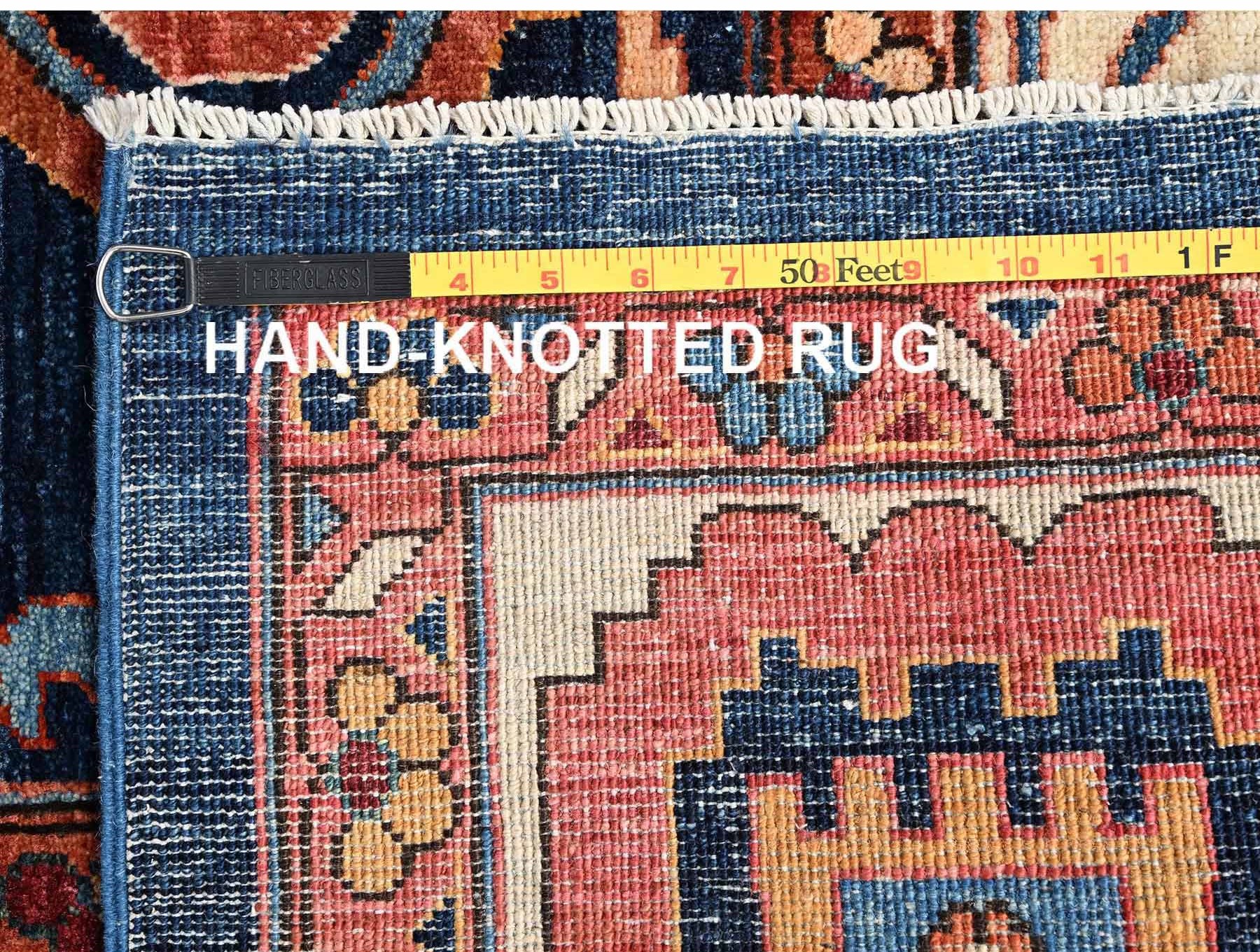
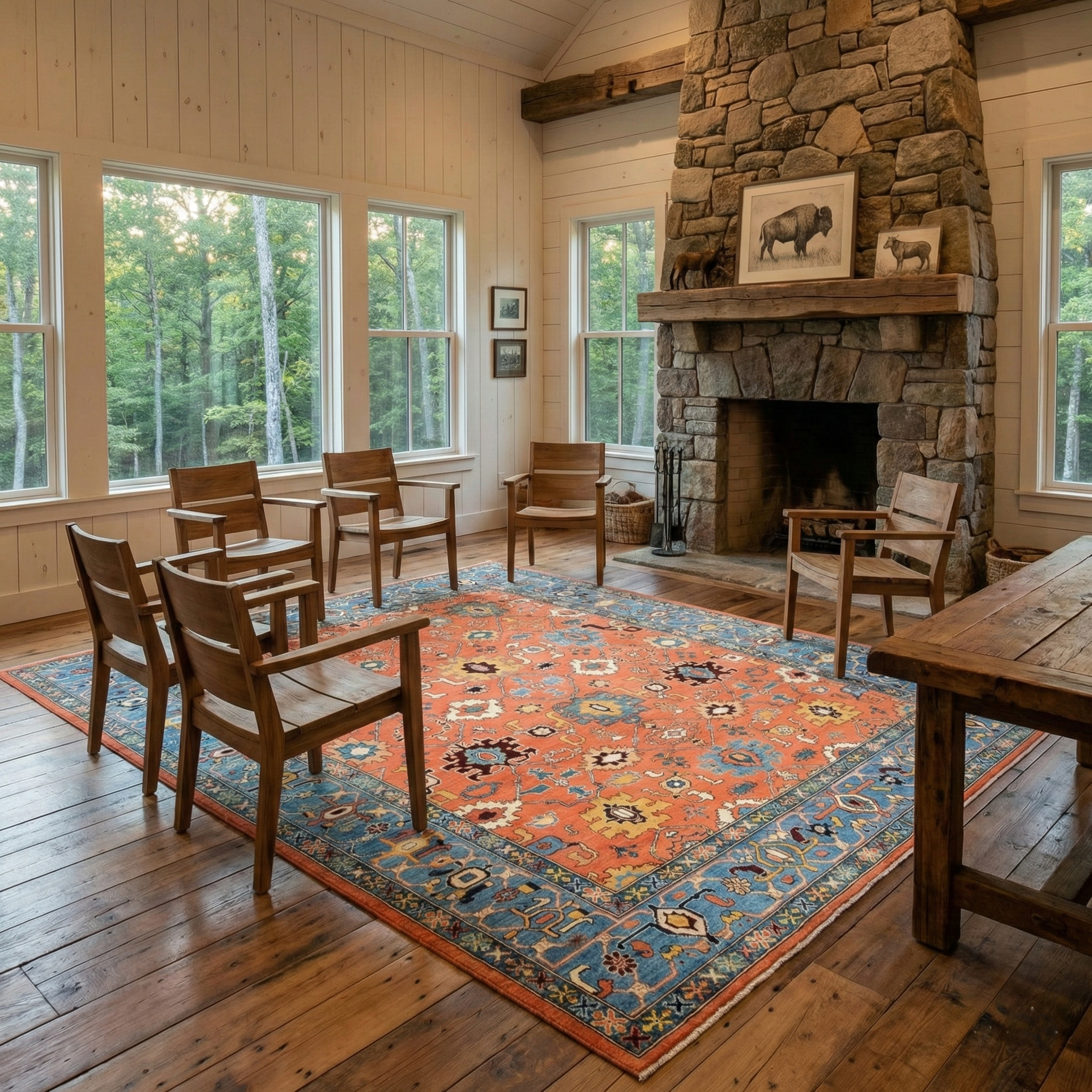
Sun Baked Orange, Serapi Heriz with Large Medallion Design, Vegetable Dyes, Hand Knotted, Aryana Grade, High Mountain Wool, Soft Pile, Densely Woven, Oriental Rug
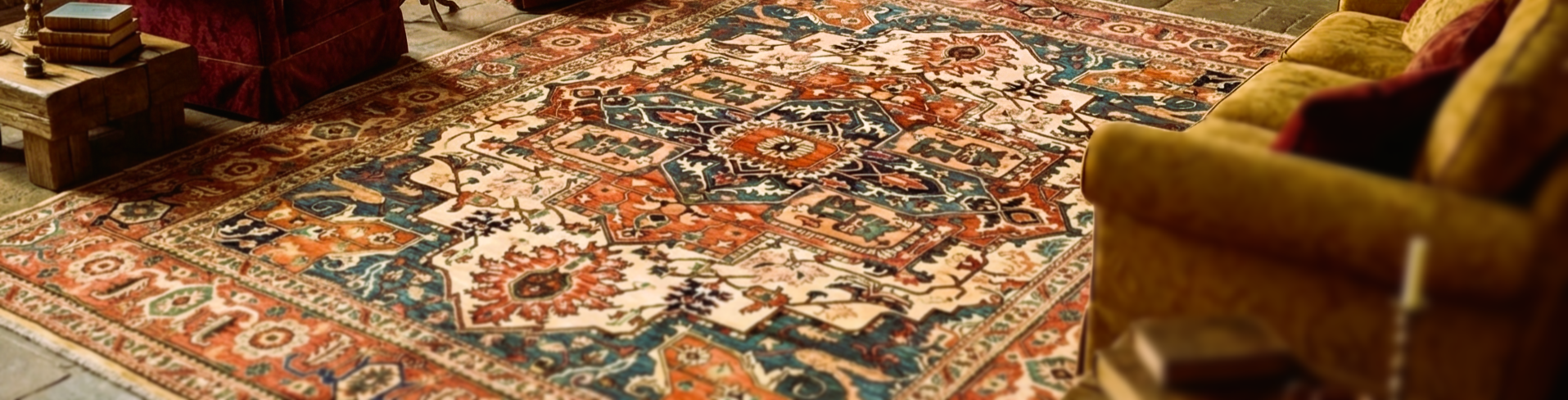
Close-up of a Kazak rug. Notice the rather closely woven rug knots. ©1800getarug.com


The workshop hand-made rugs, however, are woven on a much more sophisticated machinery. Precision is therefore a major factor- on par with design and authenticity. The knot density ranges between 100-1000 knots per square inch. If you consider that each knot takes about 10 seconds to complete, it is astounding how long finishing a large enough rug may take, keeping in mind a rather high knot density.
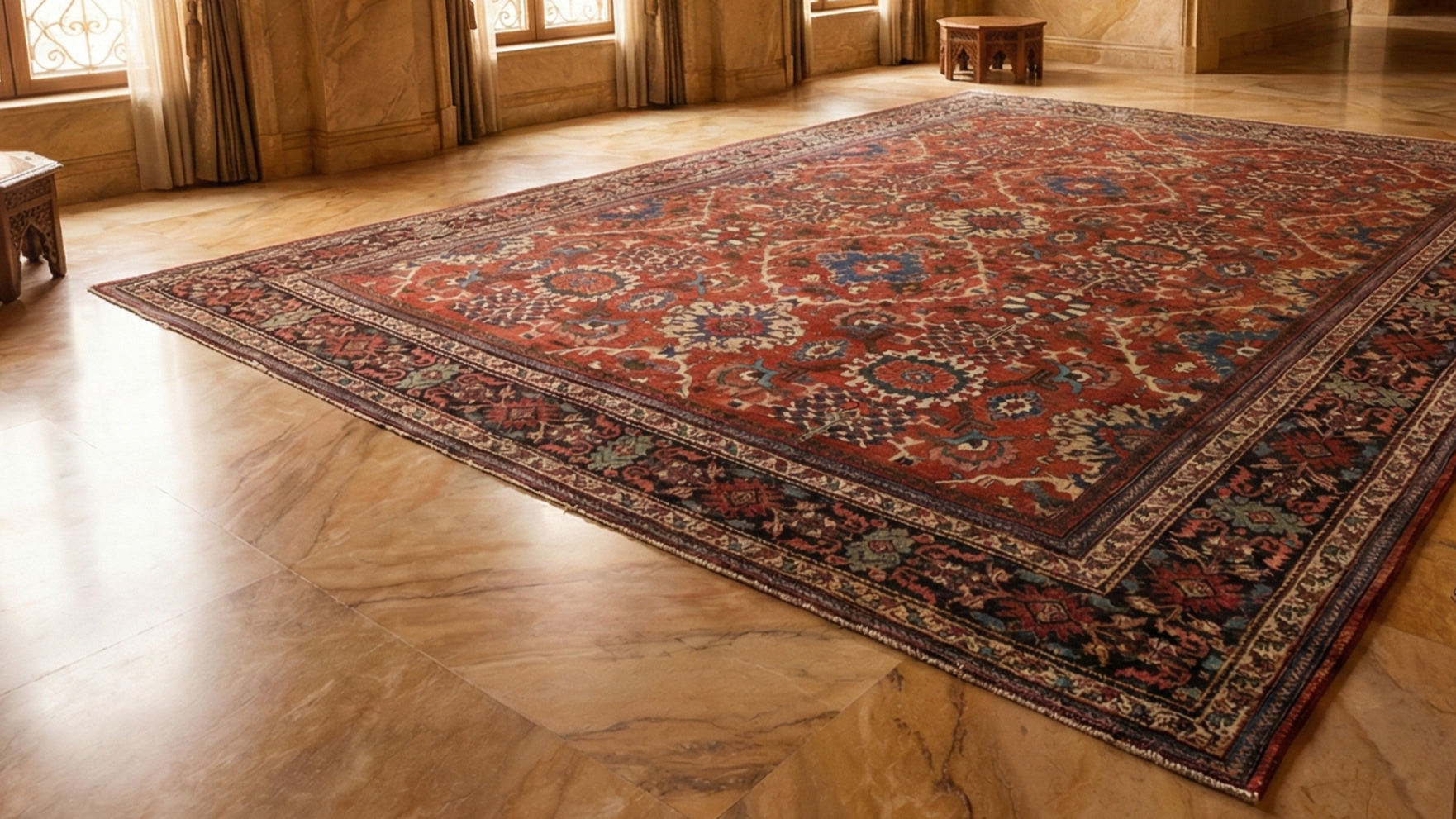
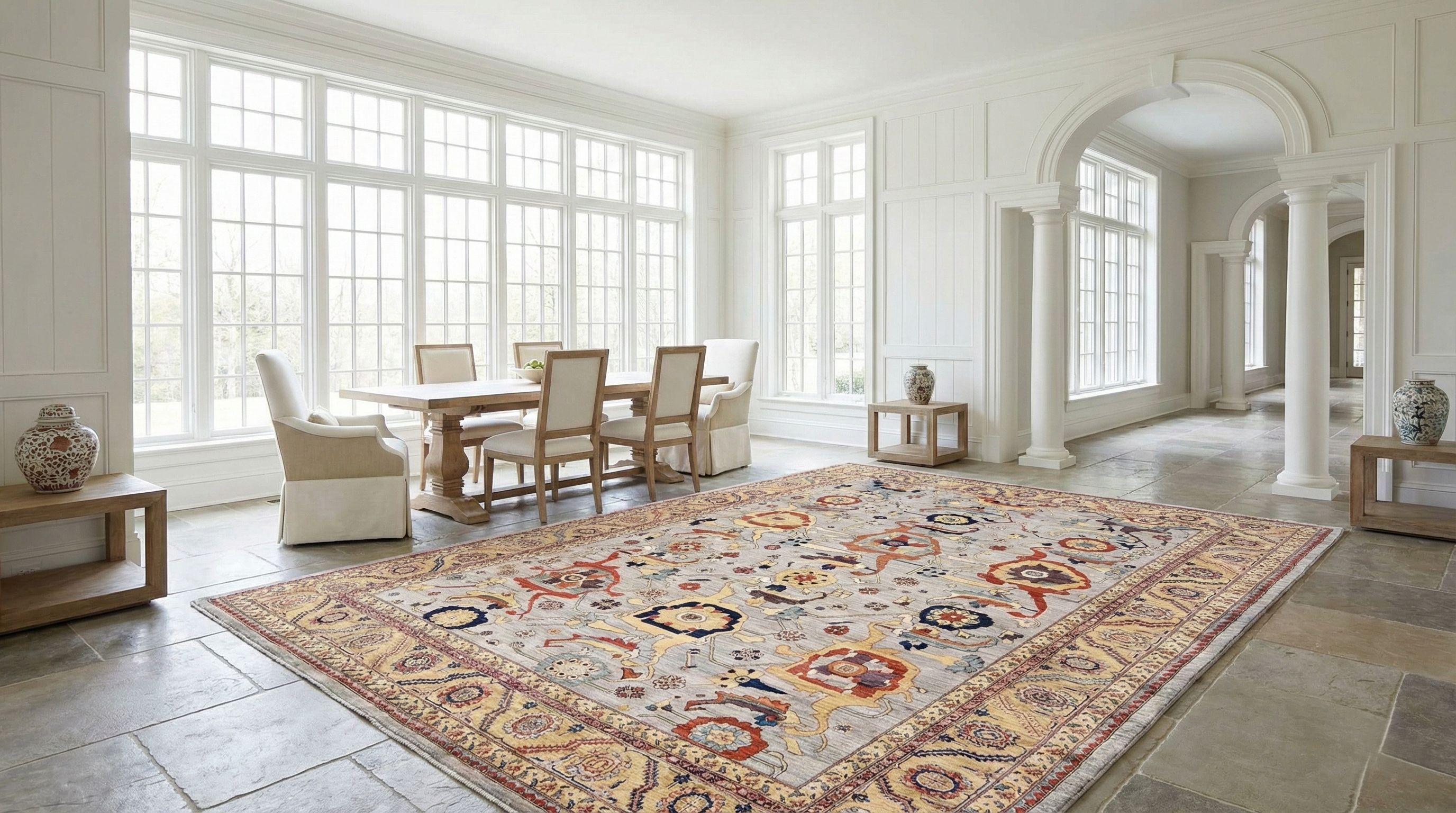
Terracotta Antique Persian Mahal Good Condition with Some Wear Clean Hand Knotted Oriental Rug
This Handcrafted Antique Persian , is an original Pure Wool oriental rug. ©1800getarug.com


The other way of thinking of a rug knot is its method, with two predominant ones being symmetrical and asymmetrical. Popular in most of Iran, India, Egypt, China, and parts of Turkey, the asymmetrical, or Persian Senneh, have their knot loops tied around two warps and come up on the same sides to make the rug tufts. The Turkish Ghiordes knot (the symmetrical one) goes around two warp threads on opposite sides and comes up in the middle. The most commonly used knots are slight variations on the Persian one. The Tibetan knot is perhaps the most interesting one, wrapping around warps in a complex fashion and reminiscent of Indic script.
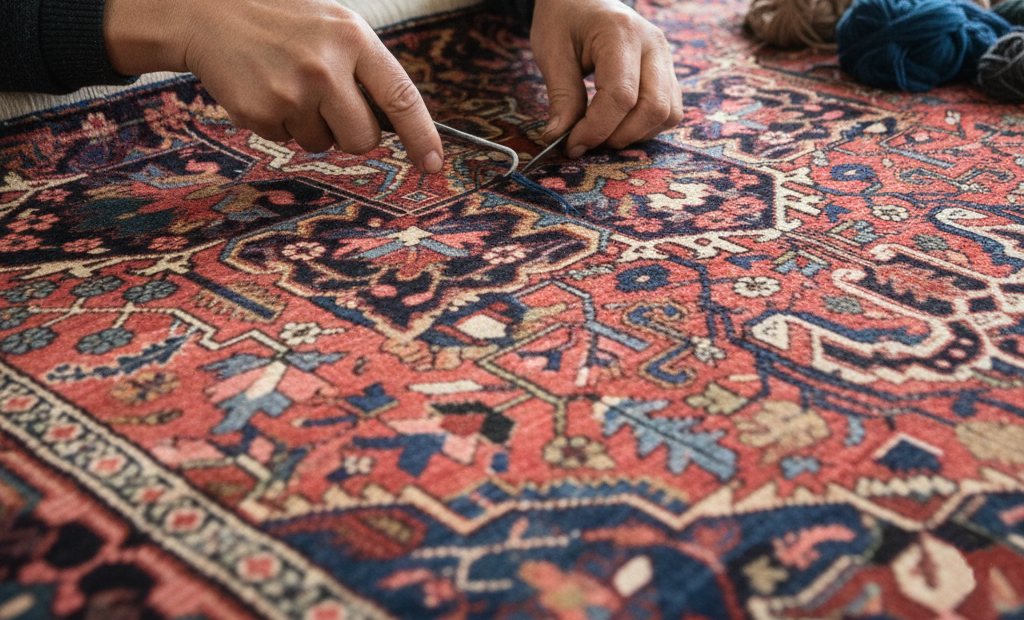
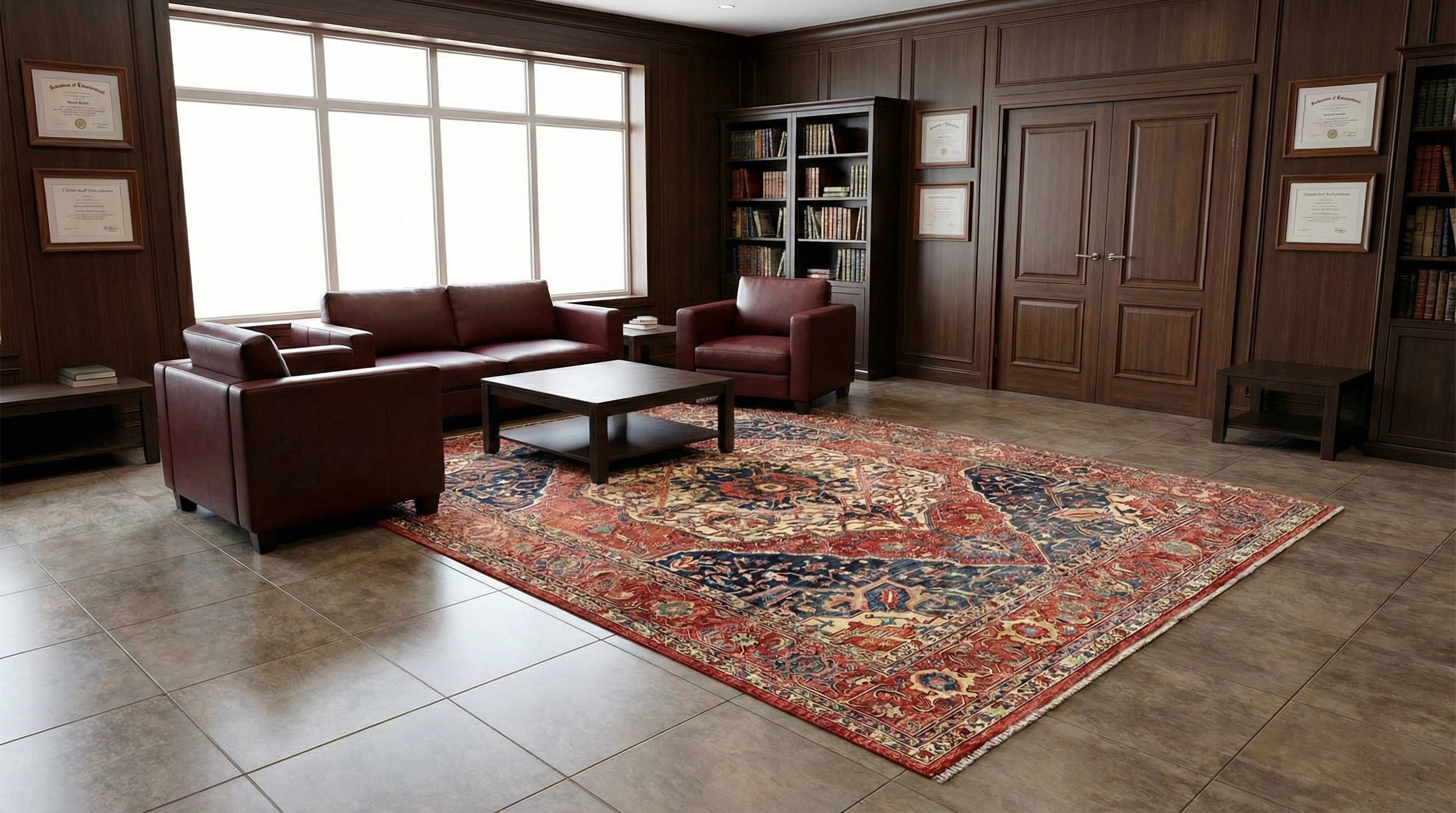
Fire Whirl Red, Antique Persian Heriz, Good Condition, Clean, Sides and Ends Professionally Secured, 100% Wool, Hand Knotted, Oriental Rug
An Illustration of a Persian Knot. ©1800getarug.com


The study of rug knots is not necessarily complex, but it certainly is full of grace and style, which is necessary for understanding the structure, design, and feel of these wonderful hand-woven rugs that we cherish throughout our lives.



Evolution of The Loom


From the most basic designs to sophisticated machinery, the venerable loom is at the heart of rug making and is a key invention that heralded each of the eras of human technical advances, bringing people together.

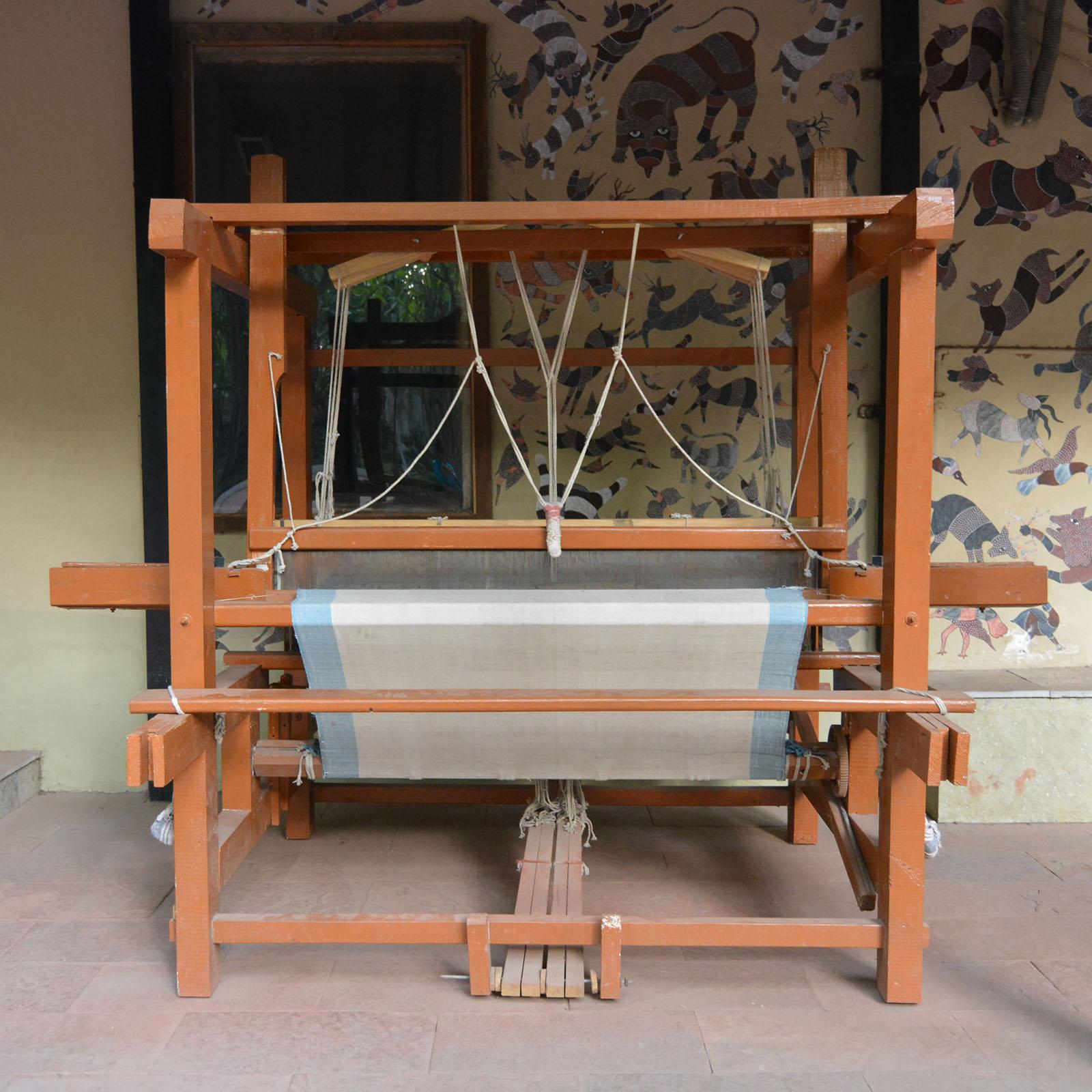
Another Look the Classic Loom. At the Handloom and Crafts Museum in Delhi
Take. At the Handloom and Crafts Museum in Delhi. © 1800getarug.com 


While it may look a bit intimidating, the loom is a rather simple construction, at its core. An interlocking structure of moving wooden beam frames is strung tightly together by yarn (warp) to create the rug foundation while a second yarn (weft) is passed through perpendicularly to hold the rug together. The pile yarn would then be woven into the rug base to create the visual patterns and texture of hand-woven carpets.

Another Look the Classic Loom. At the Handloom and Crafts Museum in Delhi.
Another Look the Classic Loom. At the Handloom and Crafts Museum in Delhi by ajay surya. © 1800getarug.com 


The process of weaving is traced back to the Neolithic age when its invention helped herald the agricultural revolution by both utilizing the newly mastered control over crops and techniques of extracting yarn from wool, and by helping make a home. Regular settlements and the nomads could use comfortable and beautiful rugs on their floors and walls, warming their abodes both literally and figuratively. Many rituals evolved to include rugs in them ever since.


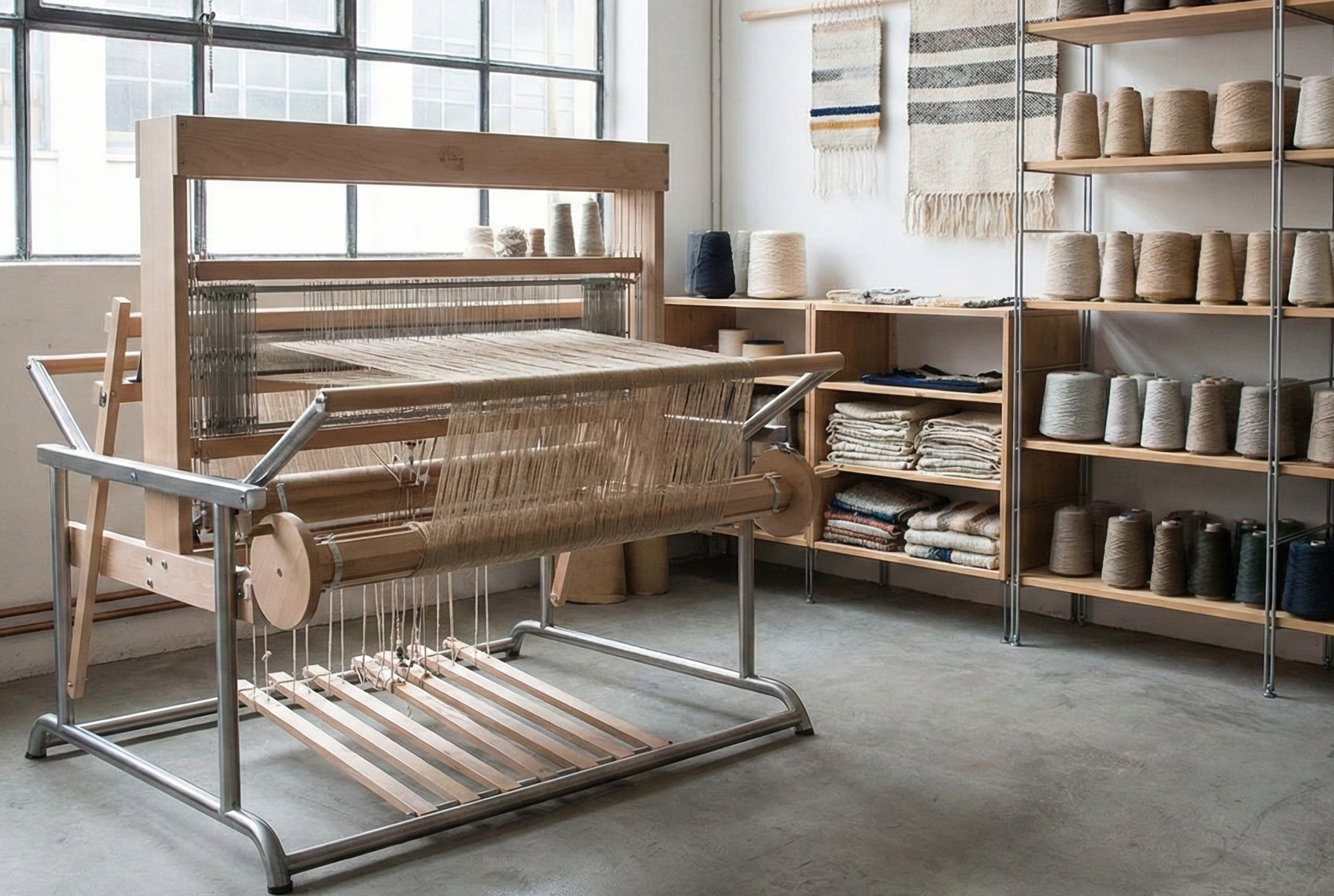
A Modern Simple Loom at Our Rug Facility in Jaipur.
A Modern Simple Loom at Our Rug Facility in Jaipur. © 1800getarug.com 


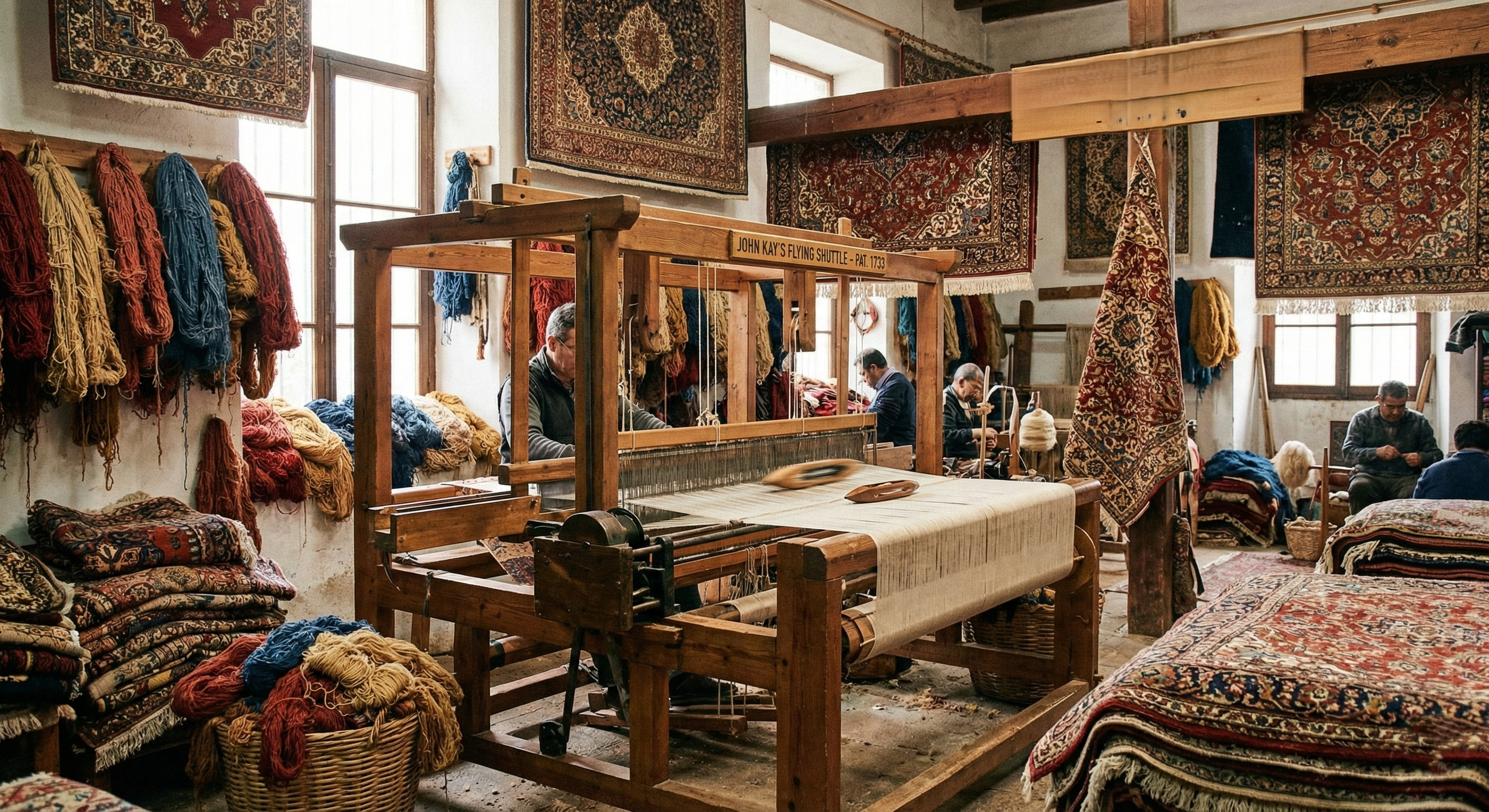
For all these millennia and all this prehistoric art, the basic loin loom was utilized, until later advances in the Middle Ages. The weavers used a very simple construction and their own body tension needed to make a rug for a perfect purpose. Later evolutions of the loom included stationary, heavier looms where separate heddles could be lifted to create complex designs, administered by a second weaver if the rug is too big. In 1773, a British weaver John Kay invented the flying shuttle, which could be flung across and around the loom, eliminating the need for the second person.
John Kay invented the flying shuttle
 John Kay invented the flying shuttle. © 1800getarug.com 


By twentieth century the looms became fully mechanized and powered electrically. This final stage has dramatically reduced the labor and increased production. That being said, the automated looms will of course never achieve the artistry, attention, and skill of experienced master weaver hands.


The simple beauty of Kilim Flatweave rugs


Sometimes things can be uncomplicated, sometimes they can be understated. Sometimes the beauty comes from the simplicity of the design and execution. Look no further than Kilim hand-woven rugs, classic flatweave carpets known for their unique contained look and versatility.
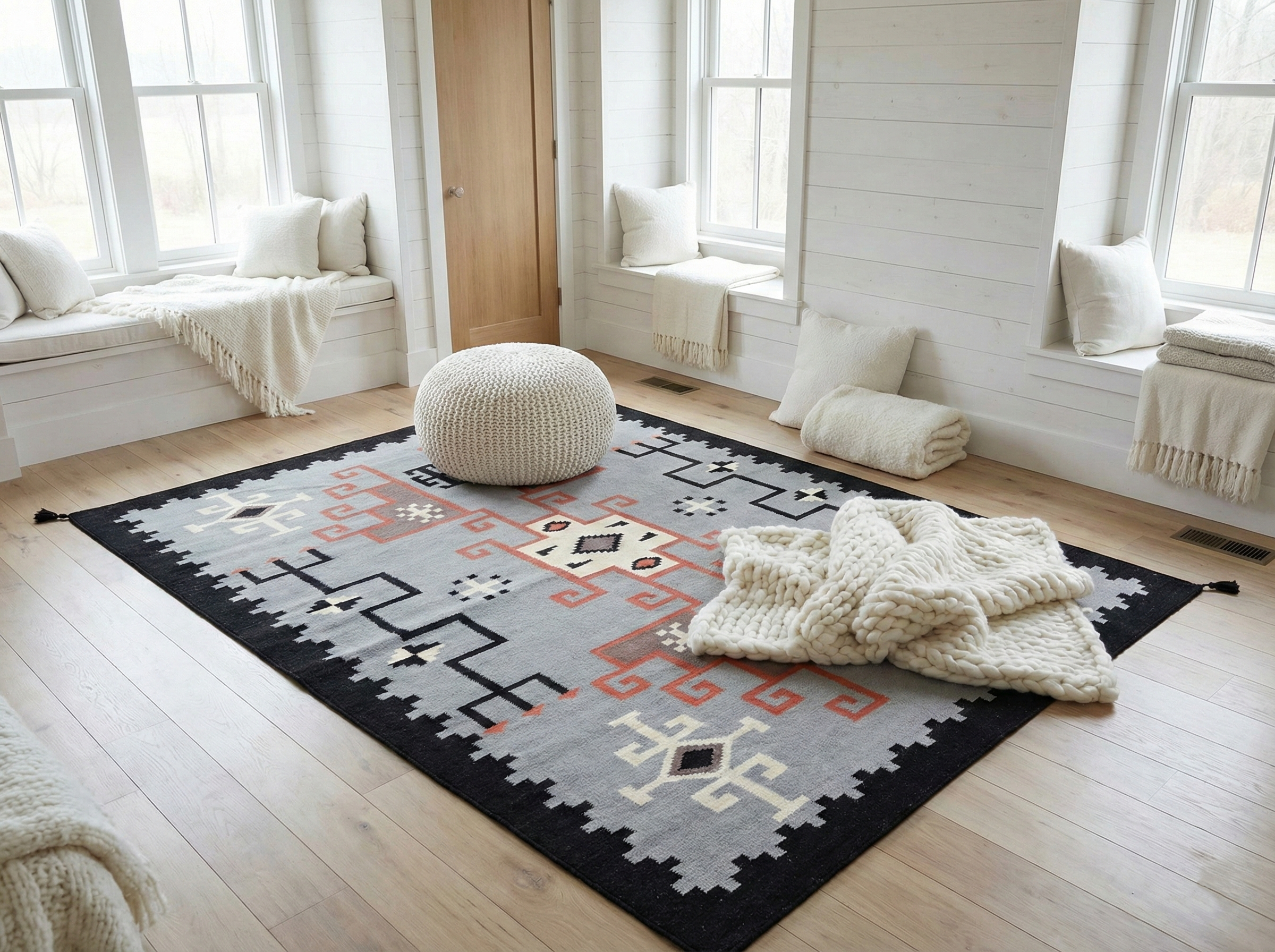
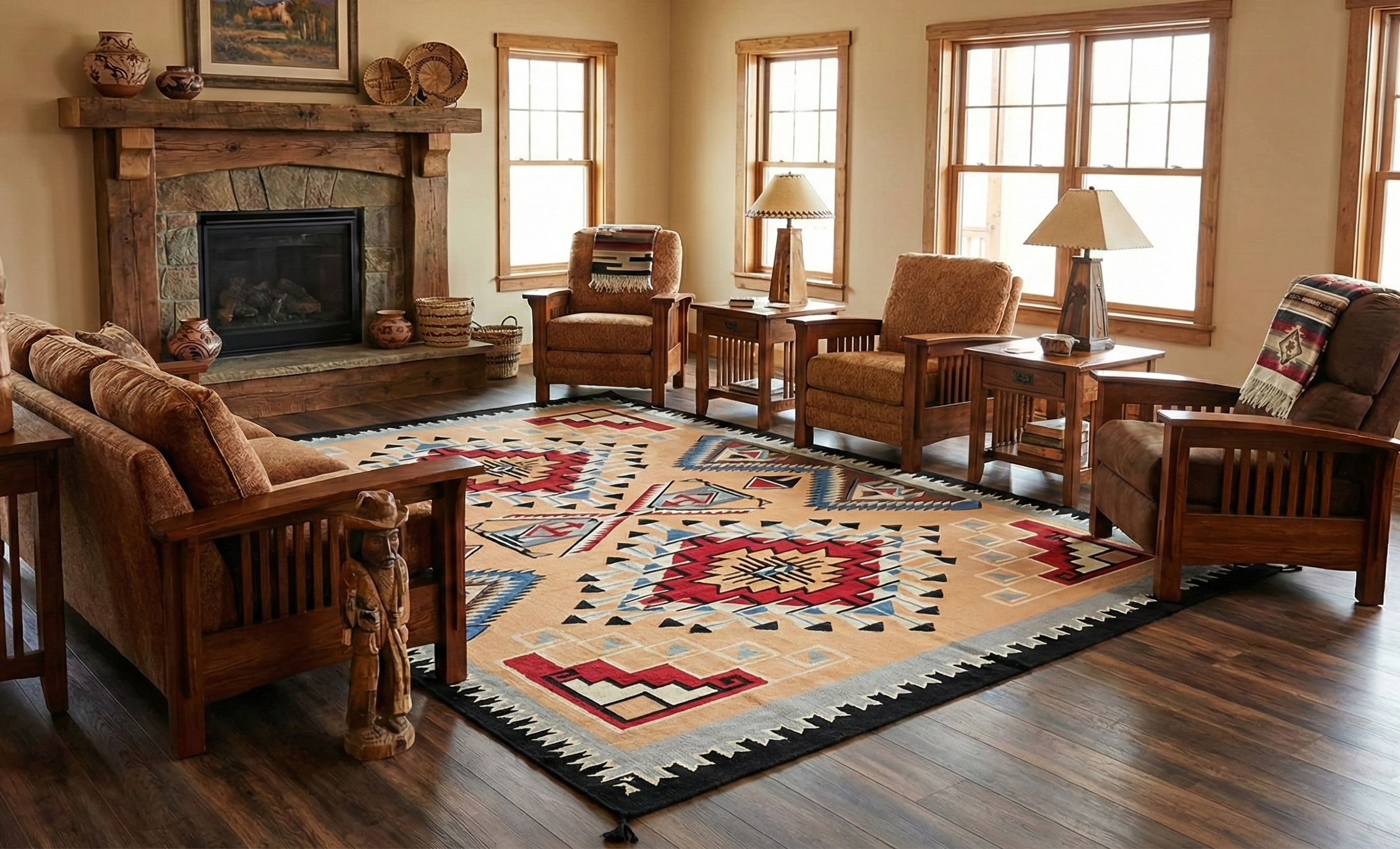
Medium Gray, Flat Weave, American Indian Southwest Geometric Design, Hand Woven, 100% Wool, Oriental Rug
This handcrafted American Indian Southwest Geometric Design is an authentic Pure Wool oriental rug. © 1800getarug.com


One of the most consistent technique to go back centuries, Kilim rugs were most likely first used by nomadic peoples of Middle East and Central Asia. The earliest examples were found around Khotan, present day Xinjiang, China, one of the centers of trade along the Silk Roads, and go back centuries. The name is derived from Turkish “gelim”, which means, “to spread” (as in, to spread a rug). Its pure geometrical designs are believed to have mystical, inspirational powers.

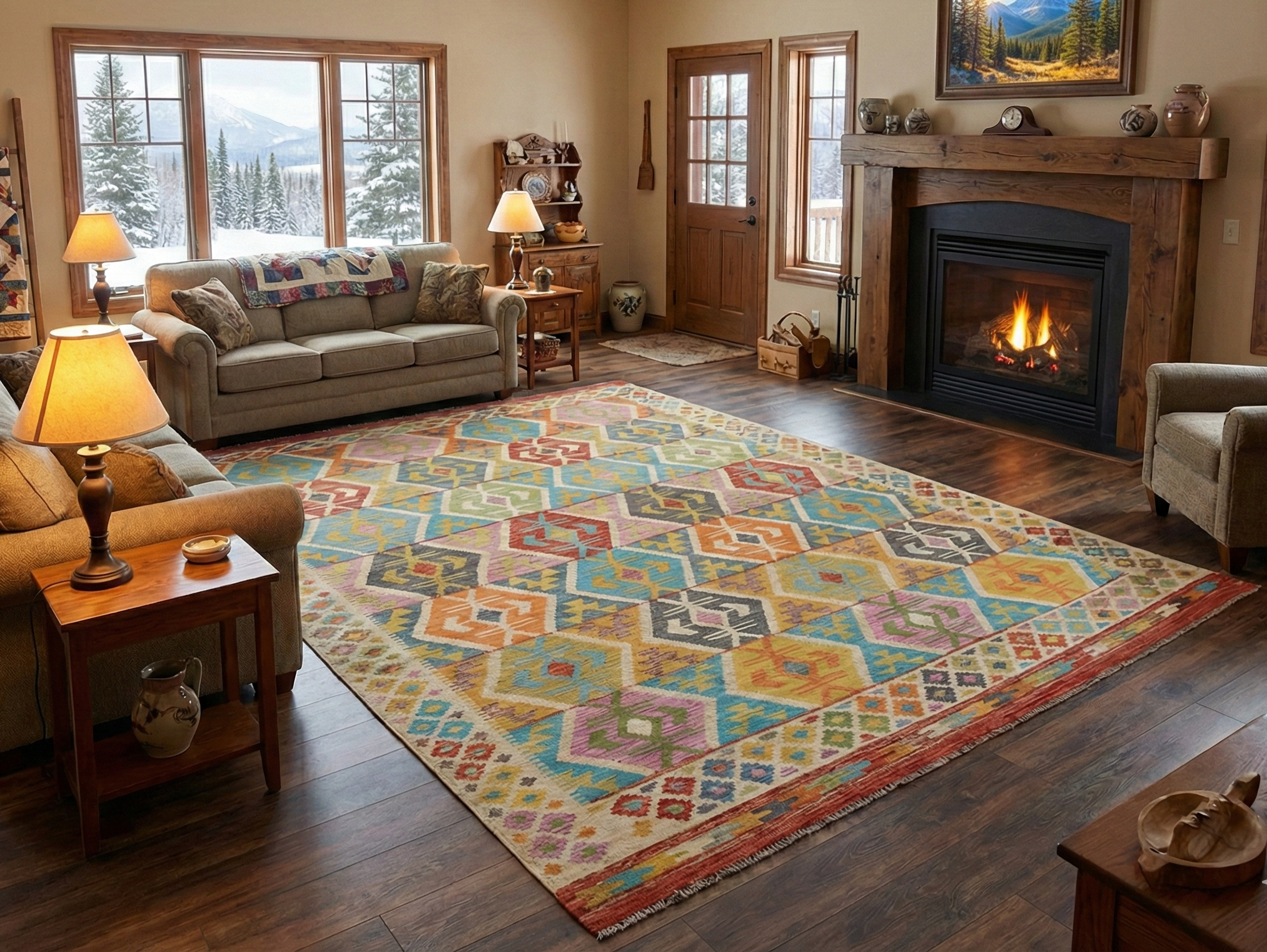
Bone White, Afghan Kilim with All Over Colorful Geometric Pattern, 100% Wool, Natural Dyes, Flat Weave, Hand Woven, Reversible, Oriental Rug
This handcrafted Afghan Kilim is an original Pure Wool oriental rug. © 1800getarug.com


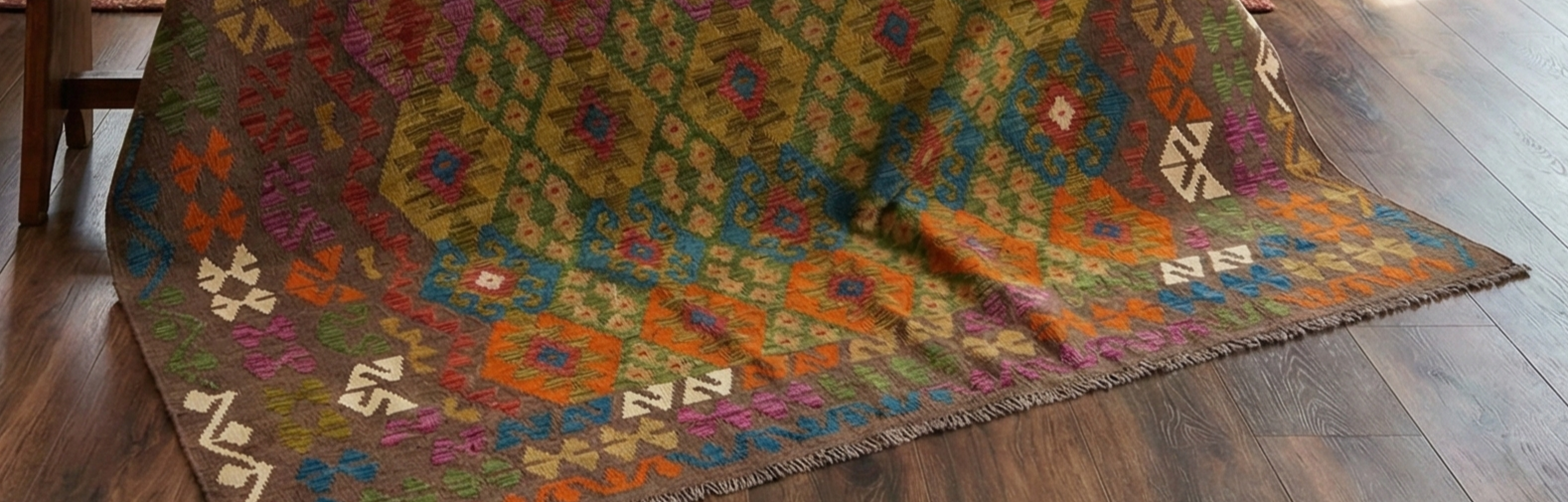
To us, the most fascinating thing about the hand-woven Kilim rugs is the unique weaving technique, called slit weave. These rugs don’t have a pile, and are created by simply weaving the woolen wefts and the cotton or wool warps (thread ratio is 16 of weft, 14 of warp). Two different-colored weft blocks are tightly packed into the warp by a special comb and returned to original side once they reach each other, leaving a slight “gap” in between – the slit! This is the origin of the traditional Kilim motif: diagonal and horizontal lines, a pattern designed for durability.

Coconut Brown, Hand Woven, Flat Weave, American Indian Southwest Geometric Design, 100% Wool, Oriental Rug
This handcrafted American Indian Southwest Geometric Design is an authentic Pure Wool oriental rug.© 1800getarug.com


While the traditional colors for these magical Kilim hand-woven rugs are blue, green, red, and yellow, the modern take on the carpets includes a variety of dyes and designs. Still these works of art are as versatile and affordable as they were centuries ago: they are easy to spread or fold, don’t crease; are great at being a centerpiece decoration, hanging on a wall or serving as a door step rug, or for saddling your mule, if the occasion truly calls for it!

Peach Color, Flat Weave, American Indian Southwest Geometric Design, 100% Wool, Hand Woven, Oriental Rug
This handcrafted American Indian Southwest Geometric Design is an authentic Pure Wool oriental rug. © 1800getarug.com


What are Peshawar Hand-Woven rugs?


Looking into our rugs is sometimes like looking into the depths of history. The Peshawar rugs take us to one of the greatest depths. One of the epicenters of the great Silk Roads, the city of Peshawar was, quite literally on the map since the 5th century B.C. From the ancient Persians and the Hellenistic descendants of Alexander the Great, to the medieval Mongols and finally the Muslim empires. Peshawar commanded authority throughout the region, housing millions of citizens and invariably creating and absorbing culture for centuries. Some may argue the Mughal era of rule over the region was one of the most successful in last few centuries and has inspired some of the most fascinating and impressive works of art.

Beige, Afghan Peshawar with All Over Mahal Design, Clean, Full Pile, Long and Narrow, 100% Wool, Hand Knotted, Oriental Rug
This handcrafted Afghan Peshawar is an authentic Wool oriental rug. ©1800getarug.com


Perhaps the best time capsule of this Mughal artistry is the hand-woven Peshawar rug, whose designs evolved through the centuries but with mastery that never dwindled. In the 16th century, emperor Akbar had ordered the construction of rug weaving workshops and fostered the knowledge exchange with the Persian artisans to reinforce the local style. In the 20th, after the crumbling of British colonialism the existing industry simply needed a push from the newly independent government to survive and to flourish.

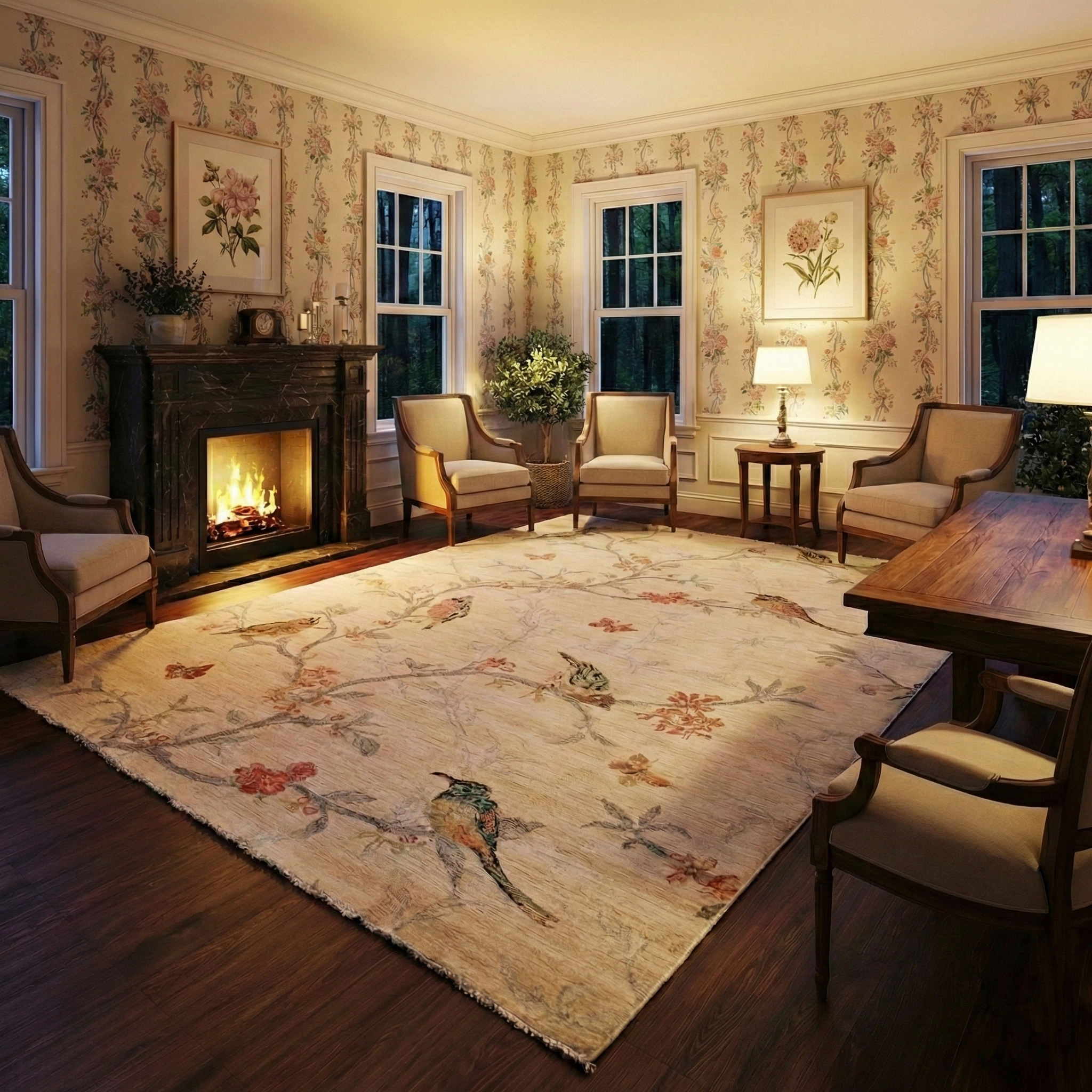
Chiffon White, Sparrows on the Tree, Peshawar, High Mountain Wool, Hand Knotted, Soft to the Touch, Densely Woven, Oriental Rug
Chiffon White, Sparrows on the Tree, Peshawar, High Mountain Wool, Hand Knotted, Soft to the Touch, Densely Woven, Oriental Rug  ©1800getarug.com


Traditional Peshawar rugs are always hand-woven, and feature a pure high mountain hand-spun wool pile, although sometimes, in select rugs, fine merino wool is blended in – that makes the rugs look slicker. Occasionally silk is woven in as well, especially if the artist wants to highlight a motif. The weft and warp are cotton, for the strongest support. The resulting rugs are durable and reliable, but are luxurious and extremely soft to the touch.

Rust Orange, Afghan Peshawar with Heriz All Over Design, Hand Knotted, Soft 100% Wool, Densely Woven, Oriental Rug
This handcrafted Heriz All Over Design is an original Pure Wool oriental rug. ©1800getarug.com


The design of the rugs, as chronicled in history, is heavily influenced by ancient Persian rug motifs. The colors, usually light and earthy and derived from sun-dried vegetable dyes, give the rugs its characteristic antique and washed-out look. But whether they are stonewashed and have their piles cut shorter, or the modernist take will have the colors pop, you are sure to be mesmerized by the deep richness and artistry that are the Peshawar rugs.

Maya Blue, Afghan Peshawar with Heriz All Over Design, Hand Knotted, 100% Wool, Densely Woven, Oriental Rug
This handcrafted Heriz All Over Design is an original Pure Wool oriental rug. © 1800getarug.com


Serapi Rugs


The beloved Serapi rug from the remote mountains of Northwest Persia, has a typical design from the Heriz region.  The elements inherited from many traditions are combined into the majestic antique Serapi carpet; geometric designs maybe connected to tribal Caucasians rugs, while the Tabriz carpet has surely influenced the usage of the central medallion in the Serapi rugs.

Stormy Sky Gray, Antiqued Serapi All Over Design, Vegetable Dyes, All Wool, 200 KPSI, Hand Knotted, Oriental Rug
This handcrafted Antiqued Serapi is an authentic Pure Wool oriental rug. ©1800getarug.com


The highly skilled female weavers work in groups during years, before completing a Serapi Persian rug. The spontaneity that characterizes these groups of women, is the result of amazing and tedious labor. Small workshops were known to deliver fine knotted carpets, while families created symbolic designs and a more rustic weave type. The women from the Heriz region also had knowledge of how to deep dye the local wool, achieving the desired “abrashed” or muted color. Large areas of the Heriz rug use pale wool colors, providing the perfect contrast that distinguish these carpets.

Coral Red, Aryana Collection, Serapi Heriz with Large Medallion Design, Vegetable Dyes, High Mountain Wool, Hand Knotted, Soft Pile, Densely Woven, Oriental Rug
This handcrafted Serapi Heriz Design is an authentic Pure Wool oriental rug. ©1800getarug.com


The 19th century Serapi carpets are known by a center quadrant medallion, inspired by a bird’s eye view of a persian garden. In many occasions, a large-scale all-over design pattern could also be used.  Nowadays, the Serapi inspired hand-knotted rug can be found in many different colors, ranging from the traditional pink, red and navy blue. In the years 2015 to 2017, many rug designers have modified the look of The Heriz carpet, to the so called  “Broken Design Rugs.” These new carpets are indeed very valuable as a new trend in the design industry and an original handmade piece can only be found from trusted rug shops.

Ivory and Blue, Hand Knotted, Densely Woven, Pure Wool, Erased Persian Serapi Heriz Design, Oriental Rug
This handcrafted Erased Persian Serapi Heriz Design, is an original Pure Wool oriental rug. © 1800getarug.com


In the first years of the 20th century,  these rugs were woven in isolated areas, and then sold in the market of the Sarab city of Persia. This is where the name Serapi originated, from the word  “Serab-i” which means “of Serab”. The whimsical charm of the antique Serapi carpet, it’s pure vegetable dyes, traditional designs, or modern broken motifs, make them a worthwhile furniture item. Many interior designers love to have this type of rug, as a home decor idea.

Beige, Serapi Heriz with Large Medallion Design, Aryana Grade, Vegetable Dyes, High Mountain Wool, Hand Knotted, Soft Pile, Densely Woven, Oriental Rug
This handcrafted Serapi Heriz Design is an authentic Pure Wool oriental rug. ©1800getarug.com


Hand-Knotted Kazak Pure Wool Oriental Rug

Kazaks (Kazakhs), the majestic carpets from de Caucasus


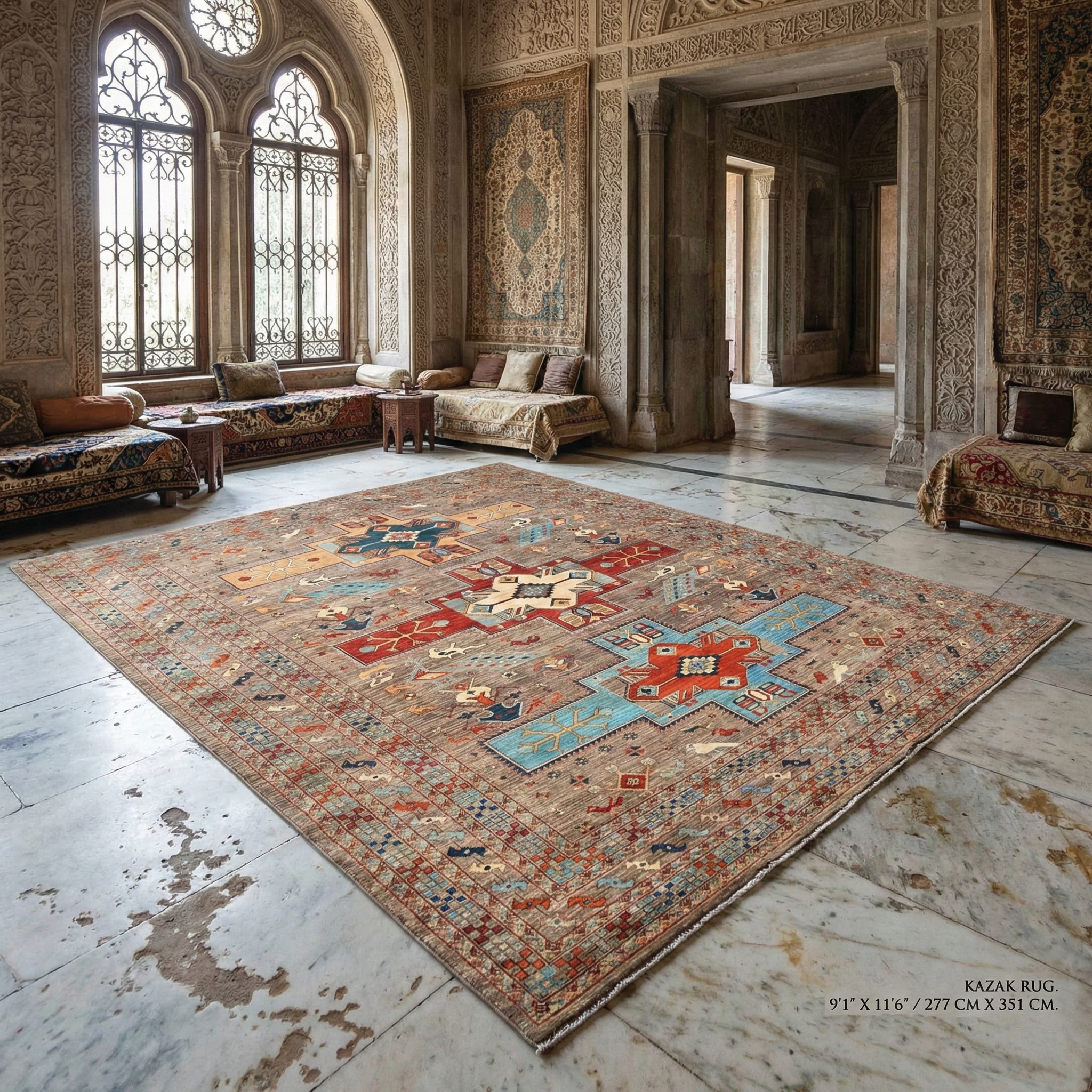
Luxurious, spectacular, magnificent are good adjectives to describe the geometrically designed Kazak or Kazakh rug. Centuries of Armenian craftsmanship carried down to our days, the best natural dyes, unique patterns, the finest wool, are among the characteristics that guarantees carpets of the best quality. Large-scale designs, numerous medallions, and contrasting colors such as blue, red and ivory, gives this type of carpets a superb appearance.

Rich Red, Densely Woven Extra Soft Wool, Hand Knotted Afghan Super Kazak with Tribal Medallions, Natural Dyes, Oversized Oriental Rug
This handcrafted Afghan Super Kazak, is an authentic Pure Wool oriental rug. © 1800getarug.com


Its origin dates back to the 18th and 19th centuries in the Kazak area of the Caucasus, probably the most famous area in weaving terms. Kazak rugs were hand-knotted by the women of the Tiflis and Erevan. Within the Kazakh rugs, other categories are considered depending on the geographical area were they were woven, for example carpets from the south of the Tiflis, Bordajalou Kazak rugs, coarsely woven with simple designs. Carpets from the North of the Erevans, with shorter pile and more formal designs. Other categories includes carpets made before 1925, known as: Karabach, Sjirvan, Kuba and Dagestan carpets. Each one with variation in the patterns and predominance of the traditional colors.

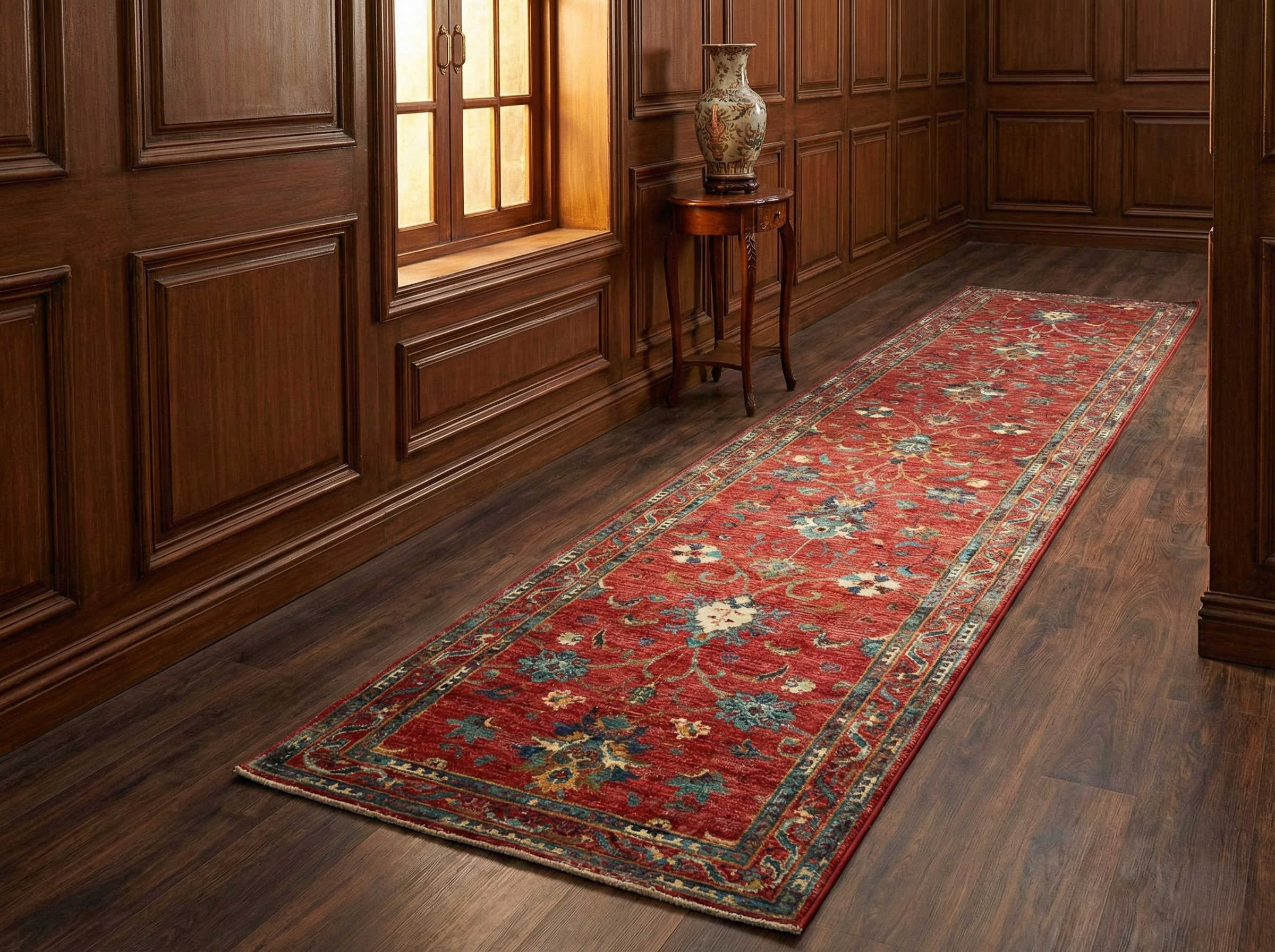
Crimson Red, Fine Afghan Sultani with All Over Design, Vegetable Dyes, Hand Knotted, 100% Wool, Runner, Oriental Rug
This handcrafted Sultani All Over Design is an authentic Pure Wool oriental rug. © 1800getarug.com


Considered a sign of status, Kazakh rugs and other Armenian carpets were an important possession in the wealthy houses, in palaces, and in churches. They could be used as tapestries, or to cover the king`s throne. They were also used for day to day activities like dining.  Kazakhs were frequently woven with threads of silver and gold, making them precious enough to be demanded as part of the tax owed to the nobility that ruled over the Armenians.

Taupe Gray, Armenian Inspired Caucasian Design, Small Bird Figurines, Velvety Wool, Densely Woven, 200 KPSI, Hand Knotted, Natural Dyes, Oriental Rug
Taupe Gray, Armenian Inspired Caucasian Design, Small Bird Figurines, Velvety Wool, Densely Woven, 200 KPSI, Hand Knotted, Natural Dyes, Oriental Rug © 1800getarug.com


Just like kings and princes prized the Kazakh carpets, Caucasian rugs connoisseur`s highly esteem their robust aesthetic and saturated natural color tones, large motifs and majestic proportions that explain the appeal of these iconic designs.


Hand Knotted Egyptian Mamluk Design Rugs

Mamluk Carpets


Mamluk inspired carpets carry a vast culture of Middle Eastern designs. The Mamluk people arrived to Egypt during the thirteenth century to work as slave soldiers and established the Mamluk Sultanate; a ruling empire in their new home.  Their carpet weaving tradition led them to develop a thriving rug weaving emporium during the last years of the fifteenth century and until the mid–sixteenth century. Cairo, Egypt`s capital, became a well-respected carpet weaving center, even when the Ottomans took over Egypt, rug production continued. Mamluk`s carpet weaving art influenced Ottoman`s decoration and manufacturing method. Rug production was commissioned from the Mamluk`s workshops of Cairo, this explains how Mamluk rugs are closely related to Turkish carpets.

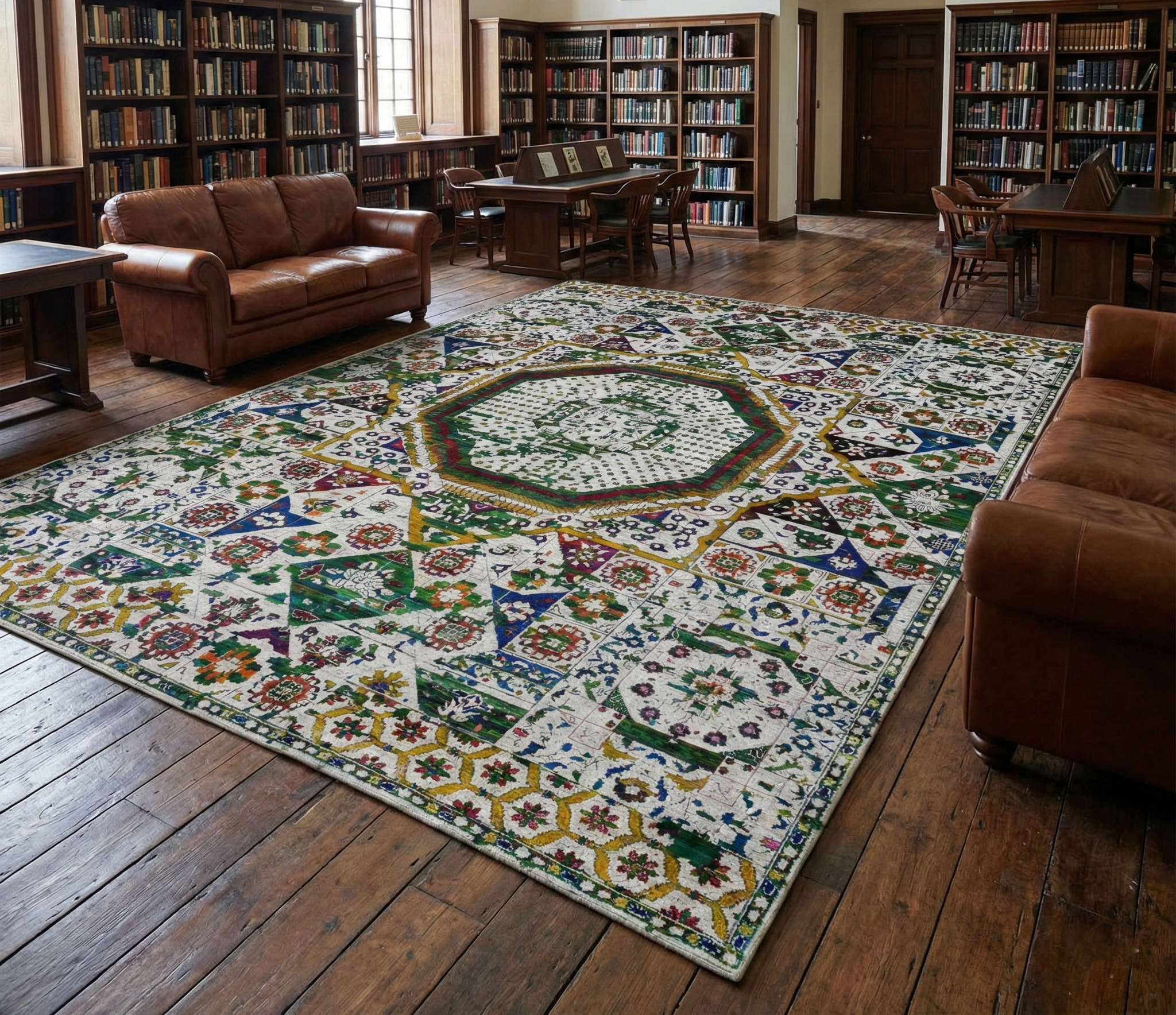
Mimosa Yellow, Colorful Mamluk Design, Sari Silk with Textured Wool, Hand Knotted, Oriental Rug
This handcrafted Mamluk design is an authentic Sari Silk with Textured Wool oriental rug. © 1800getarug.com


Their exceptional quality defied the passage of time allowing us to admire these antique pieces in museums, mosques, and carpet collections. The Mamluk style carpets are also found in European works of art, particularly in Carpaccio’s paintings.

Lark Brown, Mamluk Design with Star Medallion, Textured Wool and Silk, Hand Knotted, Oriental Rug
This handcrafted Mamluk Design is an original Textured Wool and Silk oriental rug. © 1800getarug.com


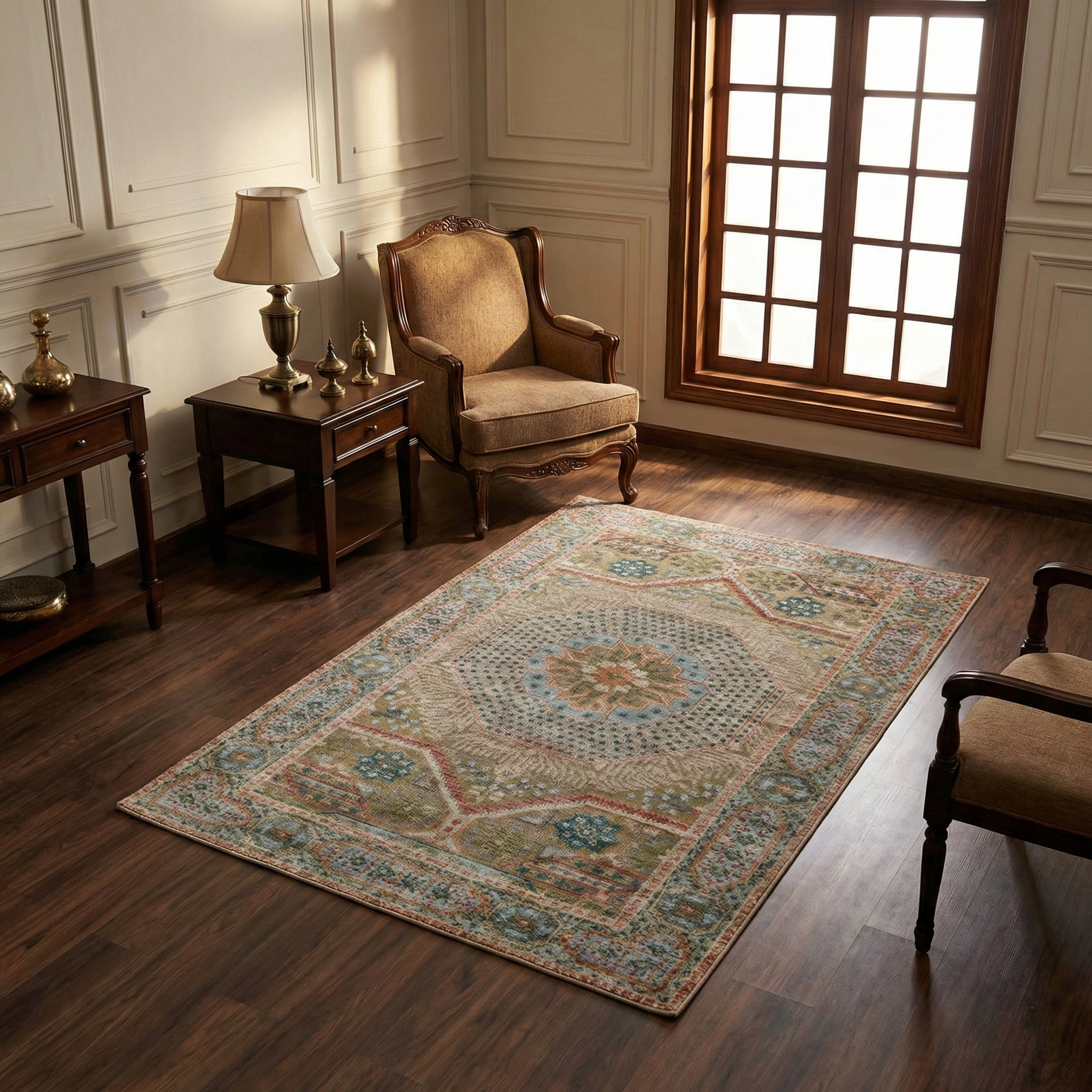
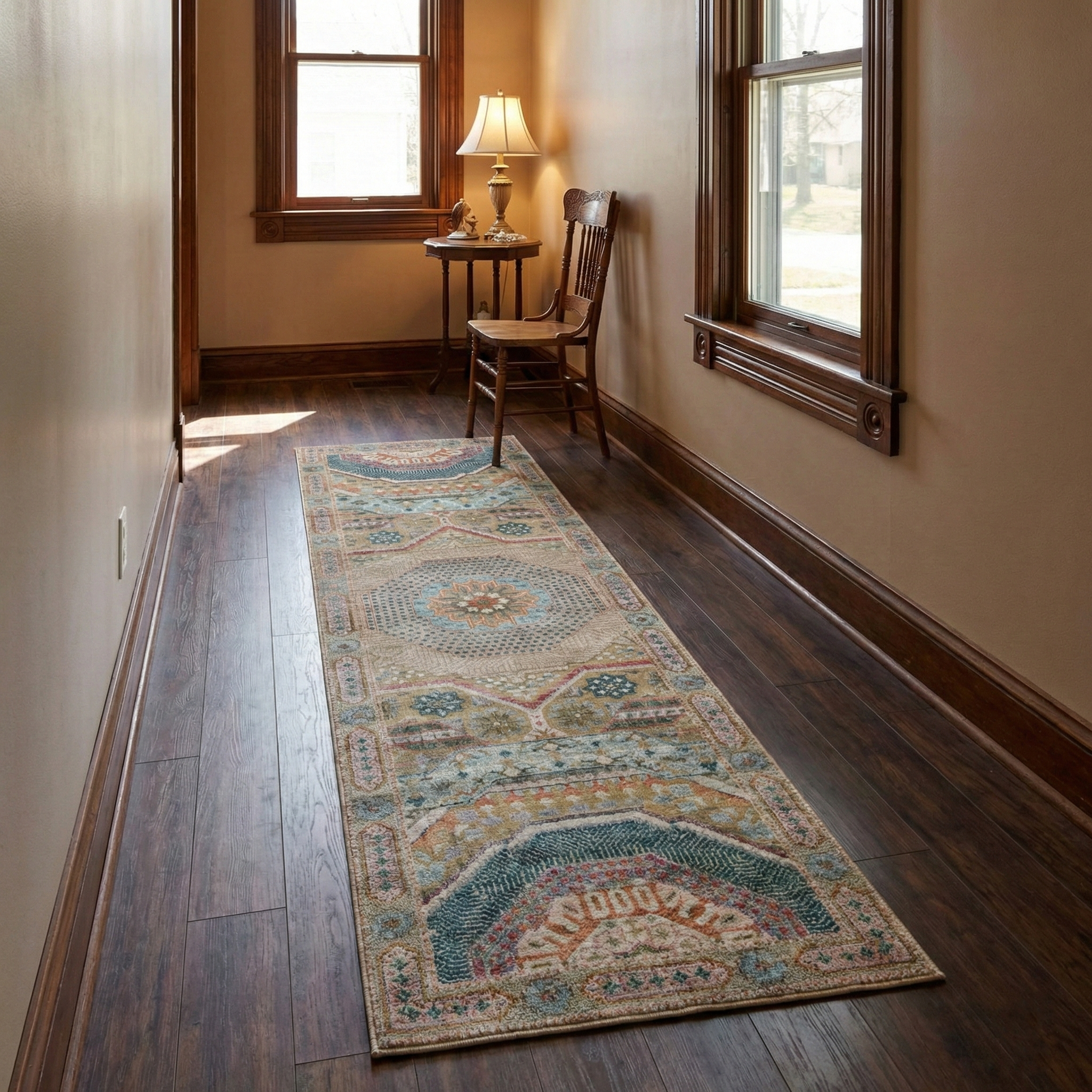
The designs of Mamluk style carpets are characterized by a complex pattern formed by a large central medallion surrounded by intersecting Islamic geometric motifs, forming a fractal figure. Mamluk are also distinguished by their fine weave, lustrous wool and limited palette dominated by soft hues of greens, yellows and reds.  Transitional versions have more freedom when it comes to colors and material.  For those who prefer an original take on the sultan designed rugs we can find sari silk and oxidized wool, overdyed, whitewashed or undyed Mamluks.

Almond Brown, Hand Knotted, Mamluk Design with Star Medallion, Textured Wool and Silk, Runner, Oriental Rug
This handcrafted Mamluk Design is an original Textured Wool and Silk oriental rug. © 1800getarug.com


They are so fine that look like tapestries for the floor and they have the power of creating a warm and elegant ambiance.


Abstract Design Rugs

Abstract Design Rugs, pushing the boundaries of interior design.


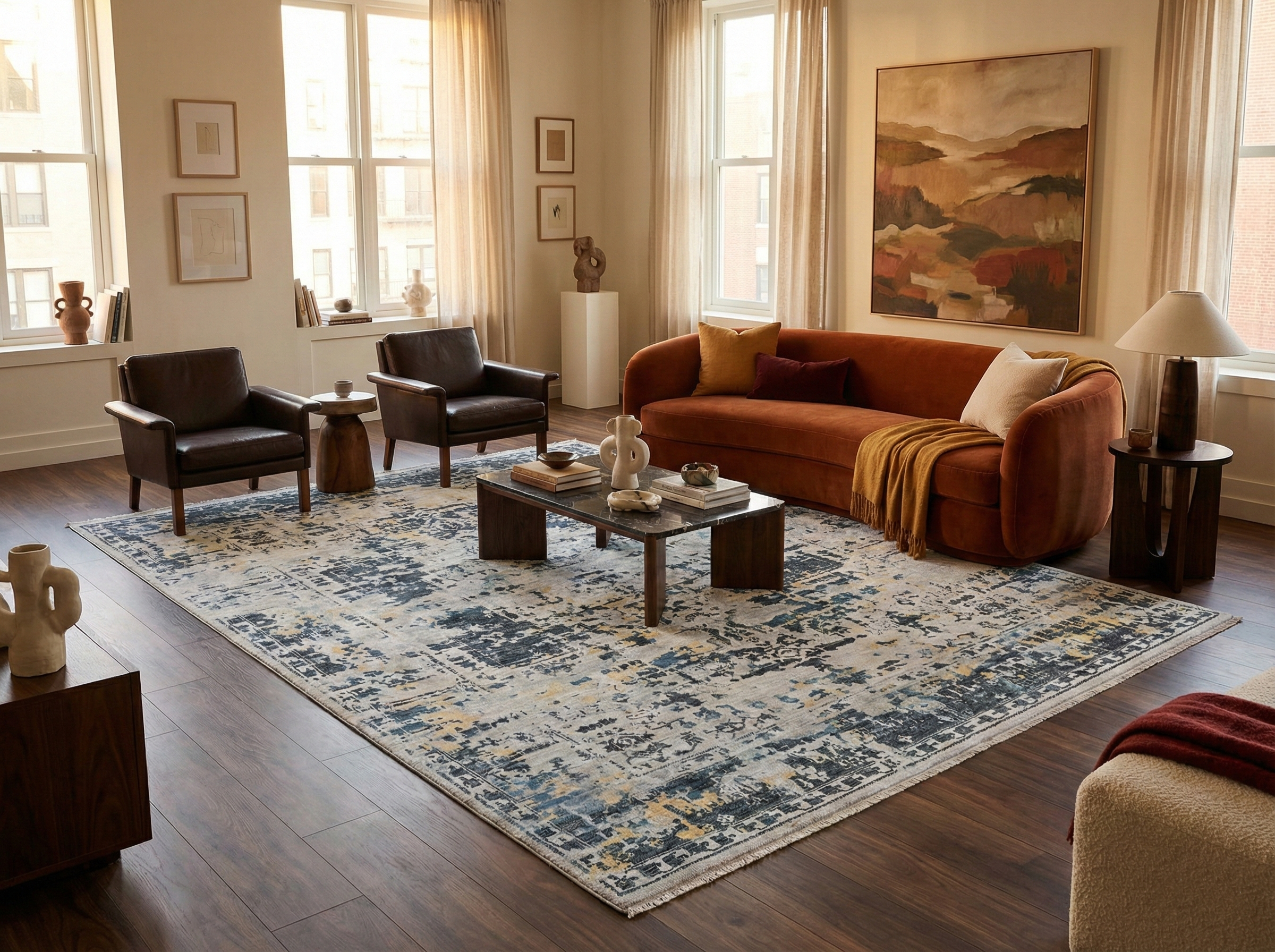
Talented weavers work with western designers pushing the boundaries of hand-knotted rug making, incorporating unusual abstract patterns that capture everyone’s attention, while maintaining their technique and quality.

Winter White, Modern Abstract Design, Fluffy Soft Pile, Pure Silk with Textured Wool, Hi-low, Hand Knotted, Oriental Rug
This handcrafted Modern Design is an authentic Pure Wool oriental rug. © 1800getarug.com


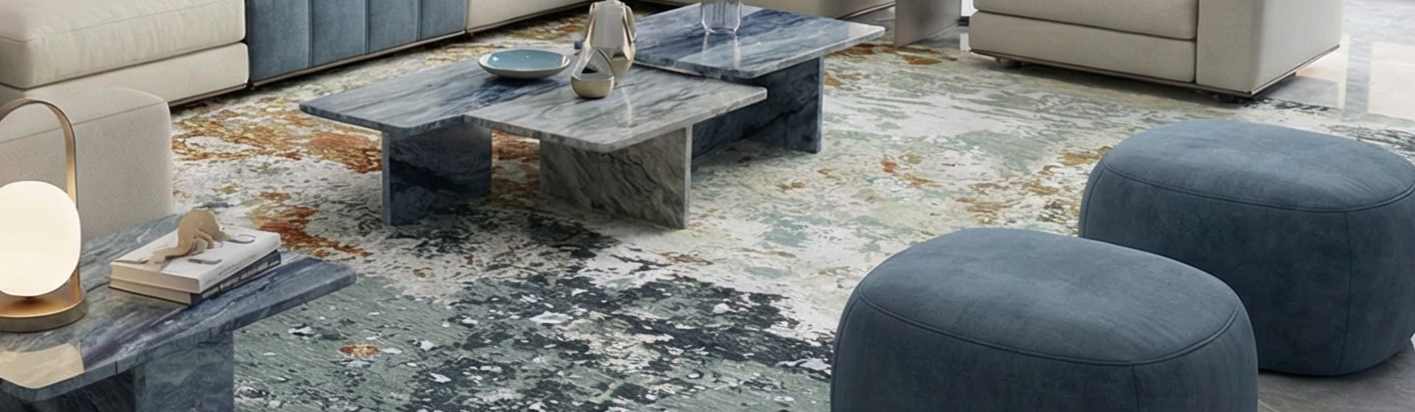
We find ourselves in front of carpets with splashes of color that remind us of a Pollock painting, or undefined lines as a memento of a Kandinsky. Abstract rugs are like pieces of art in a gallery. These intricate designs invite us to walk the path of the undefined, to leave behind the figurative and immerse ourselves in the mood of color, traces and break with the traditional motifs. Fashionable and asymmetric patterns in literally any color, mixed materials, but especially the intriguing nature these rugs share with contemporary art. There is always a commentary, a thought, just like modern art, abstract rugs, awakens unconscious feelings and surprises our imagination.

Ivory & Chocolate Brown, Modern Abstract Design with Natural Colors, Hand Knotted, Wool and Silk, Oriental Rug
This handcrafted Modern Abstract Design is an original Wool and Silk oriental rug.


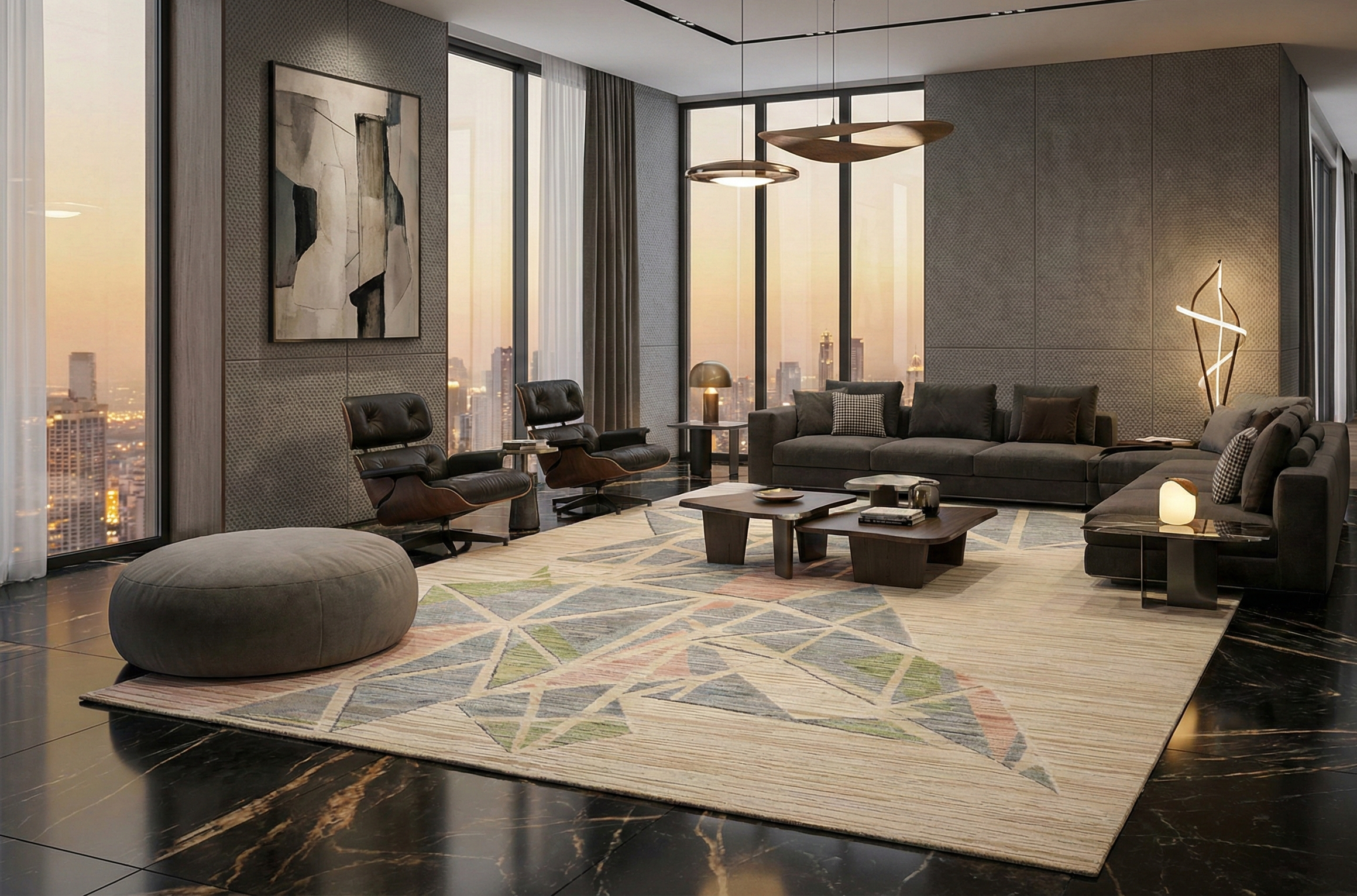
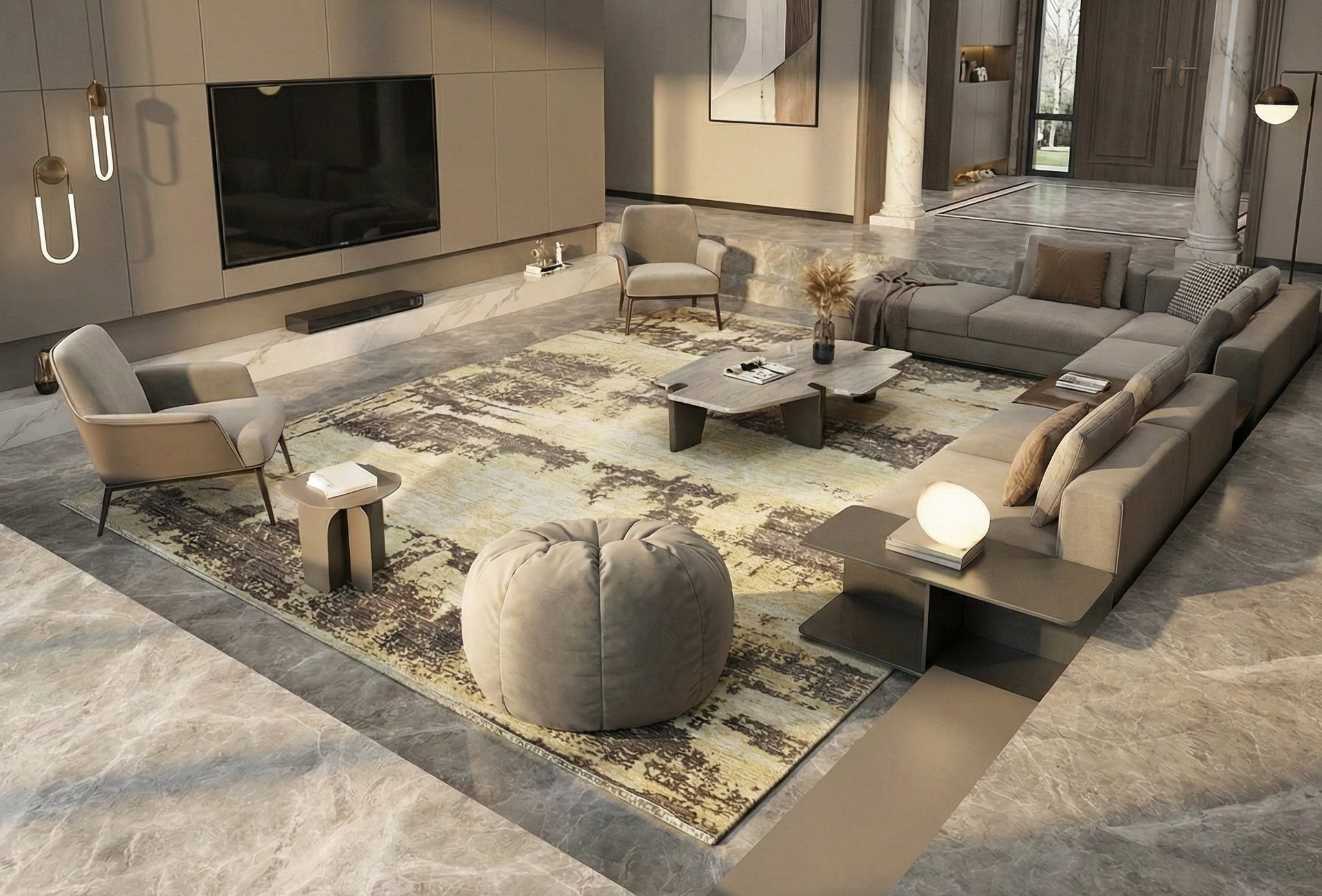
Certainly abstract design rugs are a way of incorporating art into space, beyond an accent rug, or a background for your main decor. Abstract design rugs are the focal point in a room, the main piece, and the spotlight of the show. Interior designers recommend working the stage setups around this type of rug, instead of doing it the other way around. When you choose to decorate with an abstract design rug you have to be conscious of the way architecture and furniture relates to the rug. Decoration will result in an organic space where every element adds to create a free spirited room full of personality.

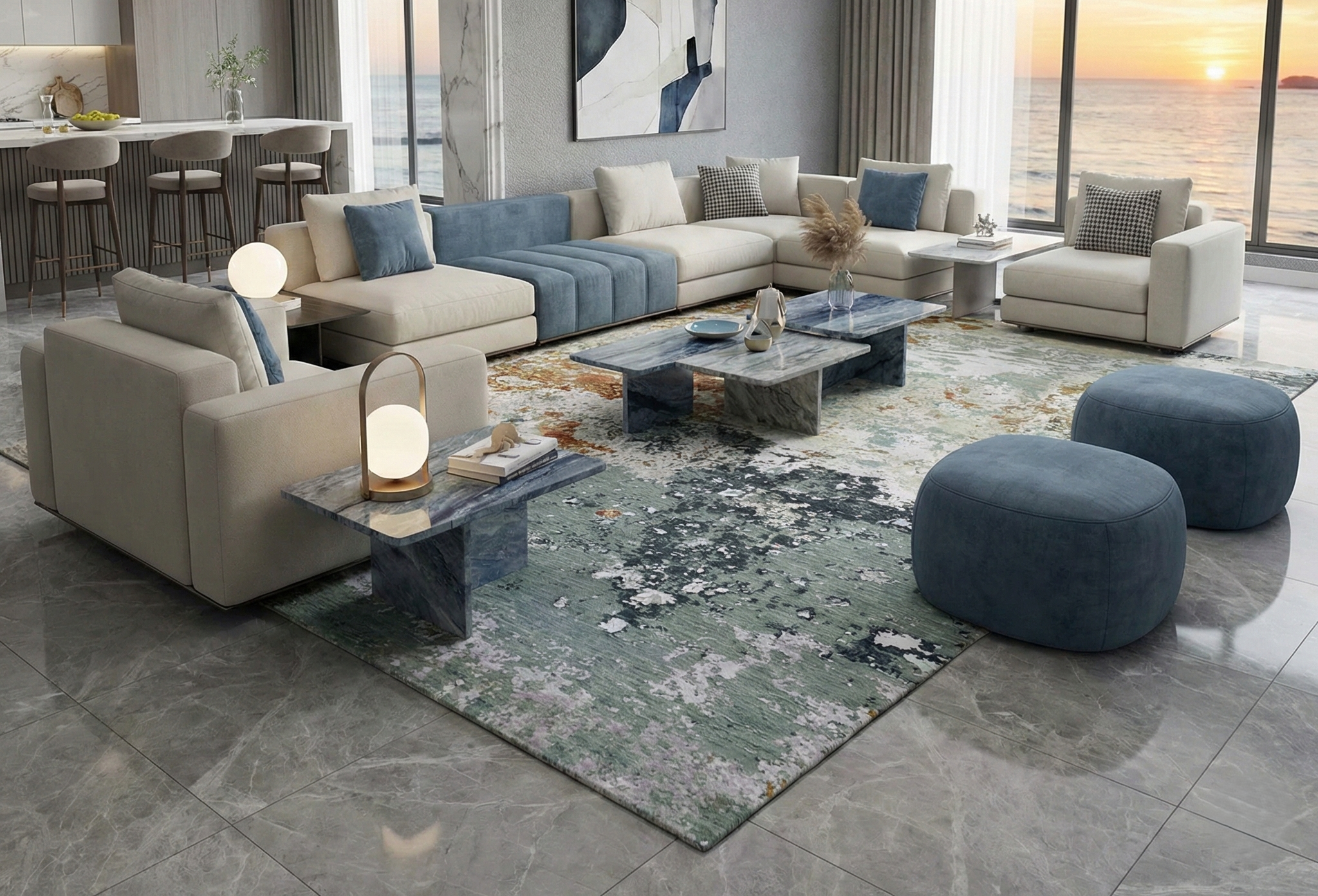
Mineral Blue with Beige, Persian Knot, Abstract with Galaxy Design, Pure Wool, Hand Knotted, Densely Woven, Oriental Rug
This handcrafted Abstract Design is an authentic Pure Wool oriental rug. © 1800getarug.com


Sari Silk Rugs

From Saris to an Astonishing Rug


The grace and the gemlike colors of Sari`s silk are cleverly transformed into yarns that are then weaved into marvelous hand knotted rugs by highly skilled artisans. The Mamluk, pictured here, goes a step further mixing the luxurious sari silk with the rustic look of oxidized wool. The oxidized wool lowers the pile of the rug while the silk is not affected by the process, creating the high and low effect and, above all, enhancing its brightness in a mixed material rug. The final effect is astonishing, reserved for those who enjoy originality and a varied look.

Ivory, Sari Silk, Colorful Mamluk Design, Hand Knotted, Oriental Rug
This handcrafted Mamluk Design, is an original Pure Wool oriental rug. © 1800getarug.com


The Sari Silk remnants become the raw material for rugs. Indian artisans unthread the saris by hand, the extracted silk is fortified with cotton or other natural fibers and utilized again for new rugs. Another way of obtaining the Sari Silk is by re-spinning silk from the mill ends of sari looms: once the rug is weaved with silk and wool, it goes through an oxidation process that reduces the wool pile.

Papyrus White, Colorful Polonaise Broken Design, Hand Knotted, Wool and Sari Silk, Oriental Rug
This handcrafted Colorful Polonaise Broken Design is an original Wool and Sari Silk oriental rug. © 1800getarug.com


Think of these rugs as an exquisite drapery that will dress any special room in your home. Be aware: They are unique pieces, elegant and sophisticated for that special place in your home. Sari Silk rugs are durable, however try to keep them in low traffic areas. If well kept, they will be a decoration treasure for decades!

Amber Gold, THE BUTTONS, Sari Silk, Hand Knotted, Soft to the Touch, Sample, Mat, Oriental Rug
This handcrafted Modern Design is an authentic Sari Silk oriental rug © 1800getarug.com


Moroccan Rugs

Moroccan Rugs: A journey of creativeness.


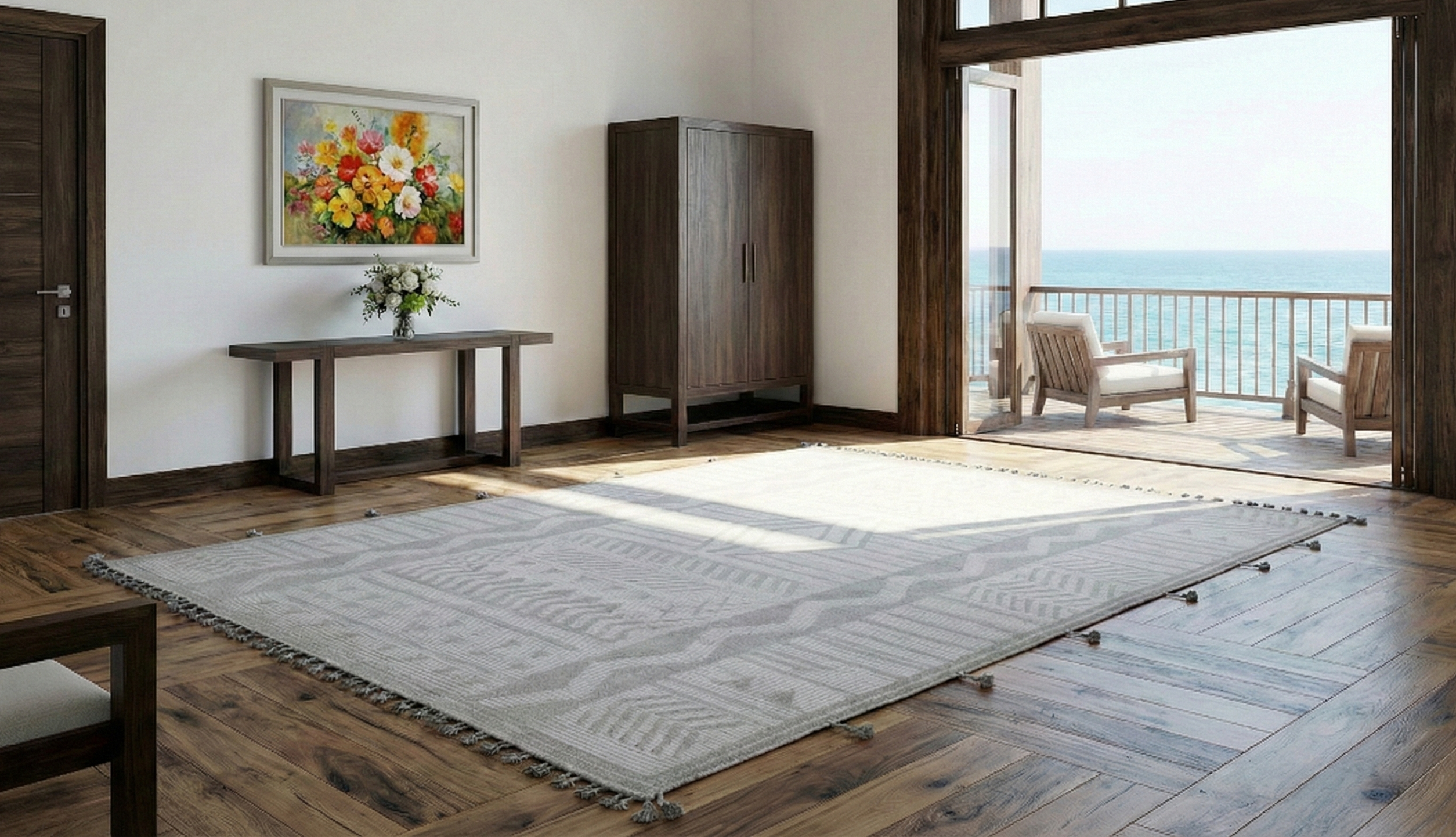
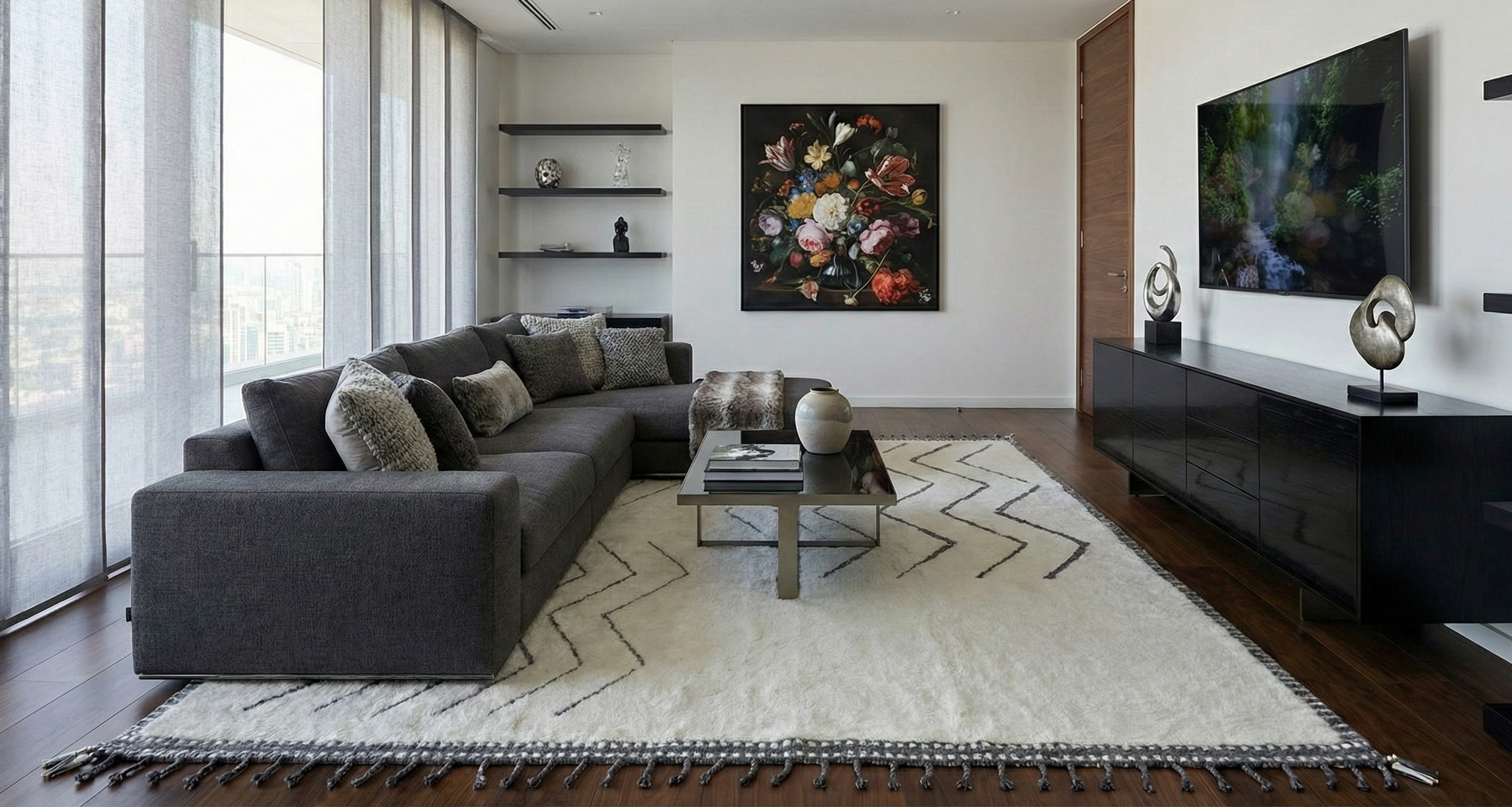
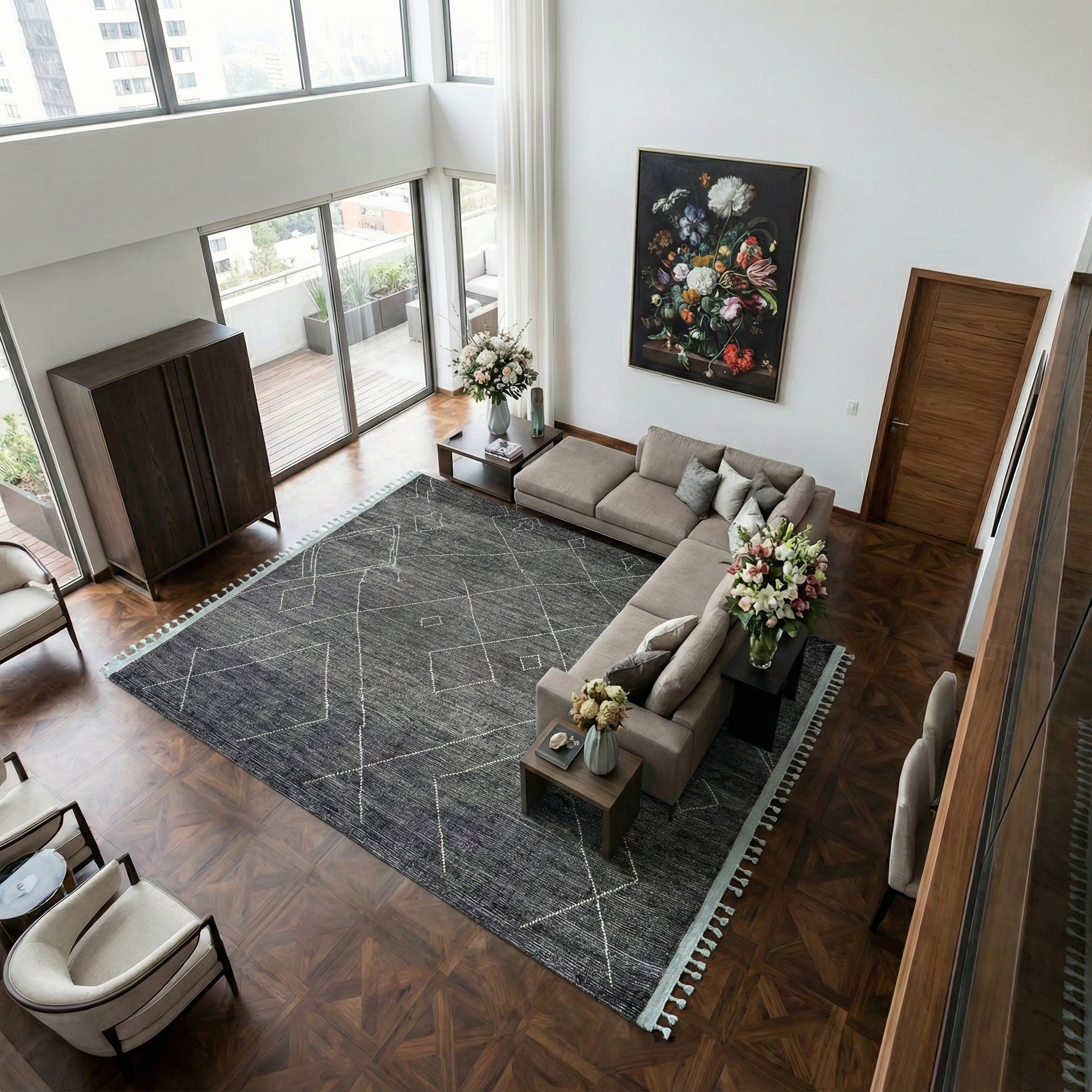
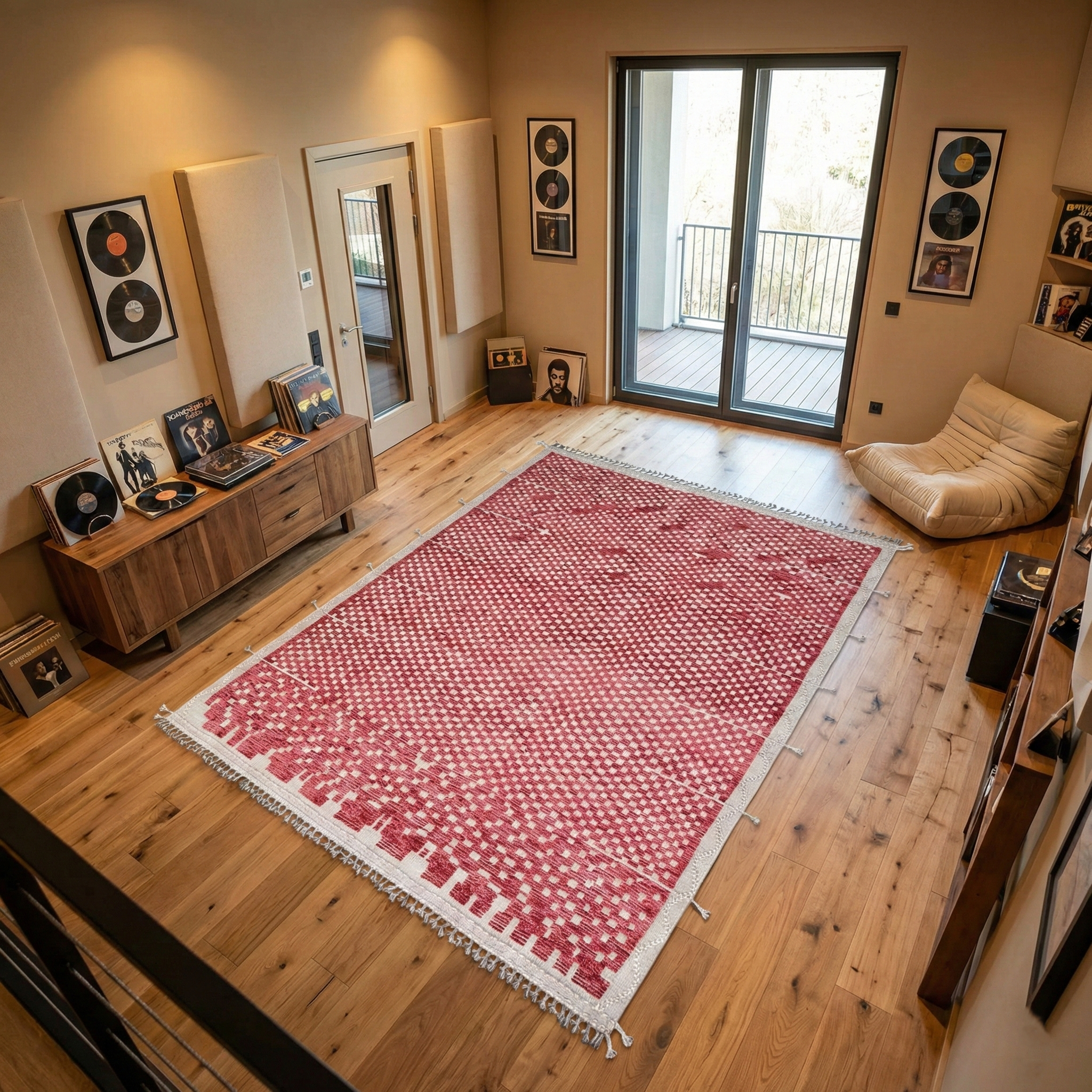
Moroccan rugs are a large category of hand-woven carpets from Morocco. History and geography played a key role in the development of these rugs. To understand their variety we have to keep in mind Morocco is a blend of cultures, such as Arabic, Indigenous Berber, Sub–Saharan and European influences. Furthermore, the rich and varied landscape ranging from desert to mountains gives the rugs specific characteristics. For instance, knotted heavy pile rugs are used in the snowy Atlas Mountains while flat, light woven ones are better suited for the Sahara Desert.

Daisy White, Moroccan Weave with Geometric Pattern, Hand Knotted, Tone on Tone, Soft Wool, Textured Pile, Runner, Oriental Rug
This handcrafted Moroccan weave is an authentic Pure Wool oriental rug. © 1800getarug.com 


In the past, traditional Moroccan Rugs had a utilitarian purpose: indigenous people from the desert used them to sleep, sit, dress, cover or to protect their animals with little though for decoration, but today western collectors appreciate the simple tribal designs and the wide color hues because they are easily matched with modern and sleek furniture.

Lazy Gray and Light Beige, Embossed Pile Moroccan Weave Geometric Oulad Bousbaa Design, Tone On Tone, Vegetable Dyes, Organic Wool, Hand Knotted, Oriental Rug
This handcrafted Moroccan Weave, is an authentic Pure Wool oriental rug. © 1800getarug.com


Depending on the region, Moroccan rugs have distinctive designs and styles as shown below:
Berber Beni Ourain rug are usually weaved in two colors of neutral shades with tribal patterns and designs.

Azilal tribal are carpets woven by Berber women from the Azilal region for domestic use, they feature abstract and minimalist colorful designs.

Daisy White, Moroccan Weave with Geometric Line Design, Modern, Textured Pile, Natural Undyed Wool, Shabby Chic, Hand Knotted, Oriental Rug
Daisy White, Moroccan Weave with Geometric Line Design, Modern. © 1800getarug.com


Rugs made in Rabat are well known for their diamond shape, flower designs and bare field.

Charcoal Black, Moroccan Weave with Geometric Pattern, Soft Wool, Hand Knotted, Tone on Tone, Textured Pile, Oriental Rug
This handcrafted Moroccan weave is an authentic Pure Wool oriental rug. © 1800getarug.com


Boucherouite (Rag Rugs) beautifully made from scraps of old clothes.

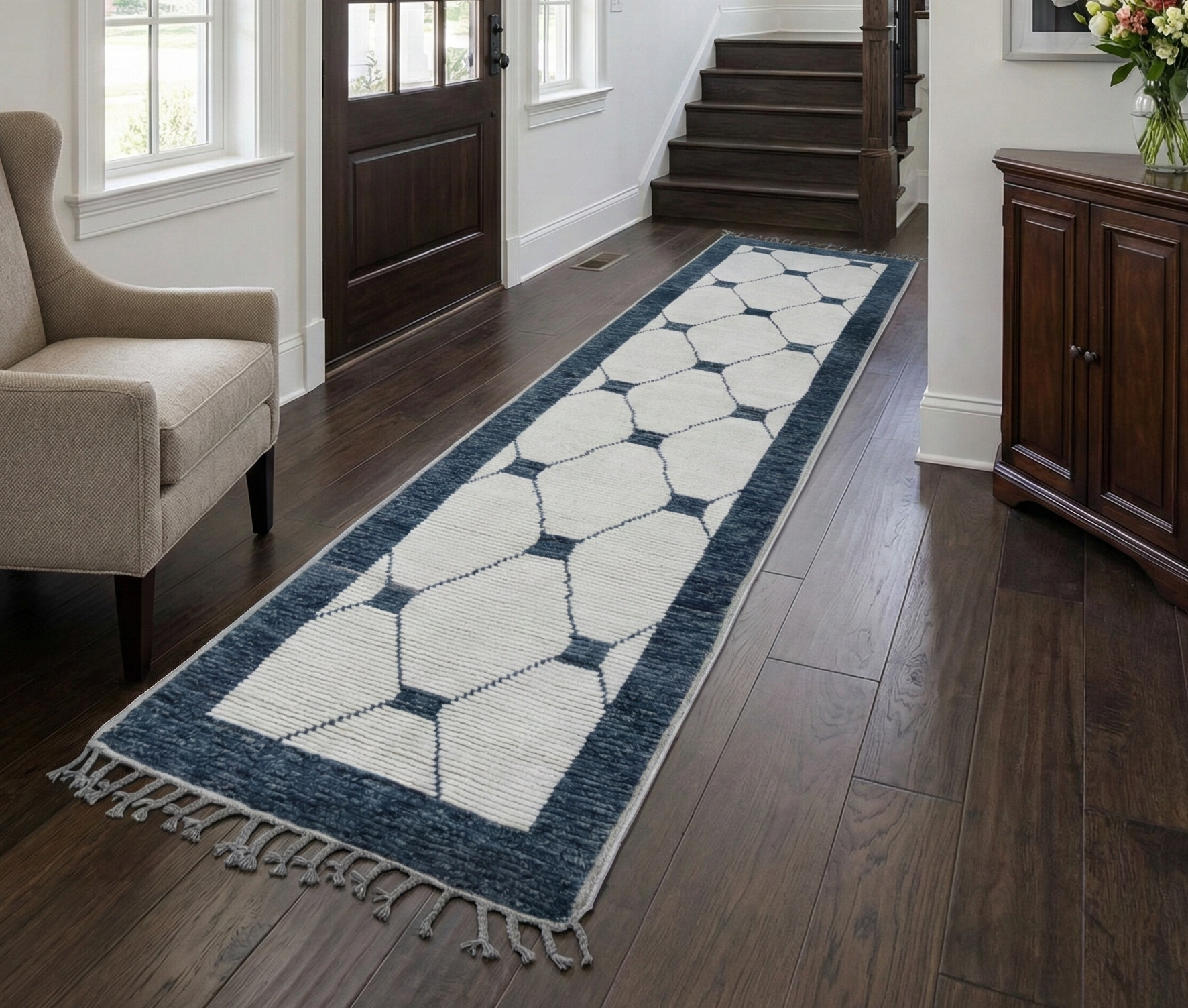
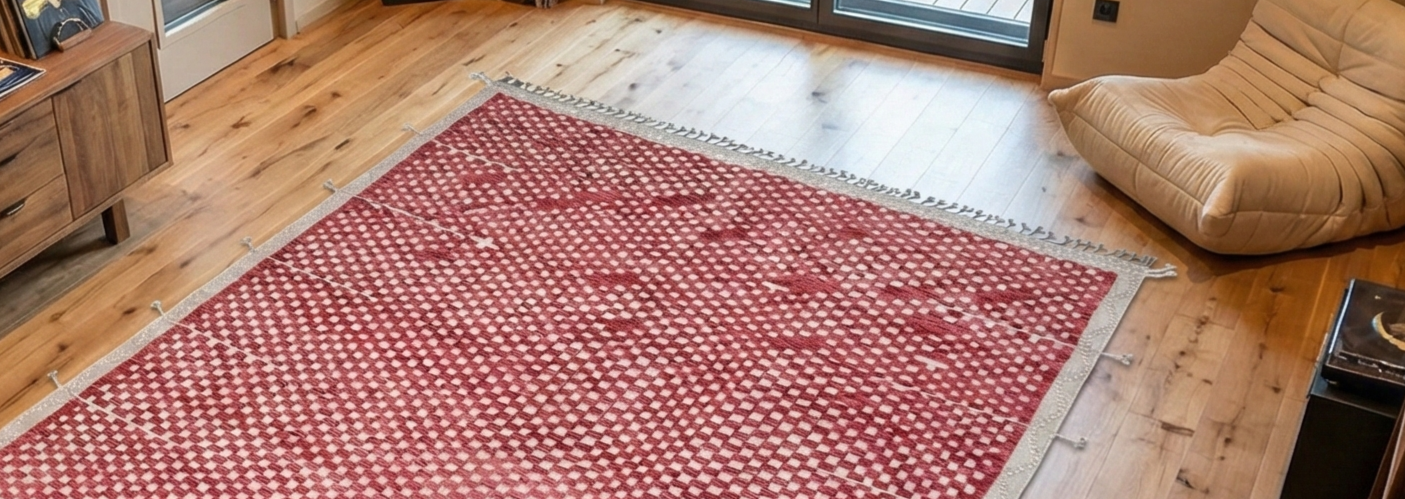
Chilli Pepper Red With Narrow Border, Hand Knotted, 100% Wool, All Over Grid Design, Marmoucha Inspired Moroccan Oriental Rug
This handcrafted Moroccan Marmoucha Design, is an authentic Pure Wool oriental rug. © 1800getarug.com


Moroccan rugs showcase the diversity and history of an entire country, from the ocean side cities to the snow-capped mountains, these rugs take us on a journey of creativeness and connect our spaces with ancient cultures.