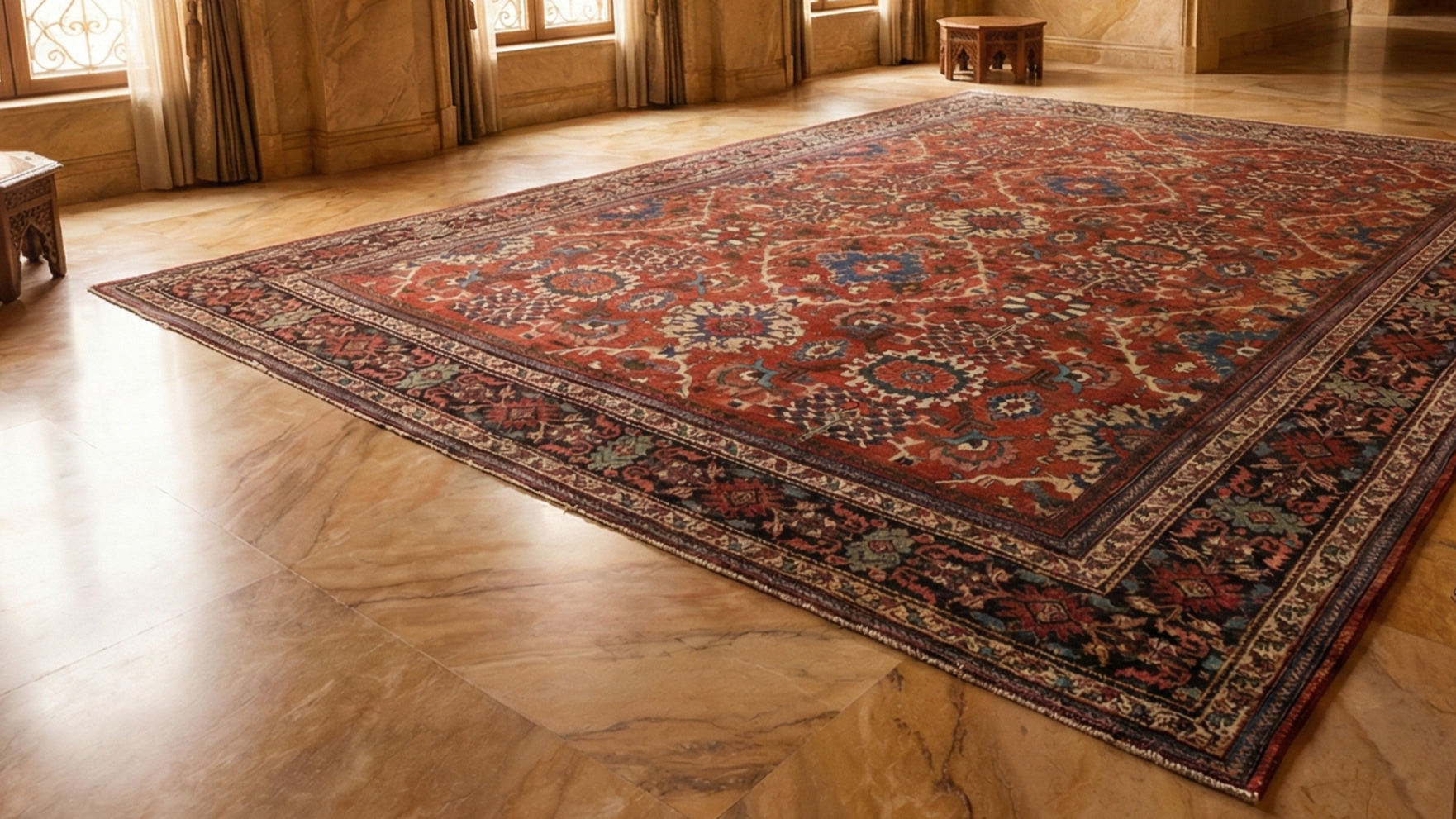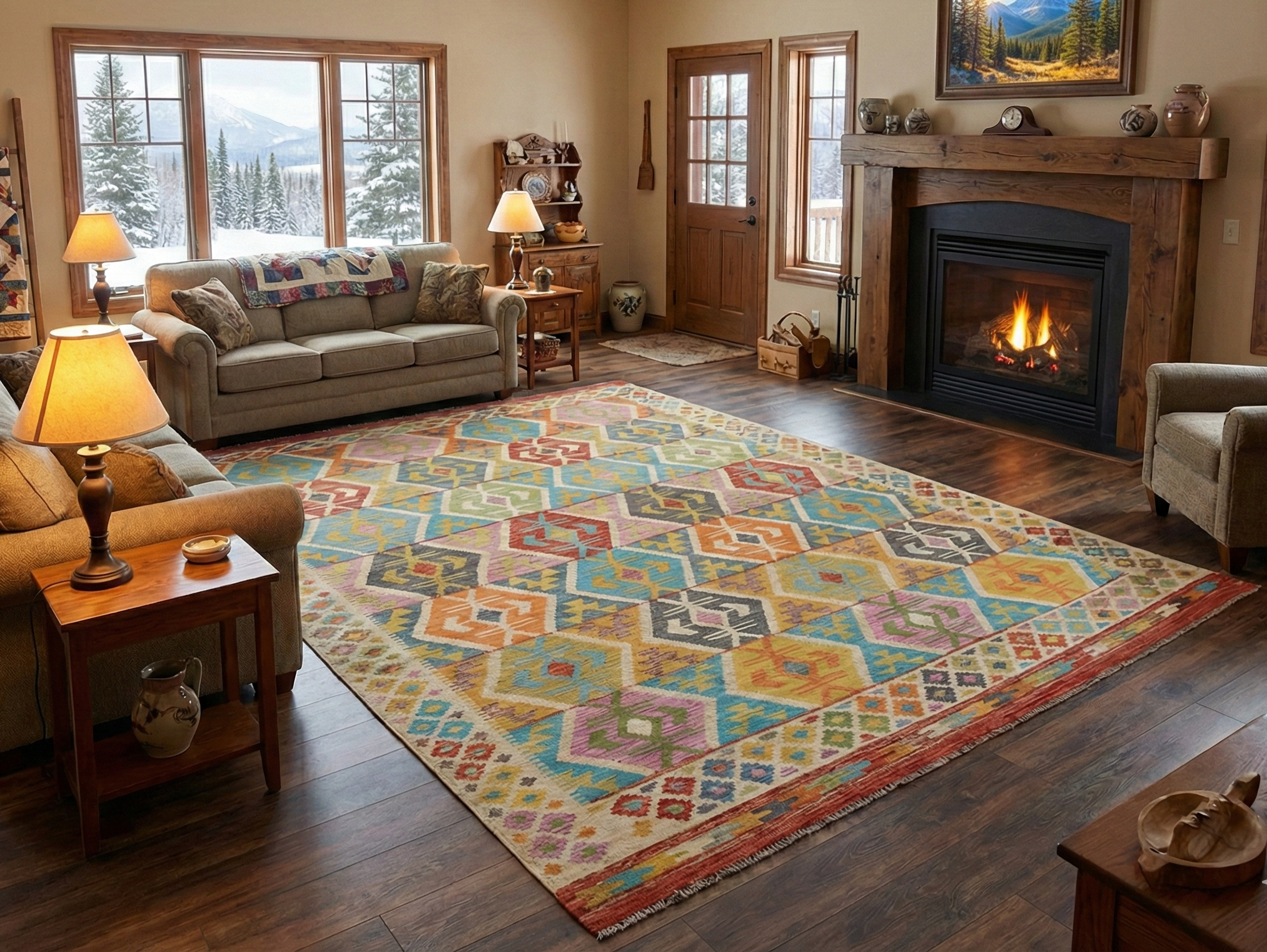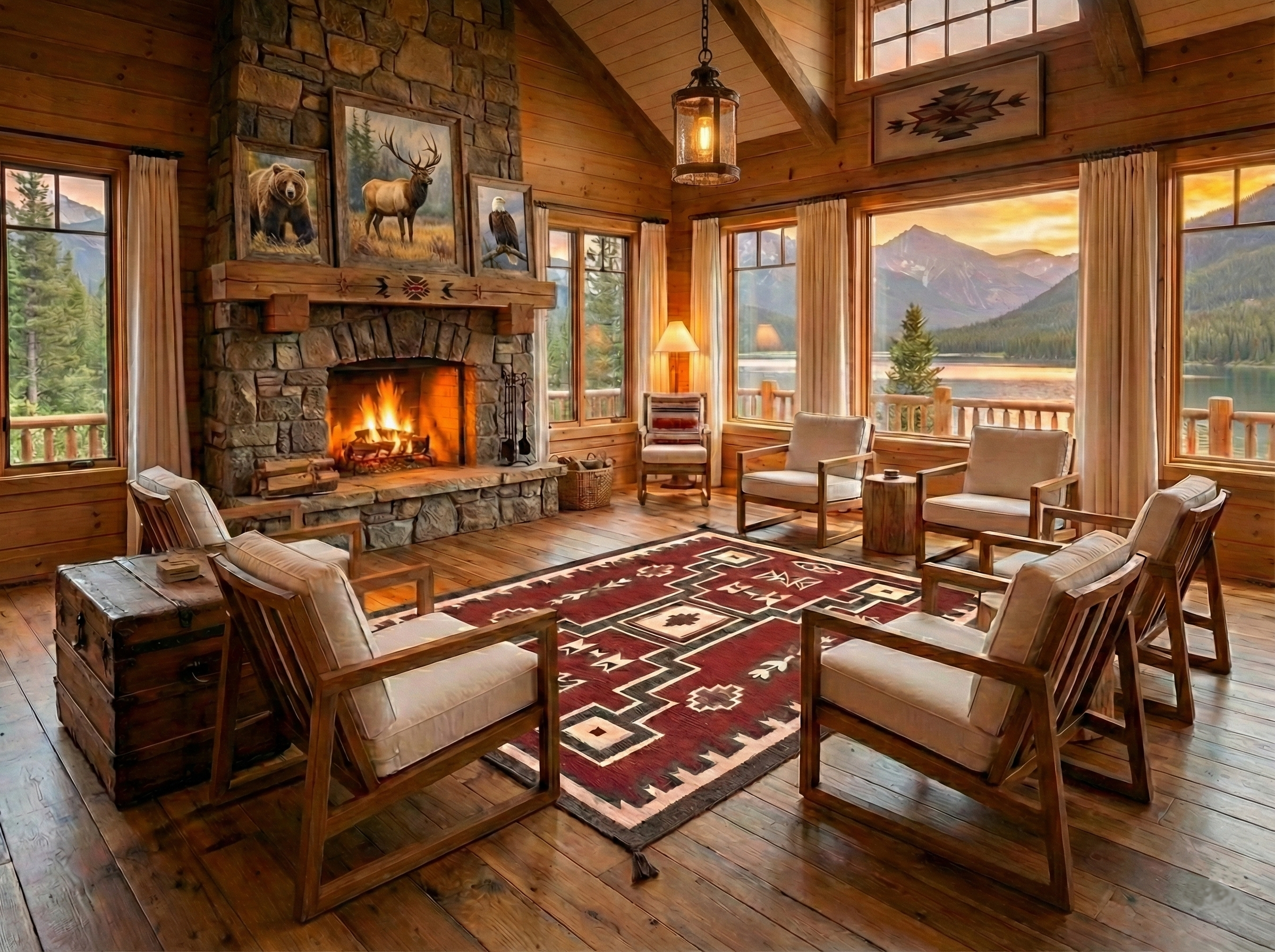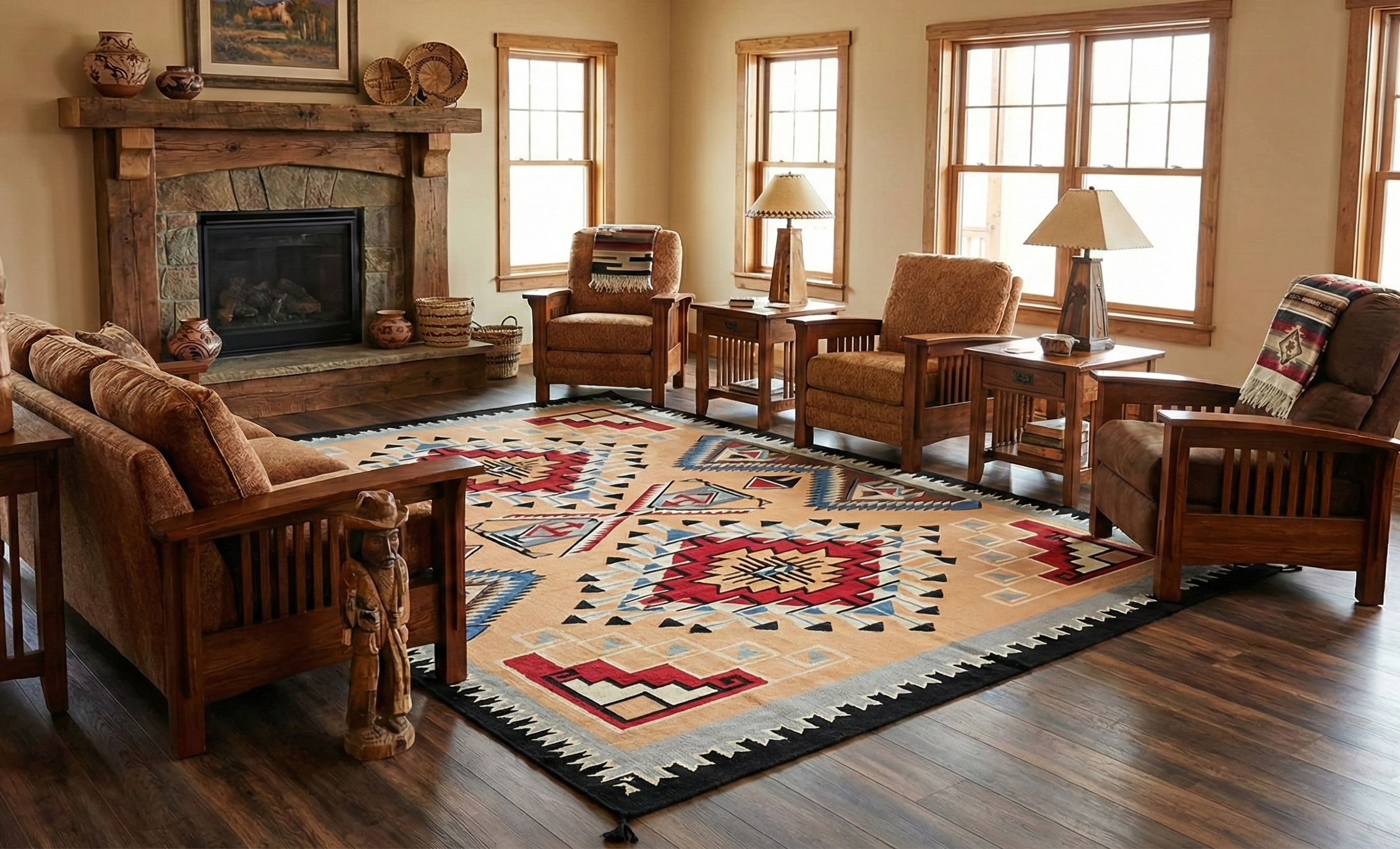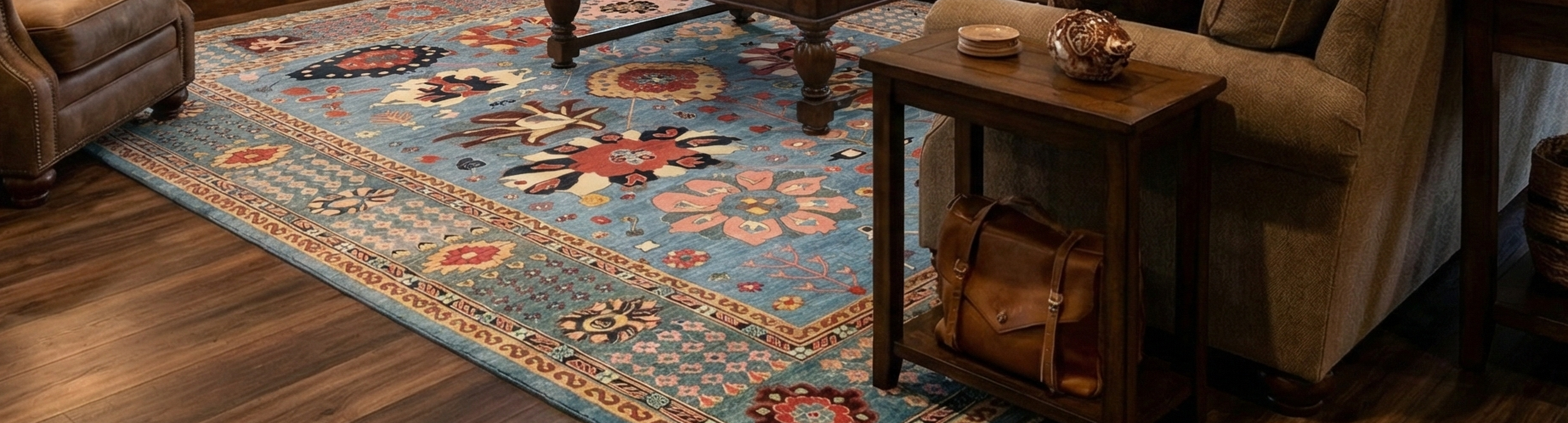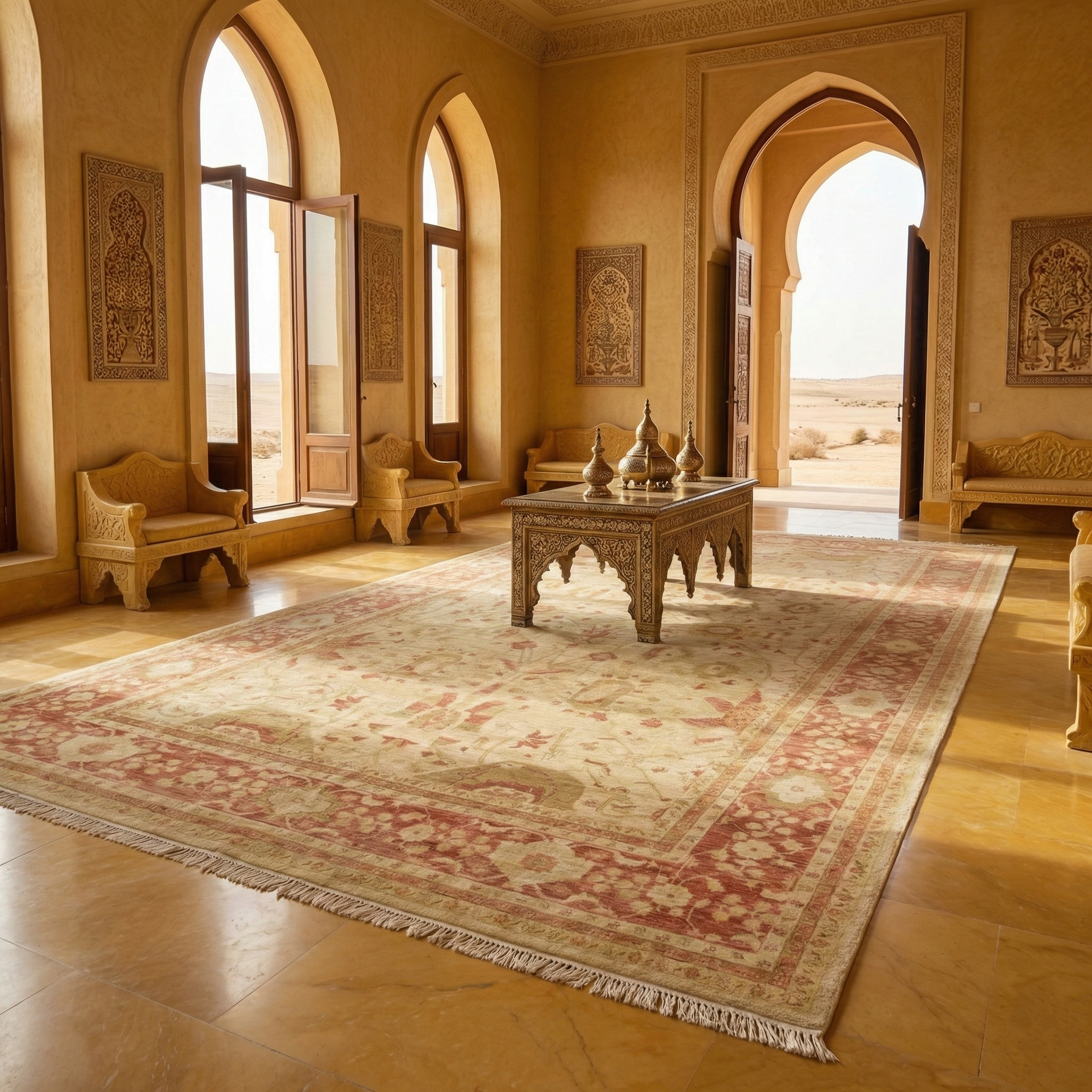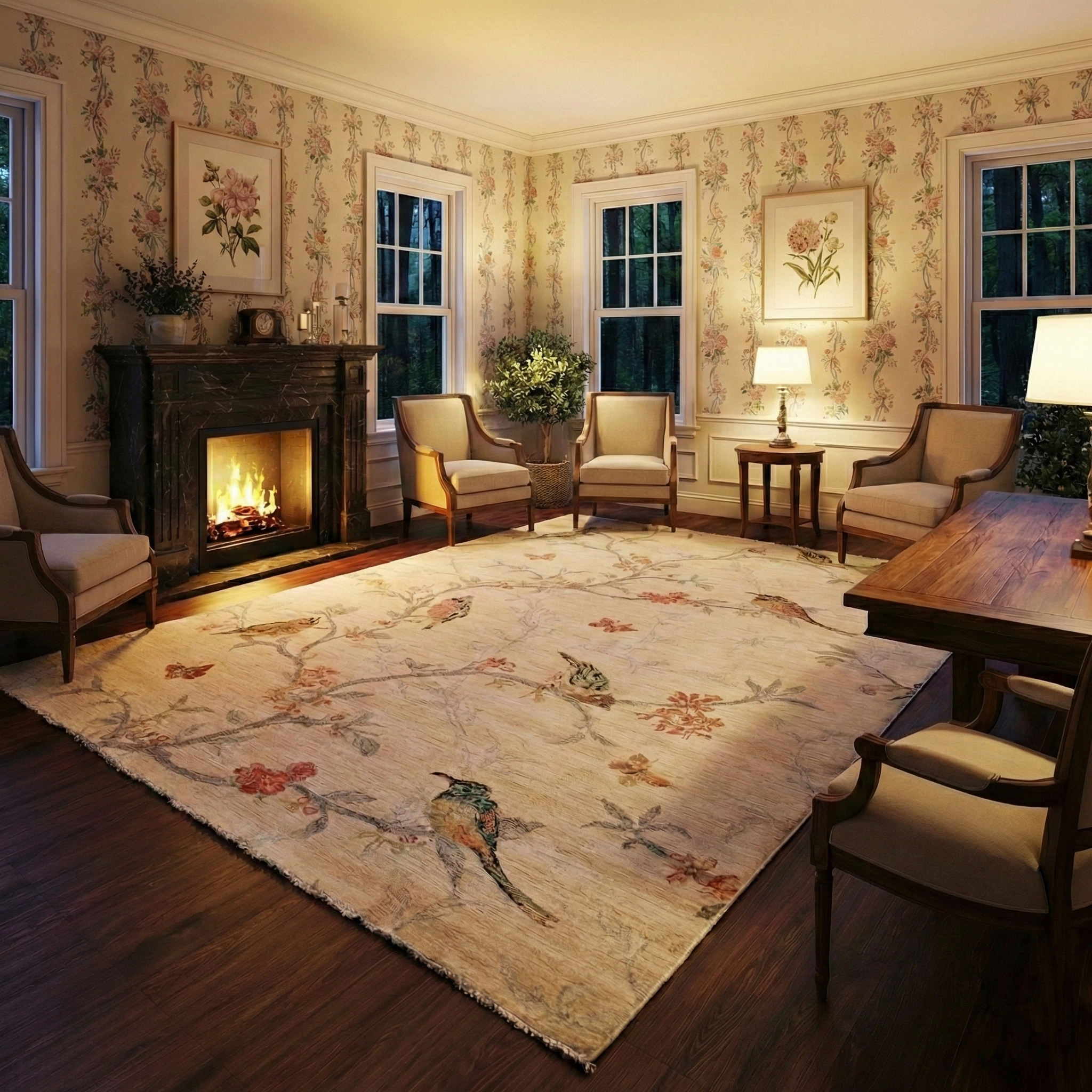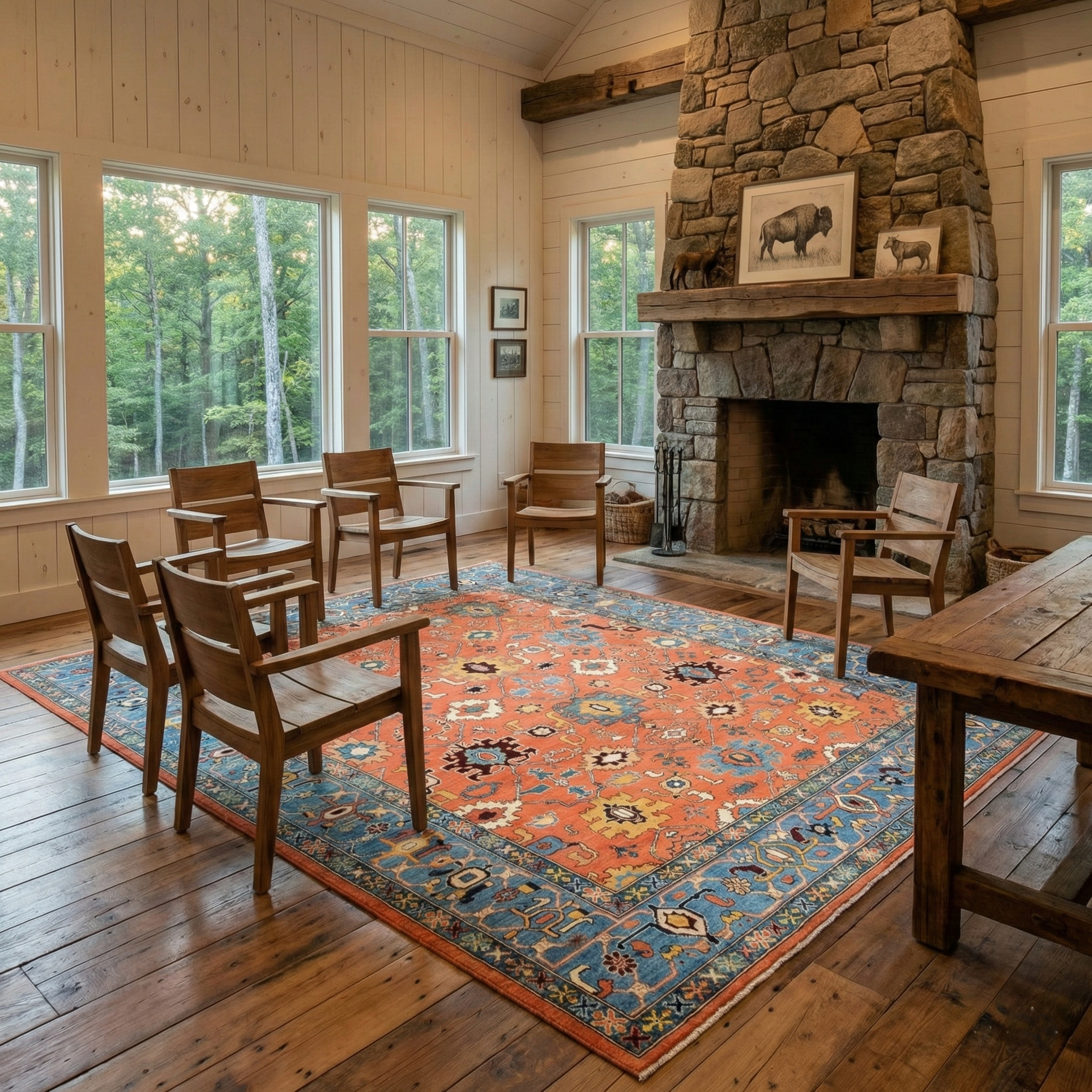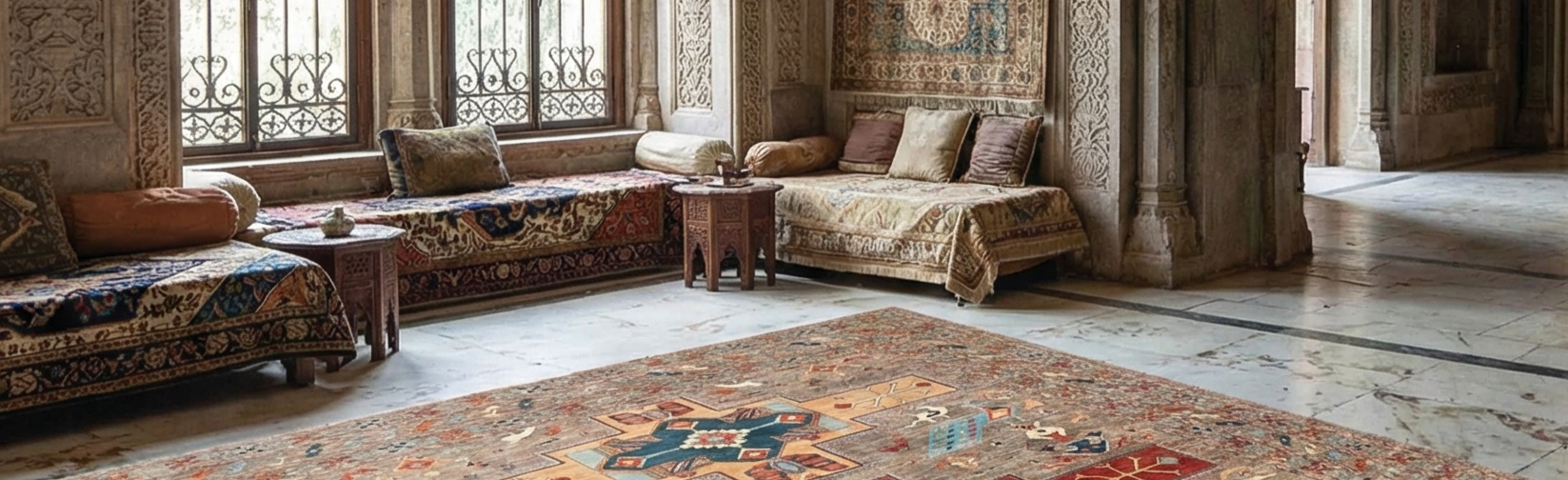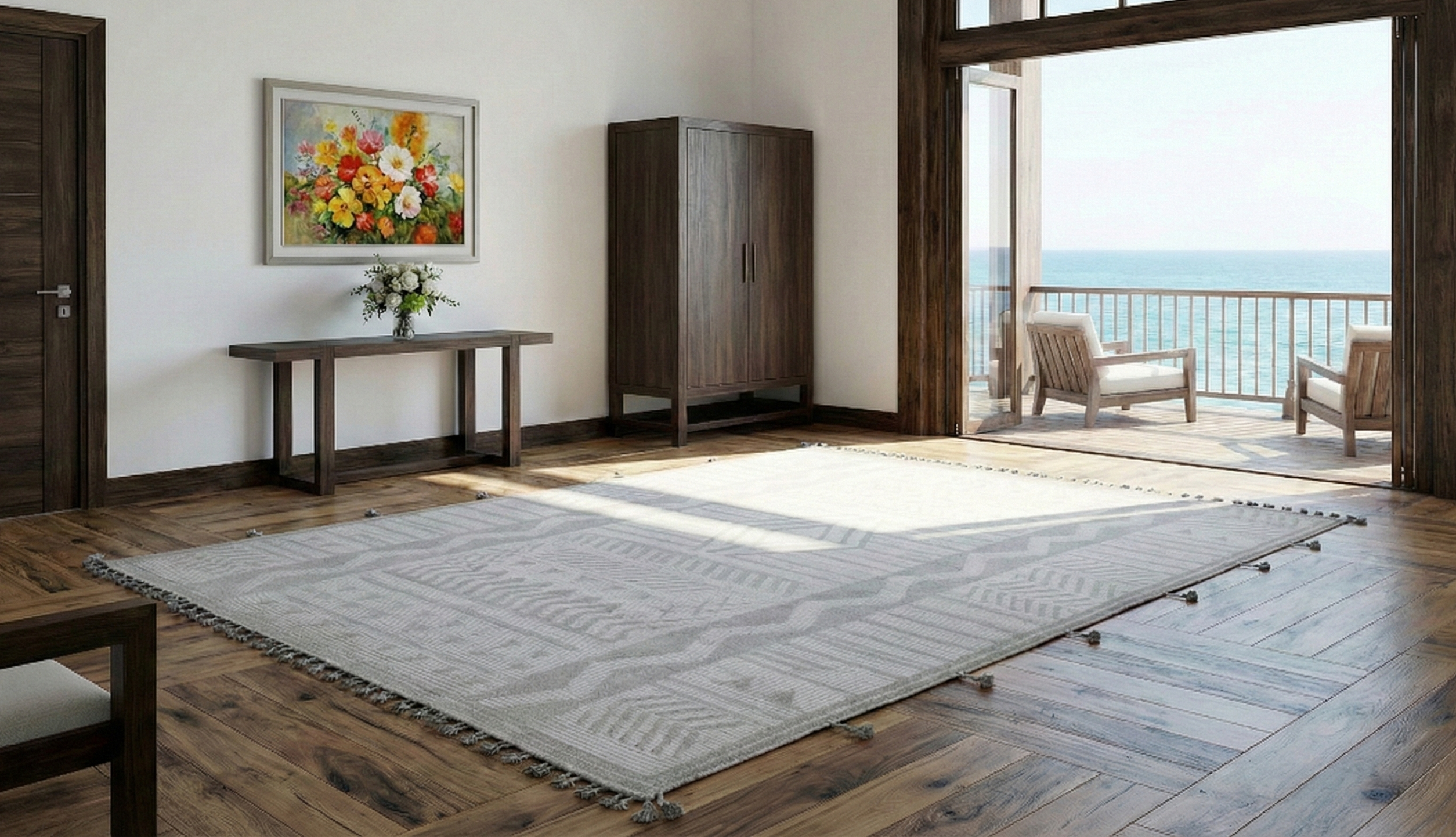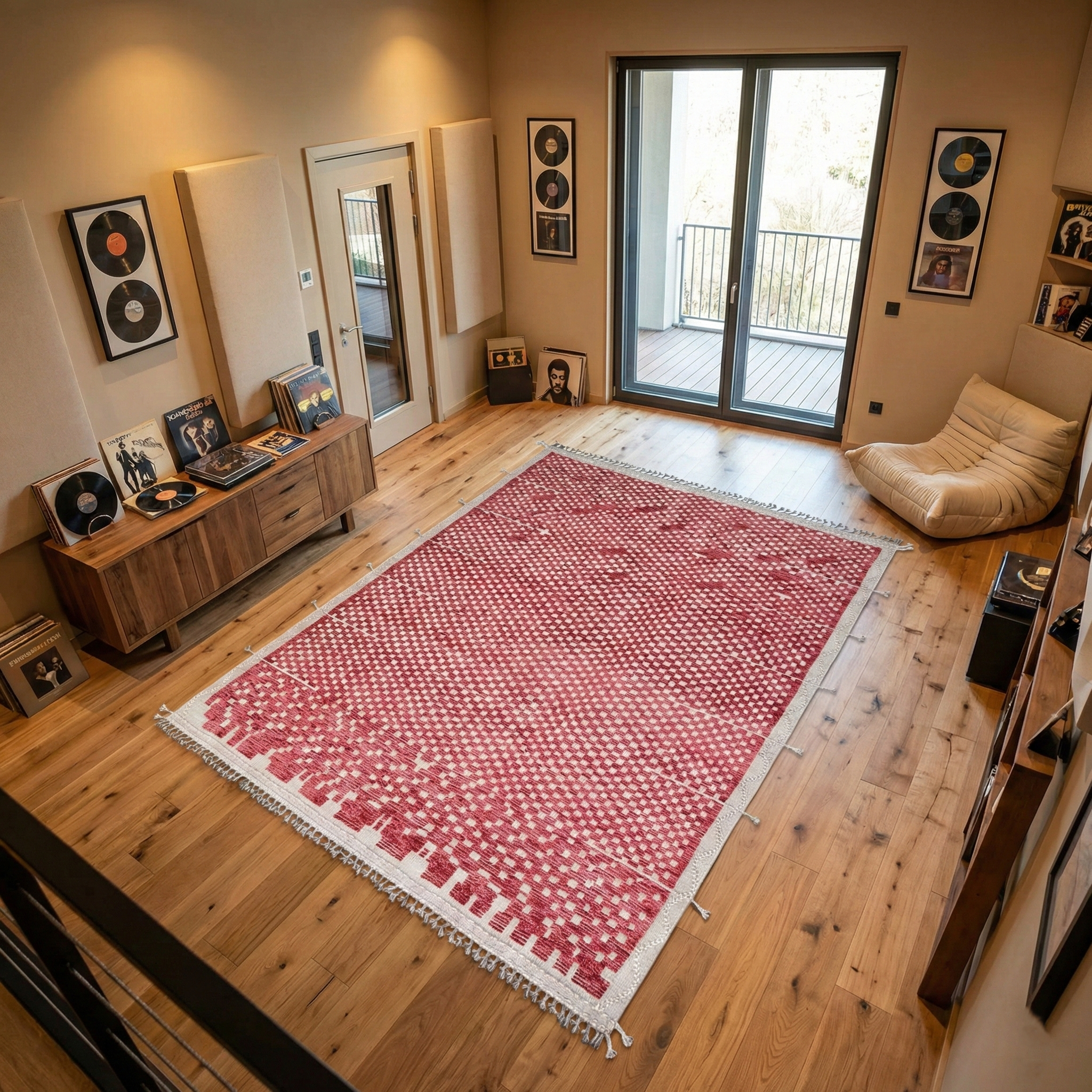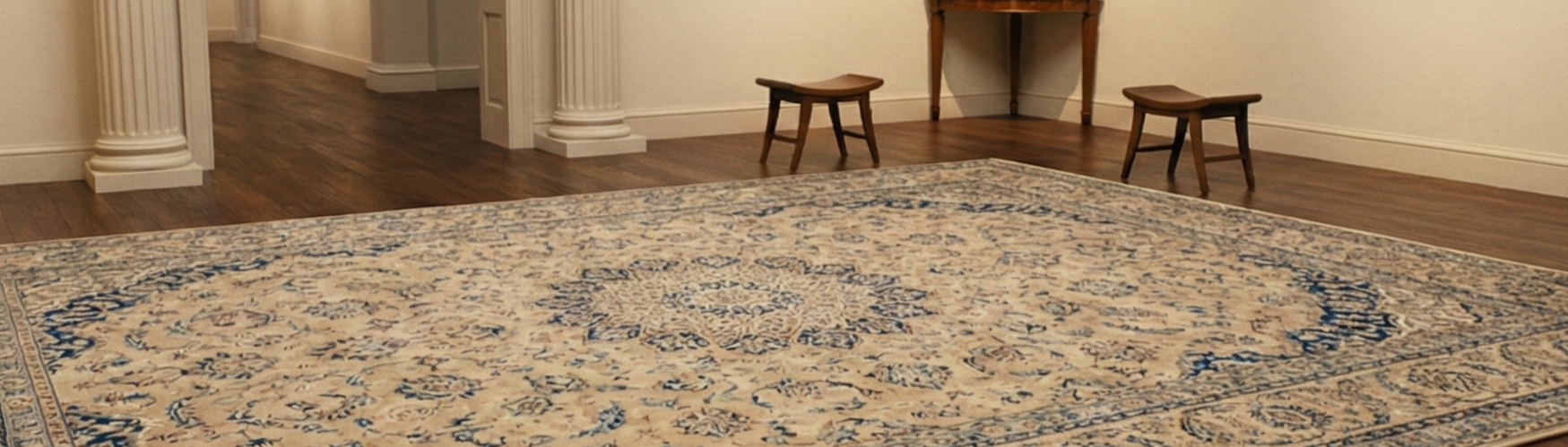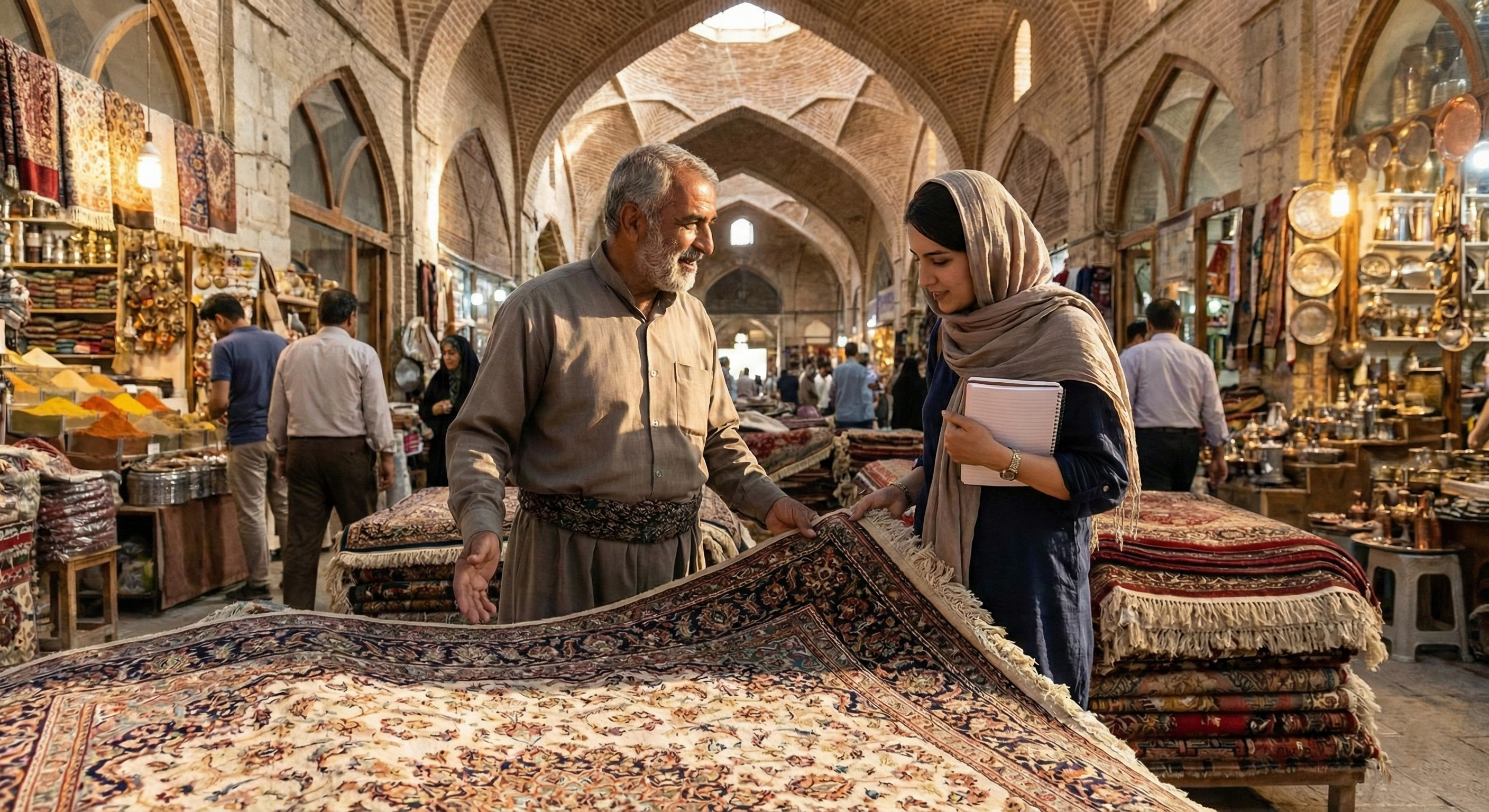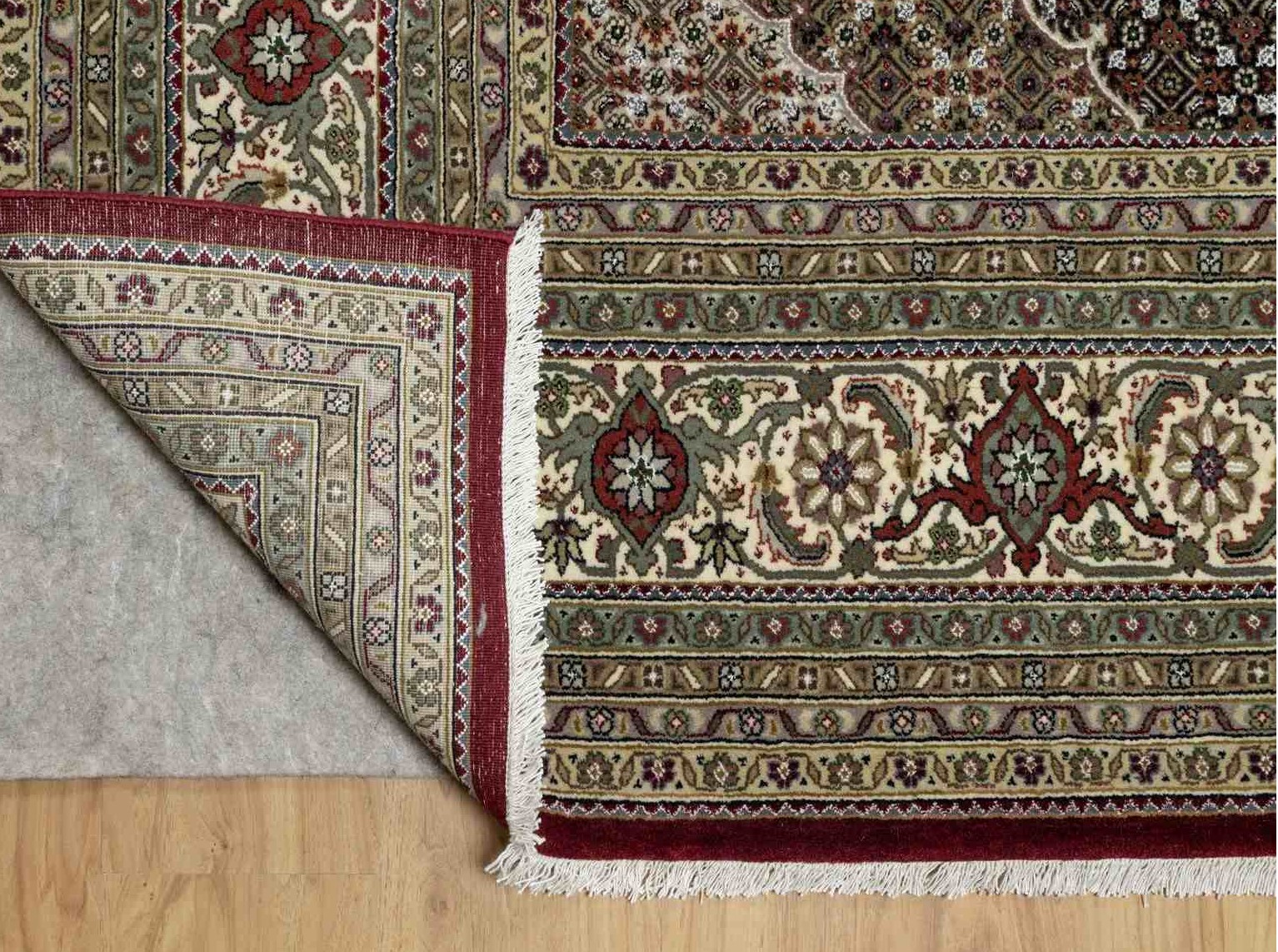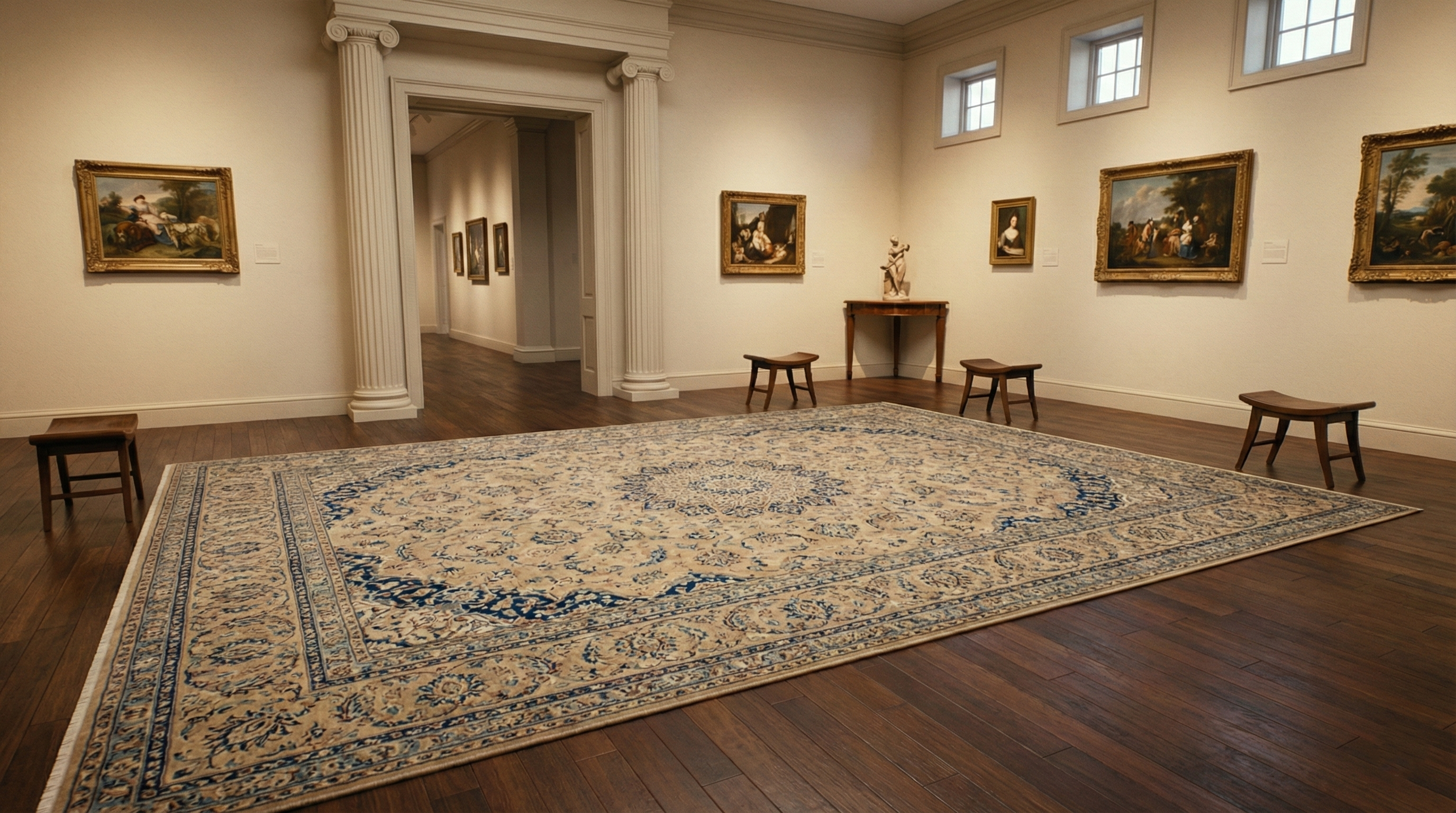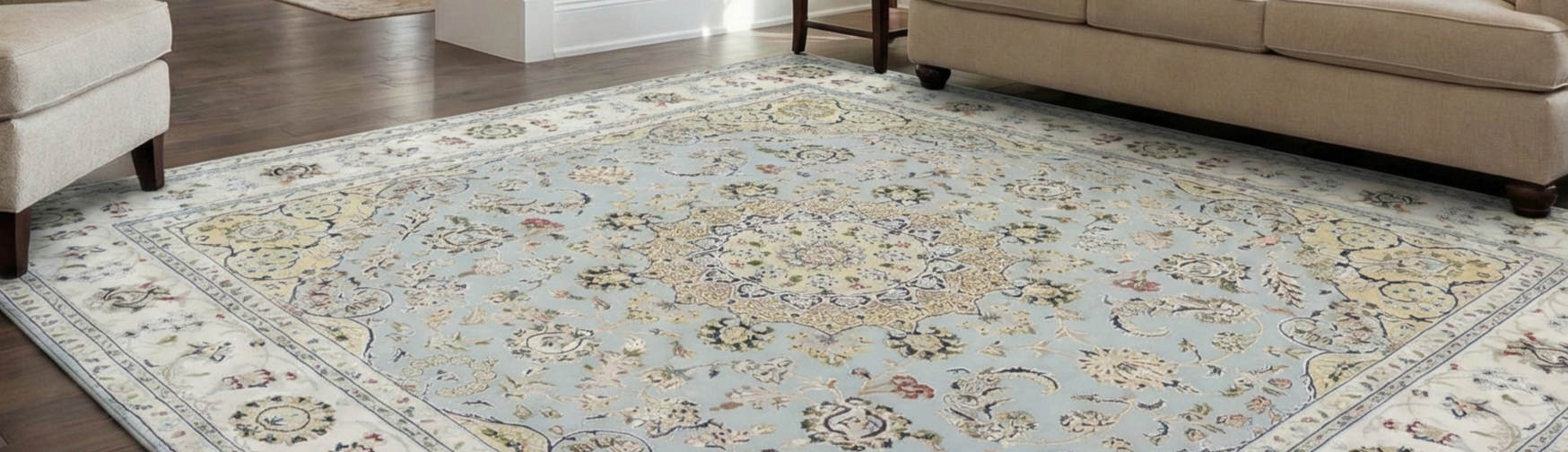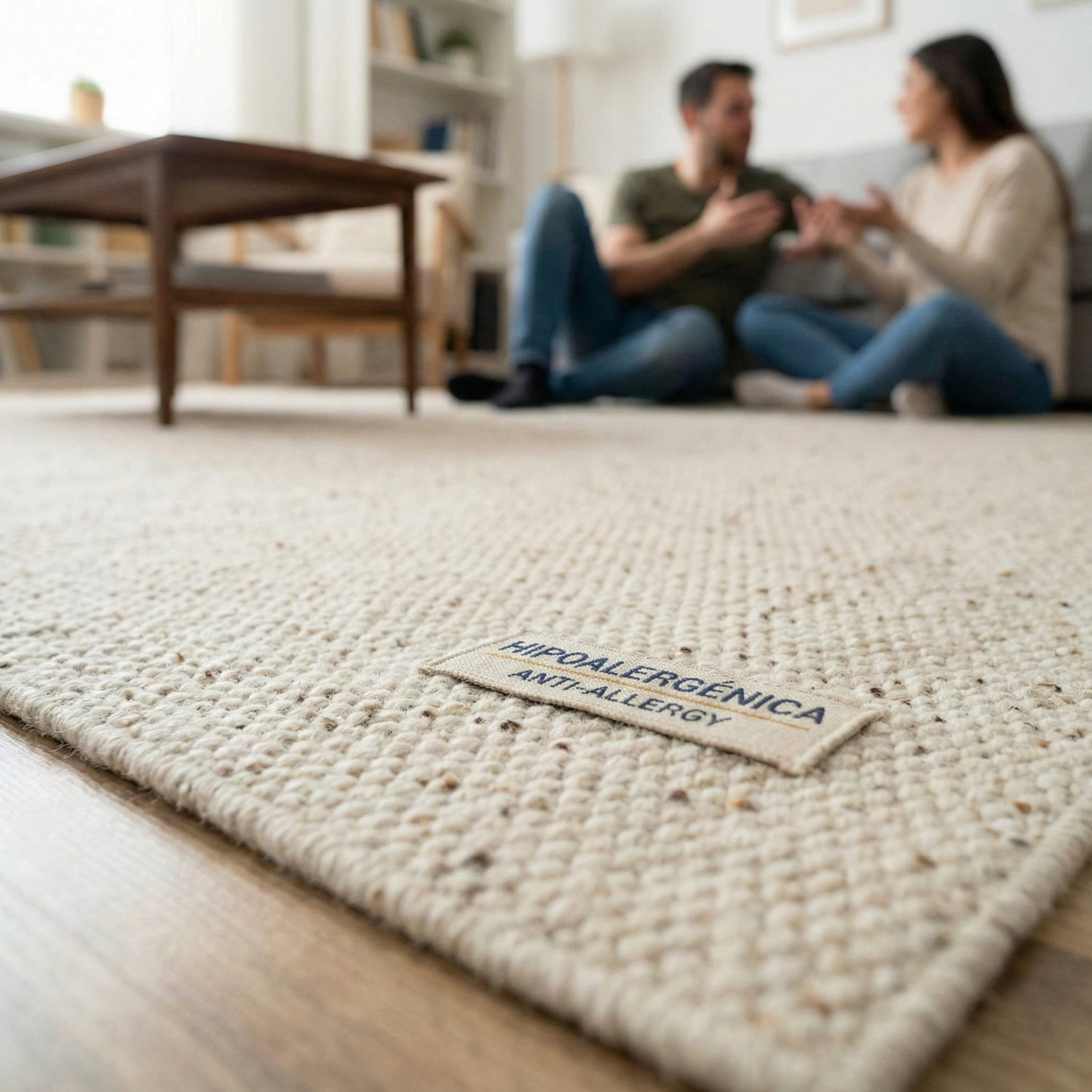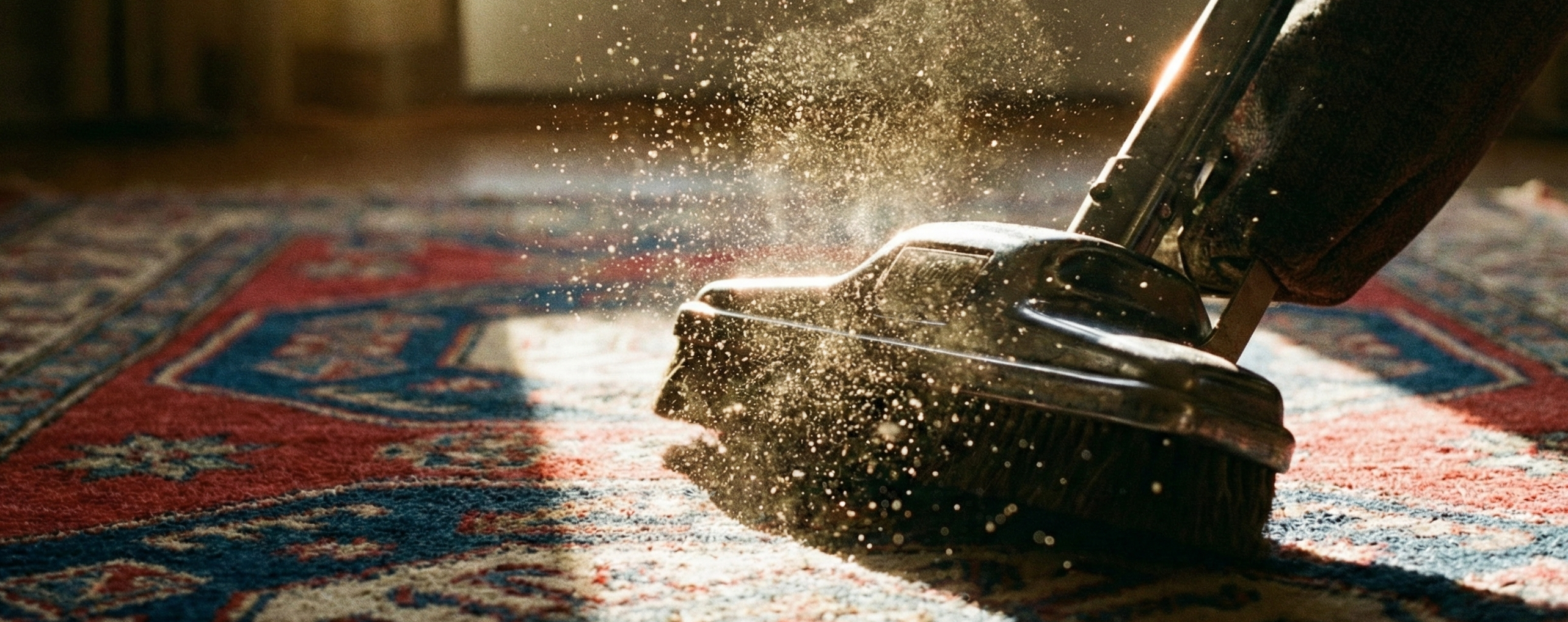
Persian Rugs – The Perfect Choice for Traditional, Modern, and Contemporary Homes

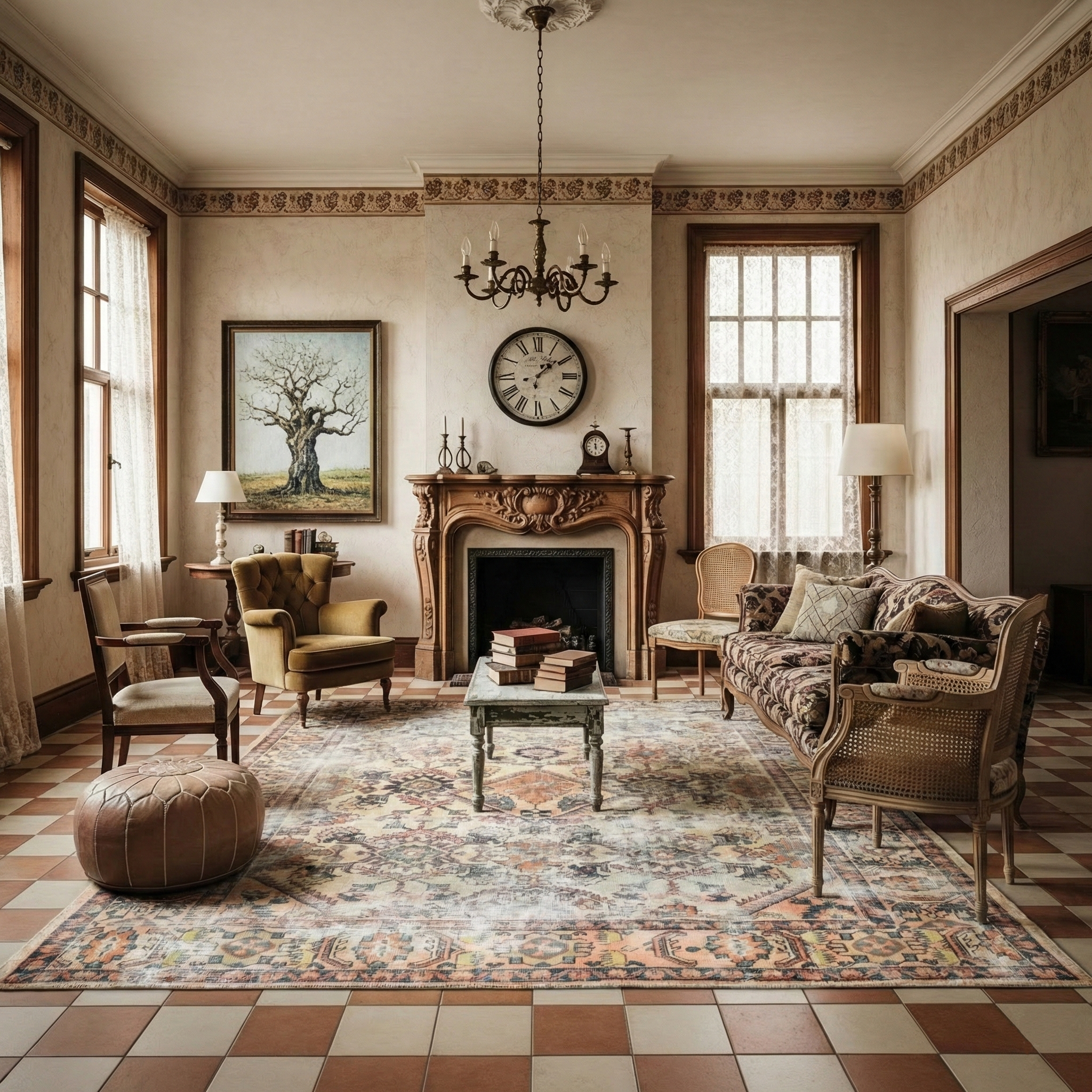
Mixing traditional Persian rugs with contemporary design or new Persian rugs with traditional decor is a key way to create an interesting and compelling interior design. Persian rugs are also very affordable if you choose from the hand-knotted range of vintage and contemporary Persian rugs in our large inventory at © 1800getarug.com .


Persian rugs are consistently the rug of choice for the homes of influential designers. Husband and wife designers Charles and Ray Eames became famous for their mid-20th century designs. They used a selection of Persian rugs to decorate a cute reading nook in their contemporary California home. Even the celebrated 20th century architect known as Le Corbusier – the man credited with creating “white box” Modernism – placed Persian rugs in the living rooms of his all-white masterpieces.
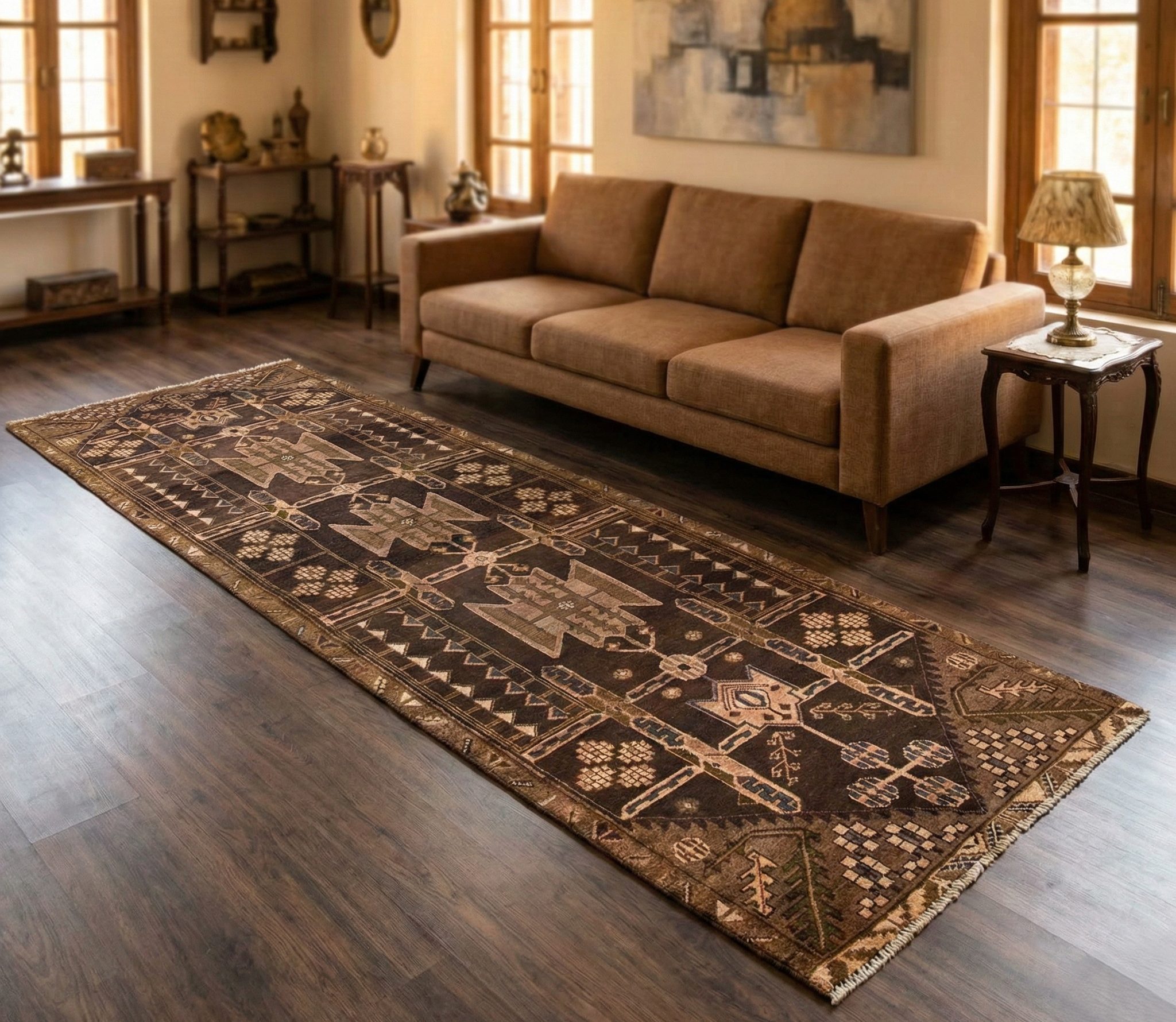
Chocolate Brown, Vintage Persian Bakhtiar, Hand Knotted, 100% Wool, Worn and Distressed, Sheared Low, Zero Pile, Sides and Ends Professionally Secured, Wide Runner, Oriental Rug
This handcrafted Vintage Persian Bakhtiar is an authentic Pure Wool oriental rug. © 1800getarug.com


These statement rug choices by the Eames’ and Le Corbusier are all the more relevant in the 21st century when many interior designers know the secret to great interior design – whether traditional, modern, contemporary, eclectic, jungalow, or maximalism – is a Persian rug. Read on to discover why the beauty, tradition, and handmade narrative pleasure of these rugs is just right for your home no matter what your decorating style.


Persian Rugs versus Oriental Rugs

In the 21st century, the terms Persian rug and Oriental rug refer broadly to the same type of rug. The two terms became interchangeable in the 19th century when exports of these rugs to the US and Europe took off and found new, appreciative customers. To make things easy we’ll use the term Persian rug in this post.
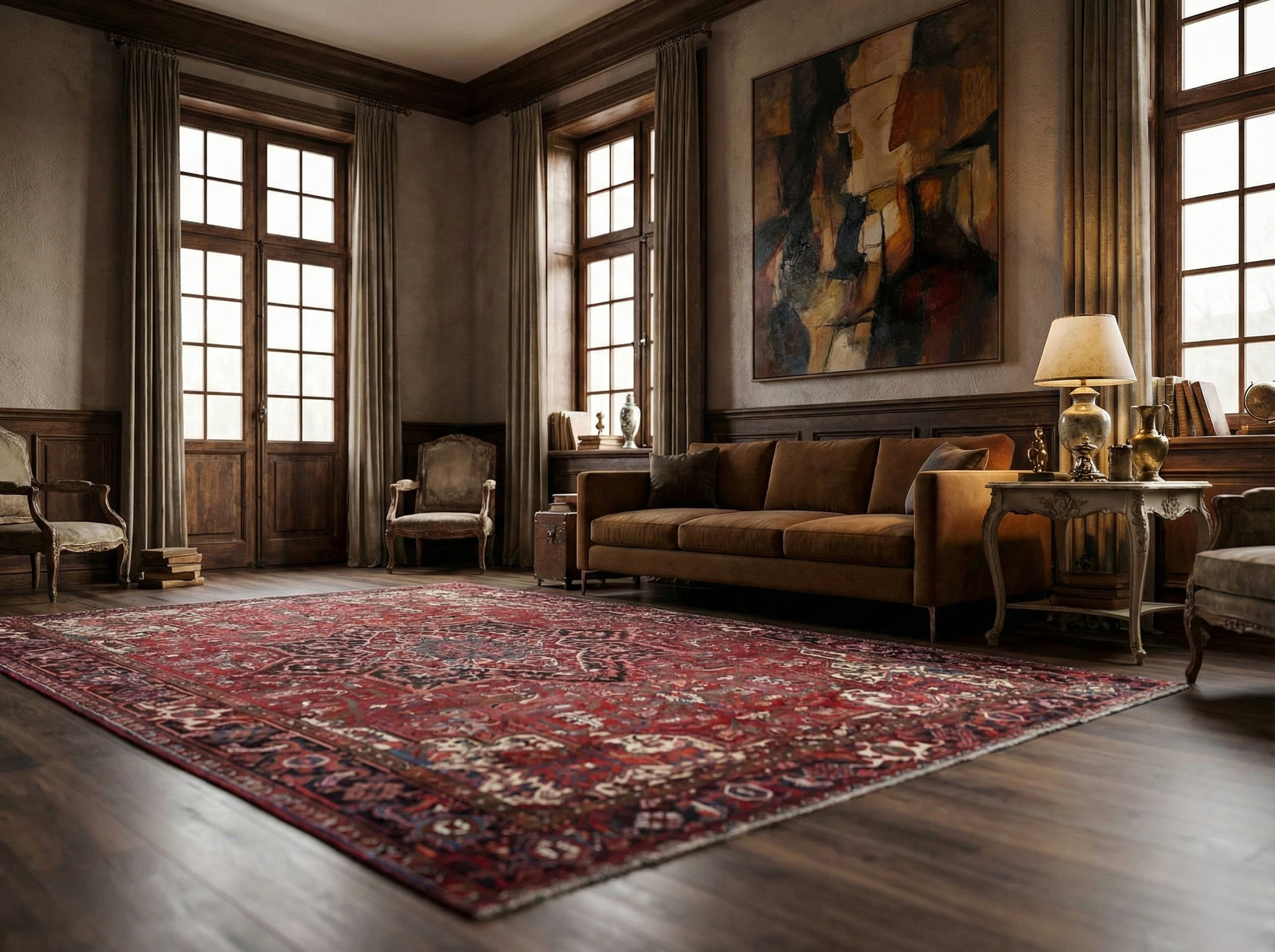
Blush Red, Vintage Persian Heriz with Flower Medallion Design, 100% Wool, Hand Knotted, Even Wear, Sheared Low, Good Condition, Sides and Ends Professionally Secured, Oriental Rug
This handcrafted Vintage Persian Heriz is an authentic Pure Wool oriental rug. © 1800getarug.com


Antique, Vintage, or New?

Persian rugs are still made today using traditional patterns that are often updated with colors that appeal to 21st century consumers. Antique Persian rugs are generally accepted to be older than 100 years, although some rug dealers choose 80 years as the cut-off. Vintage means older than twenty years but less than 100 years. We stock mainly vintage and new Persian rugs. Often we overdye our vintage rugs to change a colorful, busy pattern into a single color rug where the original pattern is still visible.
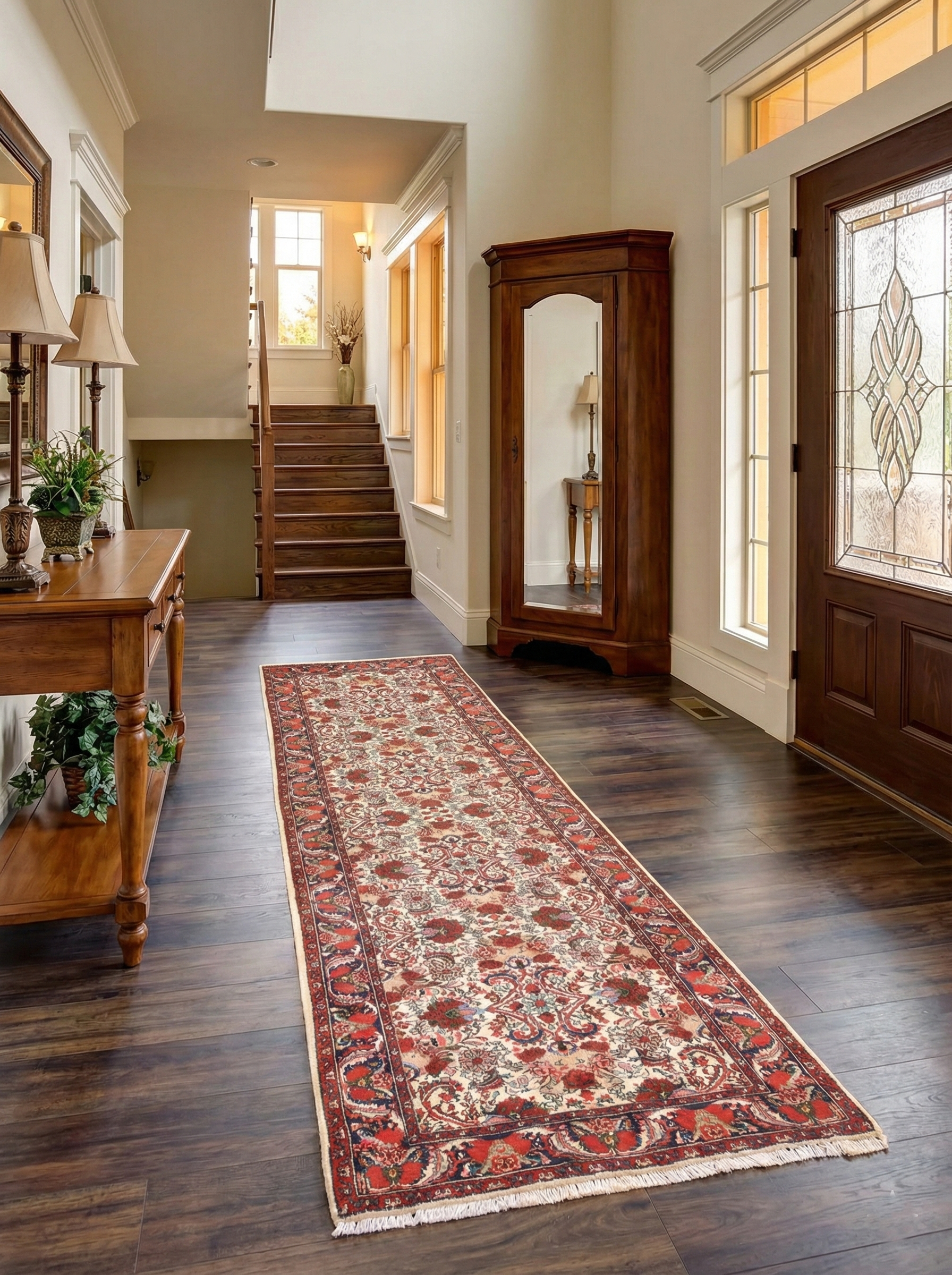
Swan White, Vintage Persian Bijar, Flower Design, Pure Wool, Hand Knotted, Thick and Plush, Good Condition, Clean, Wide Runner, Oriental Rug
This handcrafted Vintage Persian Bijar is an original Pure Wool oriental rug. © 1800getarug.com


here Were Traditional Persian Rugs Made?

Traditional Persian rugs don’t represent a single culture or style. They were hand-knotted or loom woven by many tribes, nomads, urban imperial cultures (for example the Mughal Empire) in many regions and countries using different techniques, colors, patterns and fibers.

The epicenter of Persian rug weaving was the country we now know as Iran. At the height of Persia’s power its empire spread from its “heart” (the capital of Persepolis in present-day Iran) west to Egypt, east to Kabul and northern India, north to Turkey, and south to the Persian Gulf.
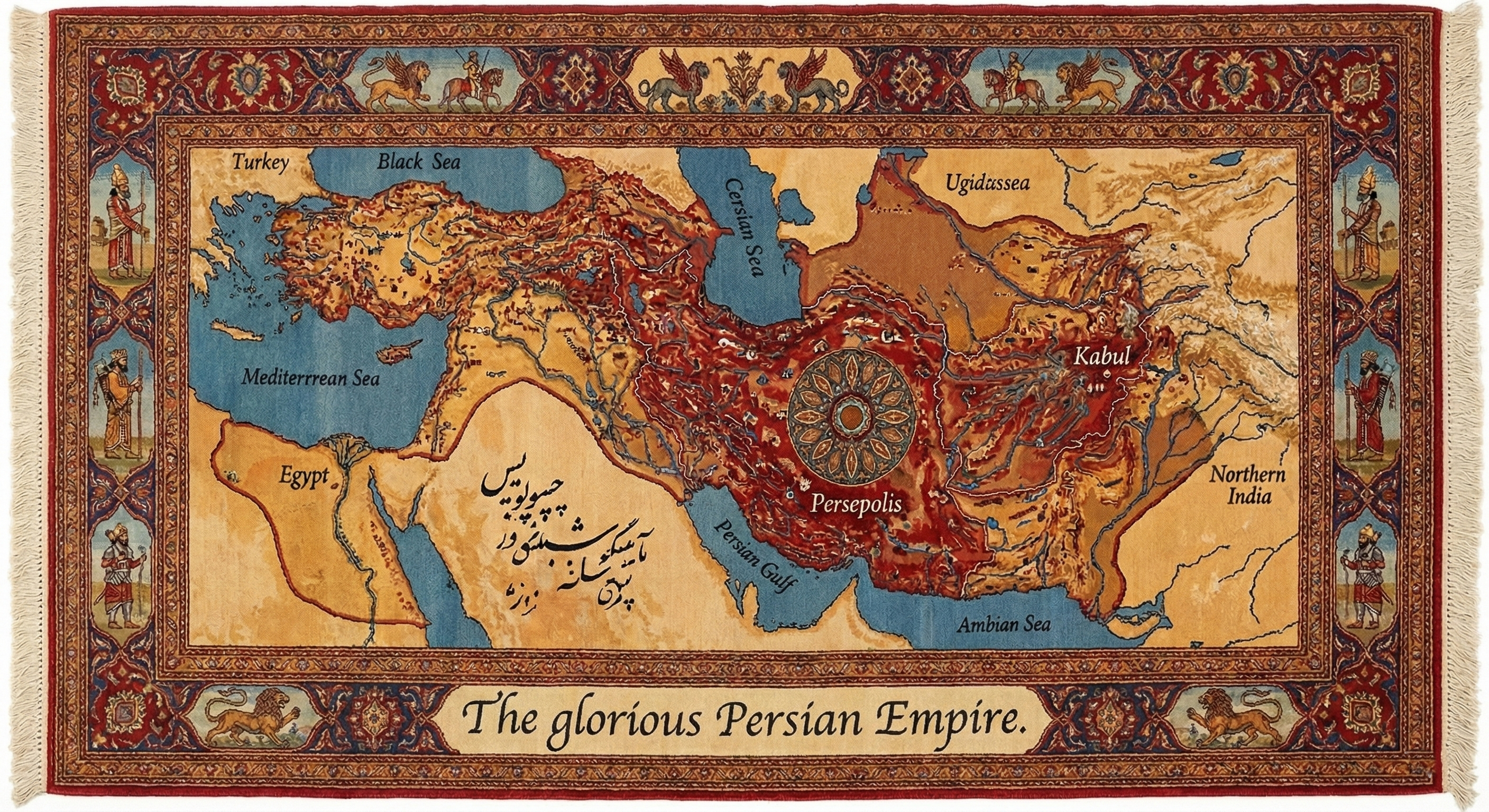
Persian Rugs
This is an illustration of the height of the Persian Empire.. © 1800getarug.com

The largest and best-known centers for rug production were in Persia. These centers include Tabriz (1500-1550), Herat (1525-1650), Kashan (1525-1650) and Kerman (1600-1650). Rugs made in these locations are usually referred to by the locations.

There’s a surprising twist to the tale of Persian rugs. When exports of Persian rugs to Europe and the United States took off in the 19th century it soon became apparent western taste didn’t always match the rugs being imported. Entrepreneurs reacted by creating a style of Persian rugs known as Zieglers. The name Ziegler isn’t a location or a tribe, but is the name of a German company that commissioned their own rug style to match the desires of Western customers.


What Types of Designs Are Found in Persian Rugs?

Many Persian designs feature plants, gardens, and animals, often interlaced or bordered with geometric patterns or featuring central medallions. Popular motifs from the past to the present include the Tree of Life and the Four Seasons. These lush botanical patterns represent a mix of reality and the magical realm of faith and imagination. Many weaving centers were located in arid, desert-like regions that despite the adverse climate had areas of lush growth due to ingenious canals and aqueduct systems that made deserts bloom.
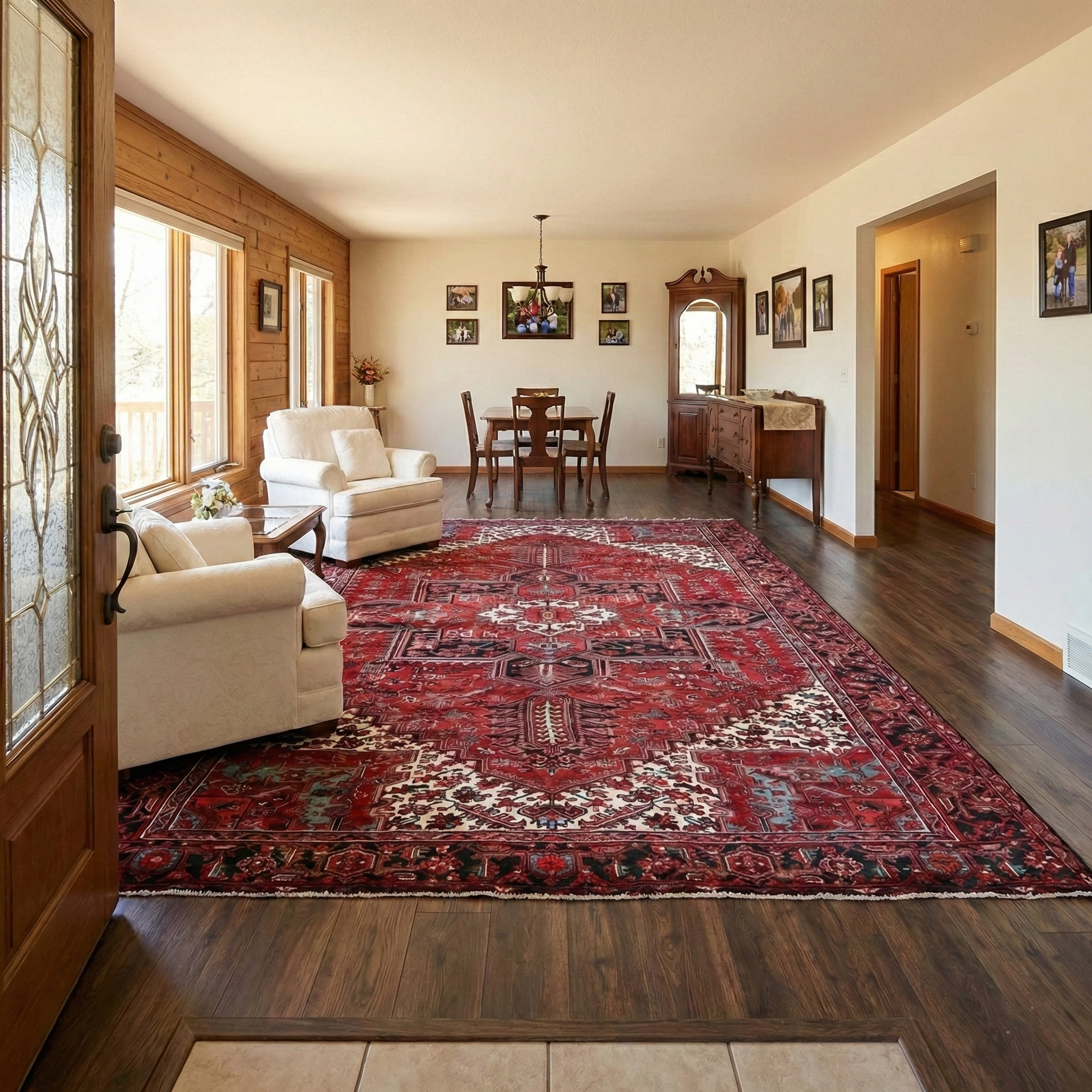
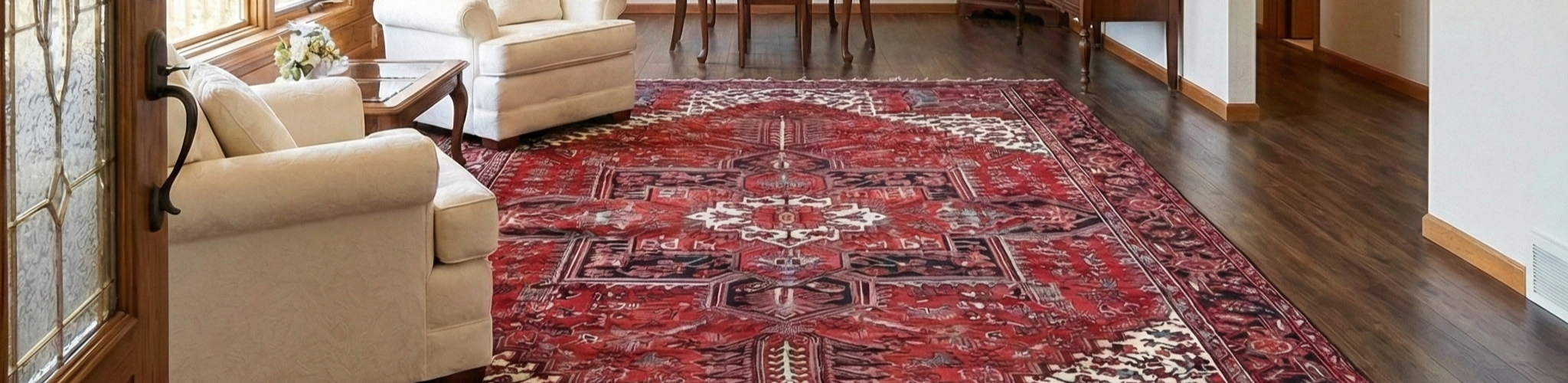
Scarlet Red, Vintage Persian Heriz with Geometric Medallion Design, 100% Wool, Hand Knotted, Even Wear, Sheared Low, Good Condition, Sides and Ends Professionally Secured, Oriental Rug
This handcrafted Vintage Persian Heriz is an authentic Pure Wool oriental rug. © 1800getarug.com


There’s so much more to know about Persian rugs –  knotting techniques, density (knots per square inch), dye processes  – which is why we warmly invite you to visit with one of our rug specialists at our showroom just six miles from the greater New York metro area. Or if you live further away, please schedule a video call so we can show you a range of our hand-knotted and affordable Persian rugs.  Call Now.


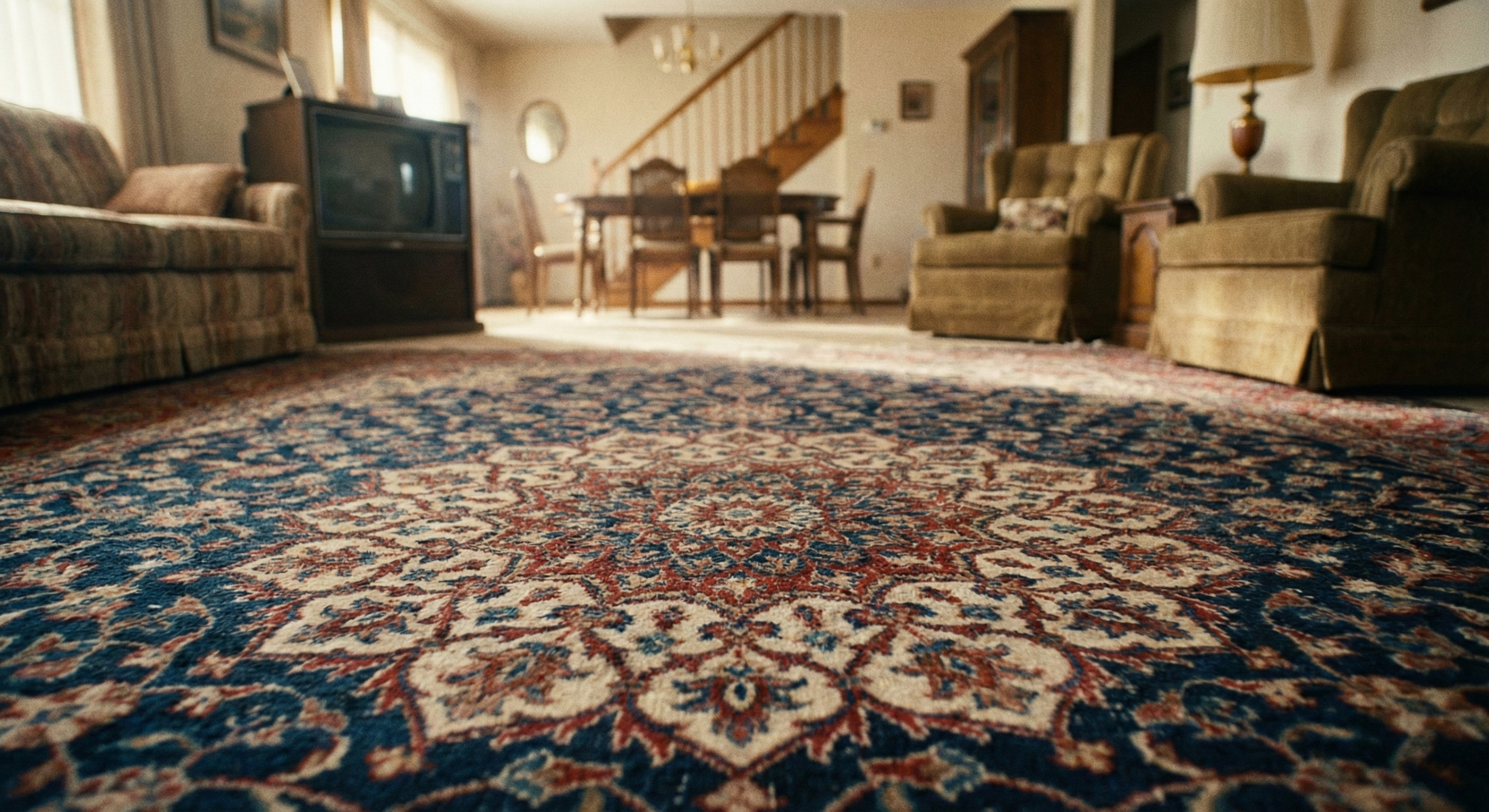
How to Choose a Rug for Your Home?

Size, Color, Pattern, Size or Lifestyle? What is the best way to choose a rug for your home? Our tips to guide you:


Size:

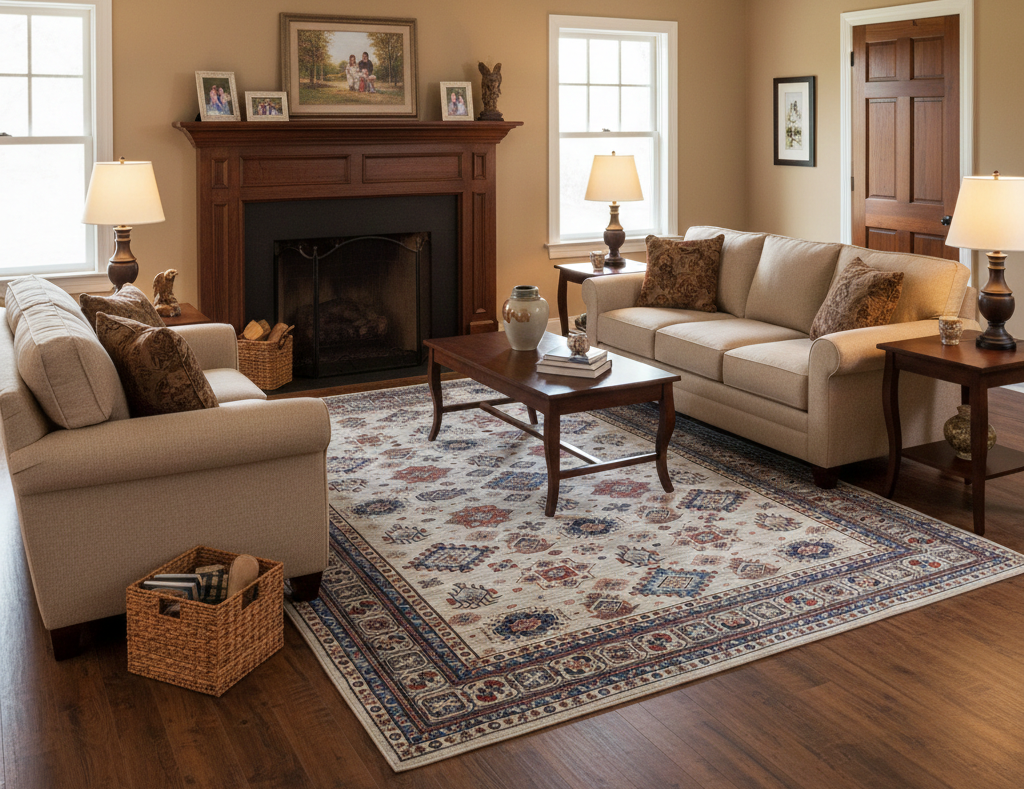
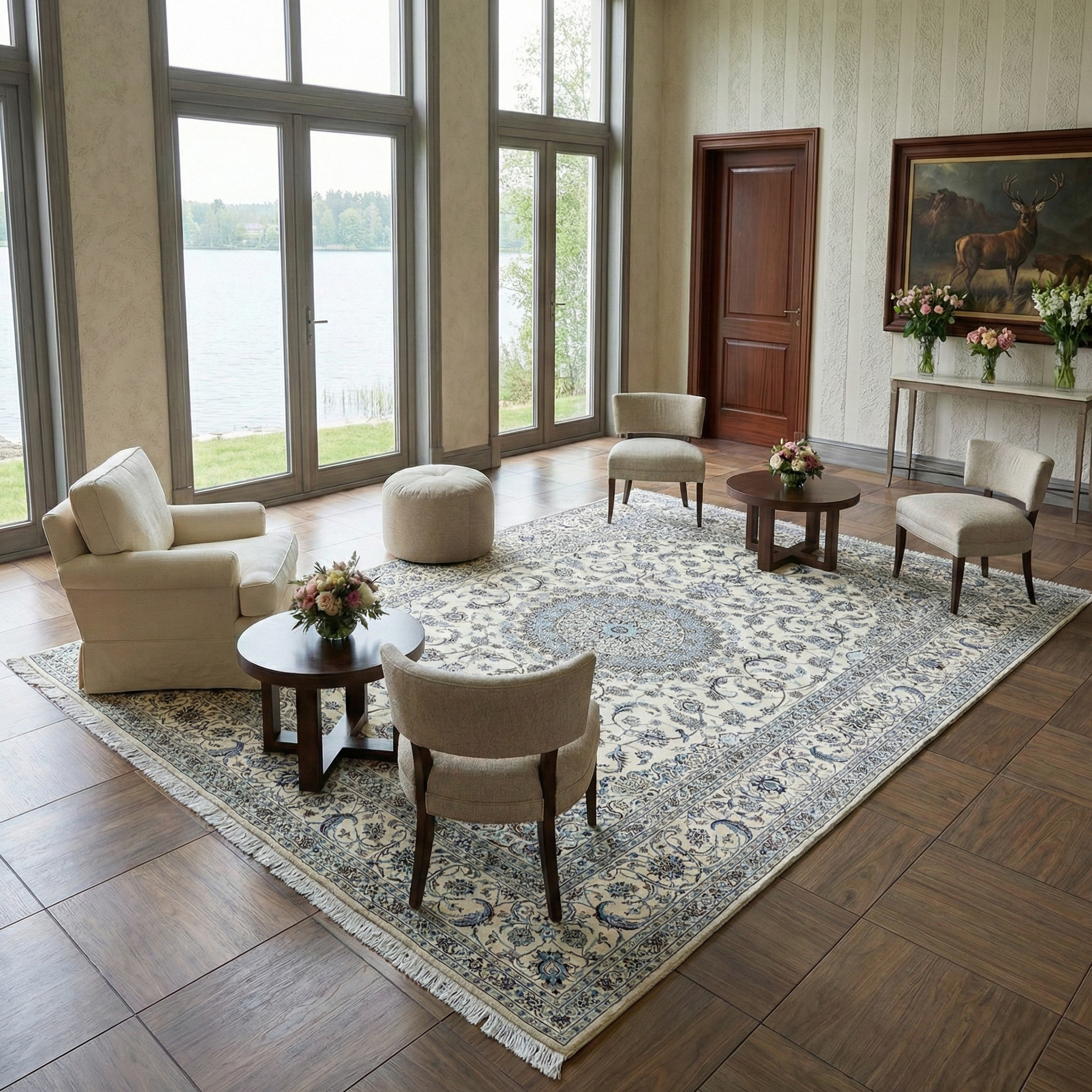
Your room will look larger with a generously sized rug. Don’t compromise on size for the sake of price. Rugs create boundaries and zones and anchor furniture arrangements. Furniture should sit comfortably on the rug to create visual harmony, but also as a safety precaution so furniture is balanced and stable. An exception to this rule is sofas. The long, low design of most sofas creates inherent stability meaning that sofas can sit comfortably and safely with just their front legs on the rug while the visual look remains harmonious.
Wickham Gray, Afghan Super Kazak with Geometric Medallions Design, Hand Knotted, Pure Wool, Denser Weave, Oriental Rug
This handcrafted Super Kazak Pure Wool is an original oriental rug. © 1800getarug.com


Style:

Create a folder of rooms you love. Do this in real life with magazine clippings or online with a Pinterest board or by tracking your likes on Instagram. After you’ve gathered a reasonable amount, look for similarities. Do your rooms feature a particular color? Do they trend to one look like Farmhouse Style made popular by Magnolia Homes, or perhaps Scandi, Retro, Mid-century or Traditional? Is your decorating style inspired by the interior design found in movies or popular television series like OUAT – Once Upon A Time or Downton Abbey? Or maybe the rooms you love are a mix of styles – what many people call Maximalism?

Once you’ve narrowed down your style look at the rug choices in the rooms you love. What color are they? What style or pattern? Once you’re confident you’ve found your style and color, don’t forget you can switch it up by choosing a rug in a complementary color to the room’s general color scheme. Or keep the color true to your first love and switch up the rug’s pattern. Did you know stripes look great with florals if the colors are complementary?

Cream White, Persian Nain with Flower Medallion Design, Wool and Silk, Hand Knotted, 400 KPSI, Oriental Rug
This handcrafted Persian Nain is an original Wool and Silk oriental rug. ©1800getarug.com


Lifestyle: 

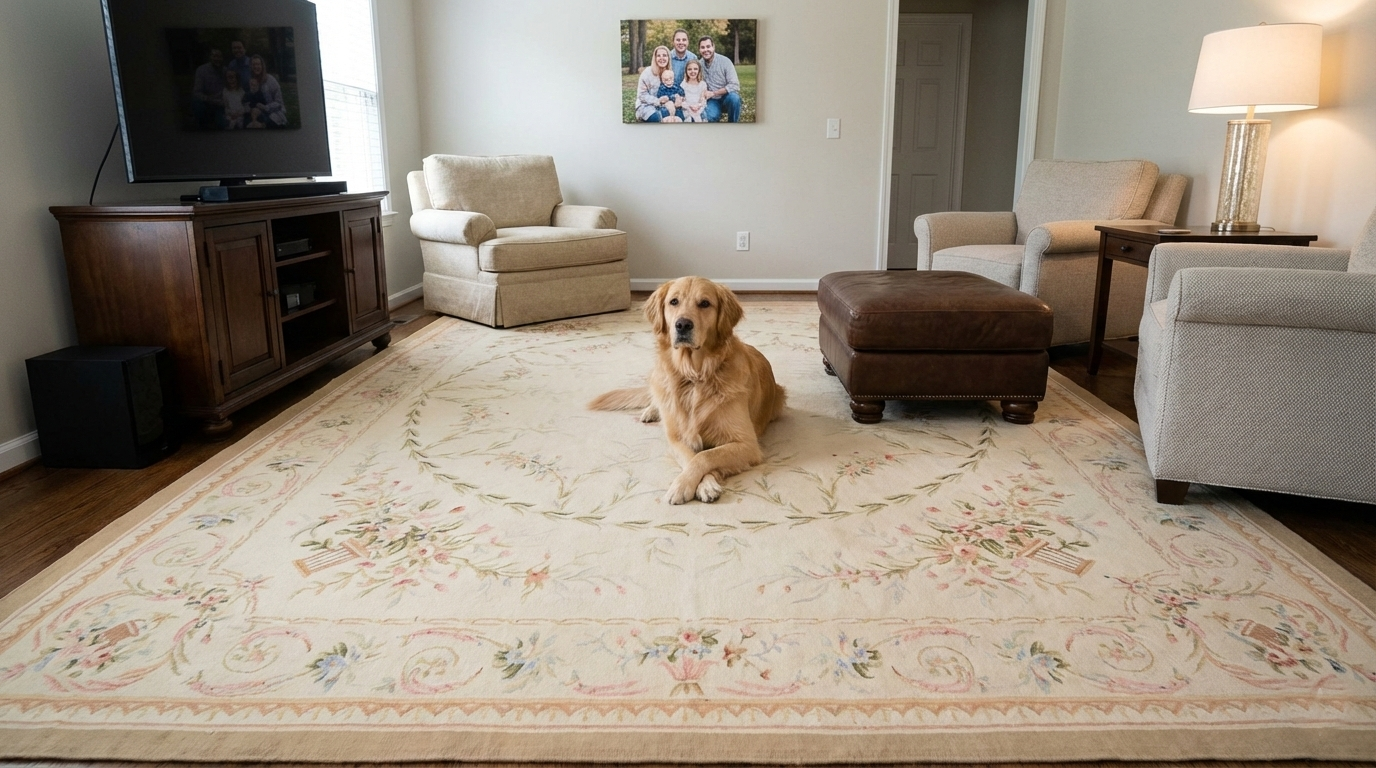
In addition to size and style, your lifestyle plays an important role. Do you have children? Pets? What ages are the children? What type of pets (hamsters in cages don’t count, but dogs with muddy paws or who shed hair do!)? What about your lifestyle? Do you entertain a lot? Is your style formal or relaxed or somewhere in between?

For homes with children and pets or where entertaining is important, a patterned rug will help hide stains from kids, pets, and food or drink until you have time to spot clean. Probably best to avoid white or light colored rugs and high pile rugs that can harbor pet hair or food unless you are an obsessive cleaner!

Low pile and flat weave rugs anchored to the floor with an anti-skid rubber underlay for safety are great for families. Low pile is easier to clean and there are reversible options so the rug can be flipped to hide minor spills or marks until you have time to spot clean.

Wool rugs are a great choice for most homes. Wool is durable and hard wearing – great for children and pets – with the added bonus that wool Is inherently fire resistant with antibacterial and antimicrobial properties. Wool also repels water that can cause mildew and mold growth.

Papyrus White, Aubusson, Flat Weave, Hand Woven, 100% Wool, European Style, Shabby Chic, XL, Oversized, Oriental Rug
This handcrafted European Style Aubusson is an authentic Pure Wool oriental rug. ©1800getarug.com


Materials:

We specialize in hand-knotted rugs made from wool, silk, and wool and silk mixes. Some of our rugs feature more affordable “Bamboo Silk”, a luxurious fiber made from the bamboo plant rather than the silk spun from silkworms.

We’ve also developed a highly successful oxidation process for a collection of wool and silk rugs. Our process creates a subtle high and low pile 3D surface to create the on-trend “vintage” look so desired by our customers. Silk fibers absorb and reflect light to create different looks and moods while the oxidized wool absorbs light to create an amazing contrast.

Beige, Antique Persian Mahal, Shabby Chic, Extensive Wear but Clean with No Holes, Sides and Ends Professionally Secured, 100% Wool, Hand Knotted, Oriental Rug
This handcrafted Antique Persian Mahal is an authentic Pure Wool oriental rug. ©1800getarug.com


Whatever style or type of rug you desire chances are we have it at  © 1800getarug.com where we have thousands of handmade rugs available at affordable prices.


The Essence: Rug Knots


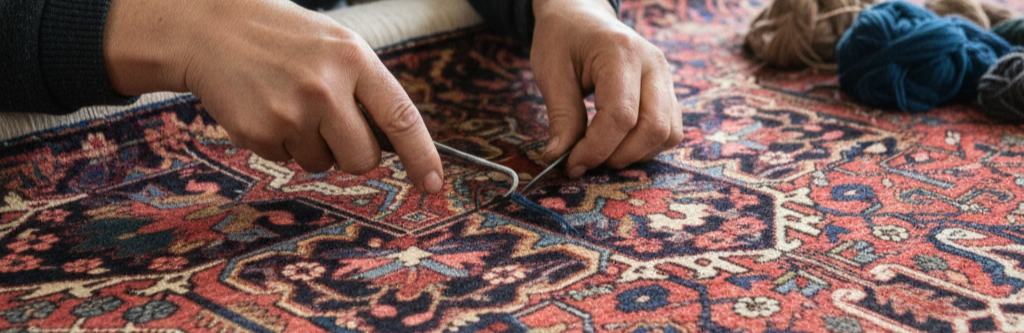
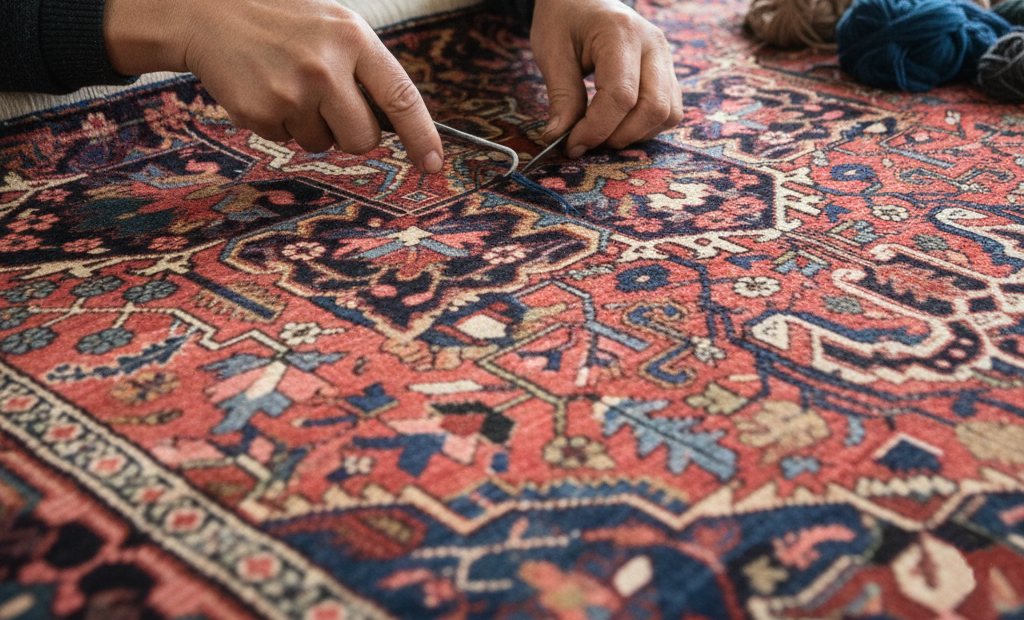
Before we think about technology and machinery, coloring and design, hand skill and passed-on knowledge, there is one single, elemental component to rug weaving: the knot. Rug knot is such a simple concept that one might overlook its central position in rug structure, look and durability.

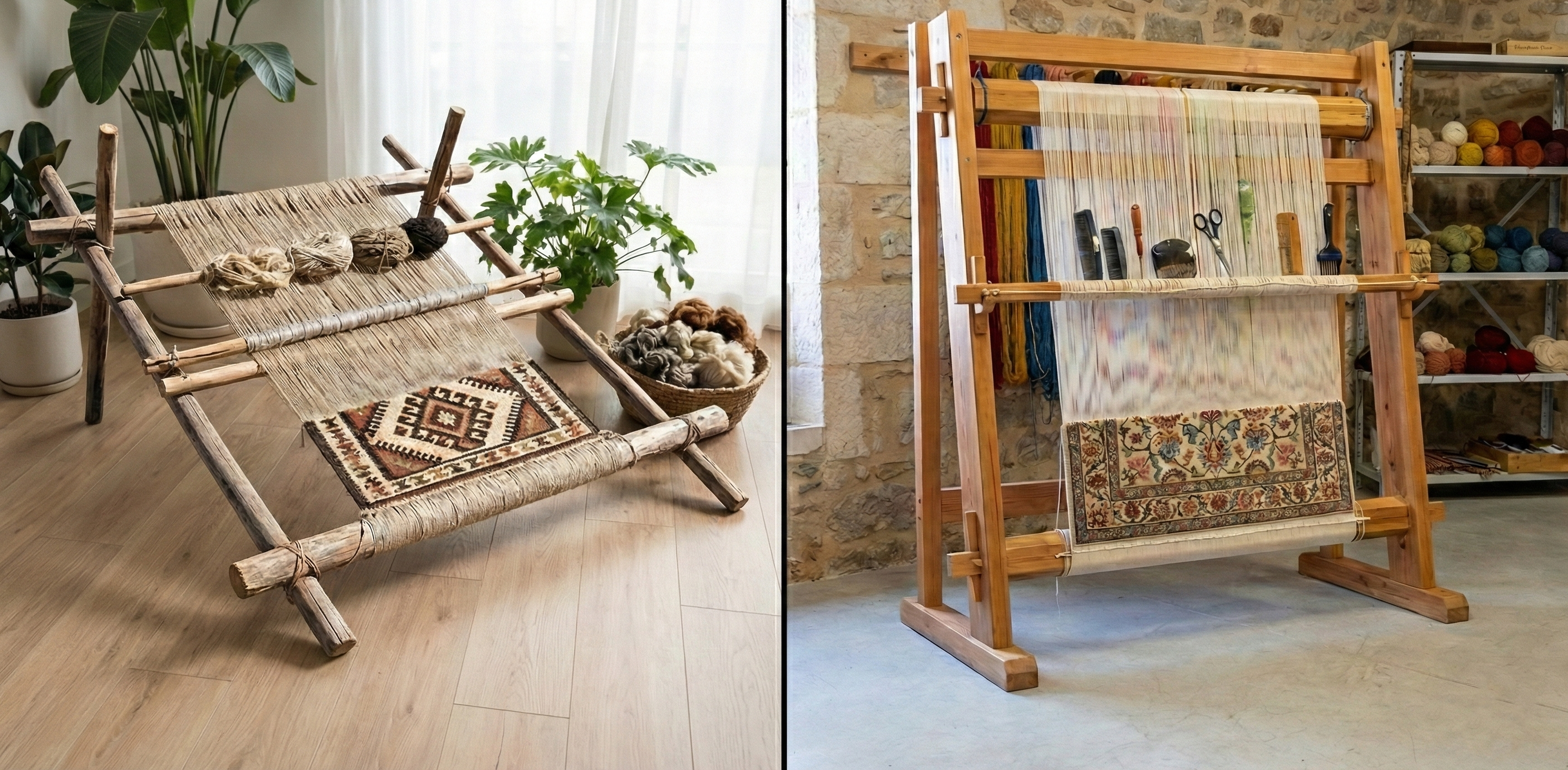
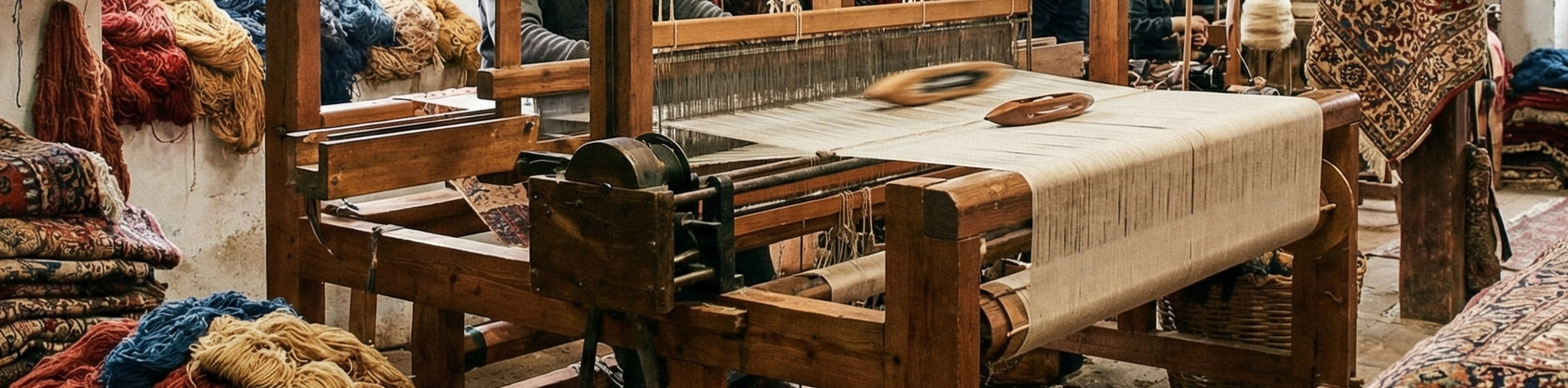
nomad or a village hand-woven rug
Nomadic Loom.  –  Village / workshop Loom.  ©1800getarug.com


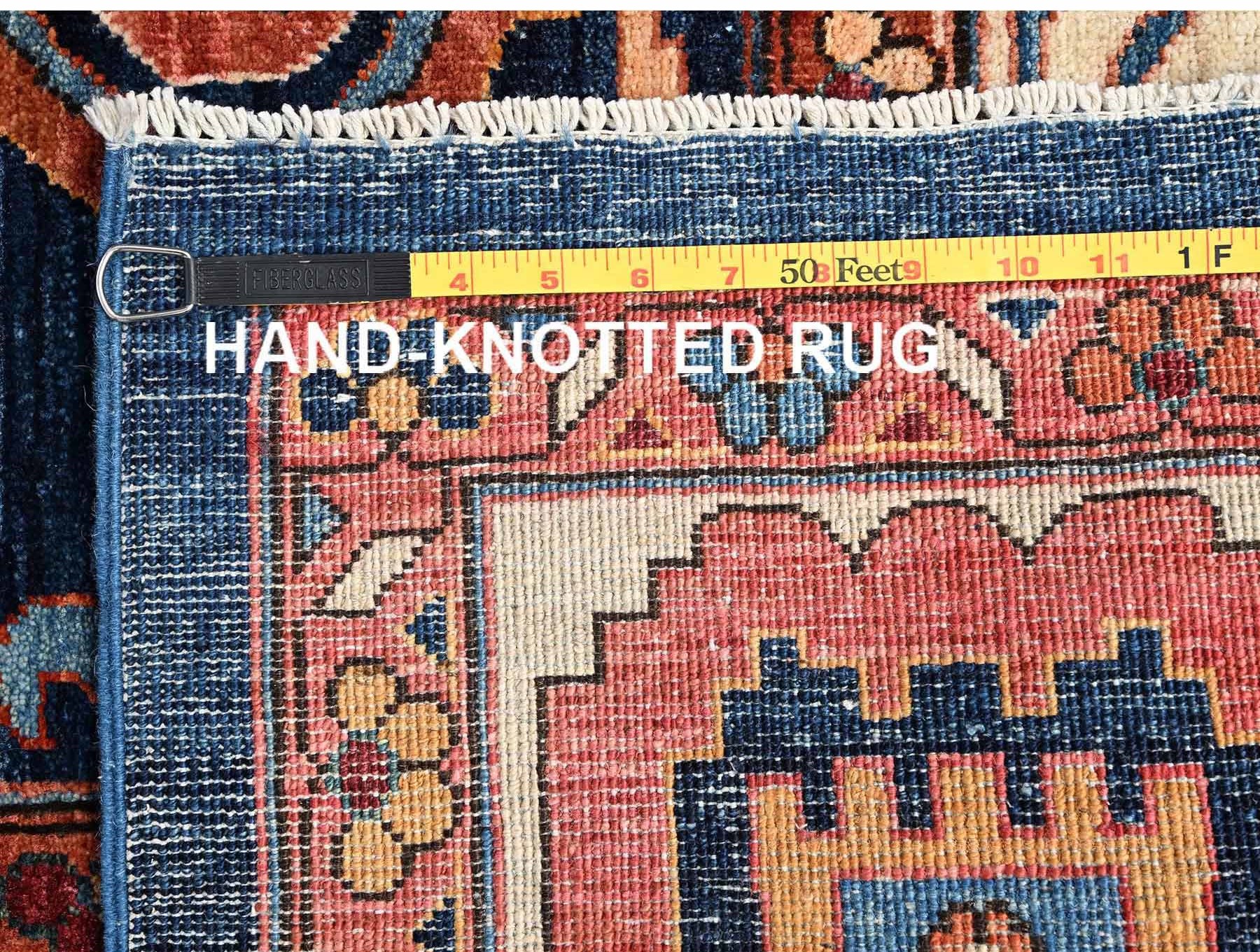
There are two ways a rug knot is defined: density and type. When choosing a nomad or a village hand-woven rug, one might not consider the density of the knot a major factor. These traditional articles are made either within a season – and therefore fast – or with simple looms, and usually contain about 25-100 knots per square inch. Other factors are at play here: originality of the individual artist’s design (from memory), natural local dyes, manual labor, and plenty of love.

Sun Baked Orange, Serapi Heriz with Large Medallion Design, Vegetable Dyes, Hand Knotted, Aryana Grade, High Mountain Wool, Soft Pile, Densely Woven, Oriental Rug
Close-up of a Kazak rug. Notice the rather closely woven rug knots. ©1800getarug.com


The workshop hand-made rugs, however, are woven on a much more sophisticated machinery. Precision is therefore a major factor- on par with design and authenticity. The knot density ranges between 100-1000 knots per square inch. If you consider that each knot takes about 10 seconds to complete, it is astounding how long finishing a large enough rug may take, keeping in mind a rather high knot density.

Terracotta Antique Persian Mahal Good Condition with Some Wear Clean Hand Knotted Oriental Rug
This Handcrafted Antique Persian , is an original Pure Wool oriental rug. ©1800getarug.com


The other way of thinking of a rug knot is its method, with two predominant ones being symmetrical and asymmetrical. Popular in most of Iran, India, Egypt, China, and parts of Turkey, the asymmetrical, or Persian Senneh, have their knot loops tied around two warps and come up on the same sides to make the rug tufts. The Turkish Ghiordes knot (the symmetrical one) goes around two warp threads on opposite sides and comes up in the middle. The most commonly used knots are slight variations on the Persian one. The Tibetan knot is perhaps the most interesting one, wrapping around warps in a complex fashion and reminiscent of Indic script.

Fire Whirl Red, Antique Persian Heriz, Good Condition, Clean, Sides and Ends Professionally Secured, 100% Wool, Hand Knotted, Oriental Rug
An Illustration of a Persian Knot. ©1800getarug.com


The study of rug knots is not necessarily complex, but it certainly is full of grace and style, which is necessary for understanding the structure, design, and feel of these wonderful hand-woven rugs that we cherish throughout our lives.


Evolution of The Loom


From the most basic designs to sophisticated machinery, the venerable loom is at the heart of rug making and is a key invention that heralded each of the eras of human technical advances, bringing people together.

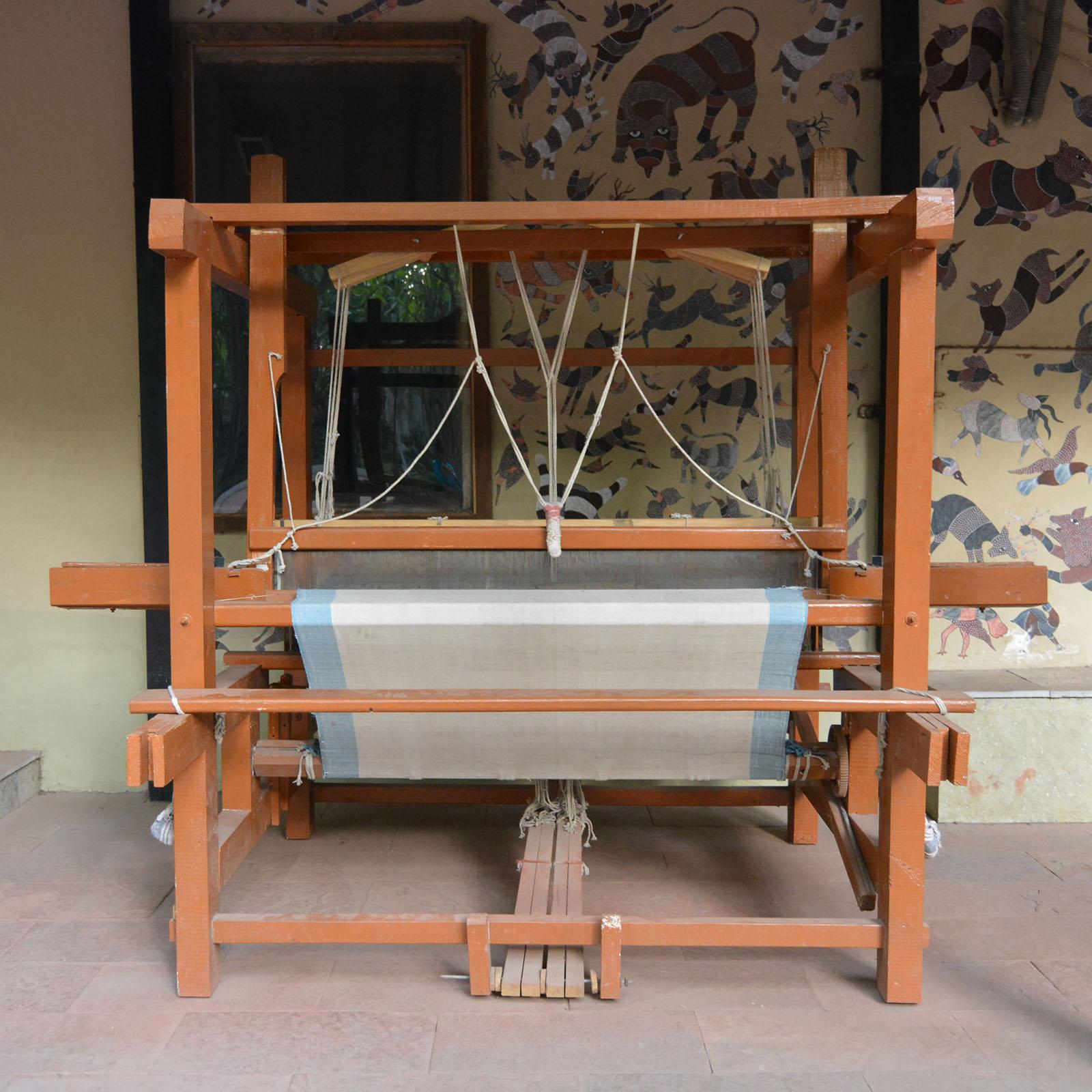
Another Look the Classic Loom. At the Handloom and Crafts Museum in Delhi
Take. At the Handloom and Crafts Museum in Delhi. © 1800getarug.com 


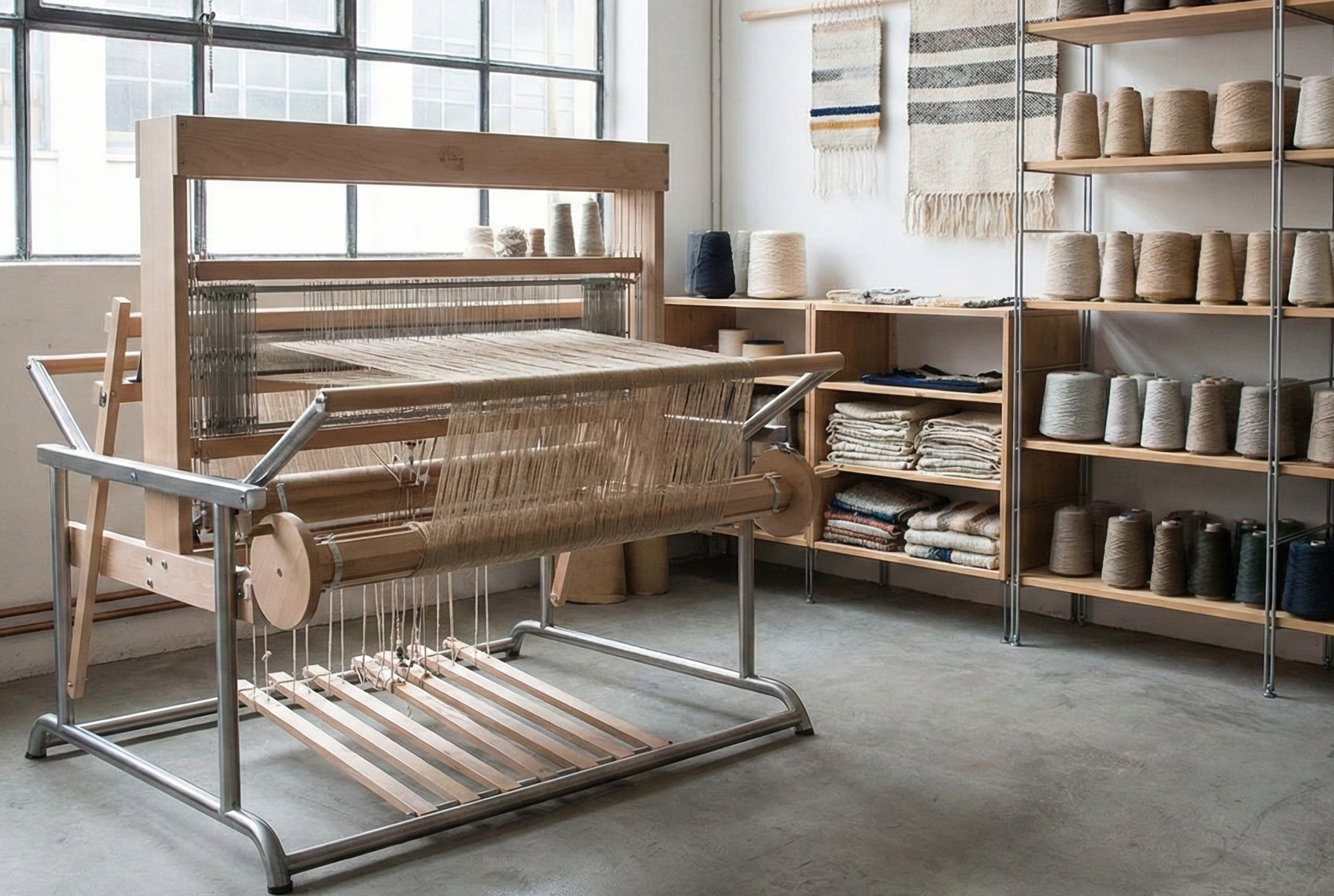
While it may look a bit intimidating, the loom is a rather simple construction, at its core. An interlocking structure of moving wooden beam frames is strung tightly together by yarn (warp) to create the rug foundation while a second yarn (weft) is passed through perpendicularly to hold the rug together. The pile yarn would then be woven into the rug base to create the visual patterns and texture of hand-woven carpets.

Another Look the Classic Loom. At the Handloom and Crafts Museum in Delhi.
Another Look the Classic Loom. At the Handloom and Crafts Museum in Delhi by ajay surya. © 1800getarug.com 


The process of weaving is traced back to the Neolithic age when its invention helped herald the agricultural revolution by both utilizing the newly mastered control over crops and techniques of extracting yarn from wool, and by helping make a home. Regular settlements and the nomads could use comfortable and beautiful rugs on their floors and walls, warming their abodes both literally and figuratively. Many rituals evolved to include rugs in them ever since.


A Modern Simple Loom at Our Rug Facility in Jaipur.
A Modern Simple Loom at Our Rug Facility in Jaipur. © 1800getarug.com 


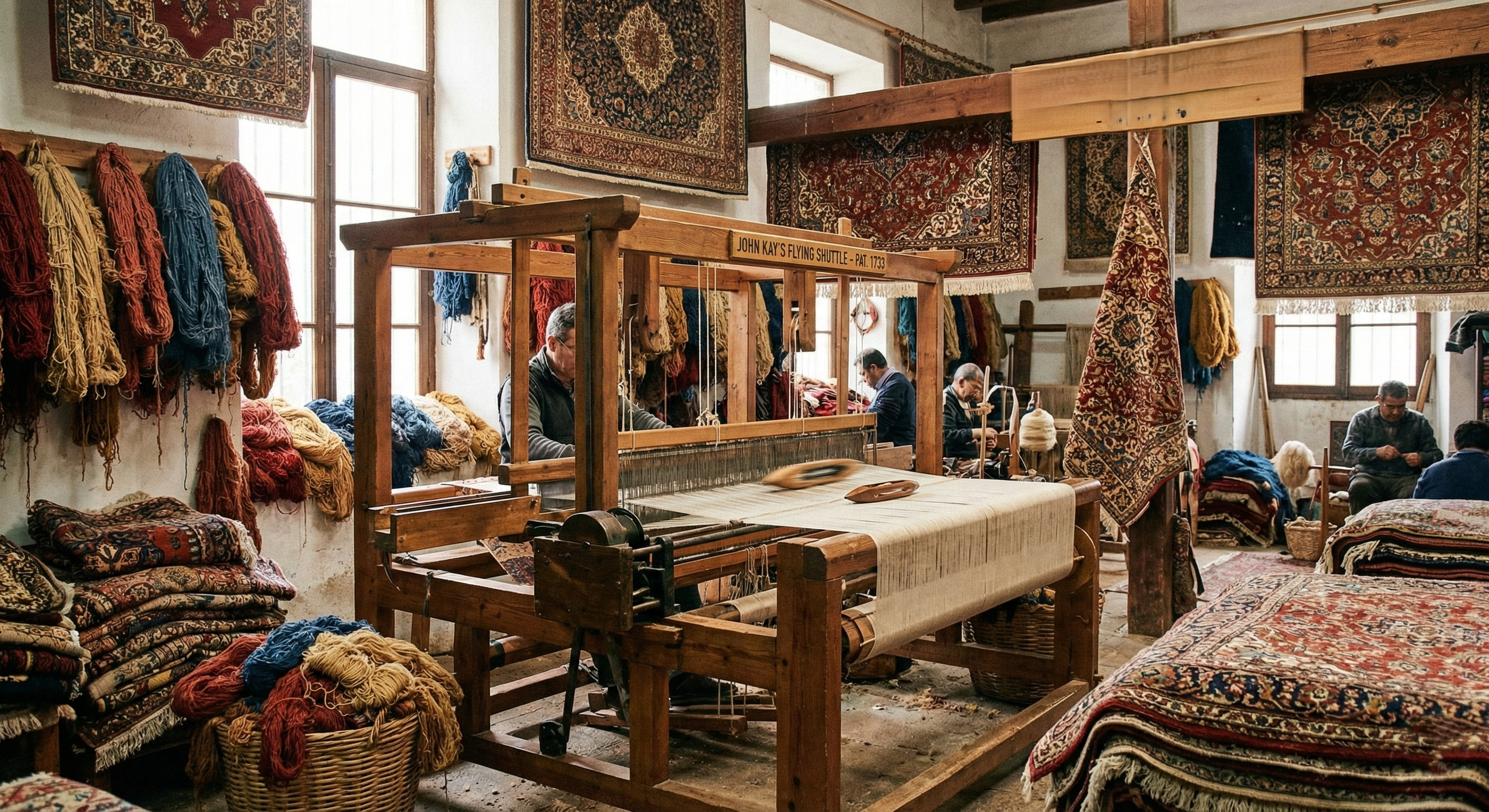
For all these millennia and all this prehistoric art, the basic loin loom was utilized, until later advances in the Middle Ages. The weavers used a very simple construction and their own body tension needed to make a rug for a perfect purpose. Later evolutions of the loom included stationary, heavier looms where separate heddles could be lifted to create complex designs, administered by a second weaver if the rug is too big. In 1773, a British weaver John Kay invented the flying shuttle, which could be flung across and around the loom, eliminating the need for the second person.

John Kay invented the flying shuttle
 John Kay invented the flying shuttle. © 1800getarug.com 


By twentieth century the looms became fully mechanized and powered electrically. This final stage has dramatically reduced the labor and increased production. That being said, the automated looms will of course never achieve the artistry, attention, and skill of experienced master weaver hands.


The simple beauty of Kilim Flatweave rugs


Sometimes things can be uncomplicated, sometimes they can be understated. Sometimes the beauty comes from the simplicity of the design and execution. Look no further than Kilim hand-woven rugs, classic flatweave carpets known for their unique contained look and versatility.

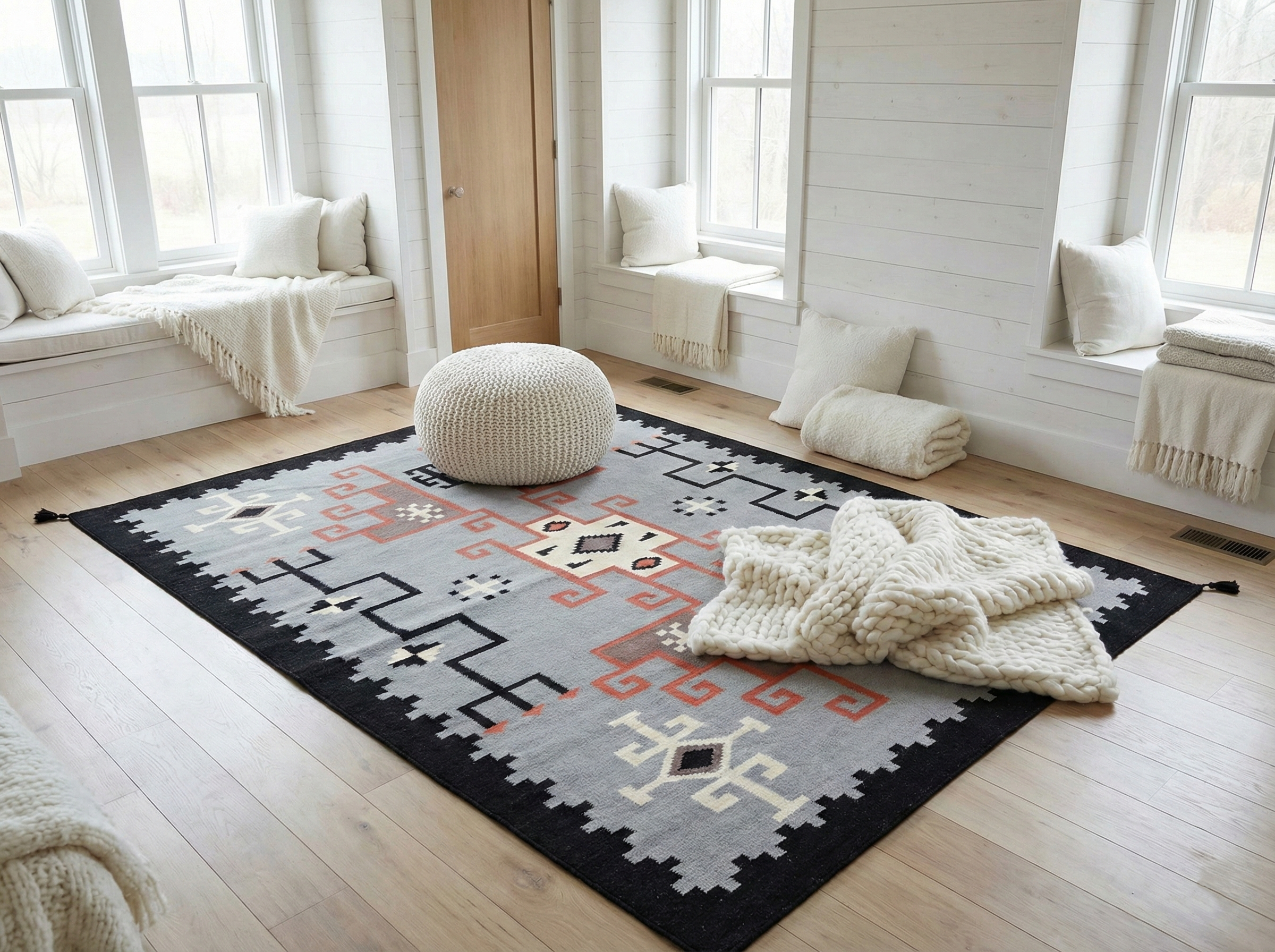
Medium Gray, Flat Weave, American Indian Southwest Geometric Design, Hand Woven, 100% Wool, Oriental Rug
This handcrafted American Indian Southwest Geometric Design is an authentic Pure Wool oriental rug. © 1800getarug.com


One of the most consistent technique to go back centuries, Kilim rugs were most likely first used by nomadic peoples of Middle East and Central Asia. The earliest examples were found around Khotan, present day Xinjiang, China, one of the centers of trade along the Silk Roads, and go back centuries. The name is derived from Turkish “gelim”, which means, “to spread” (as in, to spread a rug). Its pure geometrical designs are believed to have mystical, inspirational powers.

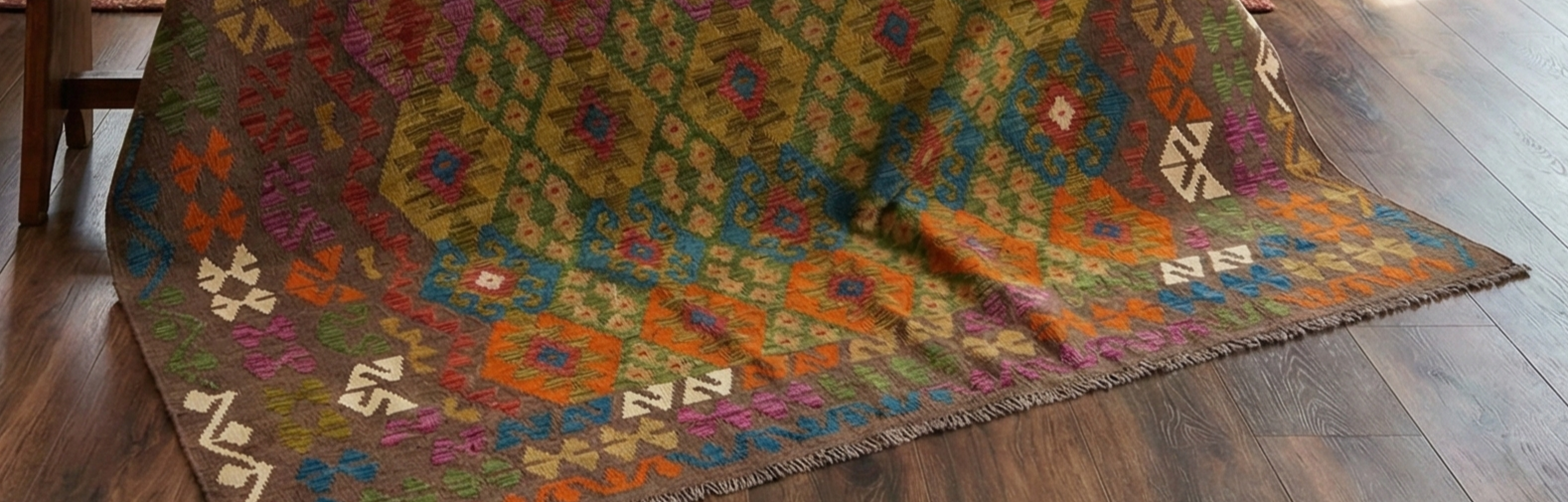
Bone White, Afghan Kilim with All Over Colorful Geometric Pattern, 100% Wool, Natural Dyes, Flat Weave, Hand Woven, Reversible, Oriental Rug
This handcrafted Afghan Kilim is an original Pure Wool oriental rug. © 1800getarug.com


To us, the most fascinating thing about the hand-woven Kilim rugs is the unique weaving technique, called slit weave. These rugs don’t have a pile, and are created by simply weaving the woolen wefts and the cotton or wool warps (thread ratio is 16 of weft, 14 of warp). Two different-colored weft blocks are tightly packed into the warp by a special comb and returned to original side once they reach each other, leaving a slight “gap” in between – the slit! This is the origin of the traditional Kilim motif: diagonal and horizontal lines, a pattern designed for durability.

Coconut Brown, Hand Woven, Flat Weave, American Indian Southwest Geometric Design, 100% Wool, Oriental Rug
This handcrafted American Indian Southwest Geometric Design is an authentic Pure Wool oriental rug.© 1800getarug.com


While the traditional colors for these magical Kilim hand-woven rugs are blue, green, red, and yellow, the modern take on the carpets includes a variety of dyes and designs. Still these works of art are as versatile and affordable as they were centuries ago: they are easy to spread or fold, don’t crease; are great at being a centerpiece decoration, hanging on a wall or serving as a door step rug, or for saddling your mule, if the occasion truly calls for it!

Peach Color, Flat Weave, American Indian Southwest Geometric Design, 100% Wool, Hand Woven, Oriental Rug
This handcrafted American Indian Southwest Geometric Design is an authentic Pure Wool oriental rug. © 1800getarug.com


What are Peshawar Hand-Woven rugs?


Looking into our rugs is sometimes like looking into the depths of history. The Peshawar rugs take us to one of the greatest depths. One of the epicenters of the great Silk Roads, the city of Peshawar was, quite literally on the map since the 5th century B.C. From the ancient Persians and the Hellenistic descendants of Alexander the Great, to the medieval Mongols and finally the Muslim empires. Peshawar commanded authority throughout the region, housing millions of citizens and invariably creating and absorbing culture for centuries. Some may argue the Mughal era of rule over the region was one of the most successful in last few centuries and has inspired some of the most fascinating and impressive works of art.

Beige, Afghan Peshawar with All Over Mahal Design, Clean, Full Pile, Long and Narrow, 100% Wool, Hand Knotted, Oriental Rug
This handcrafted Afghan Peshawar is an authentic Wool oriental rug. ©1800getarug.com


Perhaps the best time capsule of this Mughal artistry is the hand-woven Peshawar rug, whose designs evolved through the centuries but with mastery that never dwindled. In the 16th century, emperor Akbar had ordered the construction of rug weaving workshops and fostered the knowledge exchange with the Persian artisans to reinforce the local style. In the 20th, after the crumbling of British colonialism the existing industry simply needed a push from the newly independent government to survive and to flourish.

Chiffon White, Sparrows on the Tree, Peshawar, High Mountain Wool, Hand Knotted, Soft to the Touch, Densely Woven, Oriental Rug
Chiffon White, Sparrows on the Tree, Peshawar, High Mountain Wool, Hand Knotted, Soft to the Touch, Densely Woven, Oriental Rug  ©1800getarug.com


Traditional Peshawar rugs are always hand-woven, and feature a pure high mountain hand-spun wool pile, although sometimes, in select rugs, fine merino wool is blended in – that makes the rugs look slicker. Occasionally silk is woven in as well, especially if the artist wants to highlight a motif. The weft and warp are cotton, for the strongest support. The resulting rugs are durable and reliable, but are luxurious and extremely soft to the touch.

Rust Orange, Afghan Peshawar with Heriz All Over Design, Hand Knotted, Soft 100% Wool, Densely Woven, Oriental Rug
This handcrafted Heriz All Over Design is an original Pure Wool oriental rug. ©1800getarug.com


The design of the rugs, as chronicled in history, is heavily influenced by ancient Persian rug motifs. The colors, usually light and earthy and derived from sun-dried vegetable dyes, give the rugs its characteristic antique and washed-out look. But whether they are stonewashed and have their piles cut shorter, or the modernist take will have the colors pop, you are sure to be mesmerized by the deep richness and artistry that are the Peshawar rugs.

Maya Blue, Afghan Peshawar with Heriz All Over Design, Hand Knotted, 100% Wool, Densely Woven, Oriental Rug
This handcrafted Heriz All Over Design is an original Pure Wool oriental rug. © 1800getarug.com


Hand-Knotted Kazak Pure Wool Oriental Rug

Kazaks (Kazakhs), the majestic carpets from de Caucasus


Luxurious, spectacular, magnificent are good adjectives to describe the geometrically designed Kazak or Kazakh rug. Centuries of Armenian craftsmanship carried down to our days, the best natural dyes, unique patterns, the finest wool, are among the characteristics that guarantees carpets of the best quality. Large-scale designs, numerous medallions, and contrasting colors such as blue, red and ivory, gives this type of carpets a superb appearance.

Rich Red, Densely Woven Extra Soft Wool, Hand Knotted Afghan Super Kazak with Tribal Medallions, Natural Dyes, Oversized Oriental Rug
This handcrafted Afghan Super Kazak, is an authentic Pure Wool oriental rug. © 1800getarug.com


Its origin dates back to the 18th and 19th centuries in the Kazak area of the Caucasus, probably the most famous area in weaving terms. Kazak rugs were hand-knotted by the women of the Tiflis and Erevan. Within the Kazakh rugs, other categories are considered depending on the geographical area were they were woven, for example carpets from the south of the Tiflis, Bordajalou Kazak rugs, coarsely woven with simple designs. Carpets from the North of the Erevans, with shorter pile and more formal designs. Other categories includes carpets made before 1925, known as: Karabach, Sjirvan, Kuba and Dagestan carpets. Each one with variation in the patterns and predominance of the traditional colors.

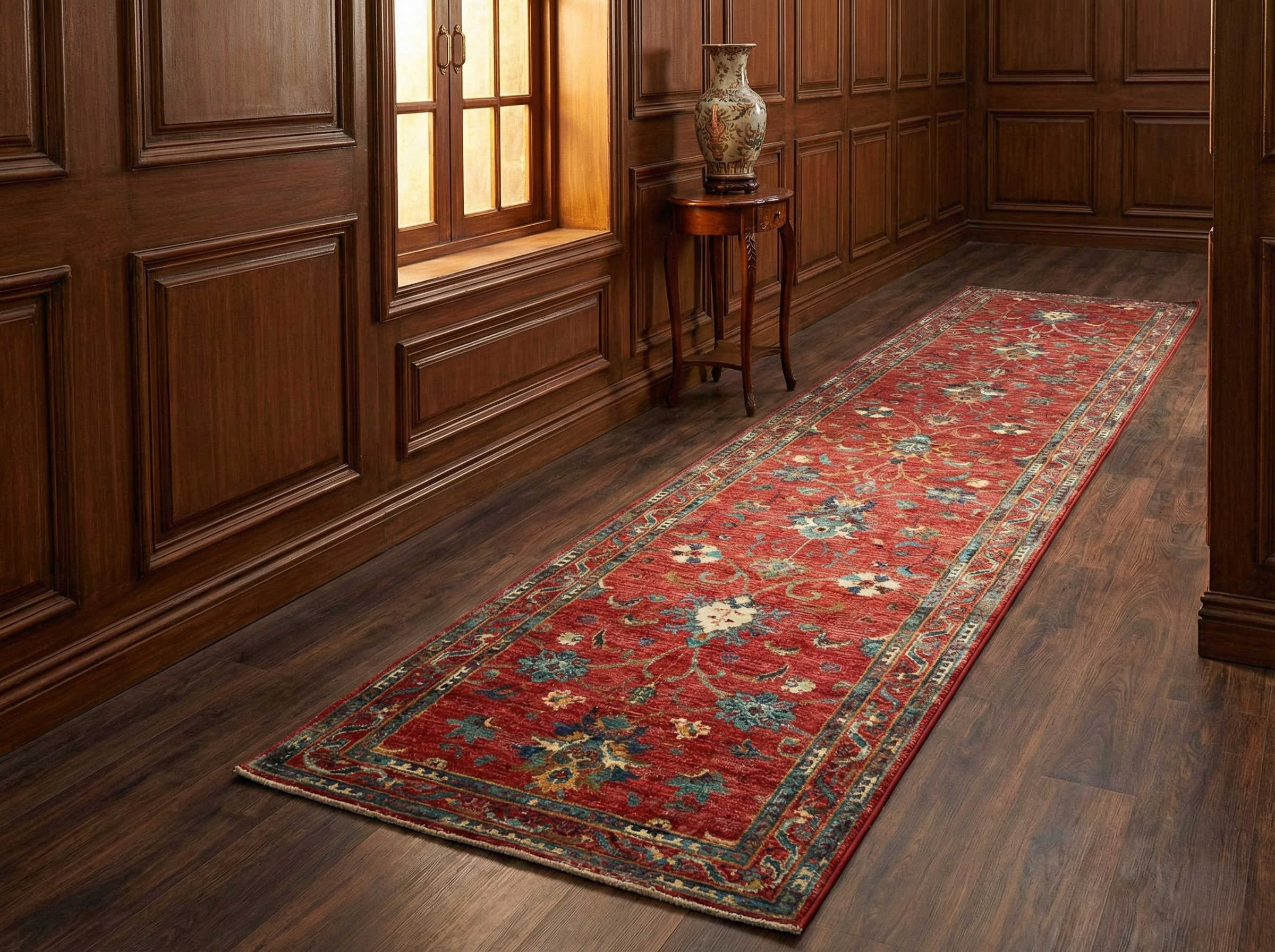
Crimson Red, Fine Afghan Sultani with All Over Design, Vegetable Dyes, Hand Knotted, 100% Wool, Runner, Oriental Rug
This handcrafted Sultani All Over Design is an authentic Pure Wool oriental rug. © 1800getarug.com


Considered a sign of status, Kazakh rugs and other Armenian carpets were an important possession in the wealthy houses, in palaces, and in churches. They could be used as tapestries, or to cover the king`s throne. They were also used for day to day activities like dining.  Kazakhs were frequently woven with threads of silver and gold, making them precious enough to be demanded as part of the tax owed to the nobility that ruled over the Armenians.

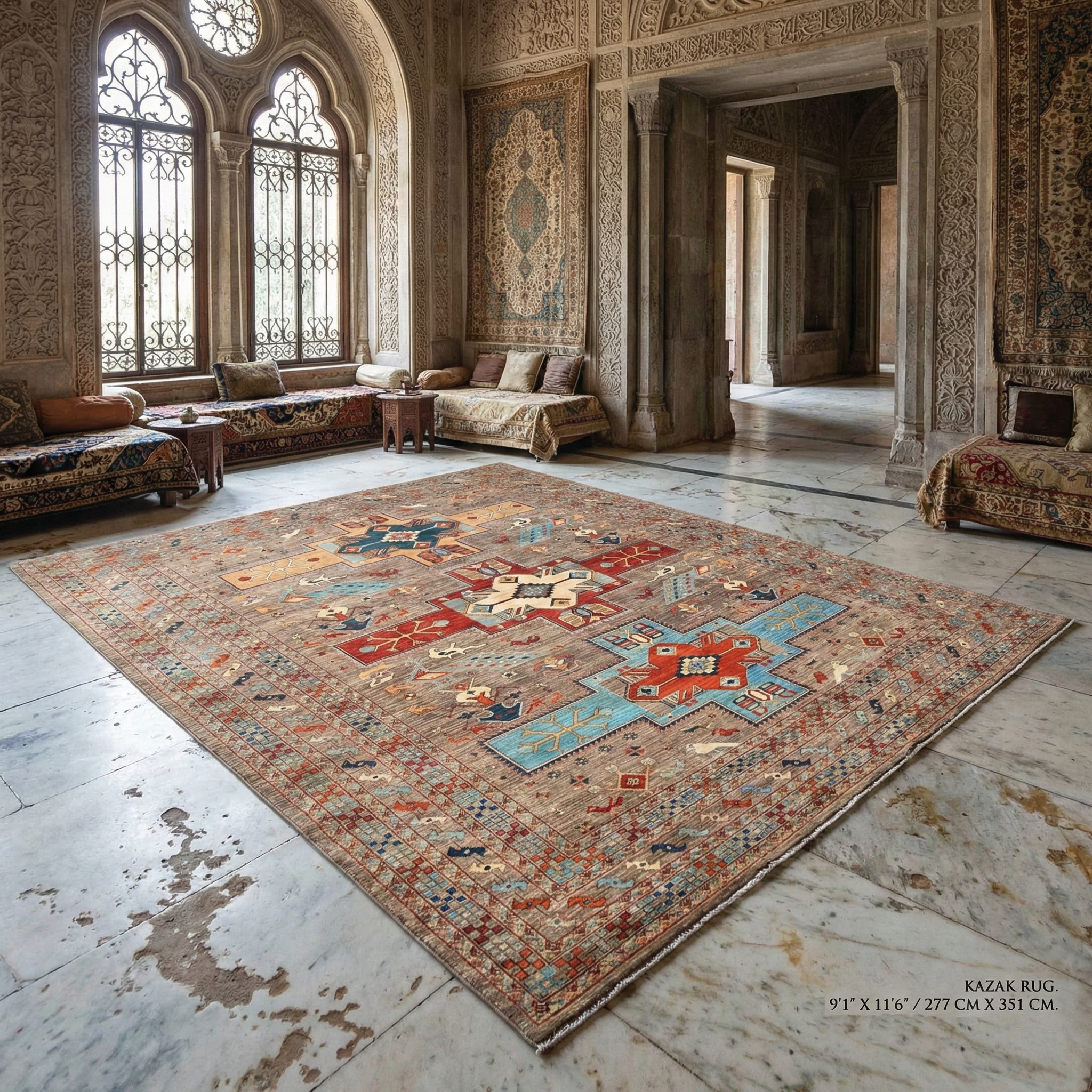
Taupe Gray, Armenian Inspired Caucasian Design, Small Bird Figurines, Velvety Wool, Densely Woven, 200 KPSI, Hand Knotted, Natural Dyes, Oriental Rug
Taupe Gray, Armenian Inspired Caucasian Design, Small Bird Figurines, Velvety Wool, Densely Woven, 200 KPSI, Hand Knotted, Natural Dyes, Oriental Rug © 1800getarug.com


Just like kings and princes prized the Kazakh carpets, Caucasian rugs connoisseur`s highly esteem their robust aesthetic and saturated natural color tones, large motifs and majestic proportions that explain the appeal of these iconic designs.


Moroccan Rugs

Moroccan Rugs: A journey of creativeness.


Moroccan rugs are a large category of hand-woven carpets from Morocco. History and geography played a key role in the development of these rugs. To understand their variety we have to keep in mind Morocco is a blend of cultures, such as Arabic, Indigenous Berber, Sub–Saharan and European influences. Furthermore, the rich and varied landscape ranging from desert to mountains gives the rugs specific characteristics. For instance, knotted heavy pile rugs are used in the snowy Atlas Mountains while flat, light woven ones are better suited for the Sahara Desert.

Daisy White, Moroccan Weave with Geometric Pattern, Hand Knotted, Tone on Tone, Soft Wool, Textured Pile, Runner, Oriental Rug
This handcrafted Moroccan weave is an authentic Pure Wool oriental rug. © 1800getarug.com 


In the past, traditional Moroccan Rugs had a utilitarian purpose: indigenous people from the desert used them to sleep, sit, dress, cover or to protect their animals with little though for decoration, but today western collectors appreciate the simple tribal designs and the wide color hues because they are easily matched with modern and sleek furniture.

Lazy Gray and Light Beige, Embossed Pile Moroccan Weave Geometric Oulad Bousbaa Design, Tone On Tone, Vegetable Dyes, Organic Wool, Hand Knotted, Oriental Rug
This handcrafted Moroccan Weave, is an authentic Pure Wool oriental rug. © 1800getarug.com


Depending on the region, Moroccan rugs have distinctive designs and styles as shown below:
Berber Beni Ourain rug are usually weaved in two colors of neutral shades with tribal patterns and designs.

Azilal tribal are carpets woven by Berber women from the Azilal region for domestic use, they feature abstract and minimalist colorful designs.

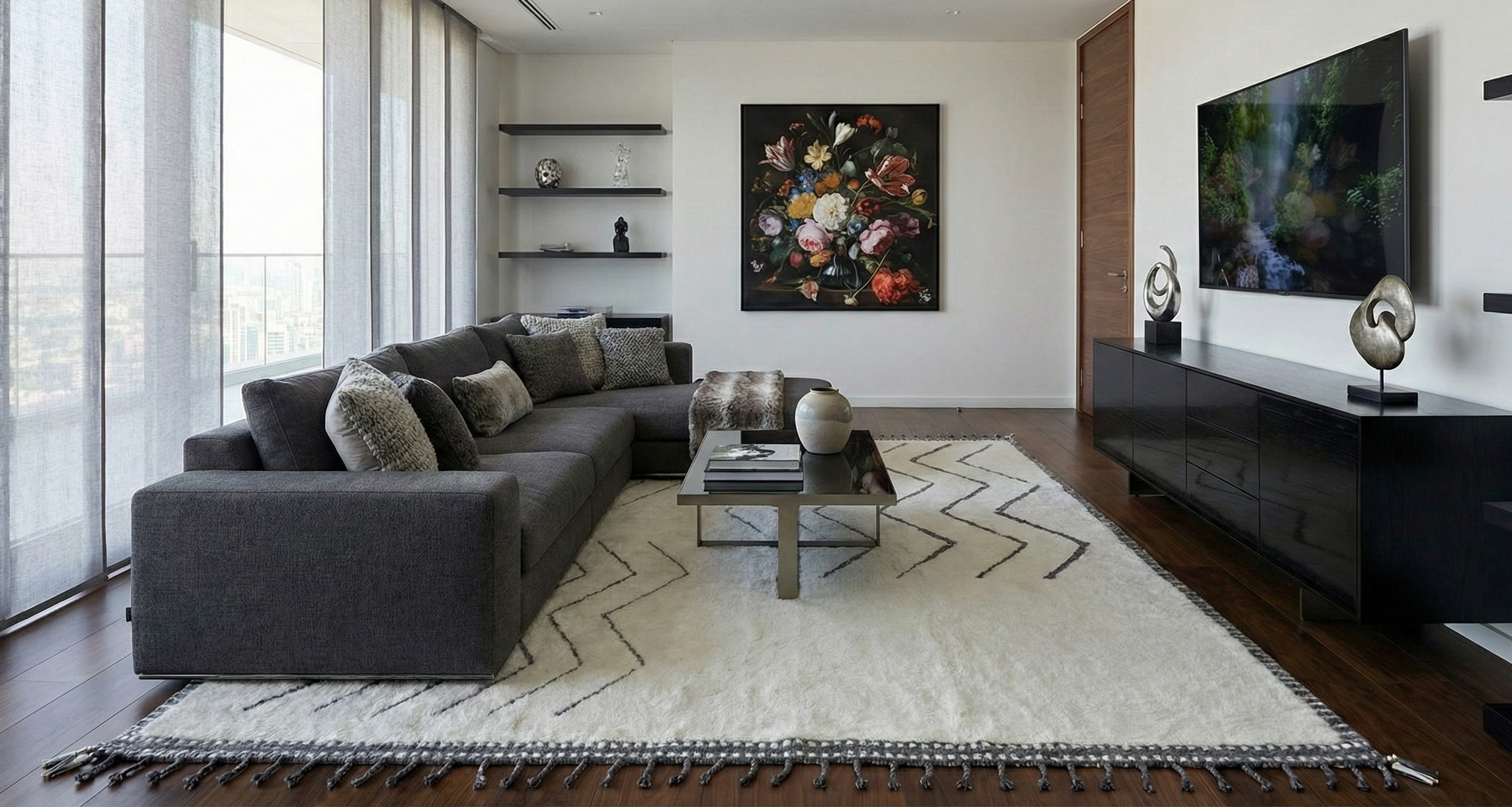
Daisy White, Moroccan Weave with Geometric Line Design, Modern, Textured Pile, Natural Undyed Wool, Shabby Chic, Hand Knotted, Oriental Rug
Daisy White, Moroccan Weave with Geometric Line Design, Modern. © 1800getarug.com


Rugs made in Rabat are well known for their diamond shape, flower designs and bare field.

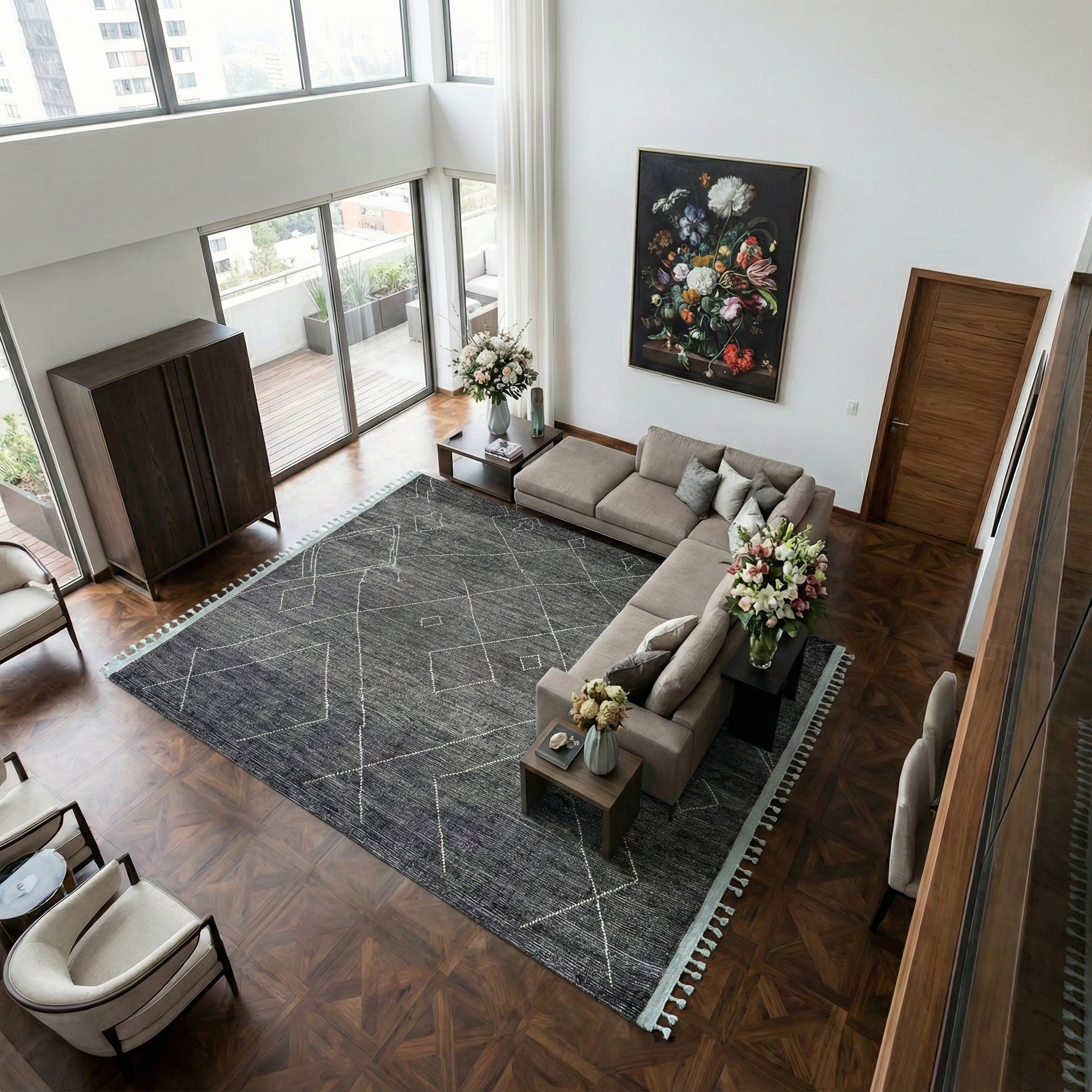
Charcoal Black, Moroccan Weave with Geometric Pattern, Soft Wool, Hand Knotted, Tone on Tone, Textured Pile, Oriental Rug
This handcrafted Moroccan weave is an authentic Pure Wool oriental rug. © 1800getarug.com


Boucherouite (Rag Rugs) beautifully made from scraps of old clothes.

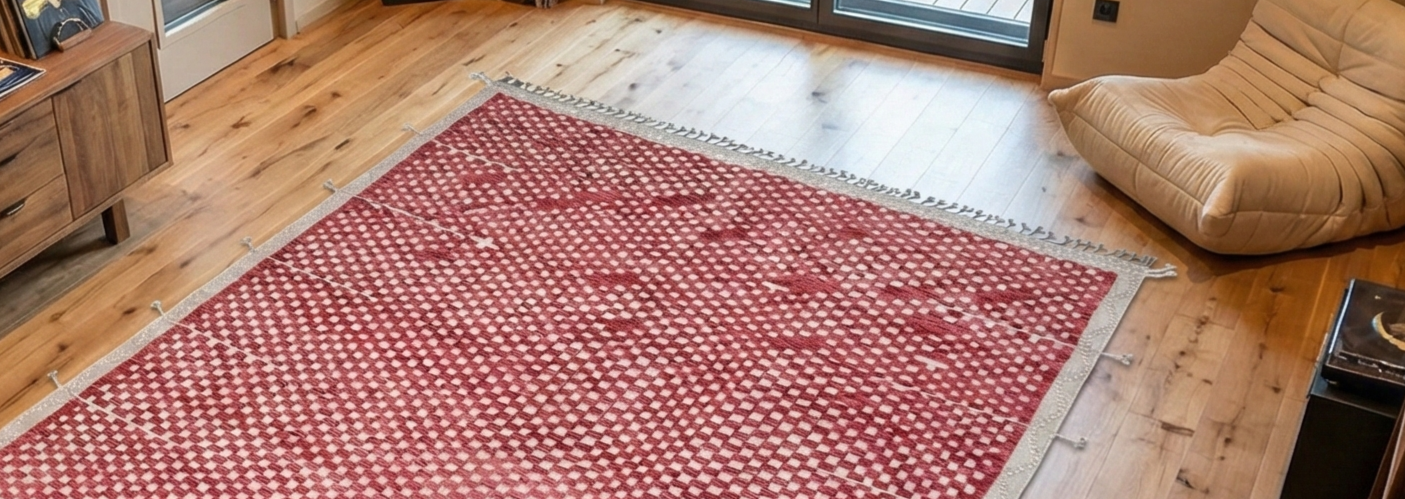
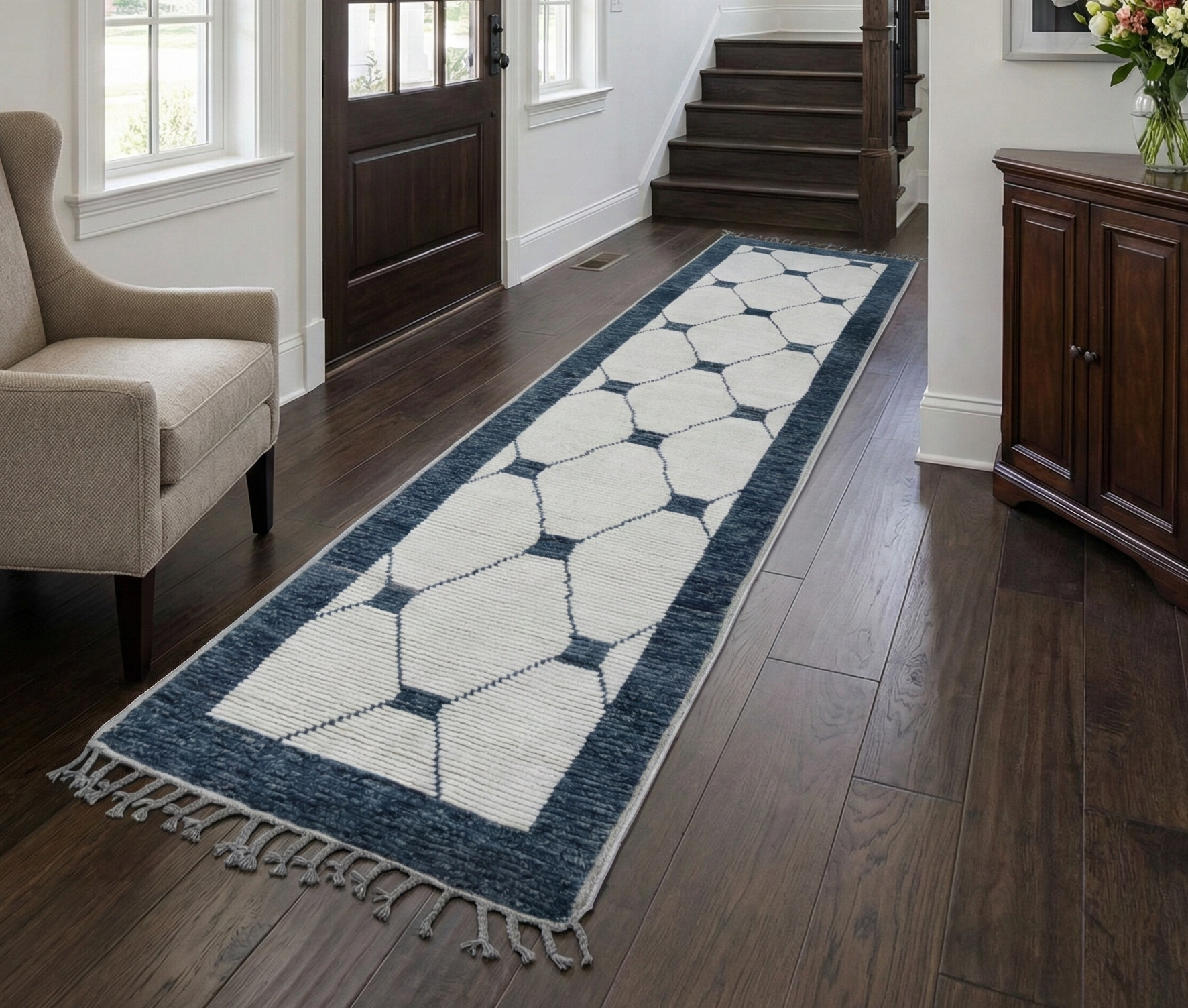
Chilli Pepper Red With Narrow Border, Hand Knotted, 100% Wool, All Over Grid Design, Marmoucha Inspired Moroccan Oriental Rug
This handcrafted Moroccan Marmoucha Design, is an authentic Pure Wool oriental rug. © 1800getarug.com


Moroccan rugs showcase the diversity and history of an entire country, from the ocean side cities to the snow-capped mountains, these rugs take us on a journey of creativeness and connect our spaces with ancient cultures.


Decoding Esfahan Rugs- The Flavor of ‘Enchanted City’

An Esfahan Rug is not just something that covers your floor, it is in fact a work of art.


My quest for these marvelous pieces began when I got the keys to my first apartment as buying the perfect rug for my floor was amongst the most important things that I needed to decorate my home. Now, the reason for my ardent inclination towards Esfahan Rugs can be traced back to my childhood, when I would visit my grandparents: their house always full of friends, family and relatives and the floor always adorned with beautiful Persian rugs. Thinking about an authentic oriental, Persian rug conjures memories of our extended family gathered together, having those cozy meals, sometimes on the floor with a soft, warm rug providing unmatched comfort. This is the kind of atmosphere that I wanted for my new apartment, a home that welcomes all and flooring that becomes the point of conversation.


Esfahan Rugs remember


It is amazing how I distinctly remember the bold circular central medallion set against a background of floral motifs and an intricately tinkling vine palmette of my grandfather’s rug. This quintessential central medallion is inspired from the famous mosque of Shah Lutf Allah in Isfahan, I am told. It was beyond doubt that I needed an Esfahan rug for my floor as these rugs are at the pinnacle of the Persian rug industry. Given my persistent encounters with some of the finest rugs since childhood, I had some basic insights into the world of these hand knotted beauties. However to buy the perfect Esfahan Rug I still needed a lot of research and groundwork. My father used to tell me that grandpa was so particular about the rug he was buying that he would scratch the back of the rug before making the purchase as handmade rugs have many secrets hidden at the back- right from the intricacy of the weaving to the knot count per square meter. As I dug deeper into the world of Esfahan rugs I got to know about the city that produces these wonderful rugs, rendering them their enchanted flavor.


Understanding the Enchanted City

The city of Isfahan lies in the middle of Iran with Zagros Mountains to the left and the desert to the right. An important industrial center today, Isfahan has been recognized as one of the finest cities of the Islamic world architecturally. The old bridge, great Imam square and the parks render the city its oriental essence, which is in turn reflected in all the offerings from Isfahan, including the rugs. If you own an Isfahan, you own a truly oriental rug with a mystic and ever mesmerizing aura. Keeping this in mind, I explored the city to find the best place to buy Esfahan Rugs and came across names such as Seirafian, Haghighi, Enteshar and Davari, having earned a good reputation as rug specialists. My quest involved lengthy conversations with these makers to understand the rug better, thereby gaining insight into what an ‘Isfahan’ is all about and here is what I found out.

Understanding the Enchanted City
Illustration of a bazaar in Isfahan © 1800getarug.com


Entwined in an ‘Esfahan’

Carpets from the city of Isfahan have their own distinction when it comes to the composition of designs, materials and patterns. The highest quality wool, often Kurk wool or silk, is used for making the pile. These rugs are characterized by high knot density, the knots being asymmetrical and most times made on a silk warp. A high knot count of around 120 KPSI up to 842 KPSI is achieved by using premium wool sheared from the chest and shoulders of lambs. Detailed accents with metallic and silk fibers have become hallmarks of carpets from Isfahan. When buying an Esfahan, you will come across pictorial scenes, medallions and curvilinear arabesques with spiraling vine-scrolls.

Wine Red, 250 KPSI, Hand Knotted, Super Mahi with Large Medallion, Wool and Silk, Oriental Rug
This handcrafted Super Mahi, 250 KPSI ,is an original Pure Wool oriental rug. © 1800getarug.com


Timeless elegance that will stay with you for generations

Handmade Esfahan rugs have some imperfections, but that is where all the charm lies. Any handmade thing is bound to be asymmetric, with some inadequacies if you like, but this is precisely what makes each handmade rug unique. Characterized by rich colors, Isfahan rugs are most commonly found in ivory backgrounds with rose, blue and indigo motifs. An Esfahan rug is not just an option to cover the floor, but an investment with great resale value. So, to avoid blowing a fortune on an “authentic” Esfahan rug that is essentially a replica, find a reputable dealer who does not sell rugs but understands them, loves them. One small tip that I can pass on from my personal experience — keep away from the person who tries to ‘sell’ you a rug.

Parchment Ivory, Vintage Persian Esfahan, 400 KPSI, Good Condition, Clean, Soft and Pliable, Hand Knotted, Wool and Silk on Silk Oriental Rug
This handcrafted Antique Persian Esfahan is an authentic Wool oriental rug. © 1800getarug.com

The legacy of Esfahan Rugs endures still, as master weavers continue to create timeless heirloom rugs. Setting out to find the right rug is a journey that should not be rushed as this is something that will adorn your floors for not years but generations. These masterpieces are not meant to be hidden away in vaults, but lavishly displayed in your heaven for everybody to admire and appreciate.


Non-Allergic Rugs – Myth or Reality?

Rugs have remained a popular type of floor covering and a decoration option for centuries, because they are soft, improve acoustics and insulate living spaces, with amazing ease. However, a beautiful carpet that has adorned your house might be making you sick – not according to us, but to many others. Including, some carpet manufacturers who seem to think so.


What is this discussion really about?

Though, rugs have not lost their charm, they have lost some popularity due to several misconceptions that have been created in the minds of people. Many folks have started associating carpeted floors, as a source of allergies and asthmatic attacks. There have been several debates about whether rugs trap dirt, pollen, dust, moulds or animal dander, lowering the overall condition of indoor air. As sceptics continue to argue about rugs being bad for indoor quality of air, manufacturers have unleashed a branding exercise, calling their products “Scientifically Developed Non-Allergic Rugs.” However, this did not resolve the confusion. A big question still exists – do non-allergic rugs really exist and if yes, is there a need for rugs to carry this nomenclature? To address such issues, we have come up with a list of the 4 most common myths, associated with this topic. This debate uses conclusions gathered from community-level health surveys and studies, undertaken by toxicologists. Read ahead, to find out why your rug cannot actually make you sick:

Papyrus White, Hand Knotted, Undyed Natural Textured Soft Wool with Looser Weave, Tone on Tone, Modern, Oriental Rug
This handcrafted Modern Pure Wool is an original oriental rug. © 1800getarug.com


1. MYTH – Mites grow in rugs

While some people believe that mites get stuck in rugs and grow there, the fact remains that these allergens exist only in places with excessive moisture. Mold growth is possible in areas with poor cleaning and maintenance. So, by eliminating sources of excessive moisture and controlling humidity, you can reduce the growth of such allergens. Vacuuming and drying your rug under the sun is the easiest way to keep away the growth of dust mites.

Did you know? Seagrass natural rugs are highly water resistant, making them naturally less prone to mites and mold growth.

Papyrus White, Hand Knotted, Undyed Natural Textured Soft Wool with Looser Weave, Tone on Tone, Modern, Oriental Rug
Carpet fibers clean of mites. © 1800getarug.com


2. MYTH – My rug is a major source of VOCs

VOCs refer to Volatile Organic Compounds that can be commonly found in synthetic carpets and rugs. VOCs are emitted after the installation of carpets and aren’t evident until, or unless they emit a funky smell. However, most interior furnishings emit VOCs only for a limited period of their installation. Most research studies suggest that emissions from new carpets are in fact among the lowest for any household indoor furnishing option and it can dissipate within 24 hours, with good ventilation.

Scarlet Red
VOC-free carpets. © 1800getarug.com

Do you know? Handmade, natural rugs don’t need the kind of chemical-heavy installation that wall-to-wall carpeting requires—you get a comforting underfoot without VOCs!


3. MYTH – My rug causes asthma and allergies

The Swedish Institute of Fibre and Polymer Research concluded that carpets and rugs have nothing to do with causing asthma or allergies. In fact, as per the research, while the use of carpet in Sweden had steadily decreased since 1975, the occurrences of allergic reactions in the general population, increased. CRI has also not come across any study suggesting a link between carpets and asthma, or allergies. You would be surprised to know that some statistical studies indicate that properly vacuumed carpets are indeed known to reduce asthma symptoms.

MYTH – My rug causes asthma and allergies
Carpets have nothing to do with causing asthma. © 1800getarug.com

Do you know? Hand-woven rugs are the least likely to induce allergic reactions. The presence of plant-based fibres from bamboo, jute or coir, don’t present the kind of allergy risks associated with synthetic materials used in manufactured machine-made carpets.


4. MYTH – Rugs reduce indoor air quality

Extensive technological assessment of materials used in the manufacture of carpets as well as of the emissions from a carpet, suggests that emissions from a rug present no health risk amounting to a serious public health concern. Any dirt, dust trapped in a rug can be effectively removed through vacuuming—it does not impair the Indoor Air Quality (IAQ). You can opt for vacuum cleaners bearing the CRI IAQ Green Label to feel assured about comprehensive removal of common allergens. We believe this misconception is due to the kind of adhesives and synthetics used in wall-to-wall carpeting that are known to leach chemicals into the indoor air.

My rug causes asthma and allergies
clean your carpets regularly. © 1800getarug.com

Do you know? Thick Pile Wool rugs are known to improve the quality of air, as they trap common contaminants like, Nitrogen Dioxide and Sulphur Dioxide, without allowing them to escape into the surrounding air.


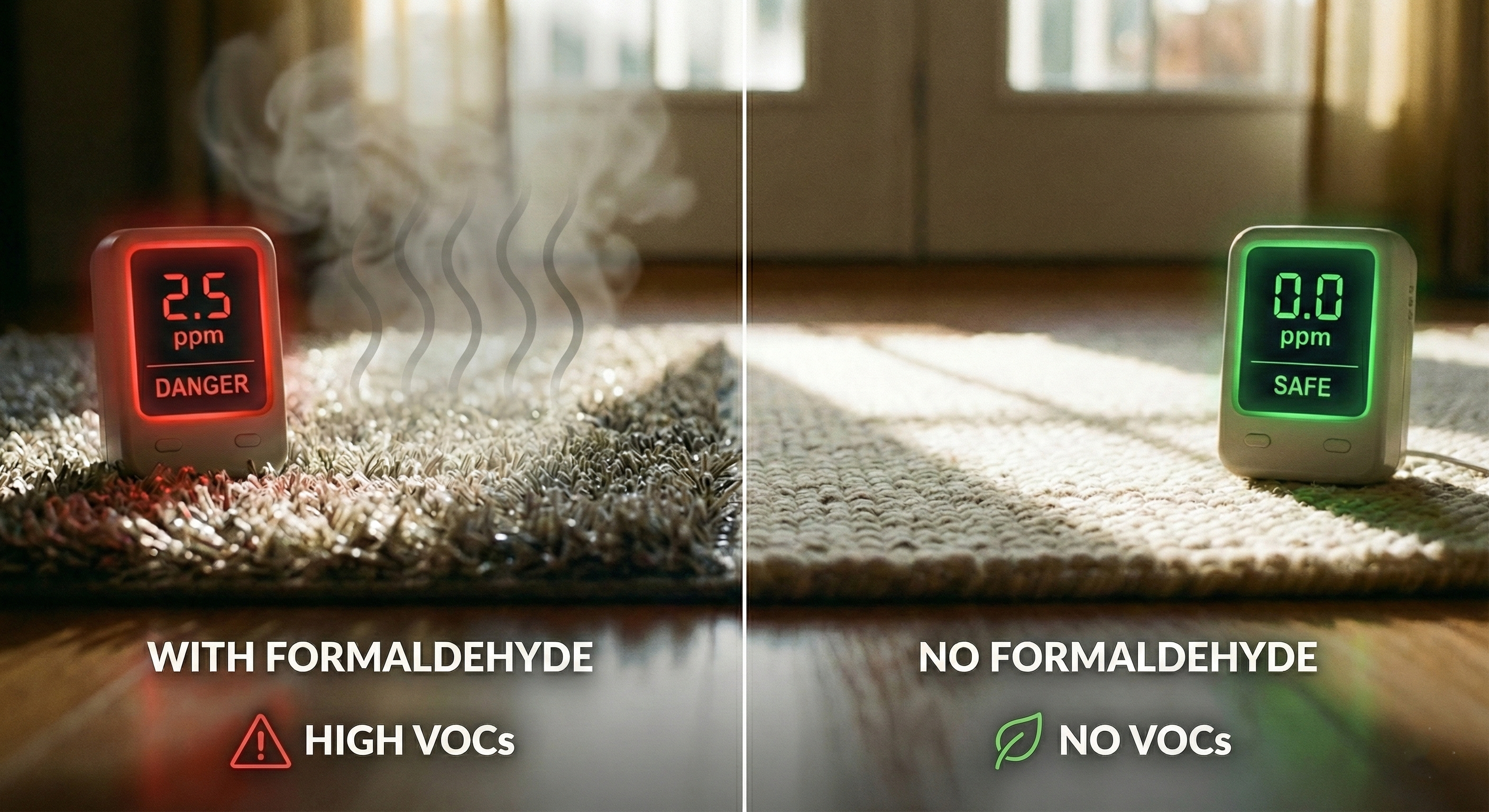
Addressing the Age-old ‘Rugs & Formaldehyde’ Debate

One common misconception that folks have in mind regarding carpets is the use of Formaldehyde. Please understand that minimal quantities of formaldehyde are emitted during rug manufacturing or installation—a fact substantiated by an official statement issued by the Carpet and Rug Institute (CRI). However, it is very difficult for most people to judge whether carpet installation raw materials carry a high VOC risk, making the entire equation very uncertain.

Addressing the Age-old ‘Rugs & Formaldehyde’ Debate
difference between synthetic carpet and 100% wool carpet. © 1800getarug.com


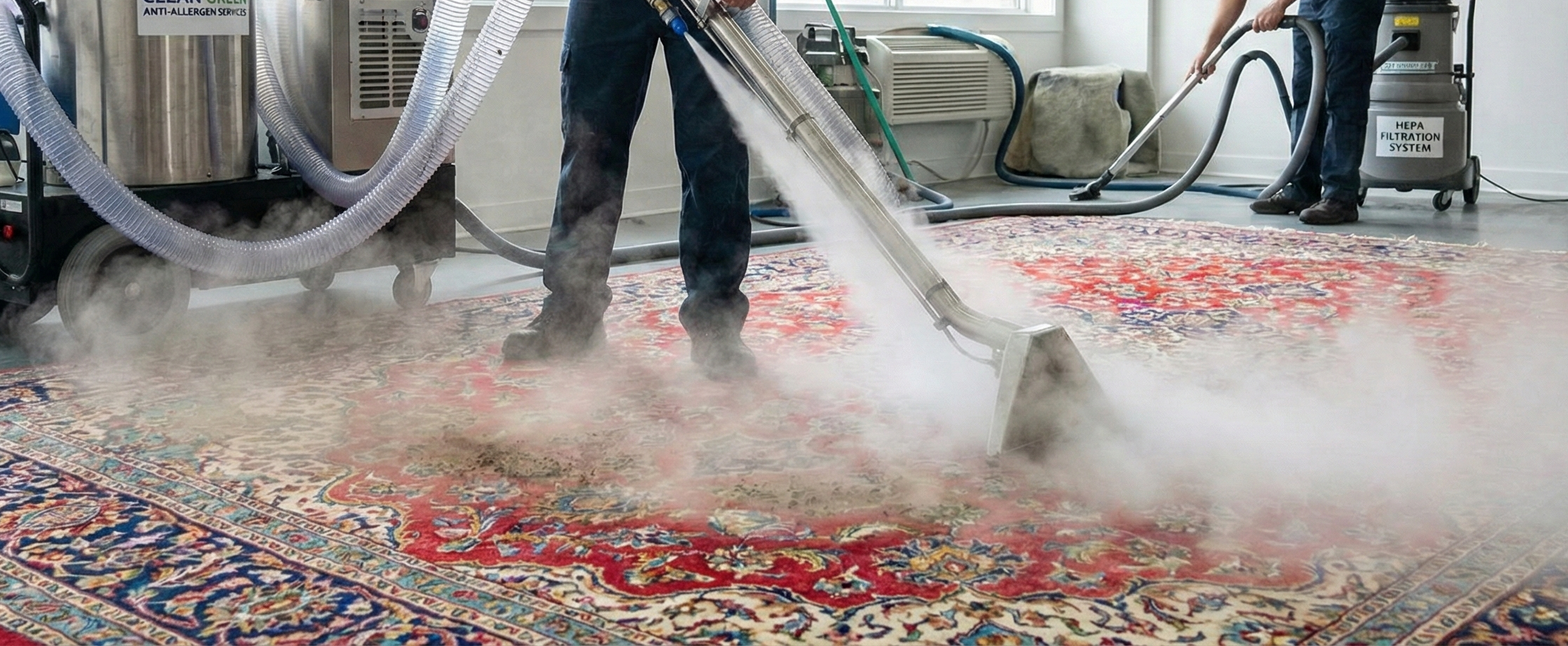
Do rugs need to be given an anti-allergy treatment?

If the manufacturing process takes care of not using too many chemical additives, invariably the rug becomes a safe option. It seems that the rug marketplace is falling prey to invasive marketing, where such simple facts are losing ground to claims made by bigger carpet-manufacturing brands. As long as you vacuum your rug regularly, it is more likely to improve the indoor air quality by trapping allergens rather than have them floating around up on the air of your bedroom. If the carpet happens to be in a high-trafficked area, professional cleaning is perhaps the best choice, to lower the chances of allergens being dusted indoors.

professional carpet cleaning
professional carpet cleaning. © 1800getarug.com


Our Verdict: Choose Handmade Rugs to Keep Allergies Away

Don’t read too much into anti-allergy treatments, some might be just an excuse to bloat the sticker price. However, there is an underlying threat to the usual variety of rugs sold at supermarkets. They are likely to have some chemical residues and be non-durable product. Wall-to-Wall and machine-made carpets, are known to test positive for traces of VOCs. A wiser approach is investing in Eco-friendly Rugs—consider hand-woven & hand-knotted rugs made with natural fibres and dyes. These rugs are harmless to children or pets. Sisal, Jute, Bamboo, Silk, New Zealand Wool, Banana-Silk and Hemp are excellent Handmade Rug choices that are not susceptible to allergens, easy to clean and will last for generations to come.

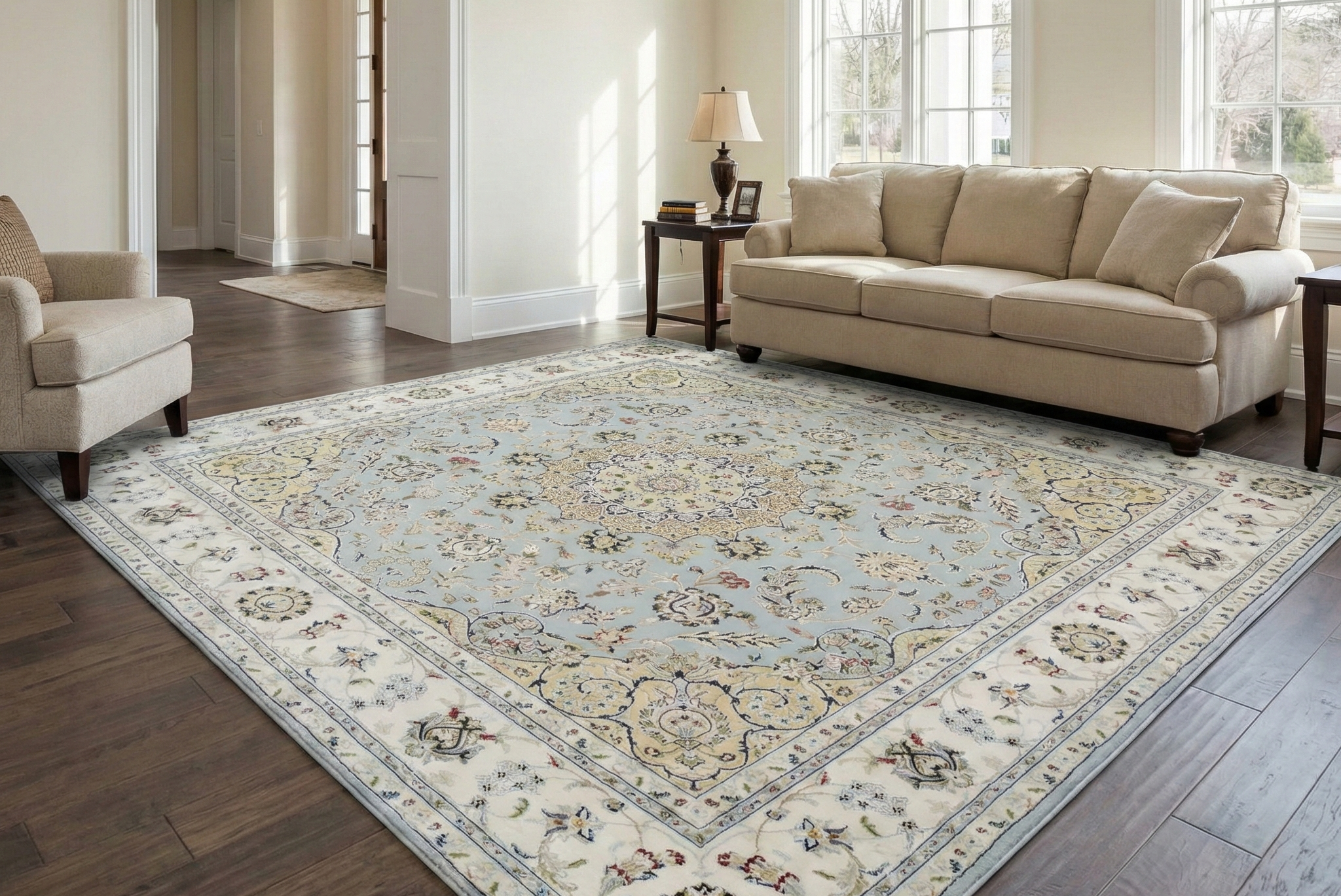
Light Blue, Wool and Silk, 250 KPSI, Soft Pile, Nain with Flower Medallion Design, Hand Knotted, Square, Oriental Rug
This handcrafted Nain with Medallion Flower Design is an original Wool and Silk oriental rug. © 1800getarug.com