The Essence: Rug Knots


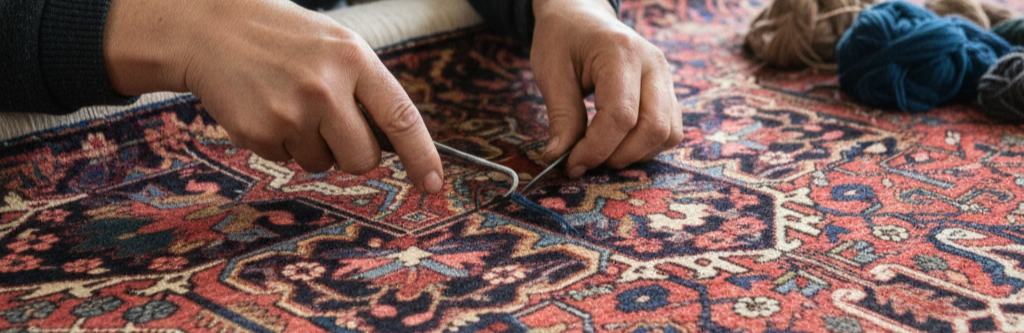
Before we think about technology and machinery, coloring and design, hand skill and passed-on knowledge, there is one single, elemental component to rug weaving: the knot. Rug knot is such a simple concept that one might overlook its central position in rug structure, look and durability.
nomad or a village hand-woven rug
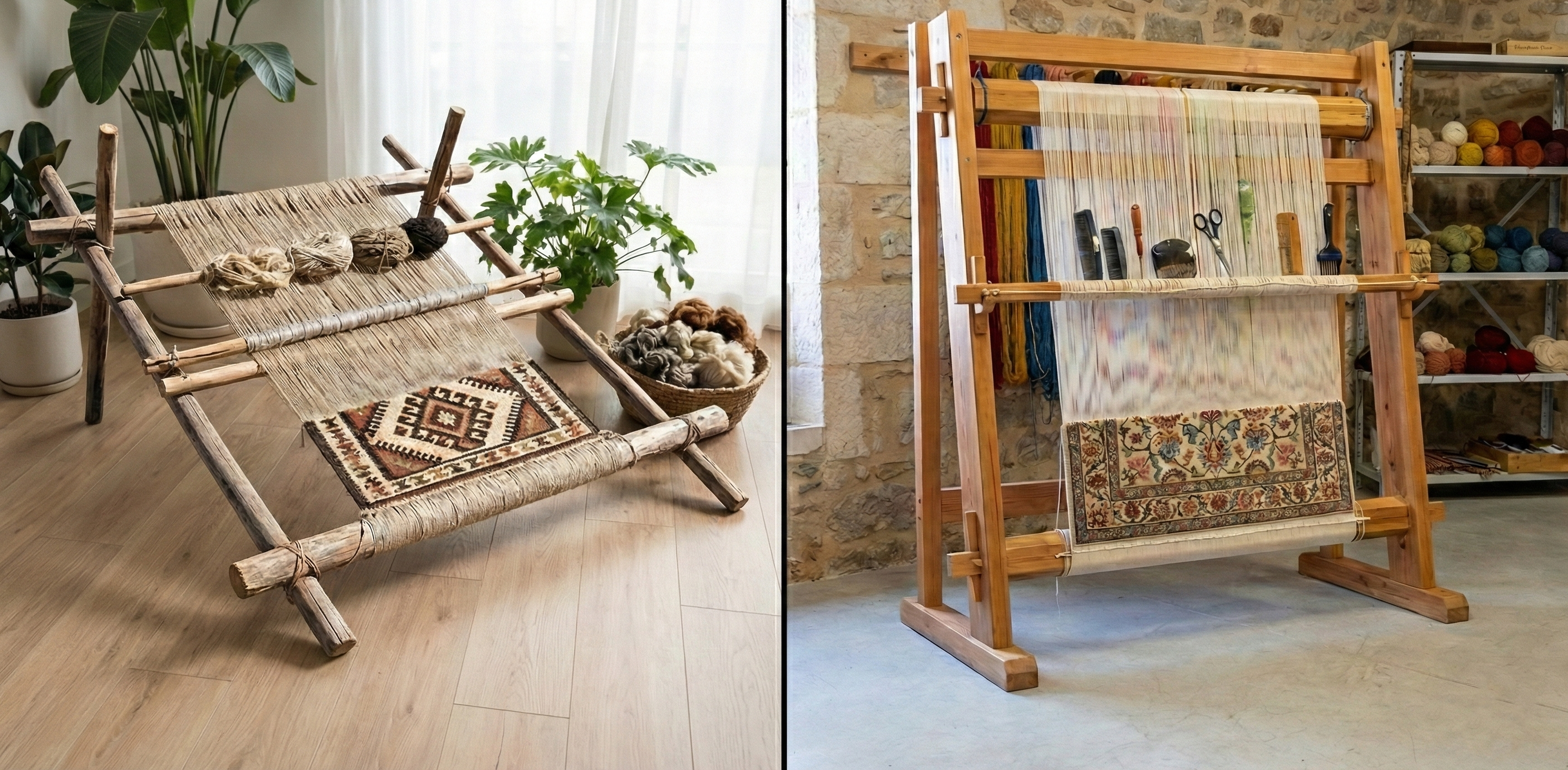
Nomadic Loom.  –  Village / workshop Loom.  ©1800getarug.com


There are two ways a rug knot is defined: density and type. When choosing a nomad or a village hand-woven rug, one might not consider the density of the knot a major factor. These traditional articles are made either within a season – and therefore fast – or with simple looms, and usually contain about 25-100 knots per square inch. Other factors are at play here: originality of the individual artist’s design (from memory), natural local dyes, manual labor, and plenty of love.
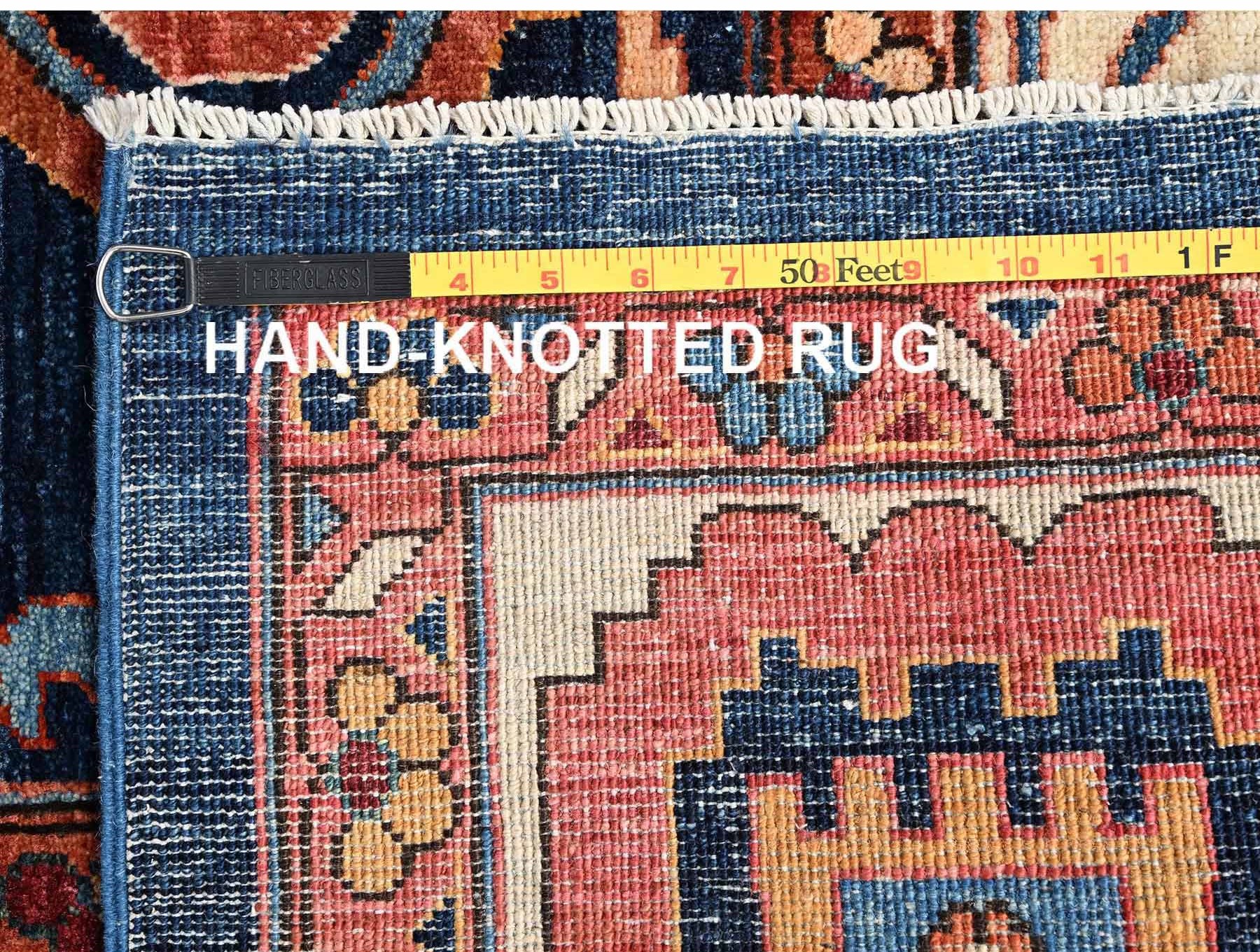
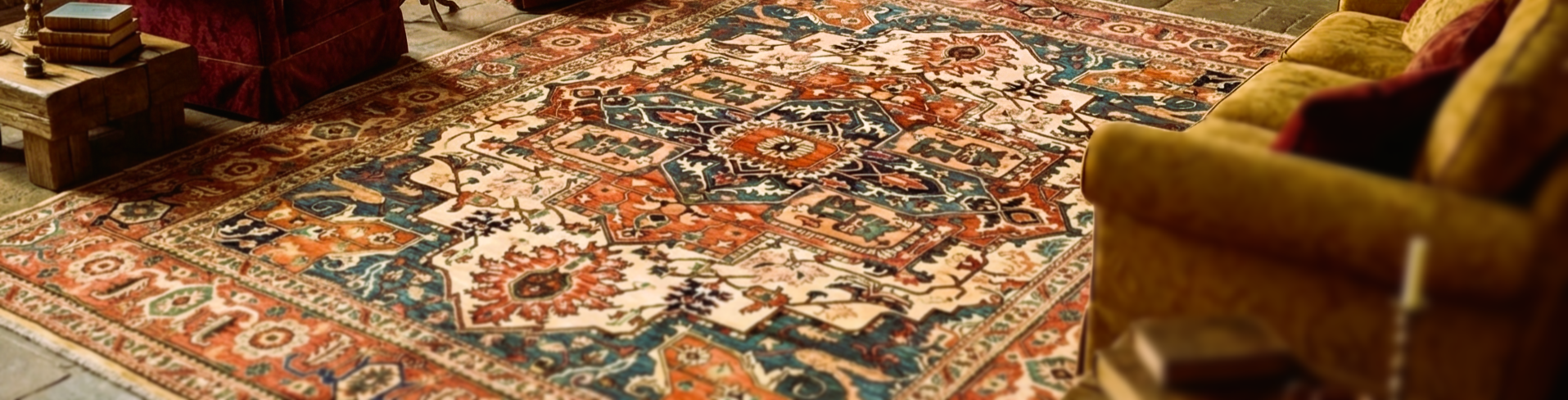
Sun Baked Orange, Serapi Heriz with Large Medallion Design, Vegetable Dyes, Hand Knotted, Aryana Grade, High Mountain Wool, Soft Pile, Densely Woven, Oriental Rug
Close-up of a Kazak rug. Notice the rather closely woven rug knots. ©1800getarug.com


The workshop hand-made rugs, however, are woven on a much more sophisticated machinery. Precision is therefore a major factor- on par with design and authenticity. The knot density ranges between 100-1000 knots per square inch. If you consider that each knot takes about 10 seconds to complete, it is astounding how long finishing a large enough rug may take, keeping in mind a rather high knot density.
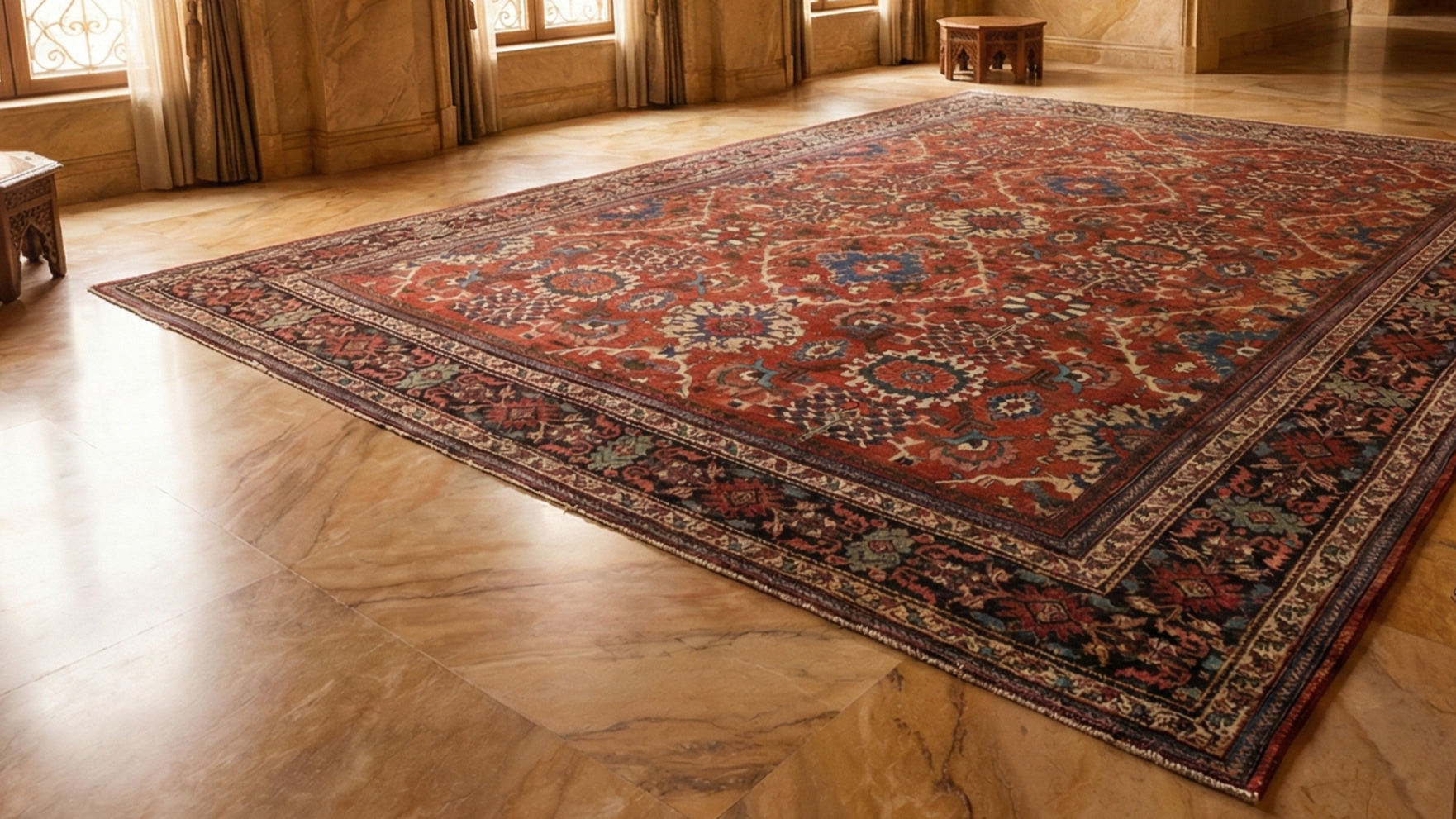
Terracotta Antique Persian Mahal Good Condition with Some Wear Clean Hand Knotted Oriental Rug
This Handcrafted Antique Persian , is an original Pure Wool oriental rug. ©1800getarug.com


The other way of thinking of a rug knot is its method, with two predominant ones being symmetrical and asymmetrical. Popular in most of Iran, India, Egypt, China, and parts of Turkey, the asymmetrical, or Persian Senneh, have their knot loops tied around two warps and come up on the same sides to make the rug tufts. The Turkish Ghiordes knot (the symmetrical one) goes around two warp threads on opposite sides and comes up in the middle. The most commonly used knots are slight variations on the Persian one. The Tibetan knot is perhaps the most interesting one, wrapping around warps in a complex fashion and reminiscent of Indic script.
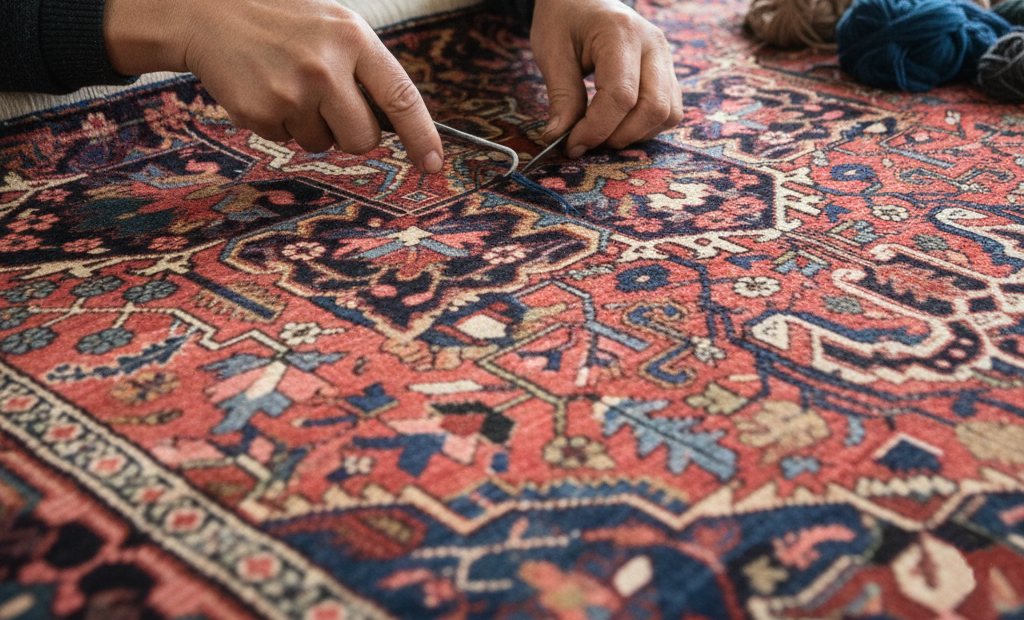
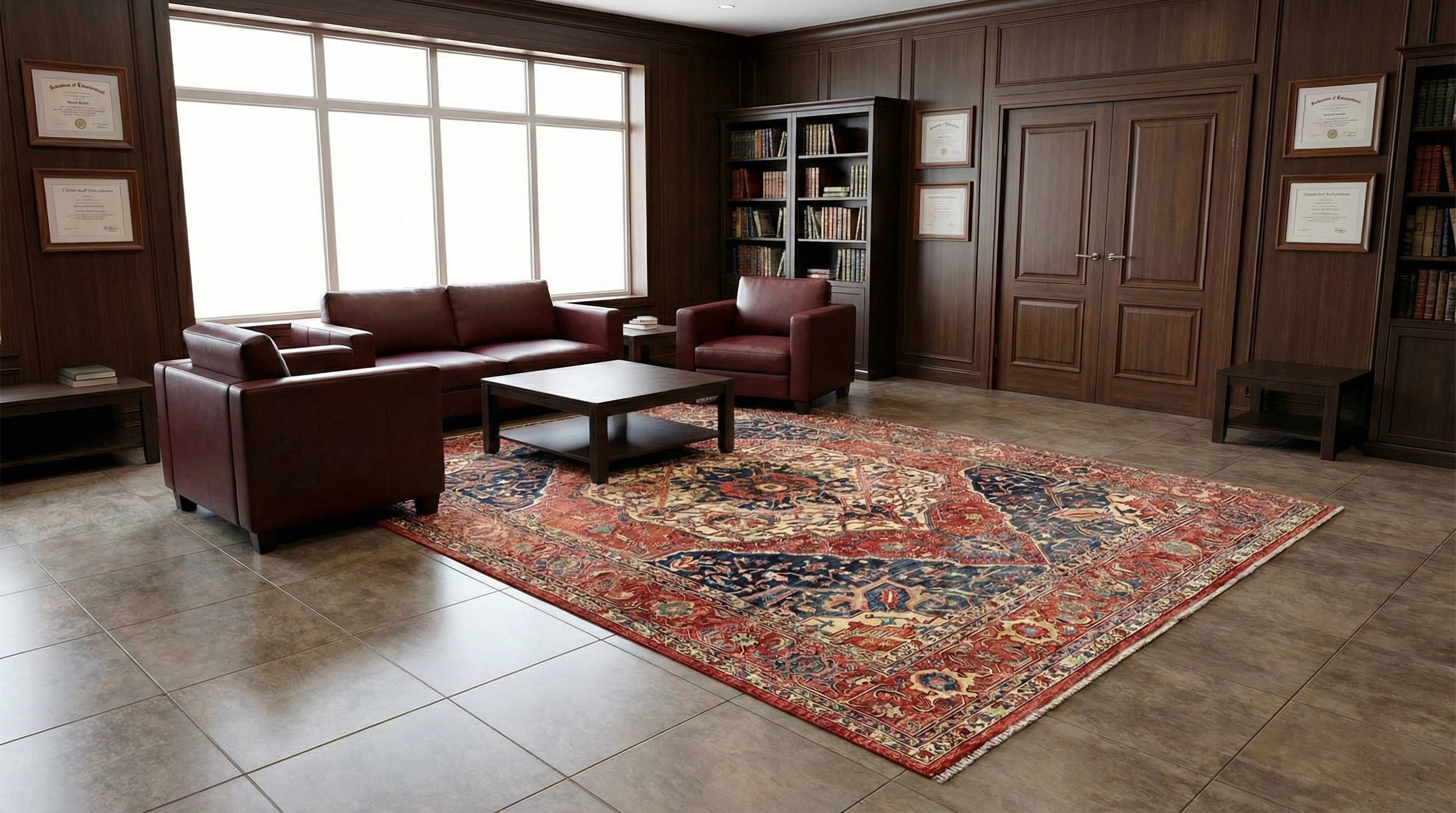
Fire Whirl Red, Antique Persian Heriz, Good Condition, Clean, Sides and Ends Professionally Secured, 100% Wool, Hand Knotted, Oriental Rug
An Illustration of a Persian Knot. ©1800getarug.com


The study of rug knots is not necessarily complex, but it certainly is full of grace and style, which is necessary for understanding the structure, design, and feel of these wonderful hand-woven rugs that we cherish throughout our lives.



The simple beauty of Kilim Flatweave rugs


Sometimes things can be uncomplicated, sometimes they can be understated. Sometimes the beauty comes from the simplicity of the design and execution. Look no further than Kilim hand-woven rugs, classic flatweave carpets known for their unique contained look and versatility.

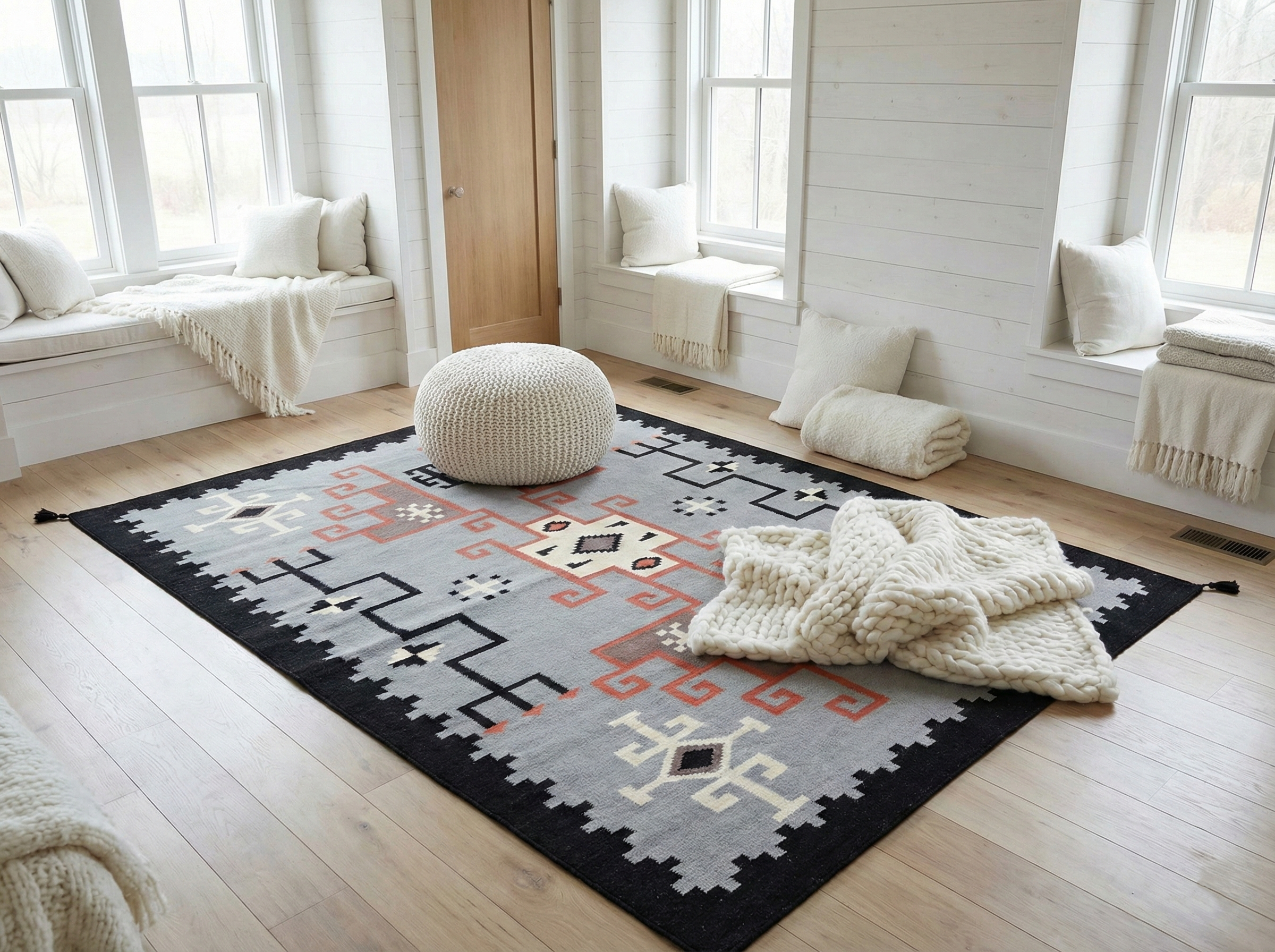
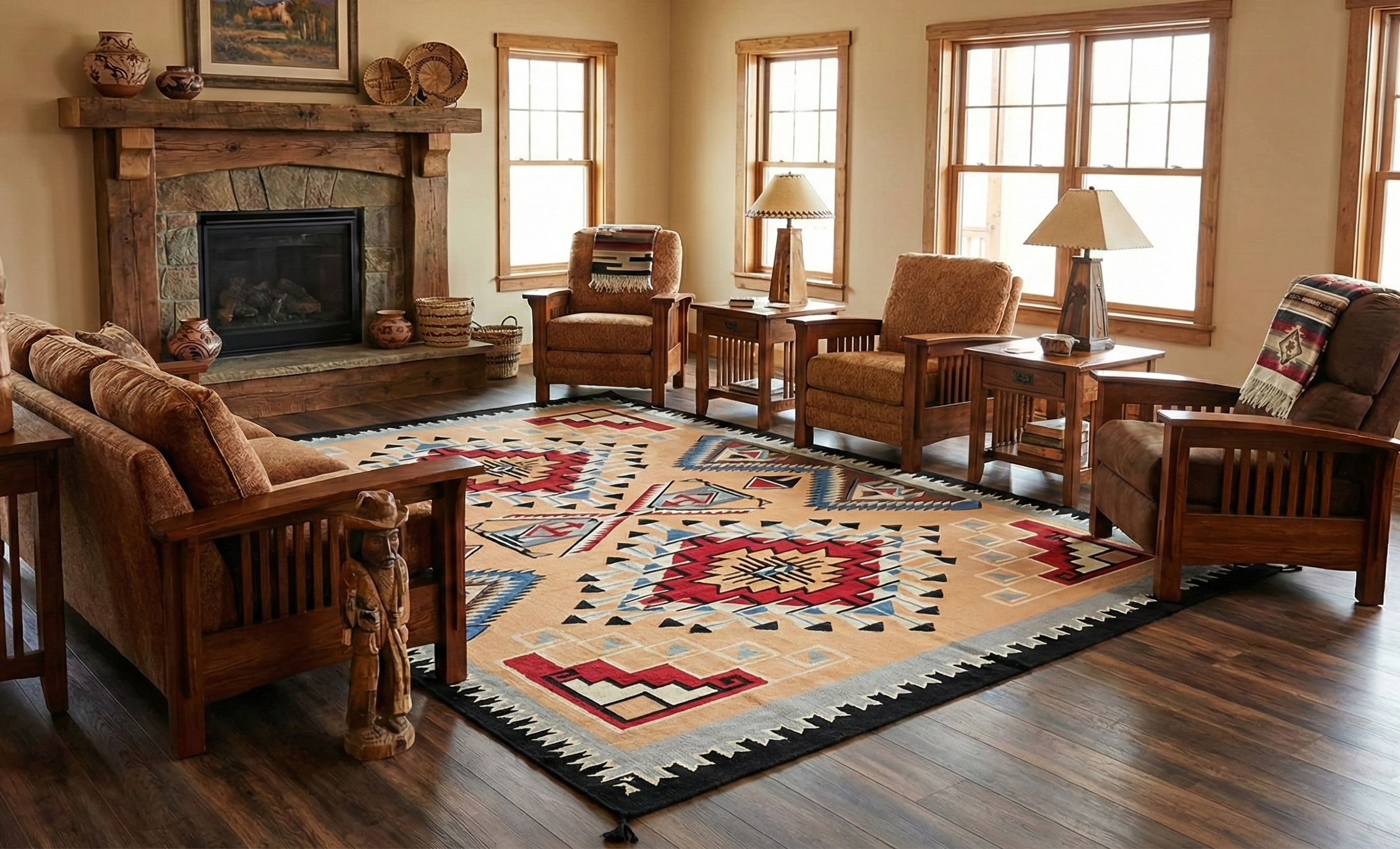
Medium Gray, Flat Weave, American Indian Southwest Geometric Design, Hand Woven, 100% Wool, Oriental Rug
This handcrafted American Indian Southwest Geometric Design is an authentic Pure Wool oriental rug. © 1800getarug.com


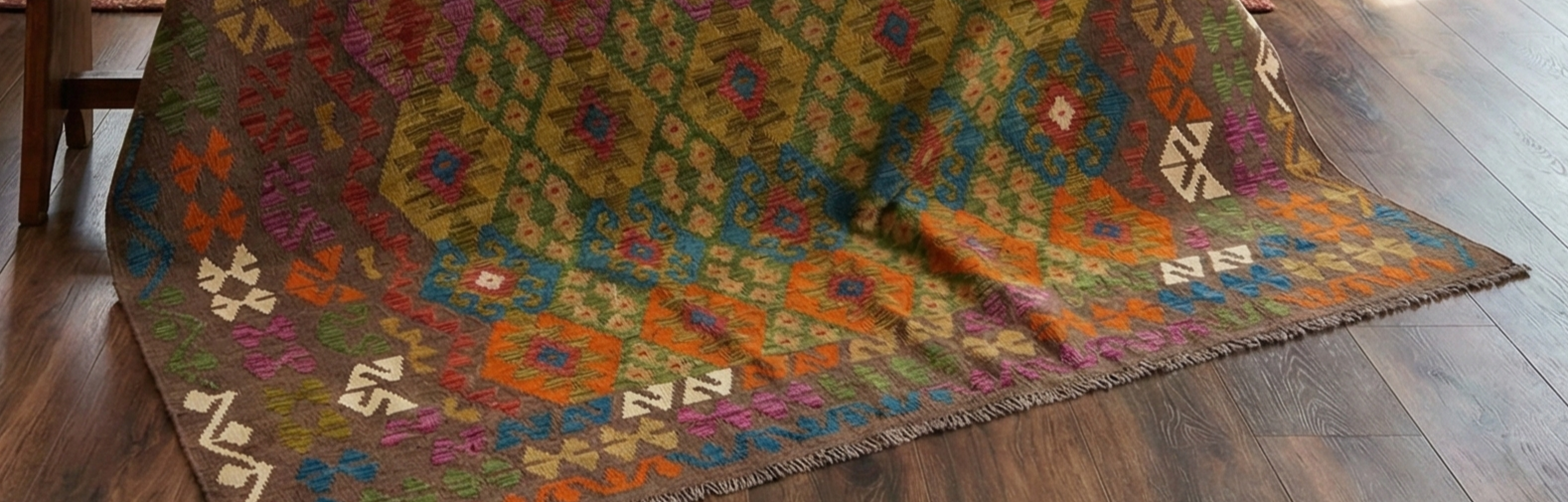
One of the most consistent technique to go back centuries, Kilim rugs were most likely first used by nomadic peoples of Middle East and Central Asia. The earliest examples were found around Khotan, present day Xinjiang, China, one of the centers of trade along the Silk Roads, and go back centuries. The name is derived from Turkish “gelim”, which means, “to spread” (as in, to spread a rug). Its pure geometrical designs are believed to have mystical, inspirational powers.

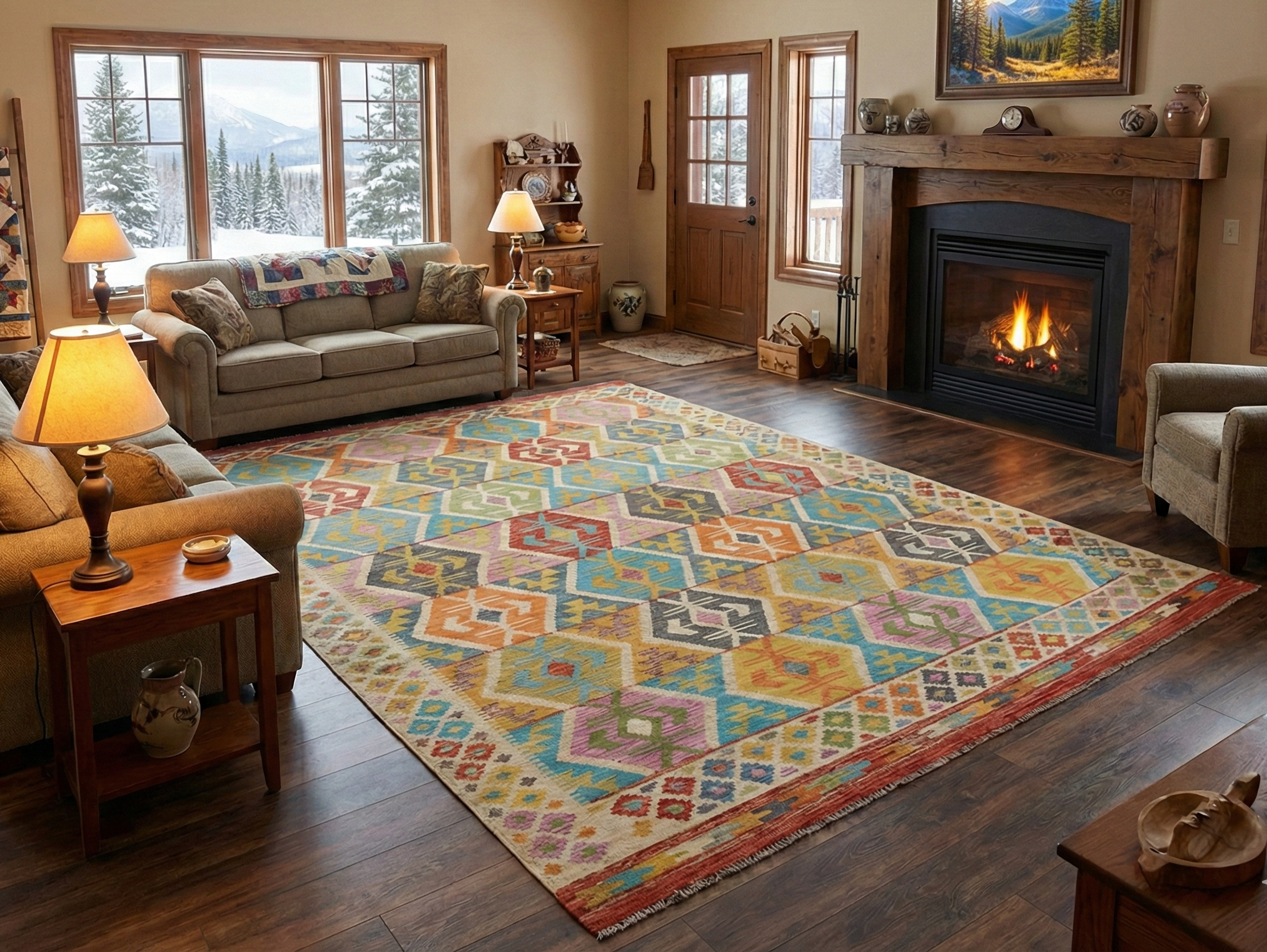
Bone White, Afghan Kilim with All Over Colorful Geometric Pattern, 100% Wool, Natural Dyes, Flat Weave, Hand Woven, Reversible, Oriental Rug
This handcrafted Afghan Kilim is an original Pure Wool oriental rug. © 1800getarug.com


To us, the most fascinating thing about the hand-woven Kilim rugs is the unique weaving technique, called slit weave. These rugs don’t have a pile, and are created by simply weaving the woolen wefts and the cotton or wool warps (thread ratio is 16 of weft, 14 of warp). Two different-colored weft blocks are tightly packed into the warp by a special comb and returned to original side once they reach each other, leaving a slight “gap” in between – the slit! This is the origin of the traditional Kilim motif: diagonal and horizontal lines, a pattern designed for durability.

Coconut Brown, Hand Woven, Flat Weave, American Indian Southwest Geometric Design, 100% Wool, Oriental Rug
This handcrafted American Indian Southwest Geometric Design is an authentic Pure Wool oriental rug.© 1800getarug.com


While the traditional colors for these magical Kilim hand-woven rugs are blue, green, red, and yellow, the modern take on the carpets includes a variety of dyes and designs. Still these works of art are as versatile and affordable as they were centuries ago: they are easy to spread or fold, don’t crease; are great at being a centerpiece decoration, hanging on a wall or serving as a door step rug, or for saddling your mule, if the occasion truly calls for it!

Peach Color, Flat Weave, American Indian Southwest Geometric Design, 100% Wool, Hand Woven, Oriental Rug
This handcrafted American Indian Southwest Geometric Design is an authentic Pure Wool oriental rug. © 1800getarug.com


Serapi Rugs


The beloved Serapi rug from the remote mountains of Northwest Persia, has a typical design from the Heriz region.  The elements inherited from many traditions are combined into the majestic antique Serapi carpet; geometric designs maybe connected to tribal Caucasians rugs, while the Tabriz carpet has surely influenced the usage of the central medallion in the Serapi rugs.

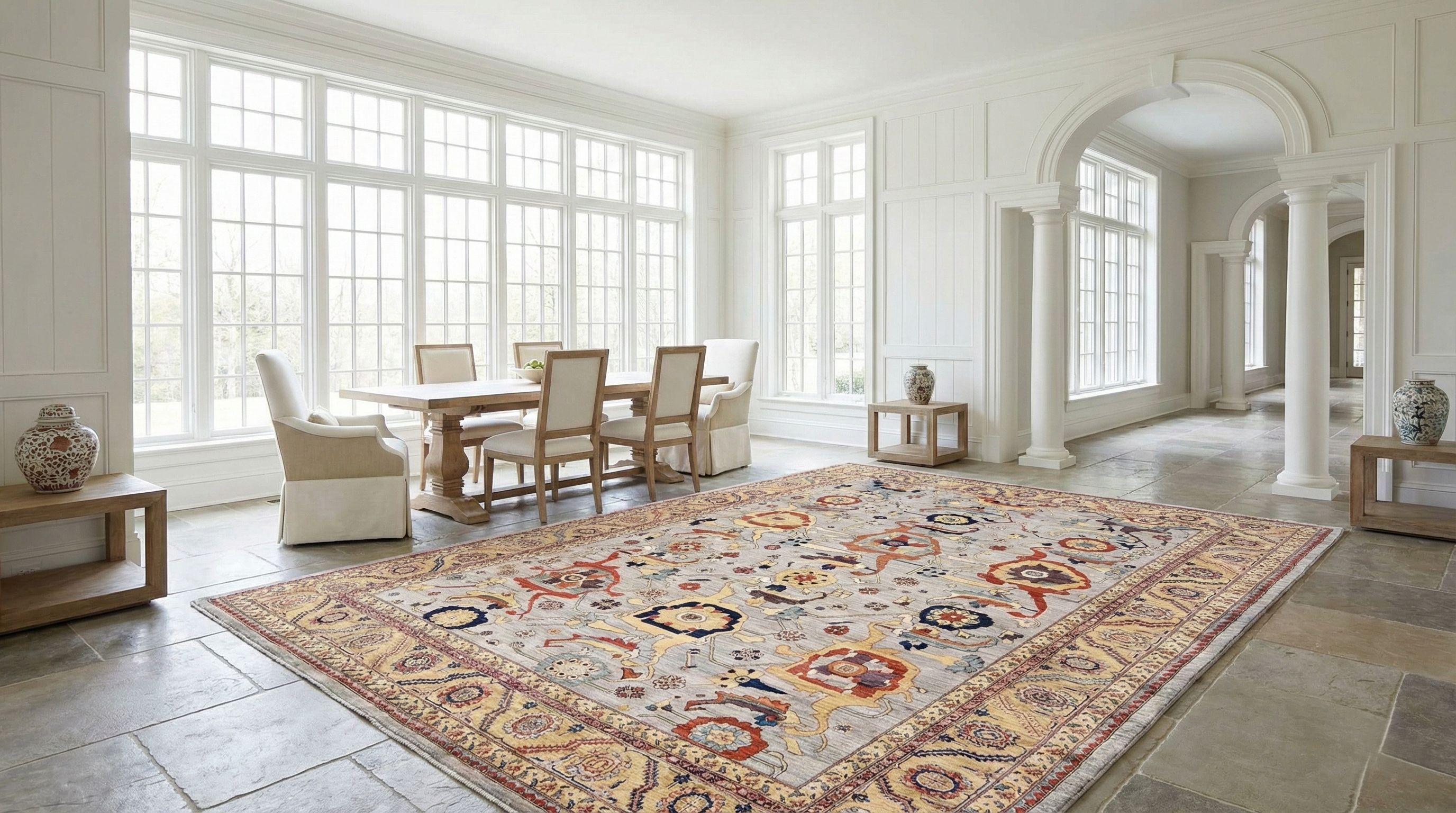
Stormy Sky Gray, Antiqued Serapi All Over Design, Vegetable Dyes, All Wool, 200 KPSI, Hand Knotted, Oriental Rug
This handcrafted Antiqued Serapi is an authentic Pure Wool oriental rug. ©1800getarug.com


The highly skilled female weavers work in groups during years, before completing a Serapi Persian rug. The spontaneity that characterizes these groups of women, is the result of amazing and tedious labor. Small workshops were known to deliver fine knotted carpets, while families created symbolic designs and a more rustic weave type. The women from the Heriz region also had knowledge of how to deep dye the local wool, achieving the desired “abrashed” or muted color. Large areas of the Heriz rug use pale wool colors, providing the perfect contrast that distinguish these carpets.

Coral Red, Aryana Collection, Serapi Heriz with Large Medallion Design, Vegetable Dyes, High Mountain Wool, Hand Knotted, Soft Pile, Densely Woven, Oriental Rug
This handcrafted Serapi Heriz Design is an authentic Pure Wool oriental rug. ©1800getarug.com


The 19th century Serapi carpets are known by a center quadrant medallion, inspired by a bird’s eye view of a persian garden. In many occasions, a large-scale all-over design pattern could also be used.  Nowadays, the Serapi inspired hand-knotted rug can be found in many different colors, ranging from the traditional pink, red and navy blue. In the years 2015 to 2017, many rug designers have modified the look of The Heriz carpet, to the so called  “Broken Design Rugs.” These new carpets are indeed very valuable as a new trend in the design industry and an original handmade piece can only be found from trusted rug shops.

Ivory and Blue, Hand Knotted, Densely Woven, Pure Wool, Erased Persian Serapi Heriz Design, Oriental Rug
This handcrafted Erased Persian Serapi Heriz Design, is an original Pure Wool oriental rug. © 1800getarug.com


In the first years of the 20th century,  these rugs were woven in isolated areas, and then sold in the market of the Sarab city of Persia. This is where the name Serapi originated, from the word  “Serab-i” which means “of Serab”. The whimsical charm of the antique Serapi carpet, it’s pure vegetable dyes, traditional designs, or modern broken motifs, make them a worthwhile furniture item. Many interior designers love to have this type of rug, as a home decor idea.

Beige, Serapi Heriz with Large Medallion Design, Aryana Grade, Vegetable Dyes, High Mountain Wool, Hand Knotted, Soft Pile, Densely Woven, Oriental Rug
This handcrafted Serapi Heriz Design is an authentic Pure Wool oriental rug. ©1800getarug.com


The Dirty Persian Rug Test

Feel like your Oriental rugs or Persian rugs are dirty? Having a hard time remembering what color it was when you first bought it? Chances are, it’s filthy, either that, or you’re losing your mind. Most hand knotted Oriental or Persian rugs require a yearly cleaning, depending on a couple of factors. Performing the dirty Persian rug test is one way to tell.

Try one of the following methods to see if your rug needs a cleaning:

  1. Moisten a white towel and gently rub back and forth; if the towel is soiled, it’s time for a cleaning!
  2. Pick up the corner of your rug and give it a swift kick; if a little cloud of dust emerges, it’s time for a cleaning!
  3. Lift up a corner of your rug so that the backside is facing you; fold the corner down and over so you can get a good look of the crevices your vacuum can’t reach. If you see debris, dust, or fibers, it’s time for a cleaning!

In terms of self-cleaning, the process is a bit more complicated. If your task is to clean a large area rug, stop and call a professional. The smaller the rug, the easier it is to clean, and the less likely you’ll be to ruin the entire rug. Now cleaning a rug is similar to washing your hair. But before you start anything, test a small patch to check for color runs! Firstly, remove any debris with a quick vacuum job, lather your rug with shampoo and water, rinse thoroughly with water, squeeze excess water out, and lay flat to dry.

To maintain a clean rug, avoid wearing shoes inside the house or try vacuuming once a month to get rid of dust and fibers. Stick with these few tips and you’ll be more likely to see your rug’s true colors.

The Magic Carpet is My Favorite Rug

As far as I’m concerned, it will never even be up for debate.

It won’t be two-hundred-year-old oriental rugs. It won’t be hand-stitched Persian Rugs. It won’t be hand knotted rugs, silk area rugs, or even a gorgeous brand-new vegetable dye rug.

No, no, no… as far as I’m concerned, my favorite rug will forever and always be The Magic Carpet for Disney’s 1992 film Aladdin.

I mean, how cool was that guy (thing?)? First appears in the “Cave of Wonders,” which is a pretty cool name for a place to hang out in. then, without even knowing Aladdin (or his grumpy and territorial monkey, Abu) he risks himself to save them both when the cave begins to collapse.

He clearly has some history with the Genie, a character be beats at the game of chess later on. And I mean, come on…an omnipotent, magical, wish-granting supreme being was defeated by “the rug man,” as he jokingly address’ him. Gotta give some props for that.

However, what I’ll always remember is how an animated character with ZERO lines and no face was able to seem so human just through “body” language. It’s the first animated character I can remember that was created solely with Computer Generated Imagery, and for that reason alone it will always be my favorite rug, fictional or not.

The Rules for Persian Rugs

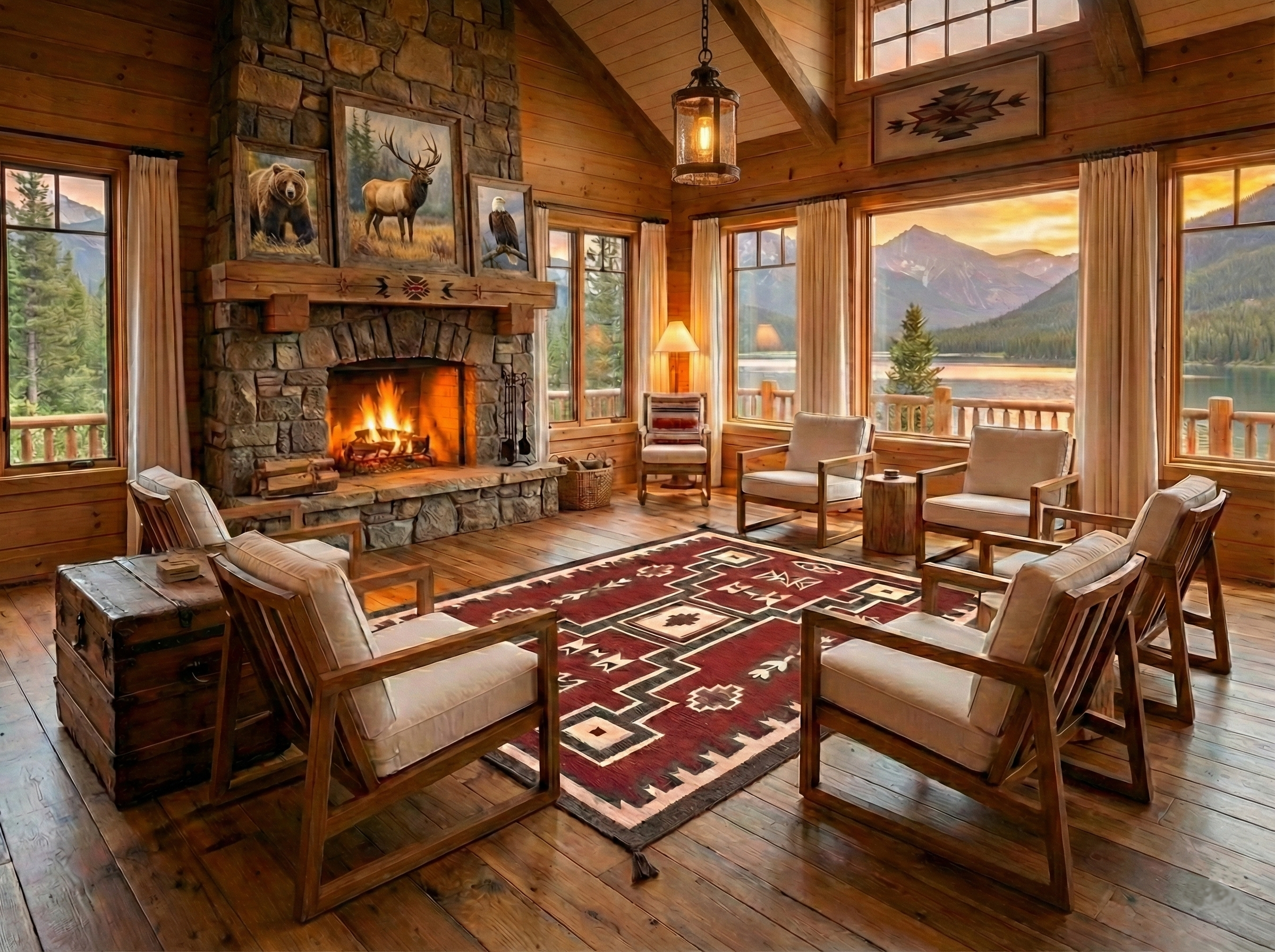
Area rugs can really make a big difference in the feeling of your home. If you have wooden floors, it is a great idea to add some texture to a room by placing oriental rugs in it. This added splash of color can enhance any gathering you have by allowing people to think about how your furniture interacts with your rugs.

And don’t think that Persian rugs won’t go with your current decor – they are so classic that they can go anywhere and look good. A great way to make your interior design more interesting is by combining different elements (modern with antique, leather and wool) for a unique room that offers options.

Silk or wool is a good choice if you are thinking about area rugs, though the former, I must warn you, is typically more expensive. It does attract light better, however, and also may function as a piece of decorative artwork. Should you buy a 5×8, you can hang it on the wall to appreciate its multitudinous colors and superb craftsmanship.

Persian rugs are excellent investments, appreciating dramatically once they become antiques. Remember to keep your Oriental rugs out of the sun, and if they’re underneath furniture, rotate them annually so they don’t become worn in one specific area.