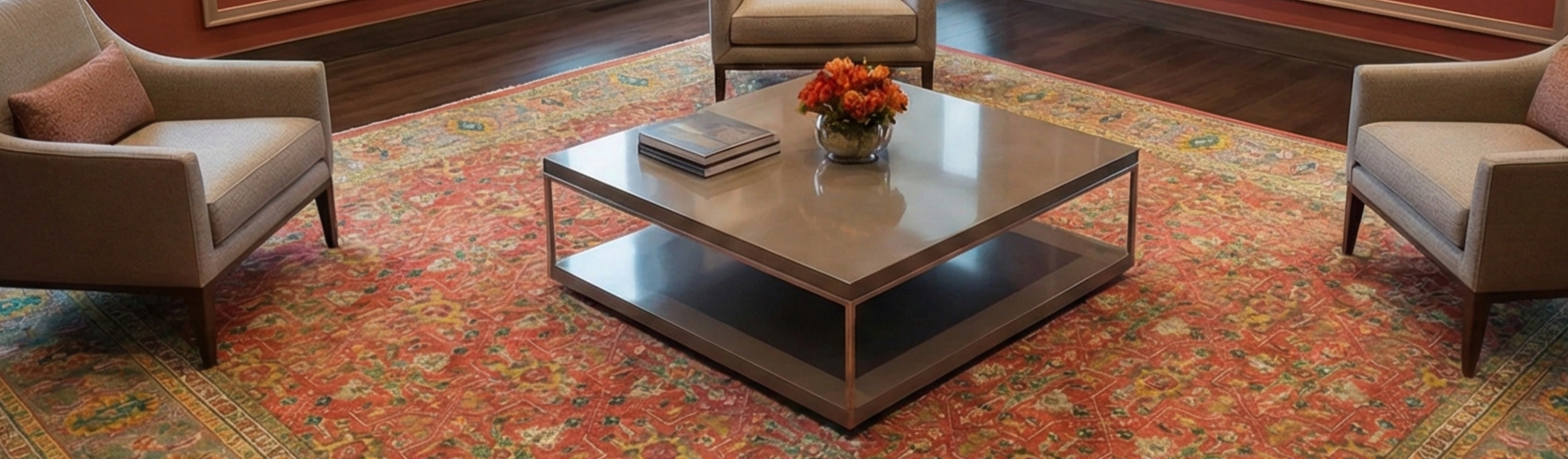
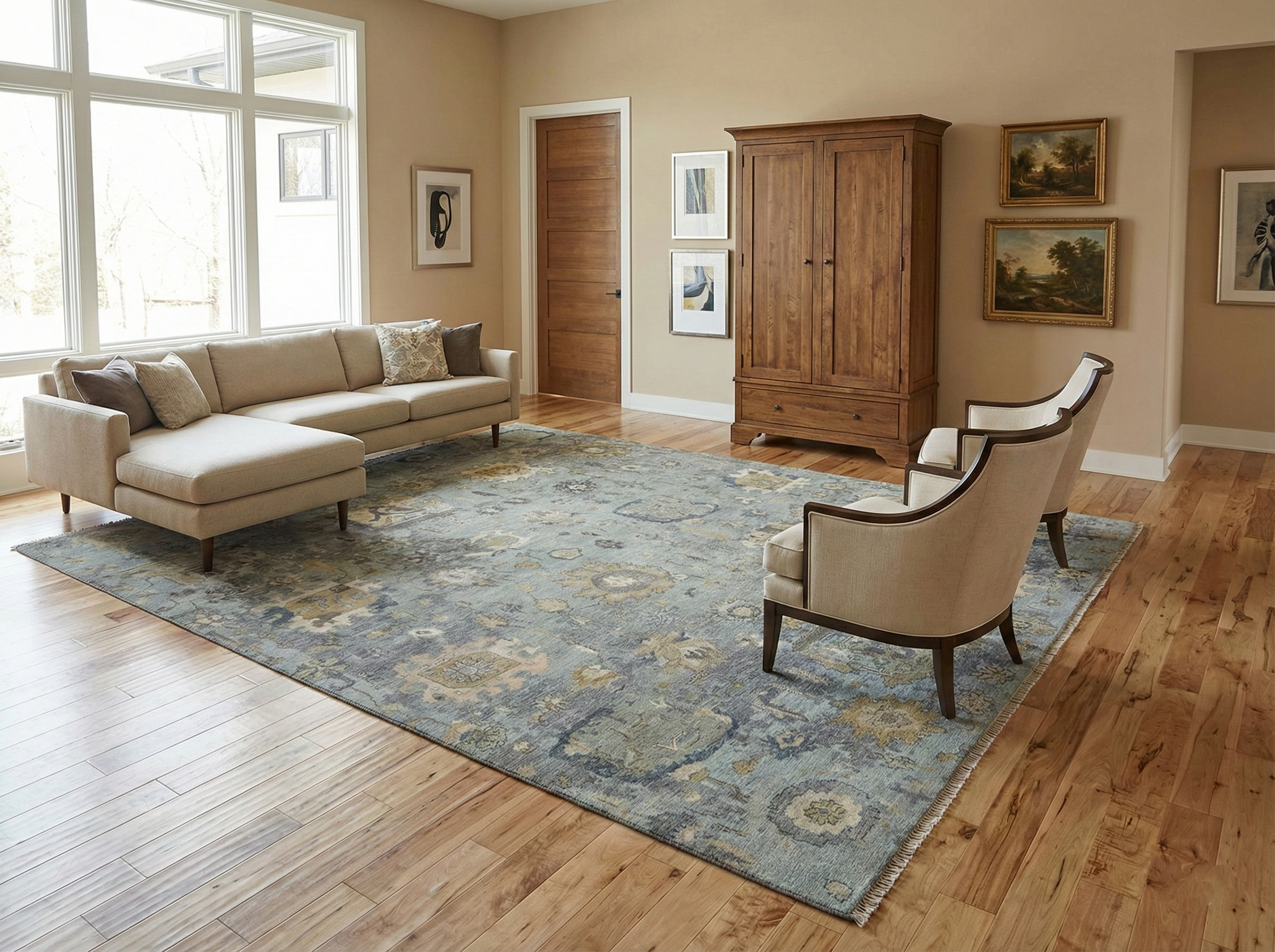
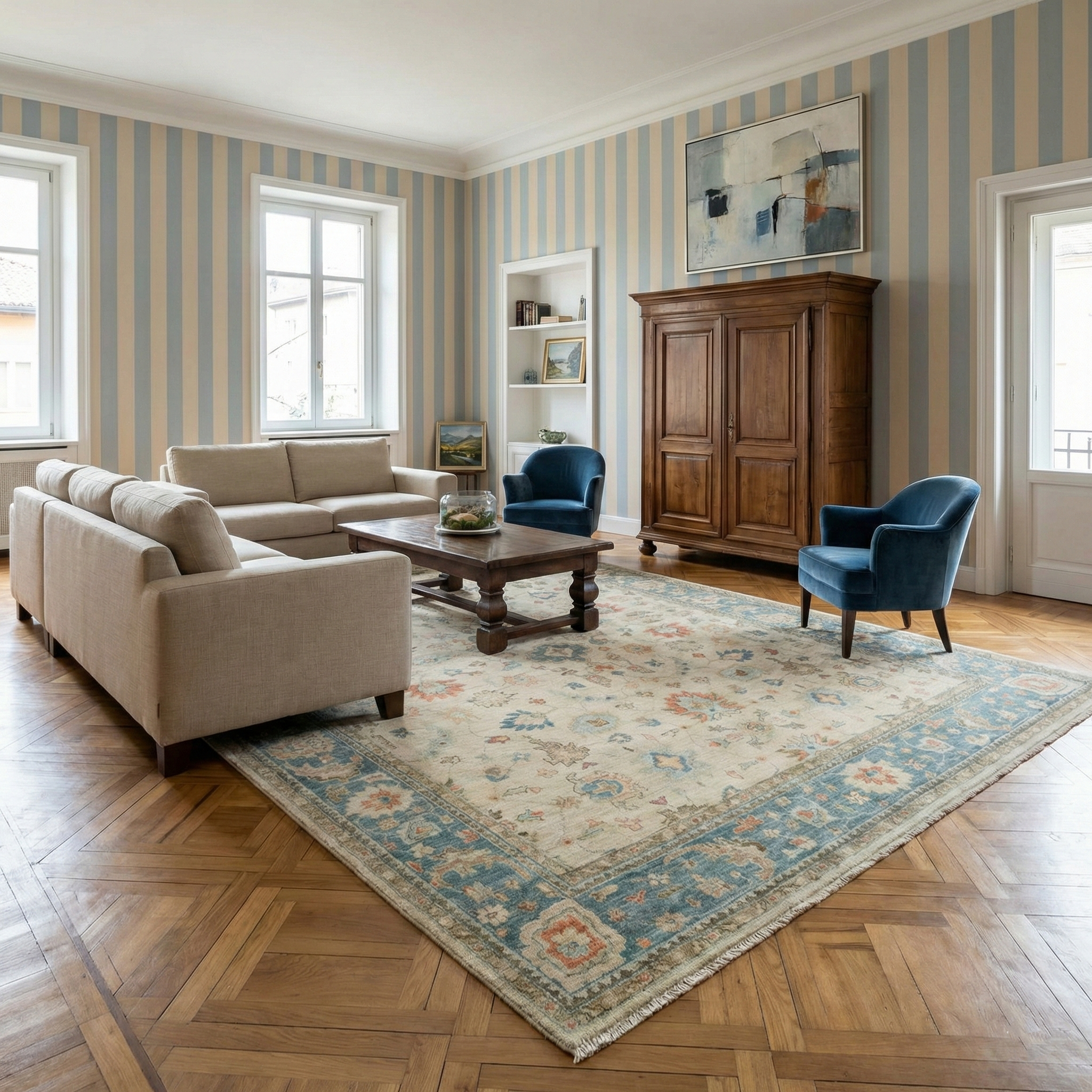
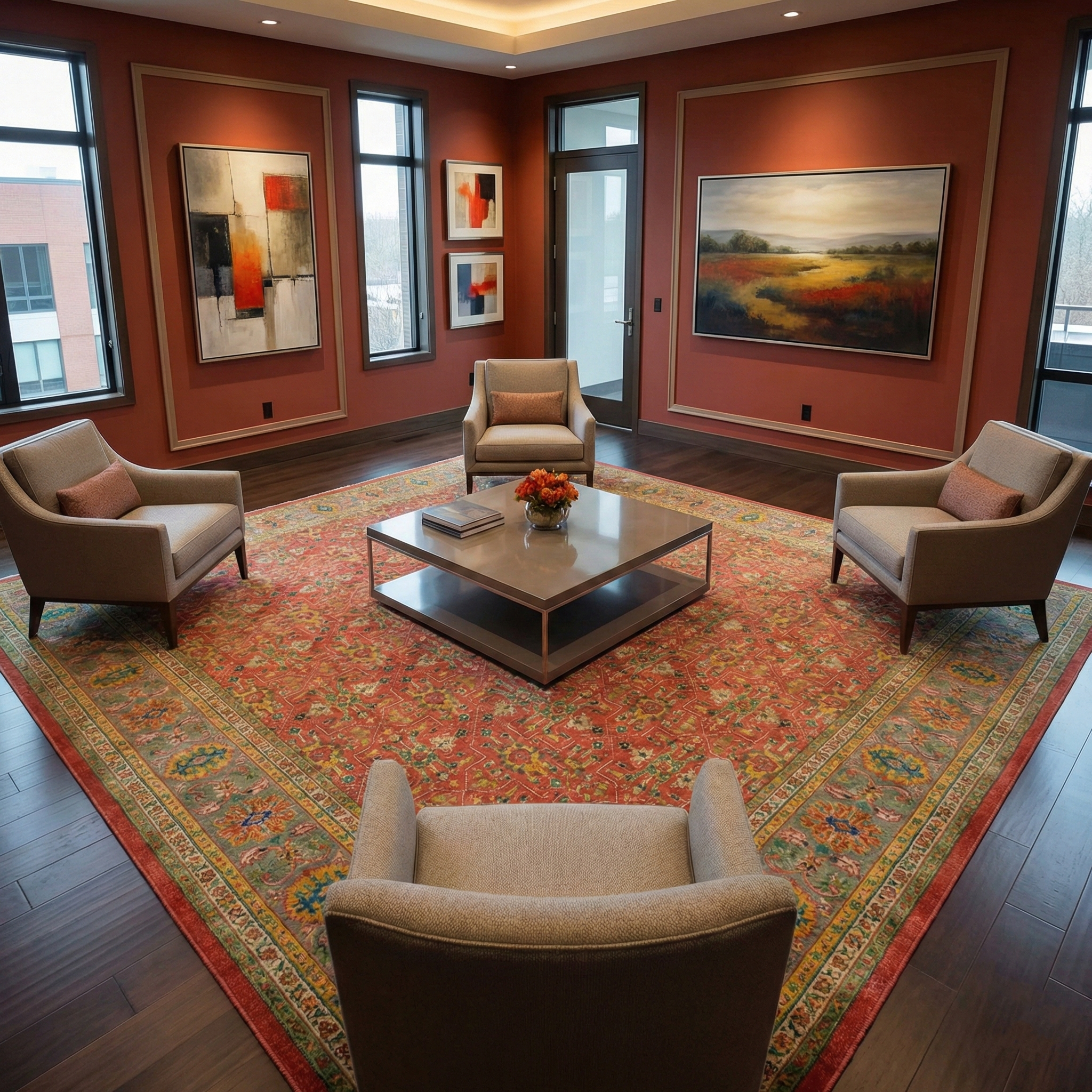
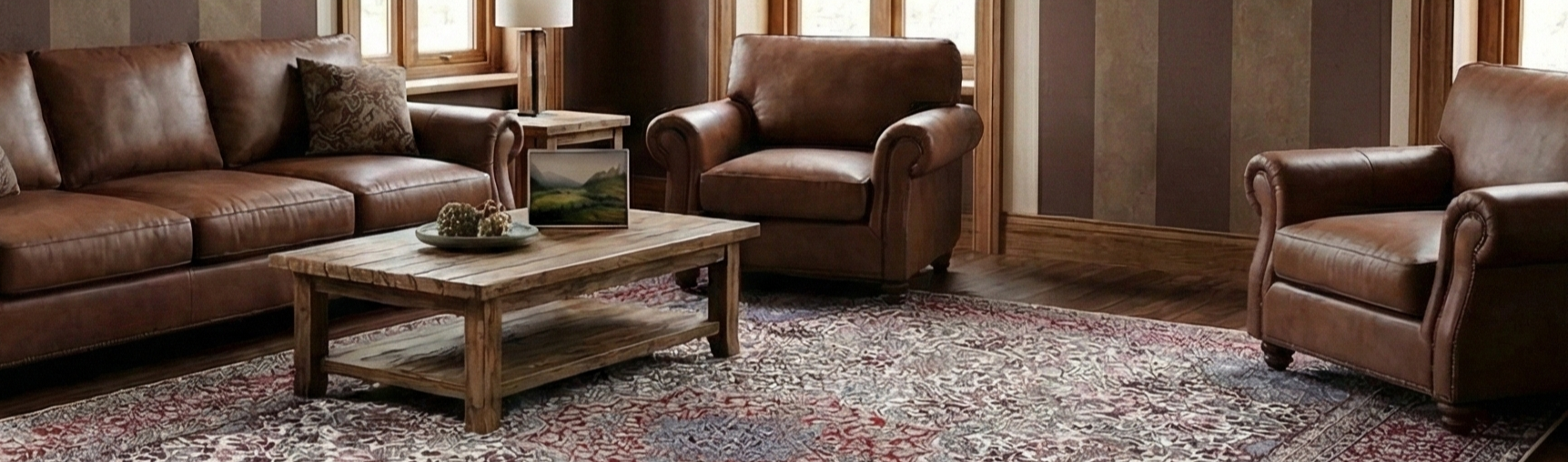
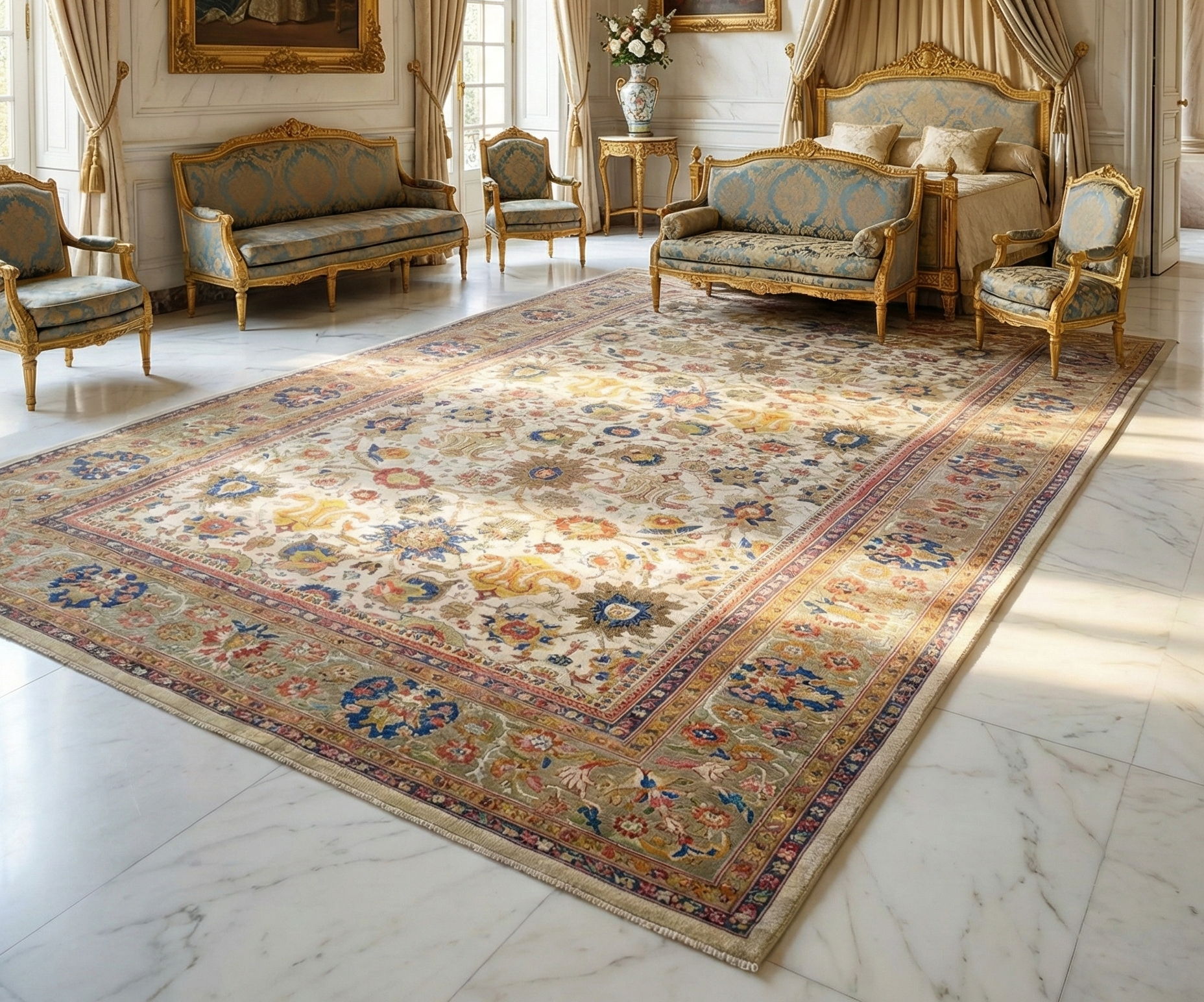
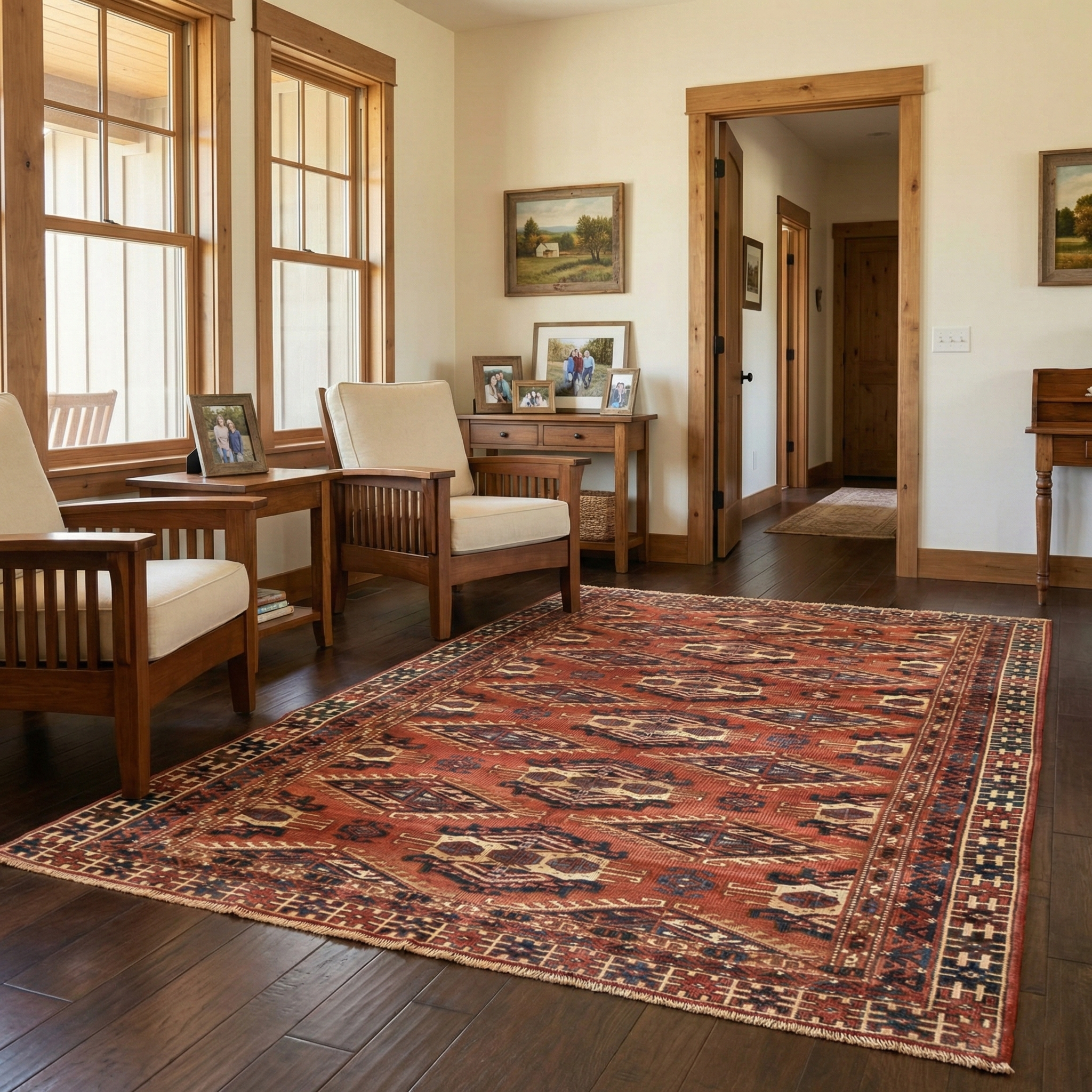
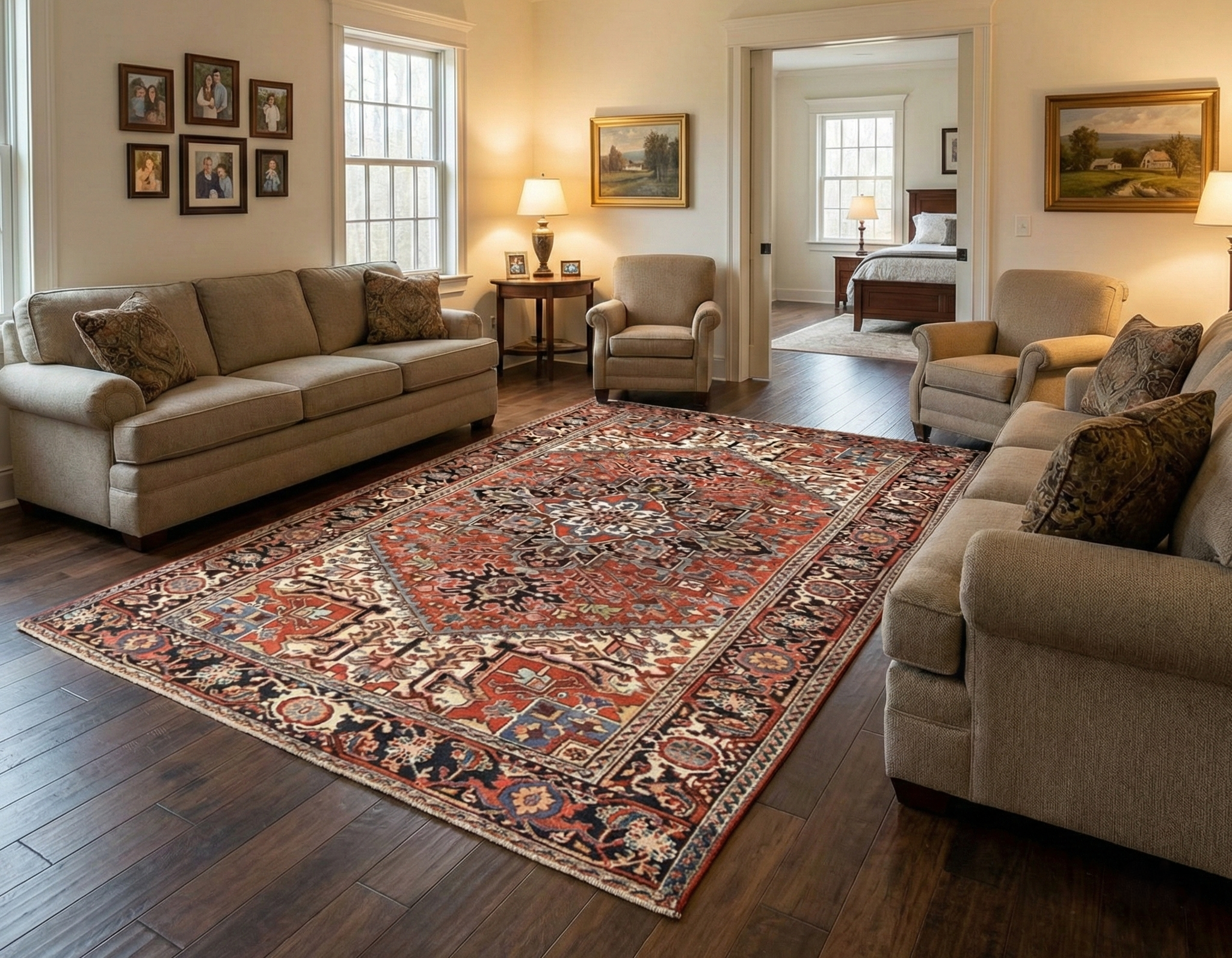
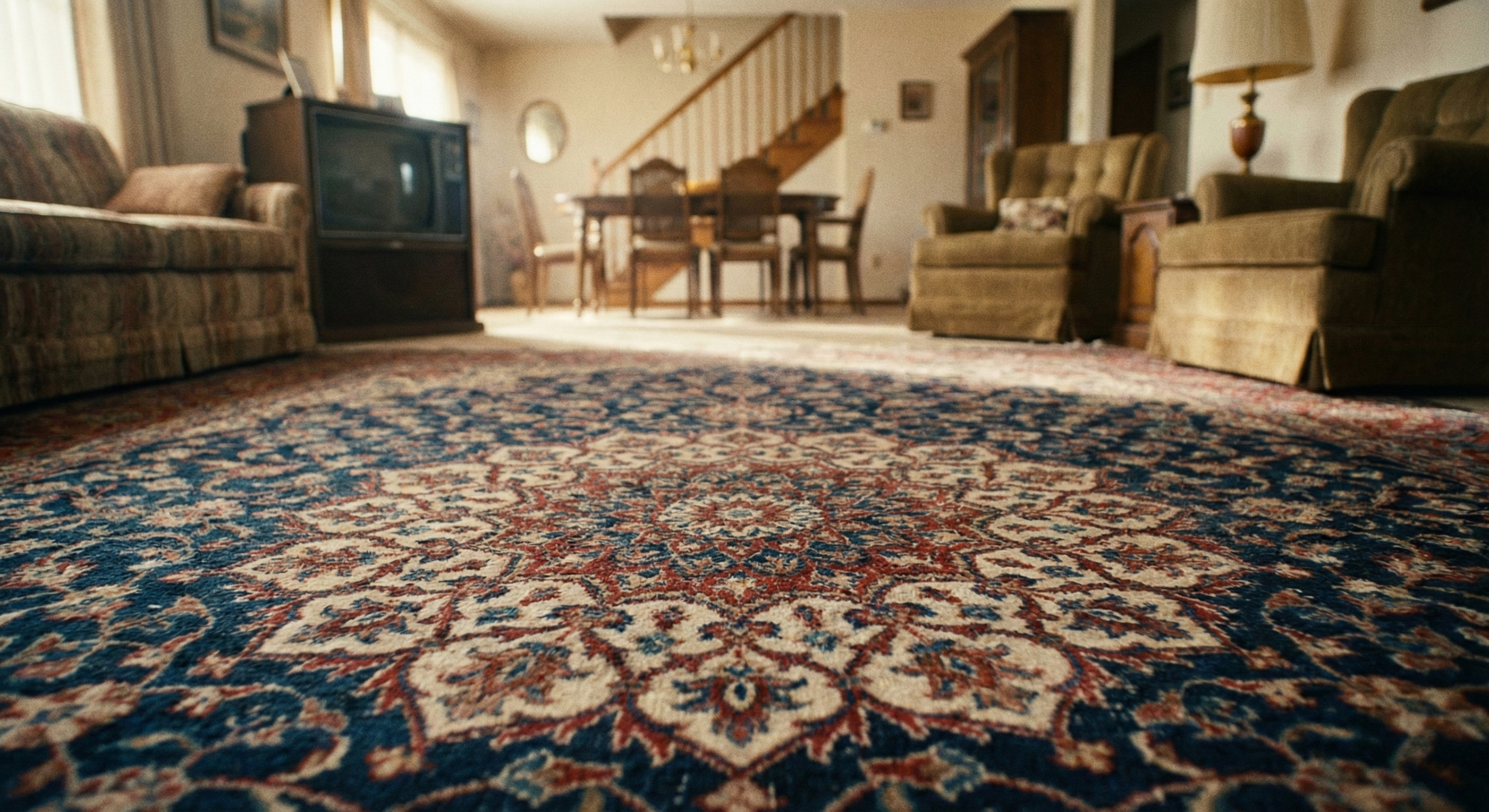
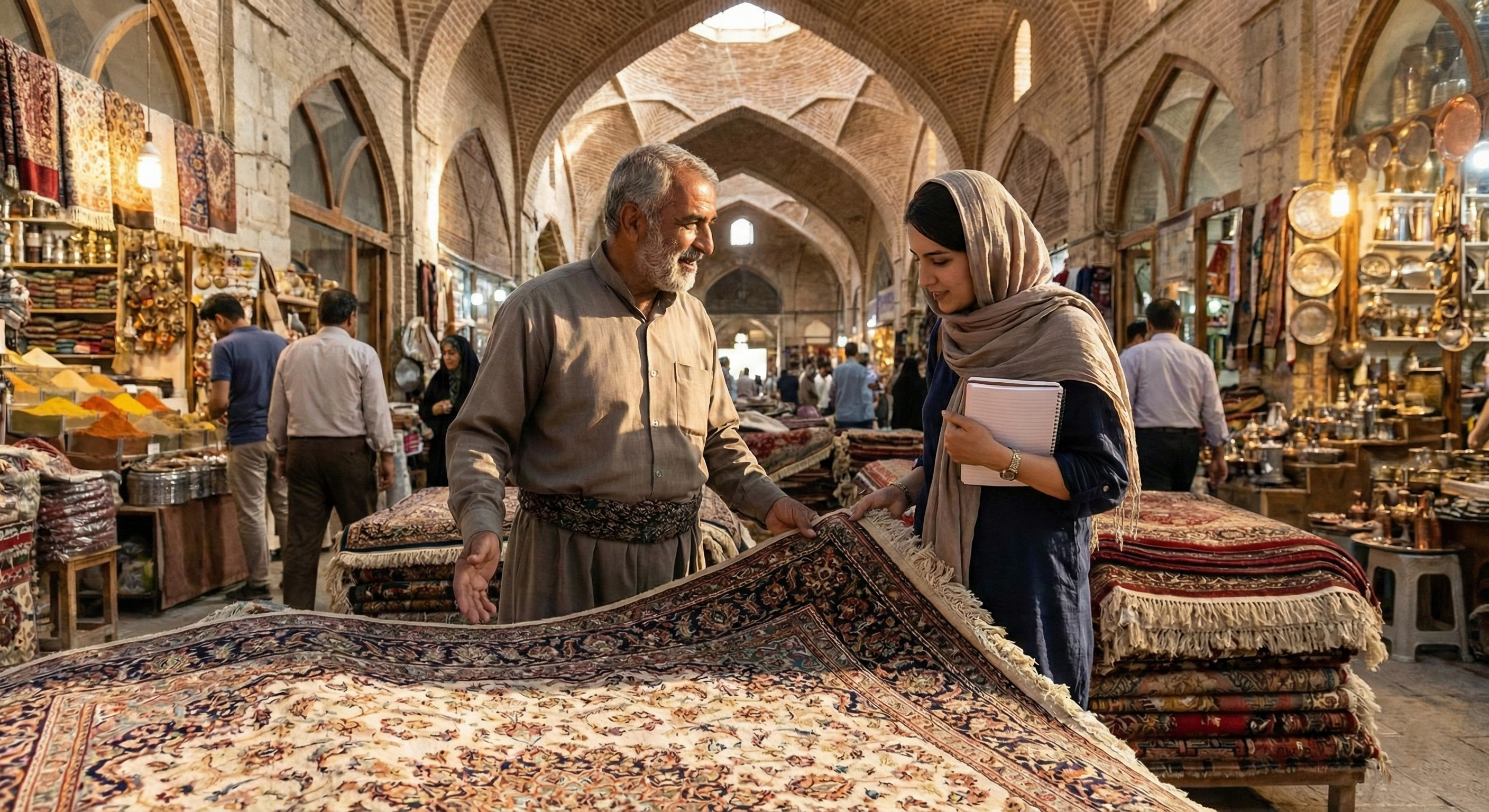
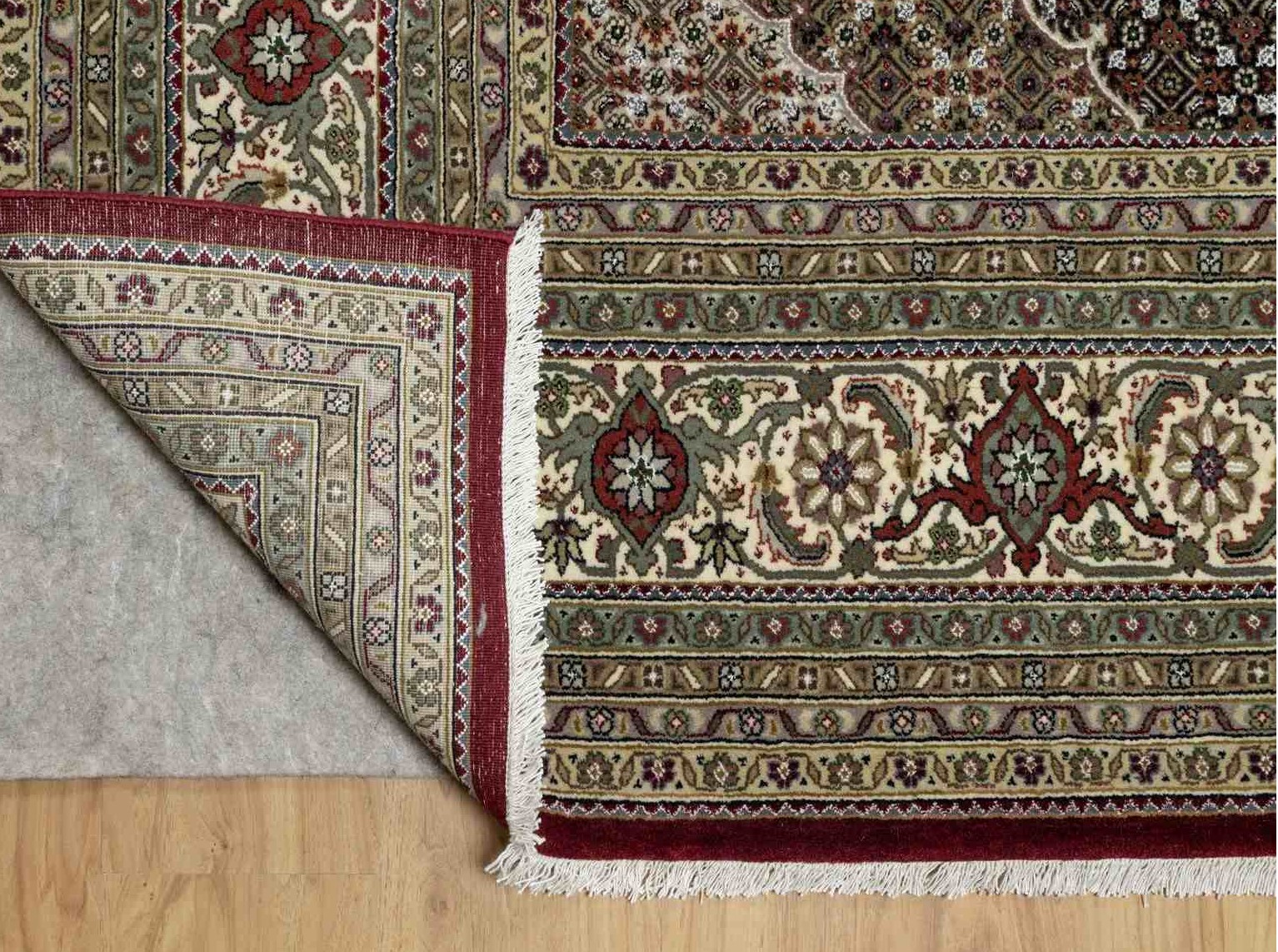
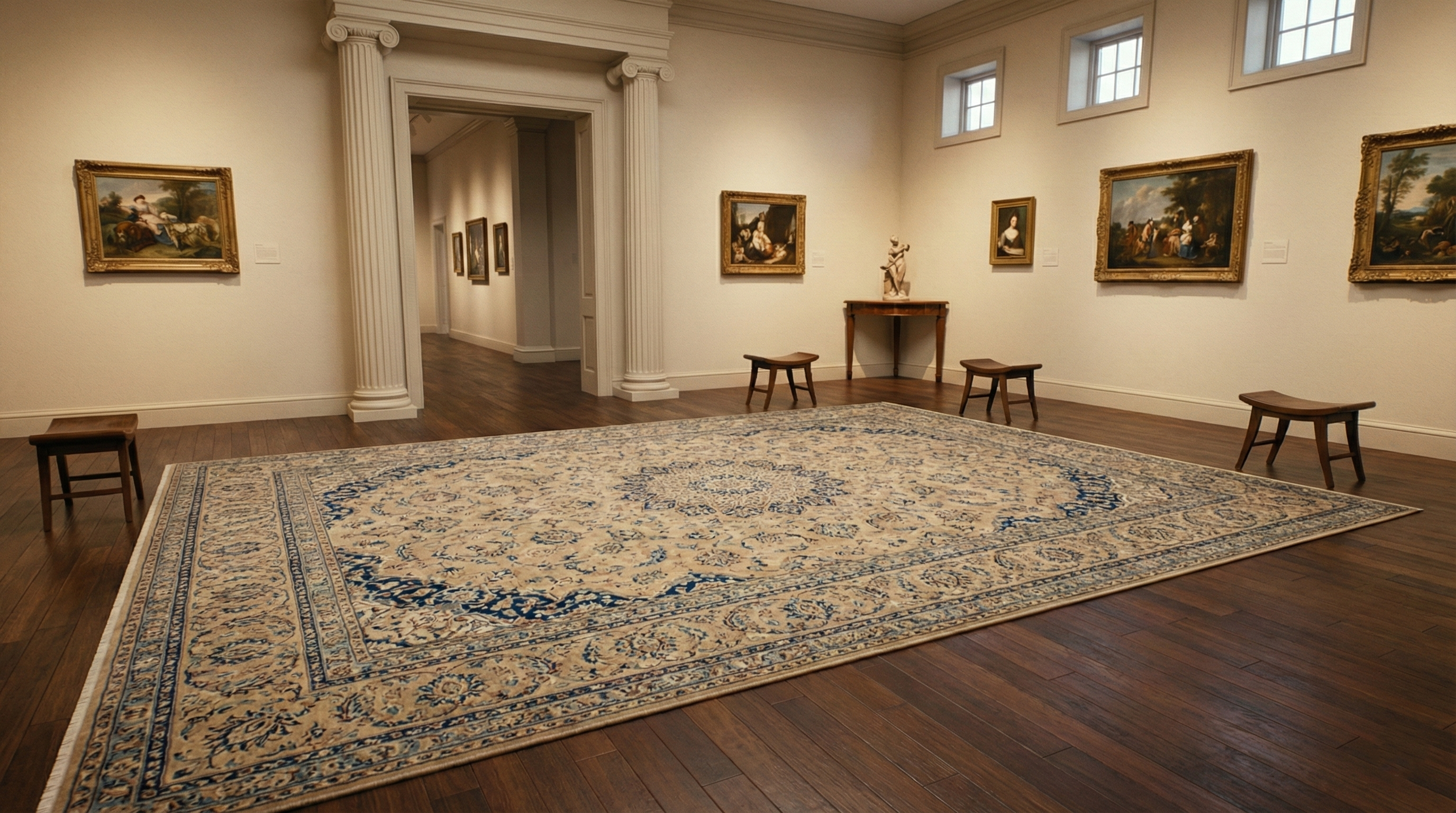
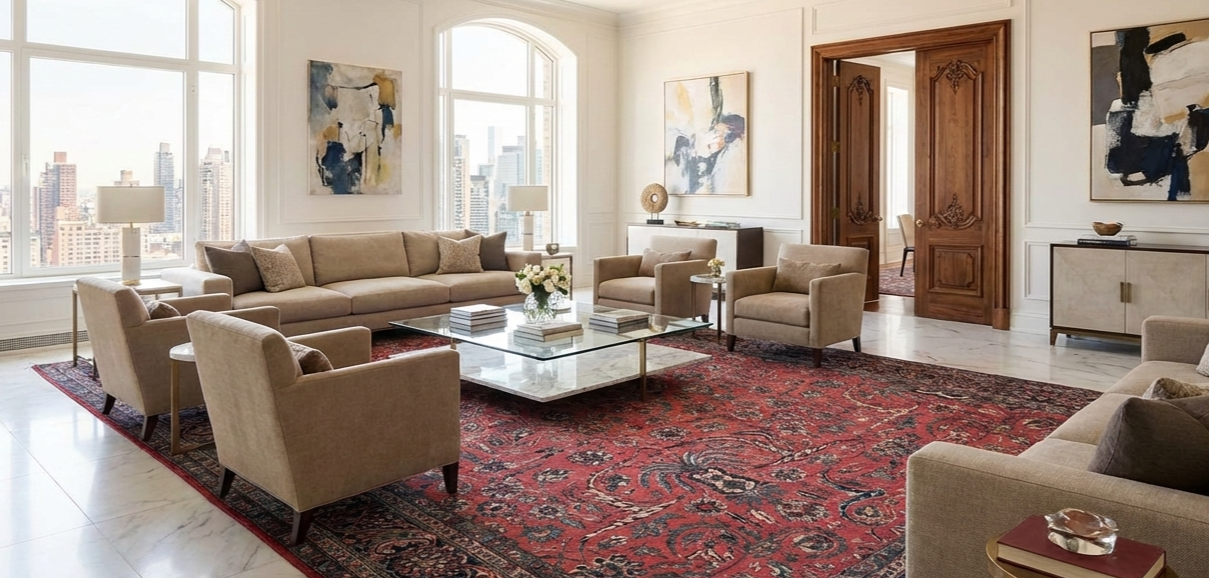
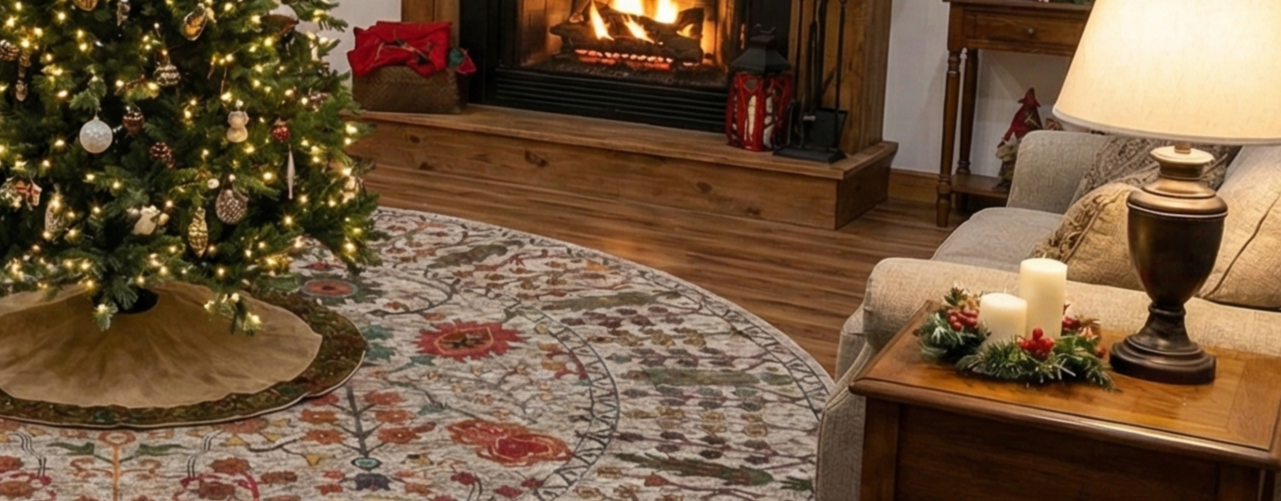
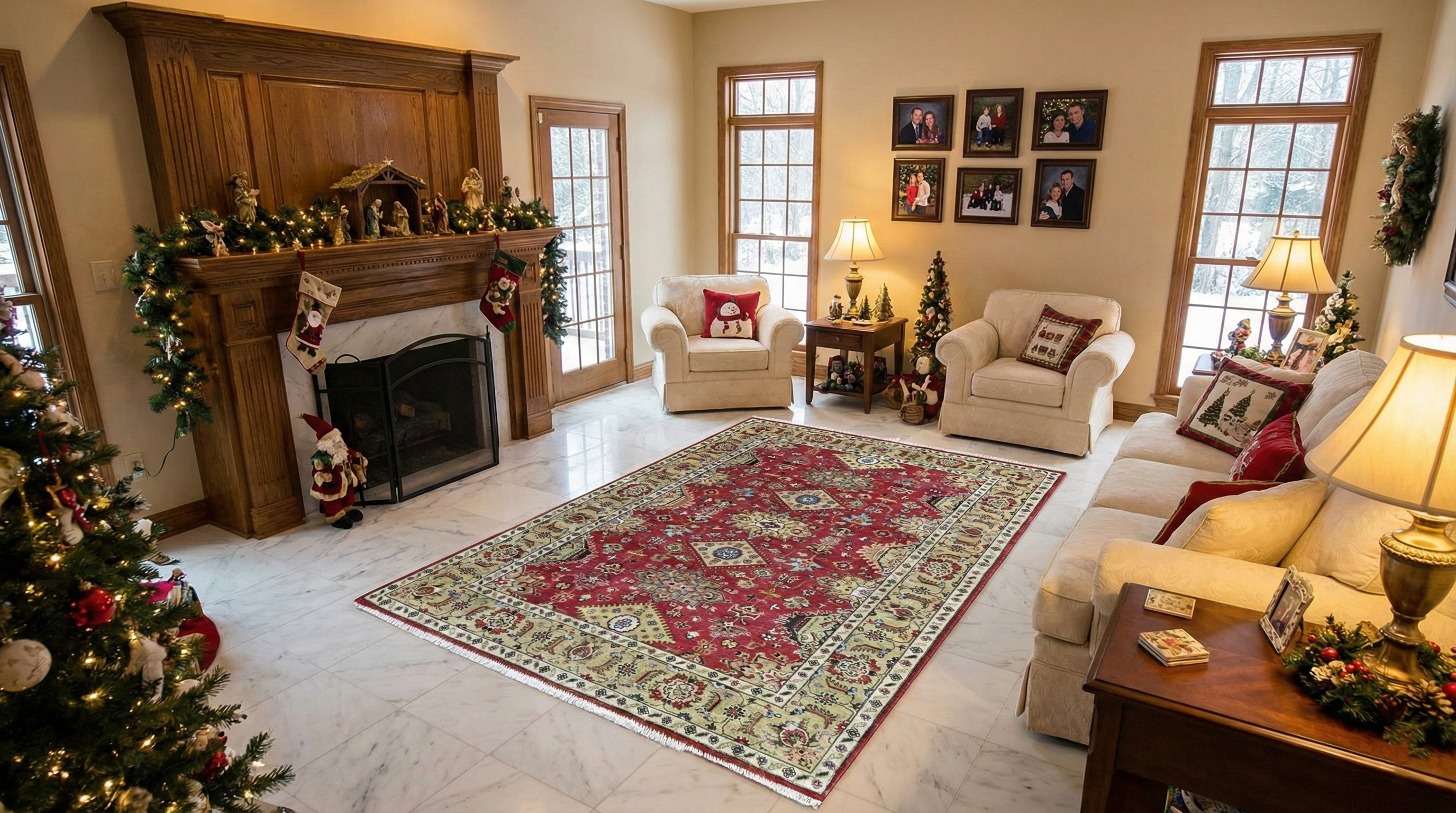
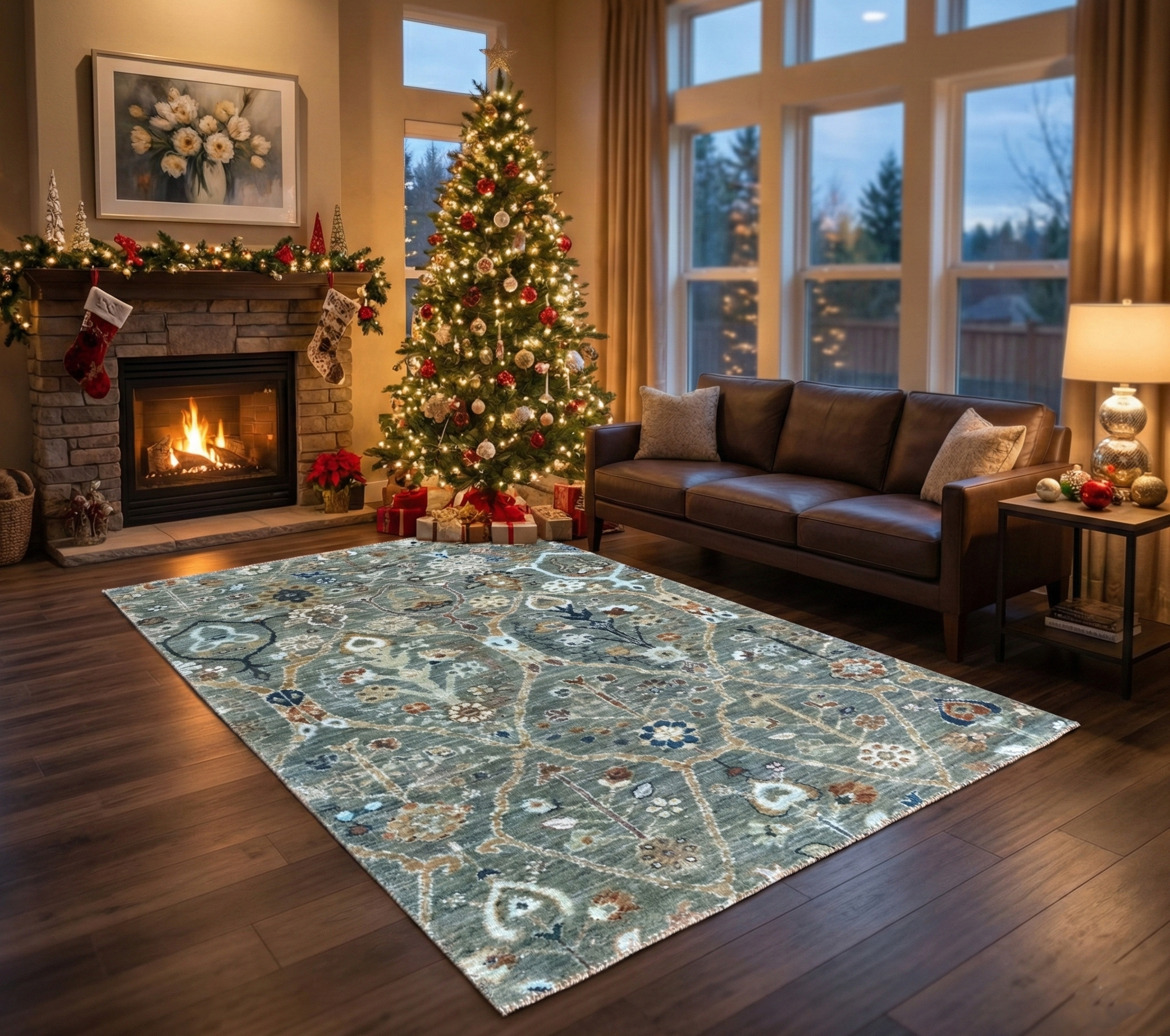
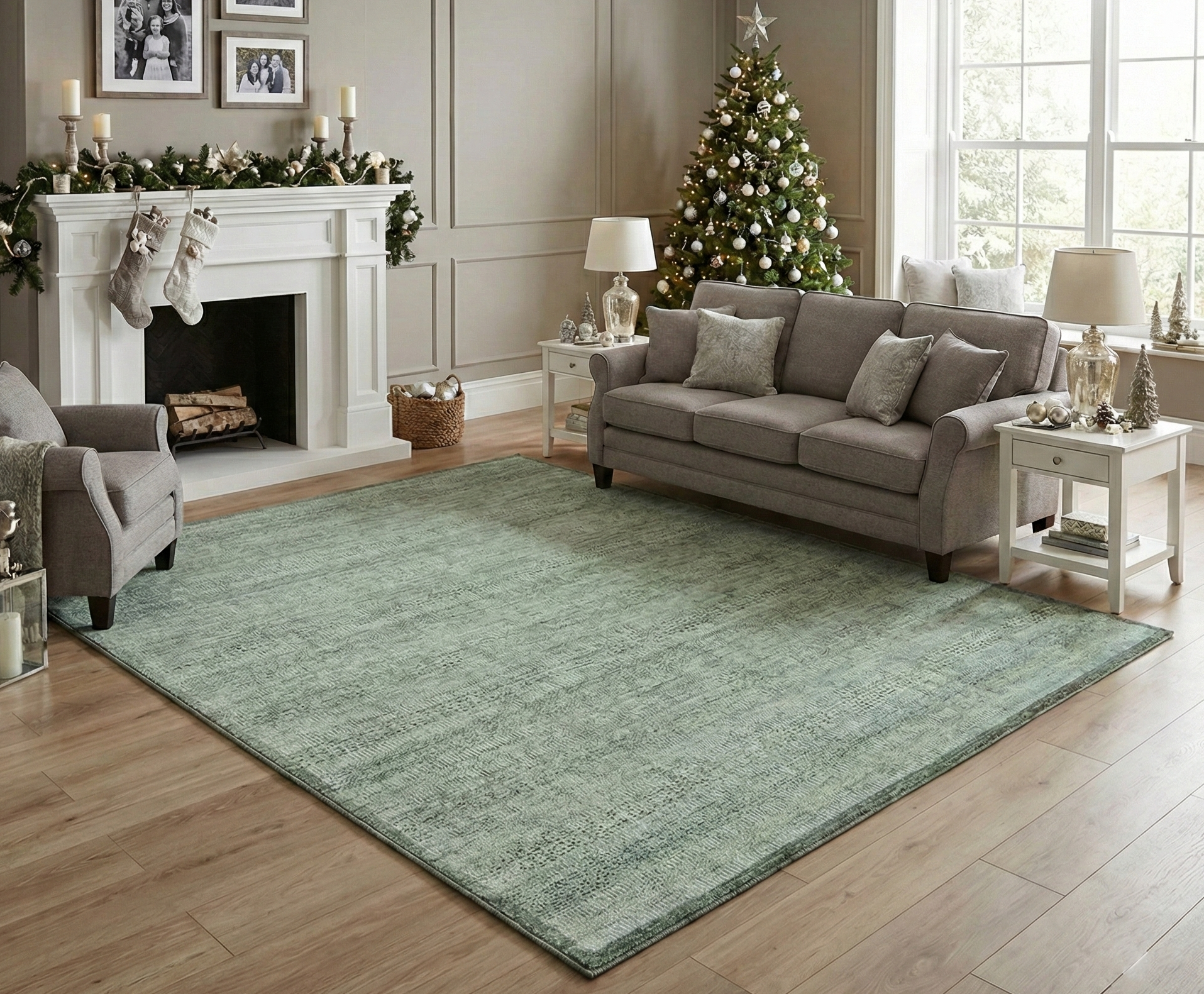
Overdyed Oushaks are traditional Turkish rugs with a blast of brilliant color that to some extent remind us of hand painted photographs. They could stand alone for their classic beauty, but the unexpected color adds a sort of magic that makes everyone want to look twice. They become a bold decorative statement that stand out in any room of your house, studio or office.
This hot trend in the rug manufacturing industry involves an added phase in the finishing process in which the rug is antique washed, sheared and immersed in a bath of a vibrant color. The results is amazing; a fiery tone overcasts a marvelous traditional rug and highlights the original dyes. It can be used for new or old rugs, so consider this alternative if you want to revamp that old piece you already own.
Oushak rugs use a family of designs named after the Turkish city of Uşak in Western Anatolia, a town well known as a major center of handmade rug production since the Ottoman Empire. Nowadays Oushaks have different origins like India and Pakistan, but they follow the ancient techniques developed and carried down from generations of Turkish weavers.
The designs are characterized by floral motifs and the luminosity of their colors given by the luxurious quality of the wool. It is important to mention that hand knotted Oushaks share the qualities of other hand knotted rugs. They are easy to clean, become more valuable over time and they outlast most other rugs. If you take good care of your fine hand knotted Oushak it can last up to 100 years. So be ready for a piece that will enliven your space for years to come!
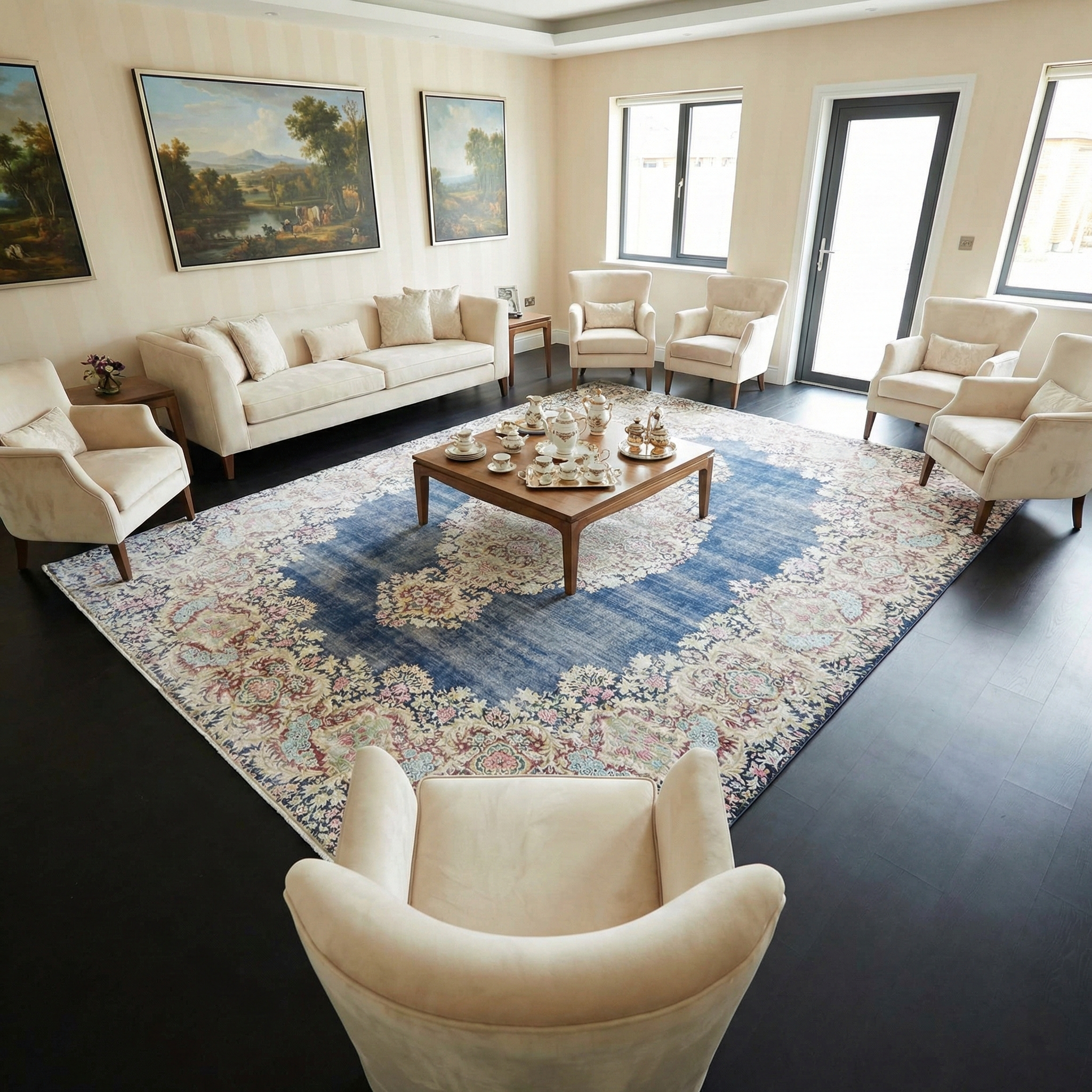
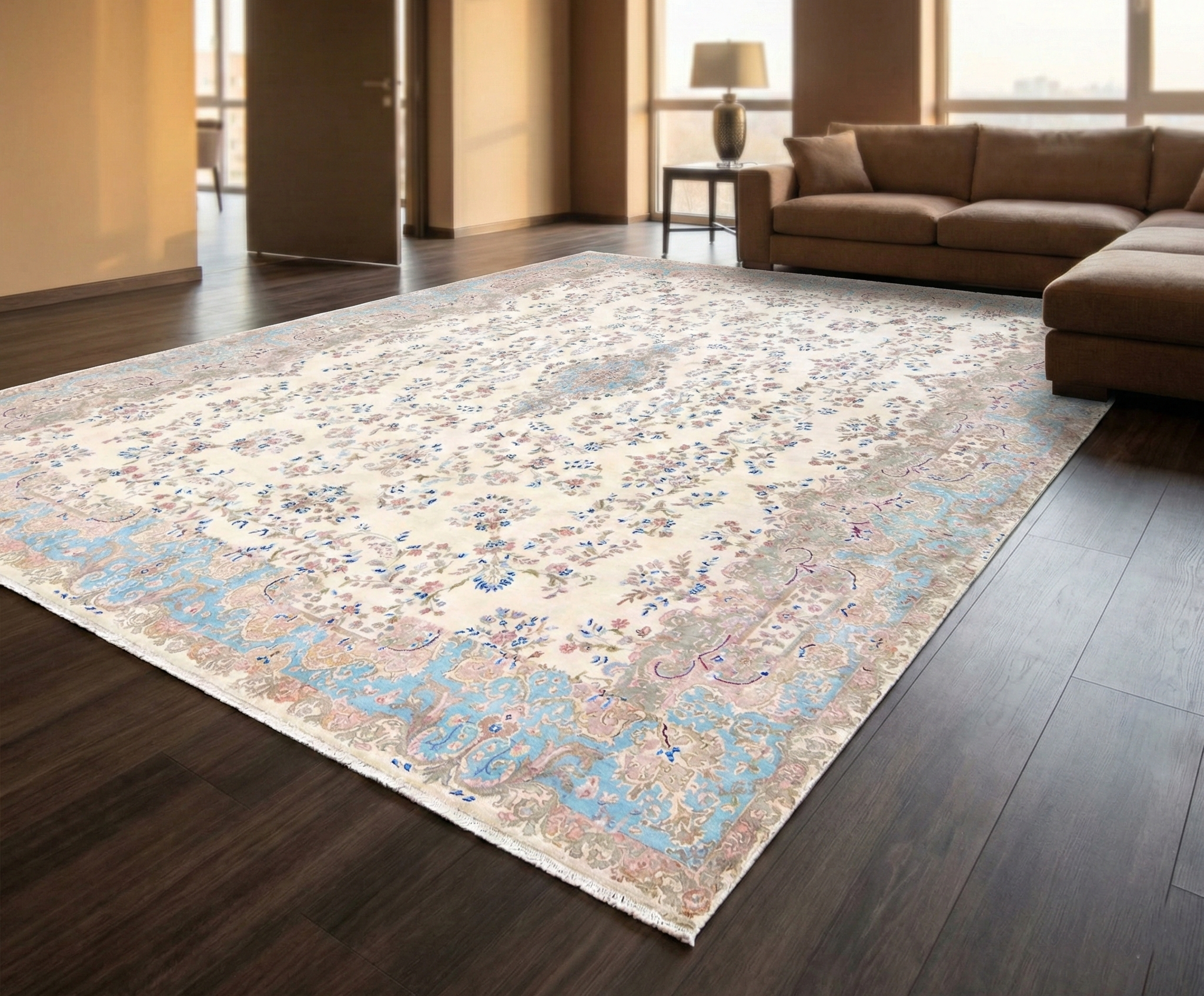
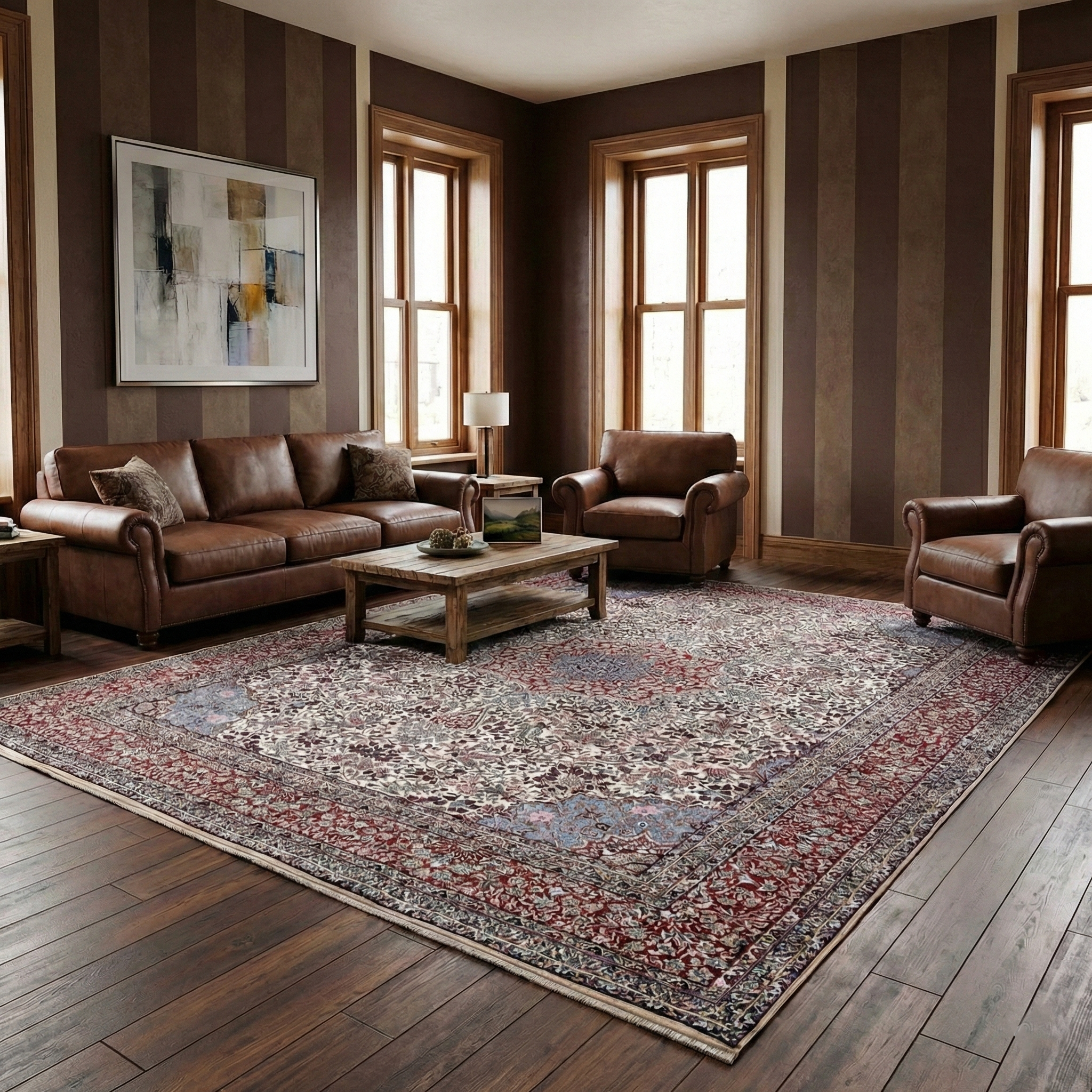
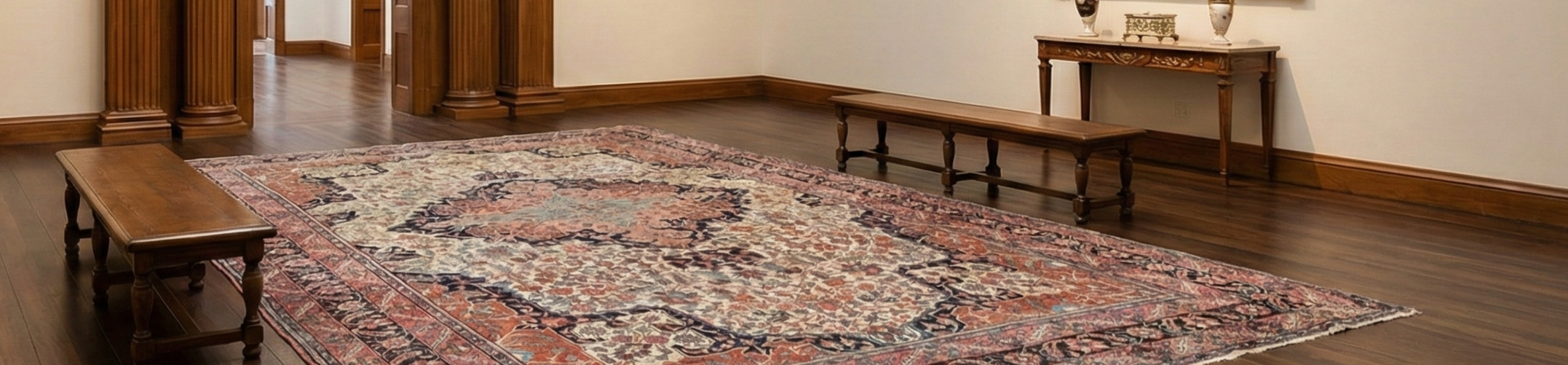
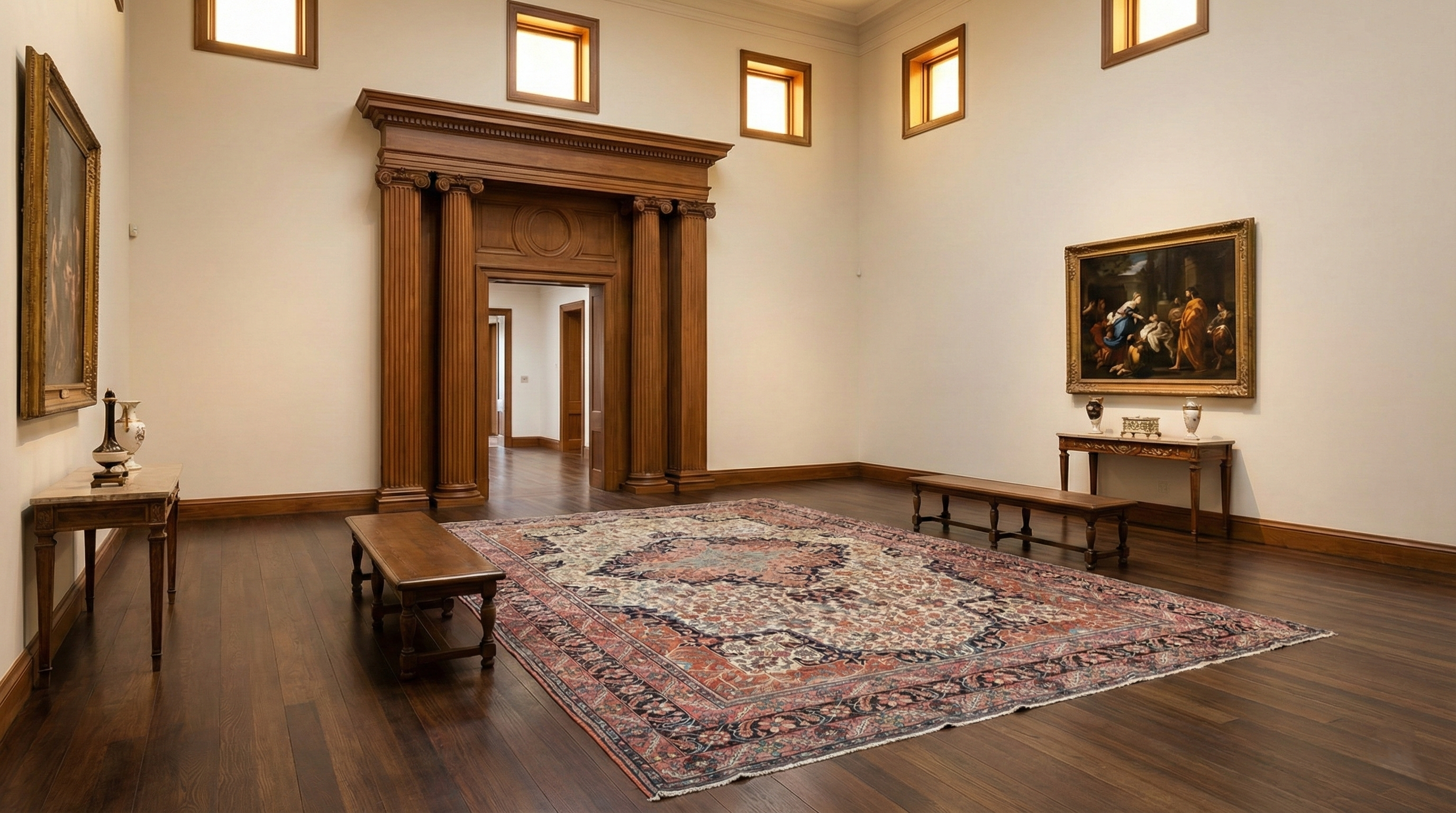
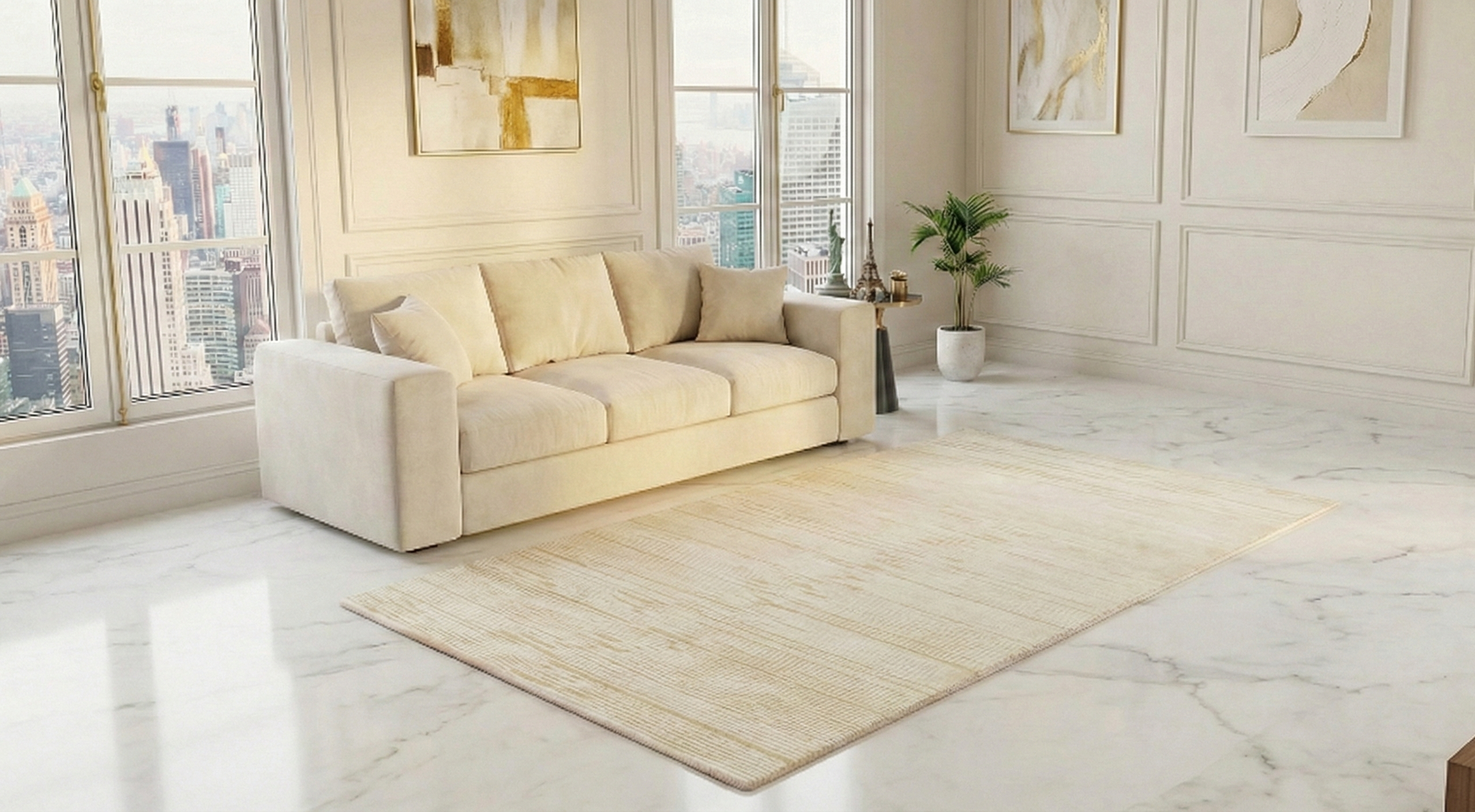
If you want to achieve a distinctive interior design with a mixture of glamorous and distressed aesthetic a White Washed Kerman rug may be a great option to please your eclectic taste. Unique pieces like this Hand-Knotted Persian Kerman fills the space with its distinctive personality. Interior designers claim there are no rules when mixing and matching antique decor. A White Wash Kerman becomes a key element to put together the best of two worlds; the vast history of Iranian Kerman rugs and the modern twist of a white wash that adds a special contemporary feeling.
Kerman or Kirman is one of the traditional classifications of Persian rugs. It refers both to a city, and a region, but it describes a type of rug regardless of where it was made. This type of rug is well known among rug connoisseurs and collectors for its fine wool, wide range of designs, broad color palette and natural dyes along with other characteristics.
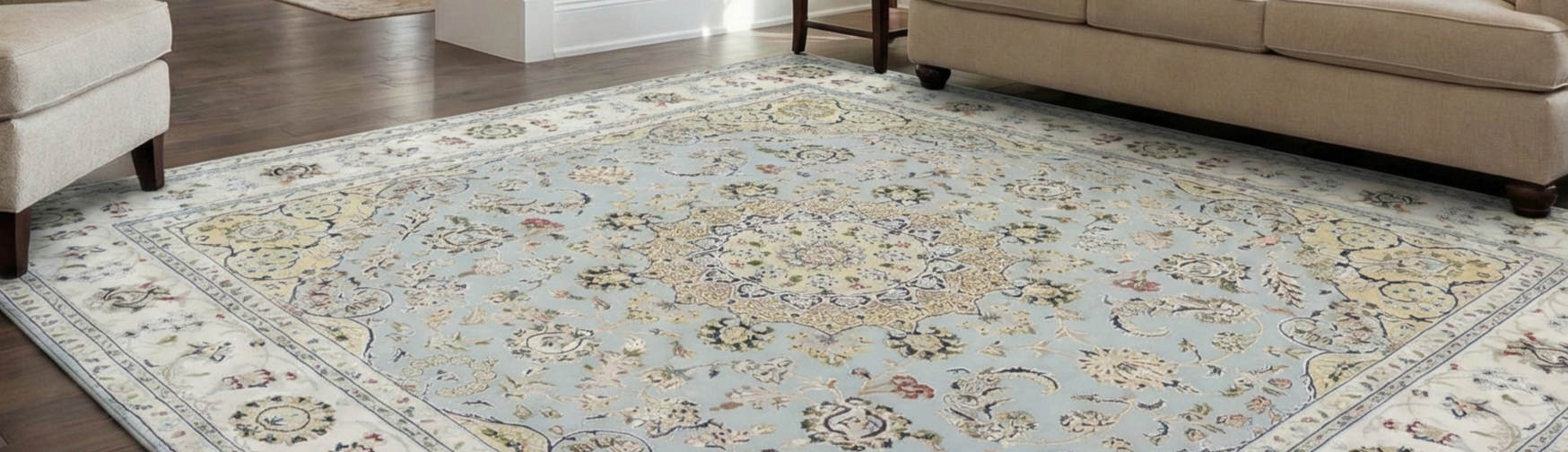
The designs have changed throughout time according to the market demand and historical ups and downs, different periods can be identified depending on the themes and colors used. The hand knotted Kerman on the picture shows a flower medallion center piece and an elaborated frame, normally used during the “regression era”. This piece has the charming white washed light colors palette that gives it the highly appreciated vintage look, plus the density quality of a high number of knots per square inch.
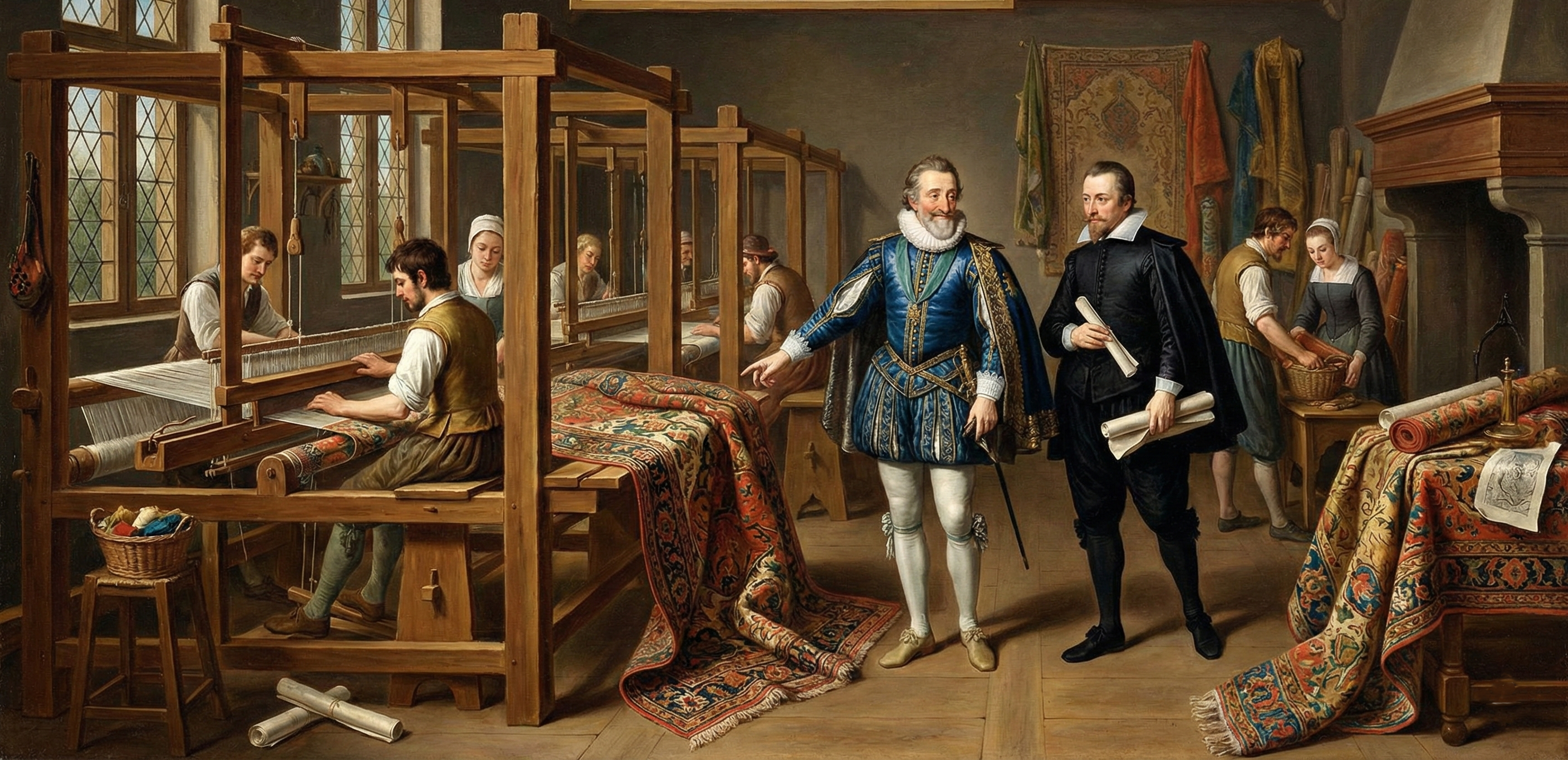
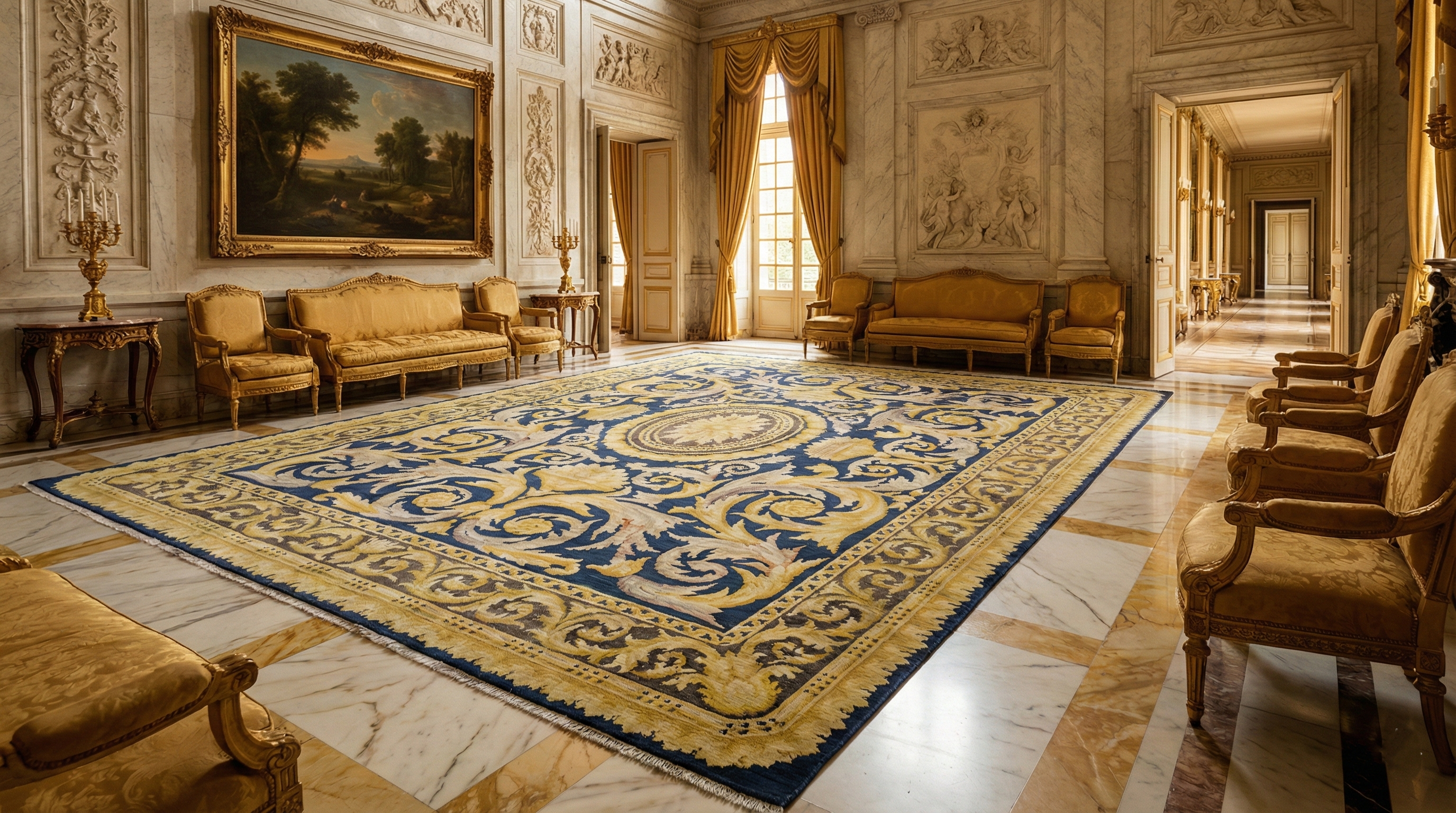
France was faced with a very modern problem in the early 17th century. A crippling trade deficit, partly due to luxury goods coming from Turkey and India, namely ortiental carpets. So King Henry IV (d.1610) and his finance minister Maximillian de Bethune decided to establish workshops for carpets ‘de Turquie et facon de levant’, meaning symmetrically piled rugs, to be woven in France.
Beginning in 1608 directly beneath the Grand Gallery in the Louvre, carpets were woven mainly for the Royal household, and as precious gifts, under the supervision of Monsieur Piere Dupont. In 1615, Henry’s widow, Marie de Medici, established another workshop at Chaillot, just outside Paris, in a former soap (French: savon) factory that at the time housed orphans and provided cheap labour for weaving rugs. This weaving workshop was run by another family of weavers, the Lourdets, resulting in a sometimes bitter rivalry between the two weaving concerns.
Marie’s son Louis XIII (r.1610-1643) gave his name to the style of first period Savonnerie carpets. It is characterised by an exuberance of flowers in baskets, in vases, flowing out of cornucopia, and in bouquets. They are all very naturalistic in their drawing, and are related to contemporary Dutch embroidered and tapestry woven table covers and other smaller domestic textiles, which were much in demand throughout Europe.
By the 1660s. the Savonnerie production had developed a very specific weaving structure that sets it apart from other/later French and European carpets with the symmetrical knot. Two wefts shoots, one sinuous one taut, keep two warps, of which is one fully depressed, apart. The back of a real Savonnerie is therefore strongly ribbed, unlike a later Beauvais rug which shows a flat surface on the reverse. The other distinct feature is the coloured warps in the otherwise natural coloured foundation. Every tenth warp is dyed (brown, blue or green) to help the weaver to follow the cartoon more exactly. Hemp is used for the foundation (some later examples have wool wefts) and the pile is nearly always wool.
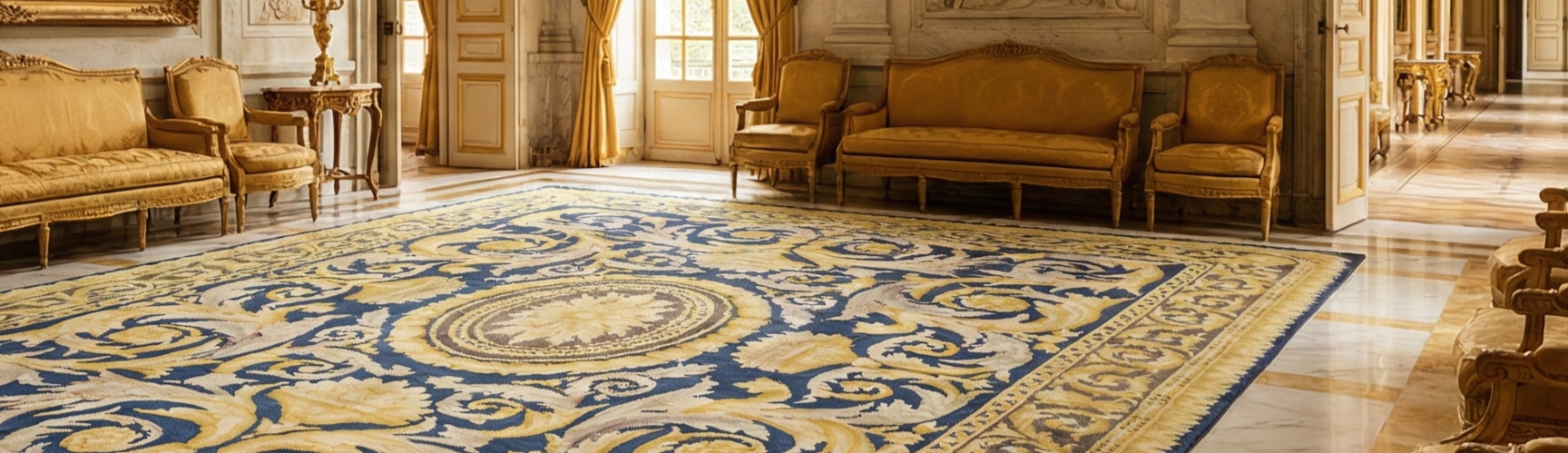
Under Louis XIV (r.1643-1715) the style shows a significant change towards the baroque. Louis XIV and his minister Colbert renovated the Louvre, and their modernisation included carpets for all state rooms, which was previously unheard of. What immediately springs to mind when seeing the carpets are baroque ceiling decorations: their general layout, the borders, scrolls, acanthus leaves and even the ‘pictures’ within the carpets. From the second half of the 16th century onwards all Savonnerie carpets were designed by painters, prominent among them Charles le Brun, first painter to the King.
Producing such a significant number of huge carpets proved difficult to achieve in a short period. To speed up production, several of the Louvre carpets were woven on short warps, meaning the rug was woven horizontally, at right angles to the design in the manner of French and Flemish tapestry weaving, which allowed more weavers to work simultaneously on one piece. Production began in 1665 and during the next twenty years almost one hundred carpets in sizes up to 9 metres long and 5 metres wide were woven. Not all were installed in the Louvre, however, as Louis XIV had abandoned the ‘old’ palace for the even newer Versailles.
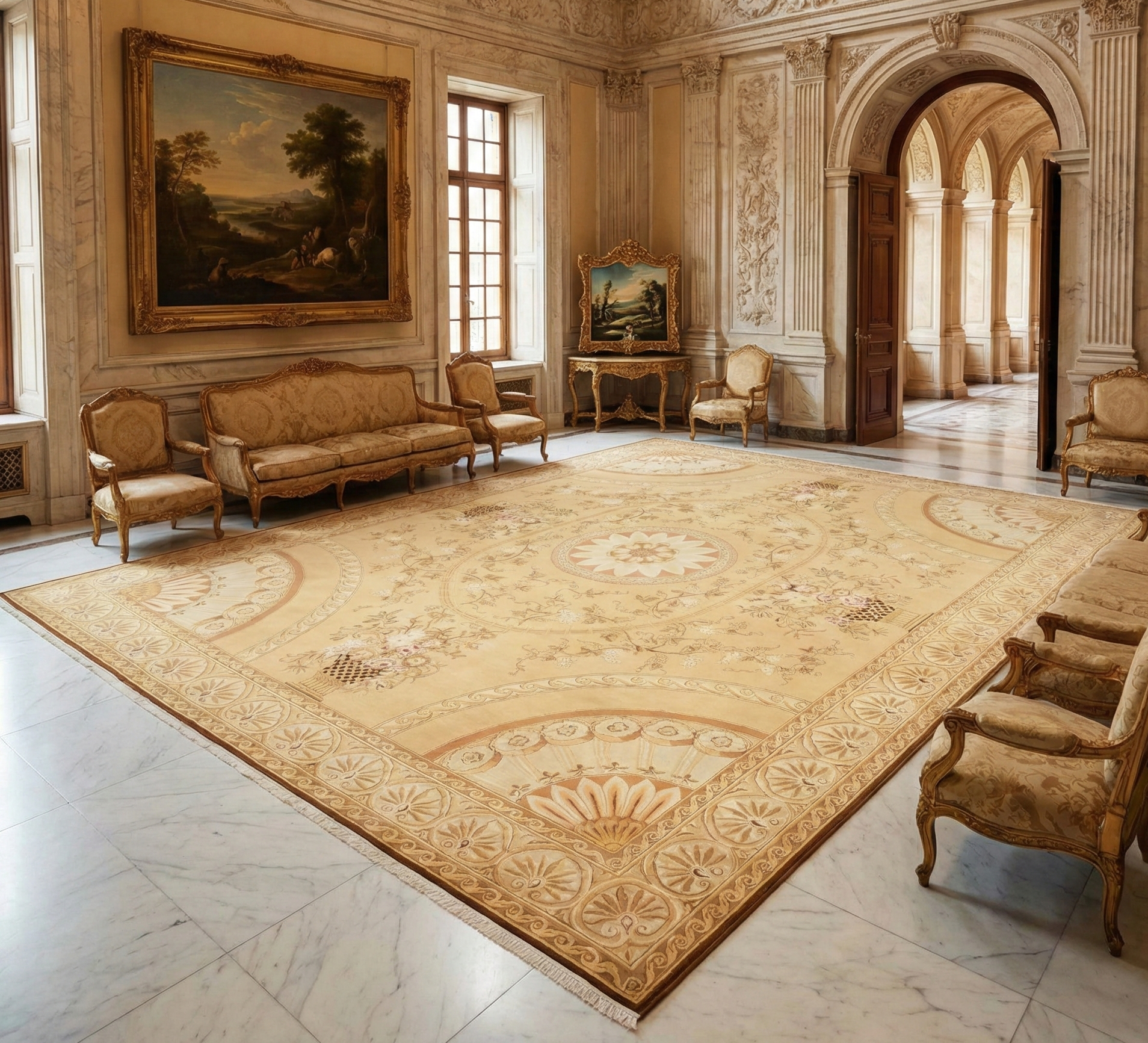
In the 18th century under Louis XV, carpet designs took a more playful turn, less stately, more domestic, late baroque in transition to towards early rococo. They are still relatable to stucco ceilings of the same period. The most prominent designer of the time was Pierre-Joseph Perrot. Neoclassical designs start to appear in the second half of the 18th century with carpets designed by Francois-Joseph Belanger, whose work was continued by Michel -Bruno Bellengé, Louis XVI’s principal designer and ‘Peintre du Roi’. First in the Louvre but later directly in the Savonnerie workshop he designed, among many others, a carpet for Marie Antoinette’s palace in Fontainebleau. His carpets were copied in Beauvais.
The French Revolution bought a brief interruption at the Savonnerie workshops, but under Napoleon Neoclassical designs turned into a fully developed imperial, ‘Empire’, style. The most important designer was Jacques-Louis de La Hamayde de Saint-Ange-Desmaisons, known as Saint-Ange. He continued to design carpets, as well as porcelain and tapestries, well into the Bourbon restoration. Pile carpet production was moved to the Gobelins manufacturory in 1826, and the use of coloured warp pairs was discontinued.
Other European carpets are often erroneously called Savonnerie, but only those ones with the structural characteristics mentioned above can be called real Savonneries.
Trying to explain or understand what makes certain antique carpets more valuable than others is an elaborate and difficult task. One must try to strike a balance between quantifiable measures such as market precedent, market trends, condition and rarity and less objective values such as personal taste, provenance and aesthetic and chromatic quality.
In the field of antique Persian carpets, before we make any judgement about rarity and aesthetic quality, it is important to have a brief understanding of how material quality can inform and affect judgements on value. This in turn means that we must have some idea about how carpets have been made in Iran historically as material quality is relative to the area in which it was made.
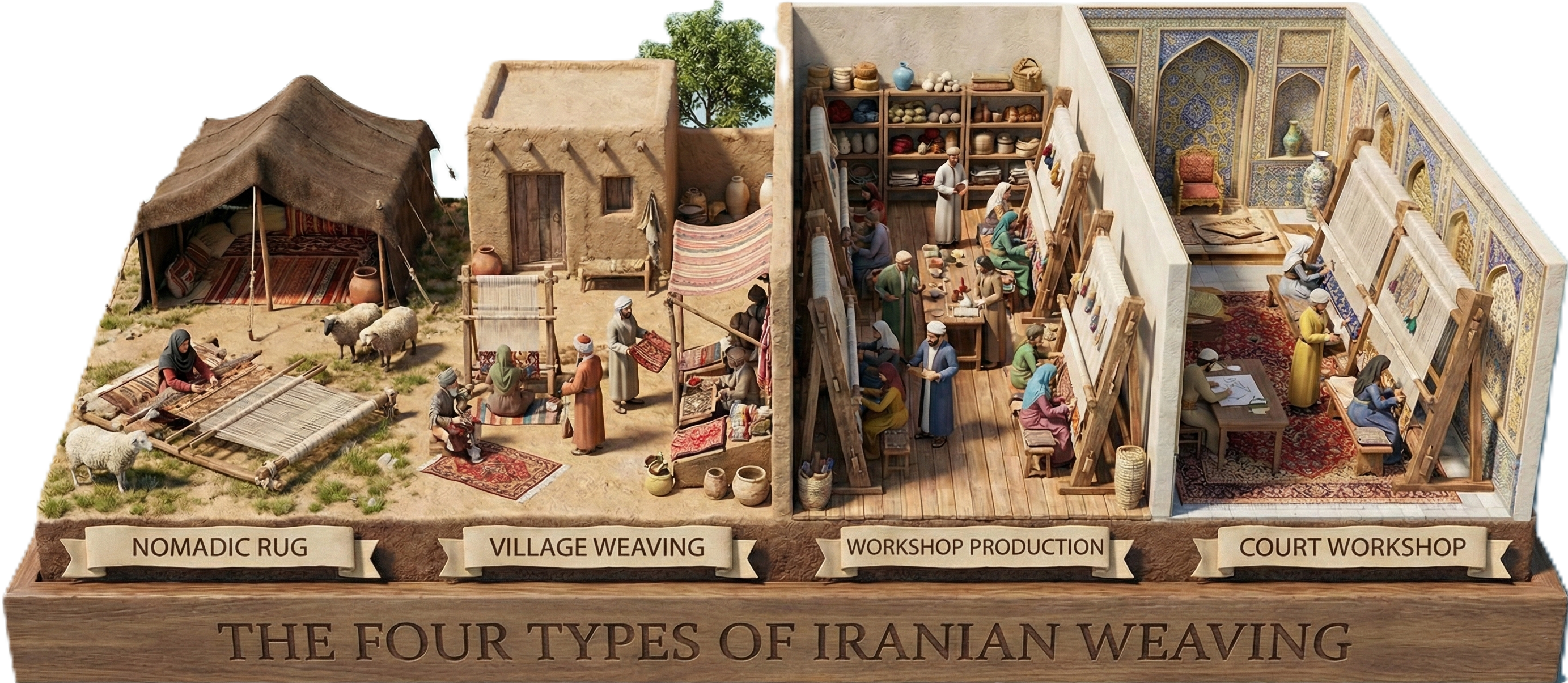
There are four types of weavings made in Iran: the first is a nomadic rug made by tribal people for their own consumption or use; the second is a village weaving made for local use but also sold at the bazar as a source of additional income; the third is organised workshop production where designs and materials are given to a weaver to create under supervision; and the last is the court atelier or workshop with exclusive access to the best dyes, materials, designers and weavers.
The first two create rugs that reflect the women weavers own color and design preferences, and may well be individual in character and express the unfiltered artistic vision of the weaver. The third type of rug has a more formal aesthetic and reflects precise and well-articulated design and color preferences. While the workshop represents skilled craftspeople making items for sale, there are obviously different levels within this category ranging from loosely woven rugs made in villages out of wool through to important workshops with named designers using silk, the finest and most expensive wool as well as very high knot densities. It is important to note that while fineness of weave can affect the value of a rug, that is not to say that all fine rugs are necessarily valuable.
The final category of court workshop represents an exclusive class of weavings that are extremely rare and sought after since they only came into existence during the reign of the Safavid dynasty in Iran (1501-1736). Workshops were set up within the court weaving exclusively for the Shah, setting standards for colour and quality and using designs created by the greatest artists of the day. In the late 17th century, the court dissolved these in-house ateliers and began to buy from a selection of private workshops, which were commissioned rather than directly employed by the Shah. While court carpets from the 16th and 17th century are bought by museum and collectors, the practice of court and royal patronage, both nationally and regionally, remained a significant factor in terms of quality and innovation in the Persian carpet industry until the 20th century.
While the quality of wool, weave, natural or chemical dyes are all important indicators of value within each of these levels of production, it is difficult to draw direct comparisons across the categories. How can you meaningfully compare the material quality of a long-pile tribal rug made to protect against cold with very minimal design and colours with a silk rug made in a city workshop for use at a wedding ceremony with a design of a tree of life? Critical judgement and any realistic assessment of value for antique Persian carpets is therefore relative to the type of rug, and recognising how it was made before values associated with material quality can be allied.
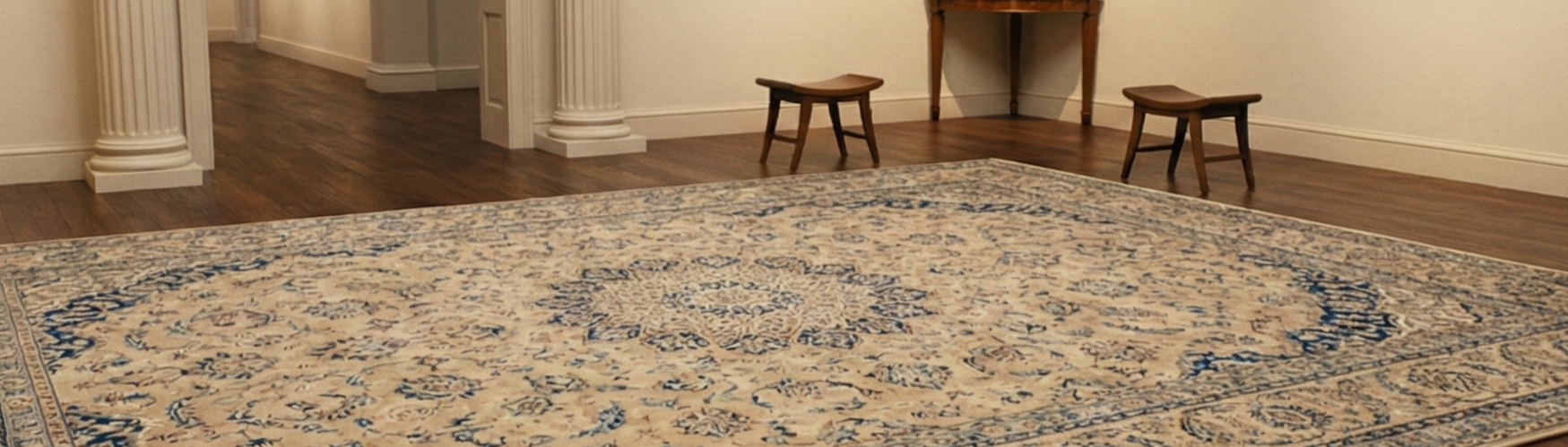
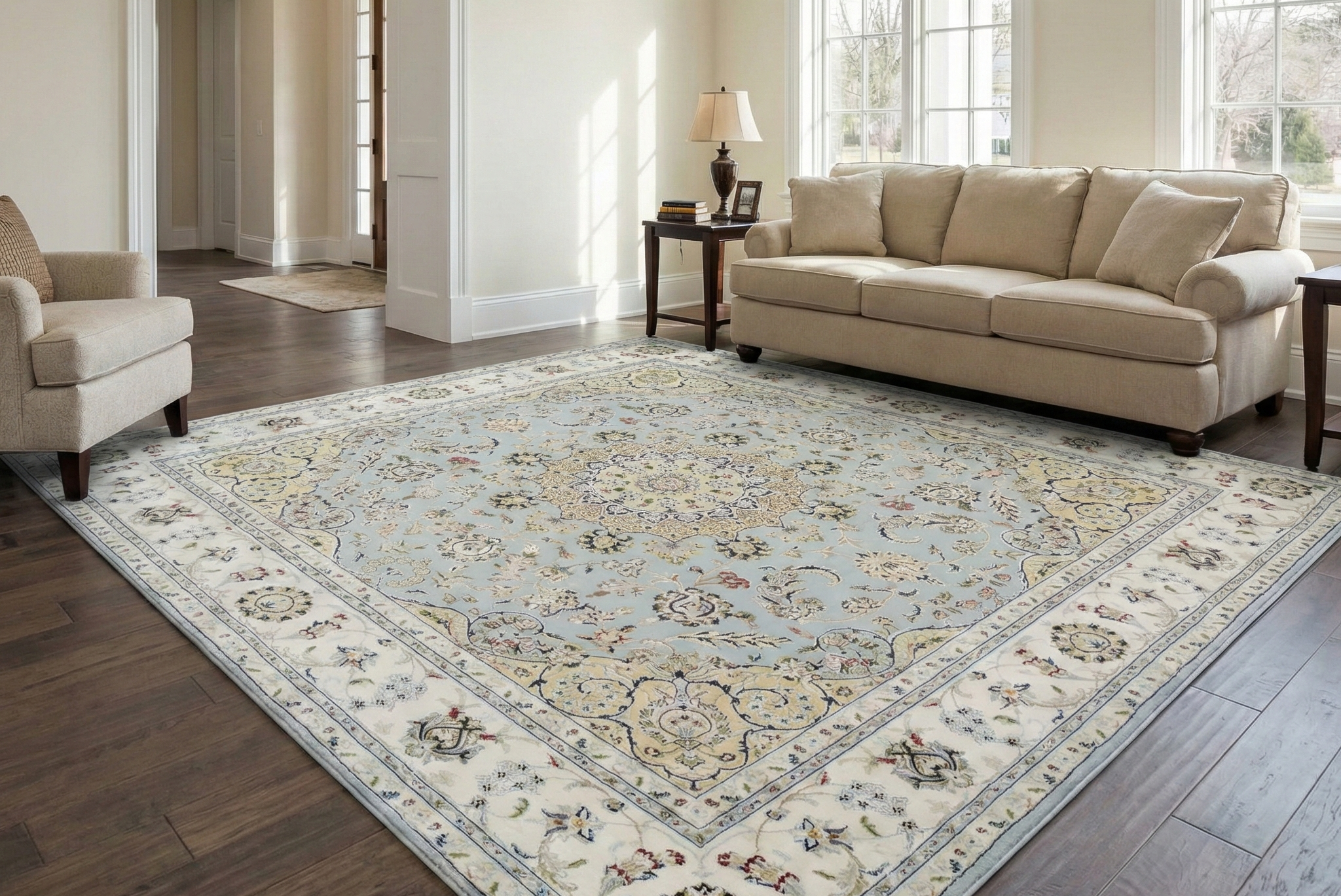
An Esfahan Rug is not just something that covers your floor, it is in fact a work of art.
My quest for these marvelous pieces began when I got the keys to my first apartment as buying the perfect rug for my floor was amongst the most important things that I needed to decorate my home. Now, the reason for my ardent inclination towards Esfahan Rugs can be traced back to my childhood, when I would visit my grandparents: their house always full of friends, family and relatives and the floor always adorned with beautiful Persian rugs. Thinking about an authentic oriental, Persian rug conjures memories of our extended family gathered together, having those cozy meals, sometimes on the floor with a soft, warm rug providing unmatched comfort. This is the kind of atmosphere that I wanted for my new apartment, a home that welcomes all and flooring that becomes the point of conversation.
It is amazing how I distinctly remember the bold circular central medallion set against a background of floral motifs and an intricately tinkling vine palmette of my grandfather’s rug. This quintessential central medallion is inspired from the famous mosque of Shah Lutf Allah in Isfahan, I am told. It was beyond doubt that I needed an Esfahan rug for my floor as these rugs are at the pinnacle of the Persian rug industry. Given my persistent encounters with some of the finest rugs since childhood, I had some basic insights into the world of these hand knotted beauties. However to buy the perfect Esfahan Rug I still needed a lot of research and groundwork. My father used to tell me that grandpa was so particular about the rug he was buying that he would scratch the back of the rug before making the purchase as handmade rugs have many secrets hidden at the back- right from the intricacy of the weaving to the knot count per square meter. As I dug deeper into the world of Esfahan rugs I got to know about the city that produces these wonderful rugs, rendering them their enchanted flavor.
Understanding the Enchanted City
The city of Isfahan lies in the middle of Iran with Zagros Mountains to the left and the desert to the right. An important industrial center today, Isfahan has been recognized as one of the finest cities of the Islamic world architecturally. The old bridge, great Imam square and the parks render the city its oriental essence, which is in turn reflected in all the offerings from Isfahan, including the rugs. If you own an Isfahan, you own a truly oriental rug with a mystic and ever mesmerizing aura. Keeping this in mind, I explored the city to find the best place to buyEsfahan Rugs and came across names such as Seirafian, Haghighi, Enteshar and Davari, having earned a good reputation as rug specialists. My quest involved lengthy conversations with these makers to understand the rug better, thereby gaining insight into what an ‘Isfahan’ is all about and here is what I found out.
Carpets from the city of Isfahan have their own distinction when it comes to the composition of designs, materials and patterns. The highest quality wool, often Kurk wool or silk, is used for making the pile. These rugs are characterized by high knot density, the knots being asymmetrical and most times made on a silk warp. A high knot count of around 120 KPSI up to 842 KPSI is achieved by using premium wool sheared from the chest and shoulders of lambs. Detailed accents with metallic and silk fibers have become hallmarks of carpets from Isfahan. When buying an Esfahan, you will come across pictorial scenes, medallions and curvilinear arabesques with spiraling vine-scrolls.
Timeless elegance that will stay with you for generations
Handmade Esfahan rugs have some imperfections, but that is where all the charm lies. Any handmade thing is bound to be asymmetric, with some inadequacies if you like, but this is precisely what makes each handmade rug unique. Characterized by rich colors, Isfahan rugs are most commonly found in ivory backgrounds with rose, blue and indigo motifs. An Esfahan rug is not just an option to cover the floor, but an investment with great resale value. So, to avoid blowing a fortune on an “authentic” Esfahan rug that is essentially a replica, find a reputable dealer who does not sell rugs but understands them, loves them. One small tip that I can pass on from my personal experience — keep away from the person who tries to ‘sell’ you a rug.
The legacy of Esfahan Rugs endures still, as master weavers continue to create timeless heirloom rugs. Setting out to find the right rug is a journey that should not be rushed as this is something that will adorn your floors for not years but generations. These masterpieces are not meant to be hidden away in vaults, but lavishly displayed in your heaven for everybody to admire and appreciate.
There is an overwhelming range of rugs available in the market, each trying to outdo its competitor, fighting to capture your attention. While the marketing pitches can get very invasive, most of them seem rather reluctant to talk about one thing—ethicality of their produce.
Tracing Roots of This Discussion
This topic is a result of a rather long discussion that happened at a friend’s place last week. The overall mood was upbeat. The occasion was like a house-warming gig and the hosts were enjoying every moment of compliments from the guests. One of the most appreciated elements of their new living space was an Oriental Rug. Somewhere during the conversations, a question emerged—recently there has been a lot of debate about how some big lifestyle brands indulge in exploitative labor practices. Does this apply to the niche of rugs and carpets too? To ensure the young couple wasn’t bogged down by the morality of their purchase, the debate was quickly wrapped up but the topic registered in our minds.
Why talking about ethics is apt in the niche of Handmade Rugs?
If you dig into the subject, you will realize natural rugs are highly vulnerable to being sourced from unethical, inhumane practices. Just consider this—a humble looking 8 x 10 hand-woven rug might have a million knots, each hand-done knot takes considerable effort. Still, many conventional rug-making locales just about manage to sustain themselves. In today’s era of every handmade item being termed sacred, pure or organic, isn’t it strange that natural handmade rugs are often available at hugely discounted prices?
If you have already been thinking this issue, you are not alone. Chances are that some human rights group has already put serious doubts in your mind about buying that wonderful looking rug. However, you should not blame yourself for this. To a certain degree, the problem lies in the eastern Asian culture where rug making often became synonymous with child labor. Weaving and embroidery often meant laboring in conditions that would now appear inhumane. Even the concept of children having more dexterity due to their smaller fingers is somewhat of a myth construed over centuries of household weaving for below-average wages.
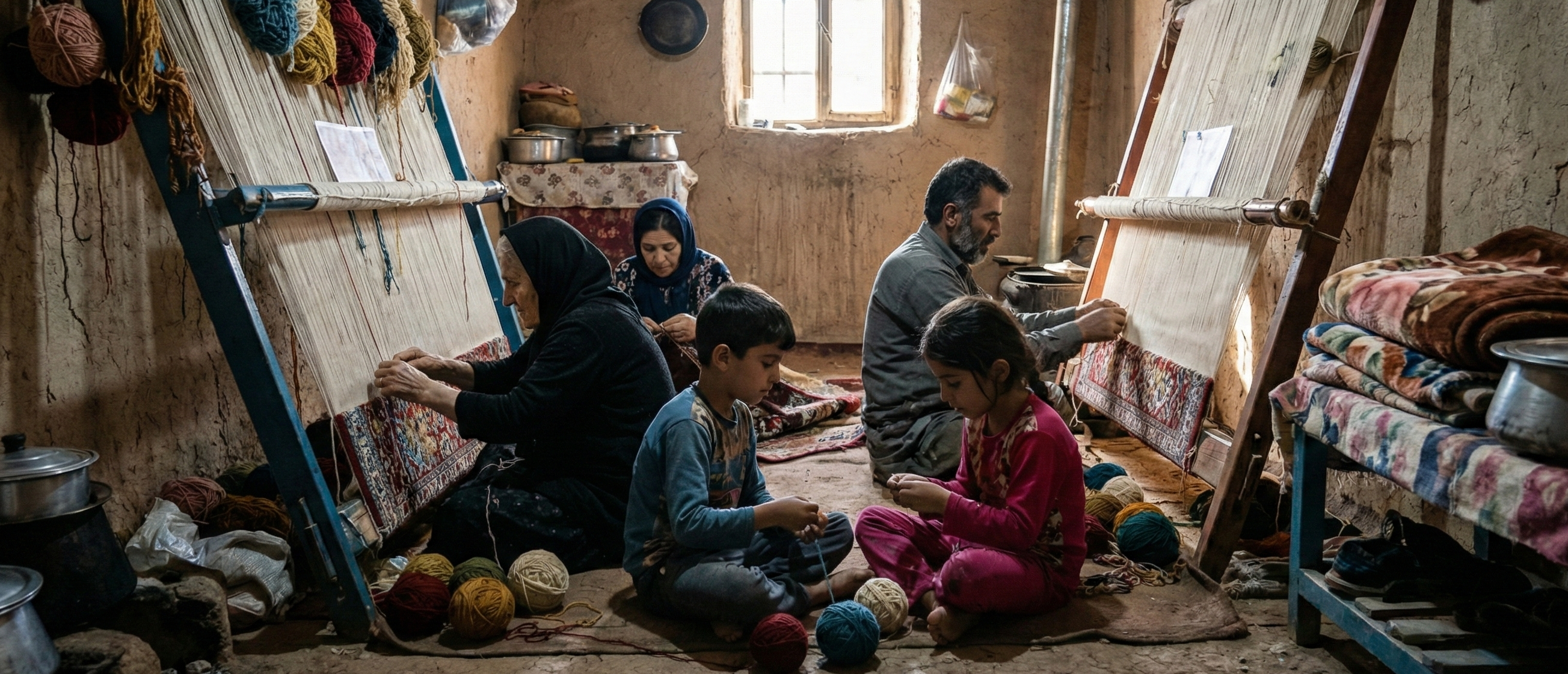
Most rugs are sourced from rural-based, household set-ups. These are small enterprises where men, women and children work hard in very humble environments. This is unlike the well-paid industry workers at an assembly line setup. In many Asian rug-making locales, chances of engaging child labor are higher than you can imagine. The reason is simple—smaller, nimble fingers can work intricate designs a lot better and the wages are invariably lower than employing an adult resource.
Get Your Facts Right: Every Rug is NOT Inhumanely Made
However, this does not mean that every Oriental Rug is a result of human exploitation. Still, there are rug sellers and re-sellers who intentionally indulge in such practices to maximize their profit. While some rug destinations like Turkey can boast of negligible chances of unethical rugs, the same does not apply to every Asiatic destination popular for its rug produce. As a consumer, you might be unintentionally fueling such inhumane industries. To make a better, well-informed choice, you need to be more aware about the type of rug you are about to purchase.
Why making the right choice is difficult but not IMPOSSIBLE?
It is hard to get an ethically made certification for each rug. There has been a rising incidence of rug makers getting Fair Trade certifications or Good Weave licenses. Still, there is every chance that the rug you are about to buy does not carry sufficient proof of its ethicality. You can ask questions about the locations from which rugs have been procured and environmental impact of the rug’s creation process. Invariably, rug sellers indulging in fair trade practices are least likely to offer genuine handmade rugs at throwaway prices. Sticking to morally correct rug making ensures that the pre-market cost cannot be restricted beyond a certain point.
Ethical rugs are also about fair pricing and the profits being shared with the real workers. The rug industry is highly susceptible to getting inventory where the skill of weavers is not aptly awarded. Now, more non-profit organizations are taking the ownership of ensuring that rug sellers pay weavers more-than-reasonable wages. Other initiatives include assuring primary education to children from the rug weaving communities.
The industry might see a price revision not to a customer’s like but at least the exploitative traditional practices will give way to a more responsible approach to making rugs. For regional communities that carry on the legacy of this intricate art, this is a big step forward. As consumers, it is vital that you support their cause.
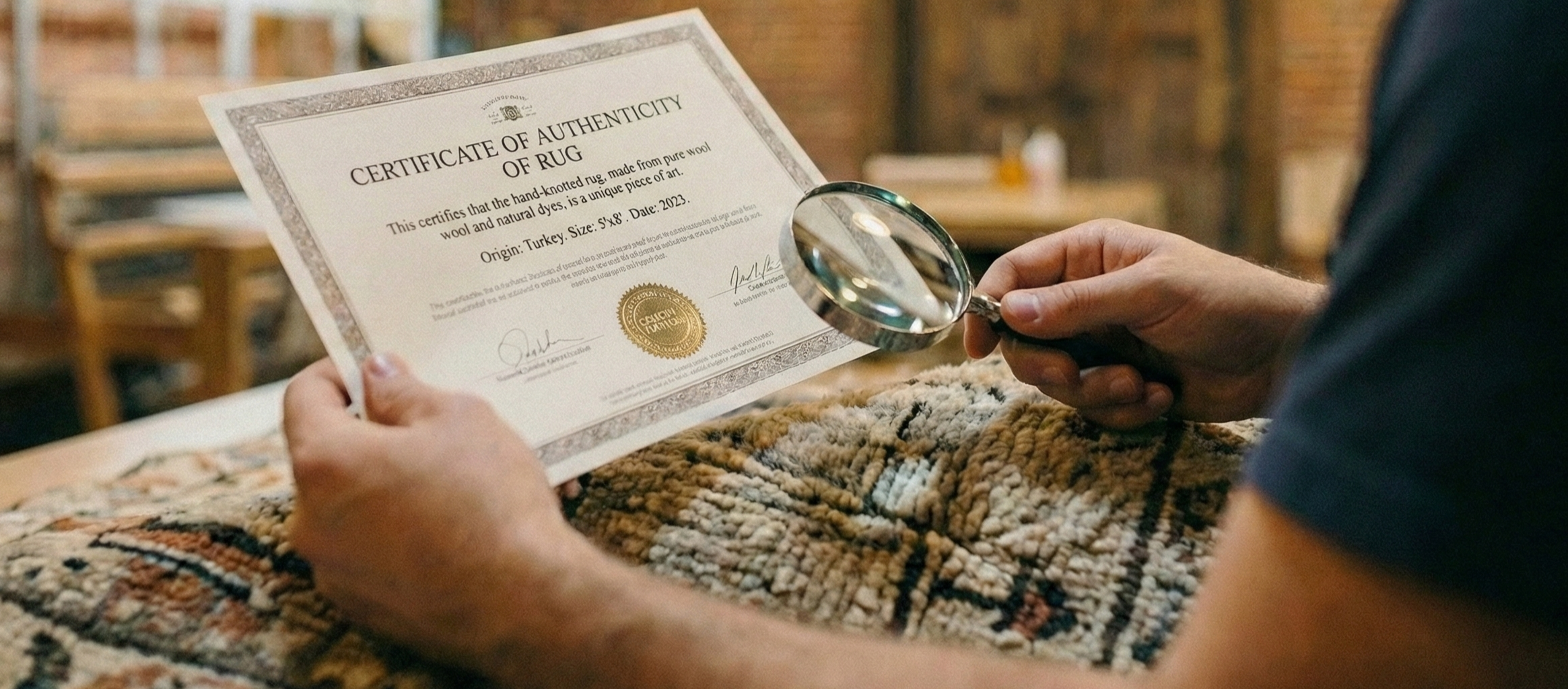
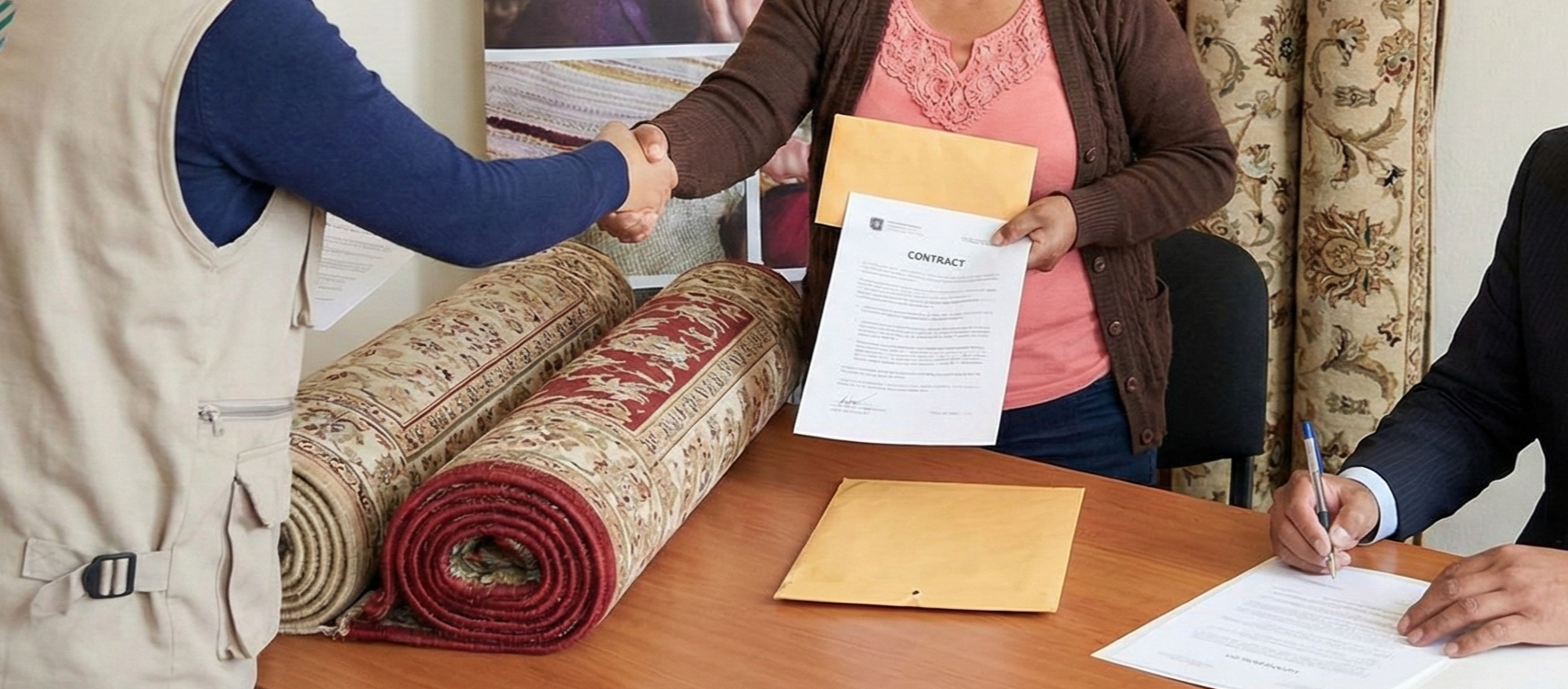
The onus is on you to buy rugs from retailers who have proven credentials in the market. Quality rugs at a genuine dealer will not come with jaw-dropping discounts. Think of the rug provider as your partner in making a smart, educated buying decision. The retailer should be able to guarantee the authenticity of rugs, taking the time to educate you about the creative process and the rug’s regional heritage. With this approach, weaving communities will get their share for handcrafting a rug that will last you for years and you earn the satisfaction of knowing that your purchase hasn’t trampled human rights.
Rugs have remained a popular type of floor covering and a decoration option for centuries, because they are soft, improve acoustics and insulate living spaces, with amazing ease. However, a beautiful carpet that has adorned your house might be making you sick – not according to us, but to many others. Including, some carpet manufacturers who seem to think so.
What is this discussion really about?
Though, rugs have not lost their charm, they have lost some popularity due to several misconceptions that have been created in the minds of people. Many folks have started associating carpeted floors, as a source of allergies and asthmatic attacks. There have been several debates about whether rugs trap dirt, pollen, dust, moulds or animal dander, lowering the overall condition of indoor air. As sceptics continue to argue about rugs being bad for indoor quality of air, manufacturers have unleashed a branding exercise, calling their products “Scientifically Developed Non-Allergic Rugs.” However, this did not resolve the confusion. A big question still exists – do non-allergic rugs really exist and if yes, is there a need for rugs to carry this nomenclature? To address such issues, we have come up with a list of the 4 most common myths, associated with this topic. This debate uses conclusions gathered from community-level health surveys and studies, undertaken by toxicologists. Read ahead, to find out why your rug cannot actually make you sick:
While some people believe that mites get stuck in rugs and grow there, the fact remains that these allergens exist only in places with excessive moisture. Mold growth is possible in areas with poor cleaning and maintenance. So, by eliminating sources of excessive moisture and controlling humidity, you can reduce the growth of such allergens. Vacuuming and drying your rug under the sun is the easiest way to keep away the growth of dust mites.
Did you know? Seagrass natural rugs are highly water resistant, making them naturally less prone to mites and mold growth.
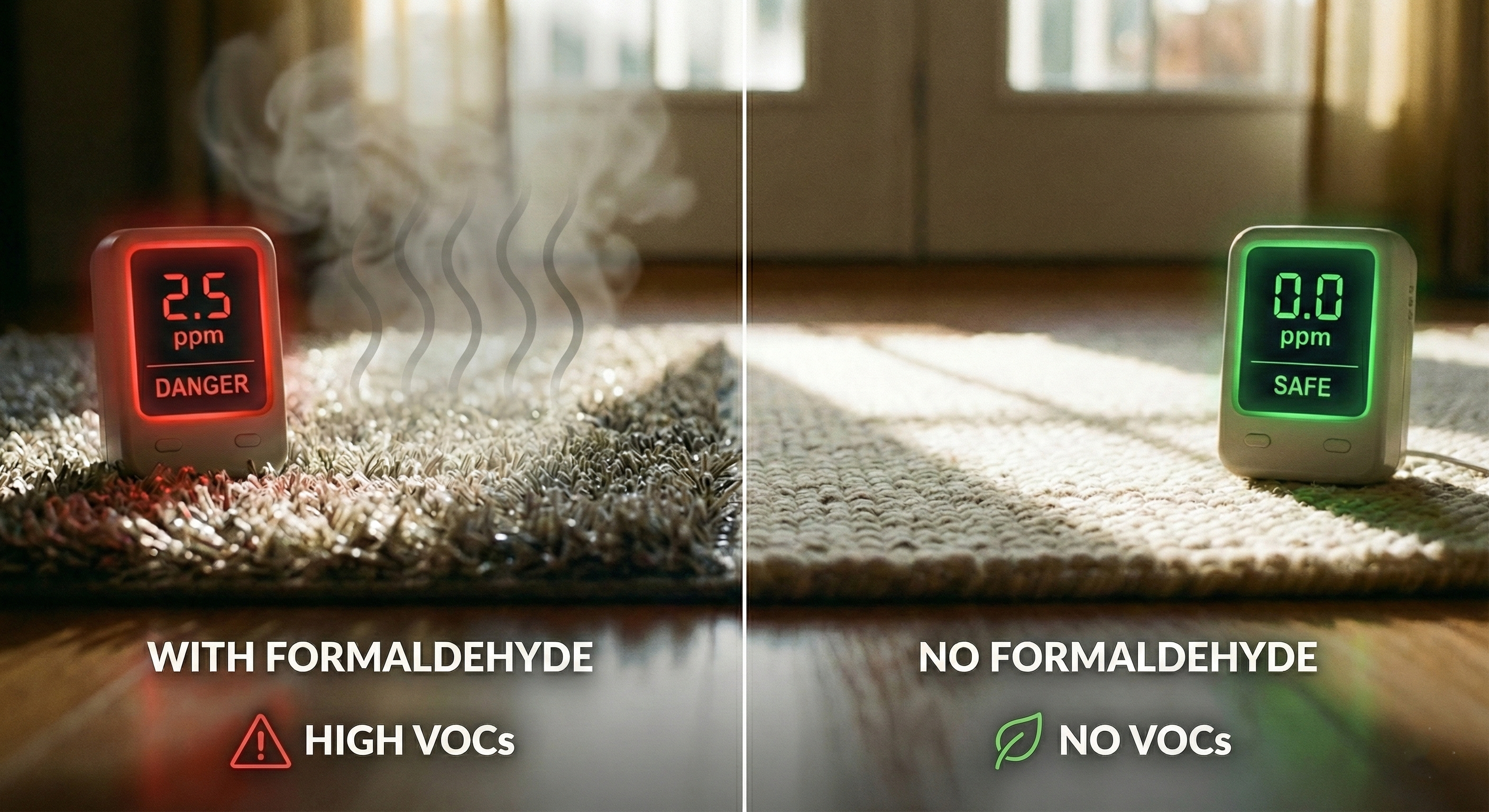
VOCs refer to Volatile Organic Compounds that can be commonly found in synthetic carpets and rugs. VOCs are emitted after the installation of carpets and aren’t evident until, or unless they emit a funky smell. However, most interior furnishings emit VOCs only for a limited period of their installation. Most research studies suggest that emissions from new carpets are in fact among the lowest for any household indoor furnishing option and it can dissipate within 24 hours, with good ventilation.
Do you know?Handmade, natural rugs don’t need the kind of chemical-heavy installation that wall-to-wall carpeting requires—you get a comforting underfoot without VOCs!
3. MYTH – My rug causes asthma and allergies
The Swedish Institute of Fibre and Polymer Research concluded that carpets and rugs have nothing to do with causing asthma or allergies. In fact, as per the research, while the use of carpet in Sweden had steadily decreased since 1975, the occurrences of allergic reactions in the general population, increased. CRI has also not come across any study suggesting a link between carpets and asthma, or allergies. You would be surprised to know that some statistical studies indicate that properly vacuumed carpets are indeed known to reduce asthma symptoms.
Do you know?Hand-woven rugs are the least likely to induce allergic reactions. The presence of plant-based fibres from bamboo, jute or coir, don’t present the kind of allergy risks associated with synthetic materials used in manufactured machine-made carpets.
4. MYTH – Rugs reduce indoor air quality
Extensive technological assessment of materials used in the manufacture of carpets as well as of the emissions from a carpet, suggests that emissions from a rug present no health risk amounting to a serious public health concern. Any dirt, dust trapped in a rug can be effectively removed through vacuuming—it does not impair the Indoor Air Quality (IAQ). You can opt for vacuum cleaners bearing the CRI IAQ Green Label to feel assured about comprehensive removal of common allergens. We believe this misconception is due to the kind of adhesives and synthetics used in wall-to-wall carpeting that are known to leach chemicals into the indoor air.
Do you know?Thick Pile Wool rugs are known to improve the quality of air, as they trap common contaminants like, Nitrogen Dioxide and Sulphur Dioxide, without allowing them to escape into the surrounding air.
Addressing the Age-old ‘Rugs & Formaldehyde’ Debate
One common misconception that folks have in mind regarding carpets is the use of Formaldehyde. Please understand that minimal quantities of formaldehyde are emitted during rug manufacturing or installation—a fact substantiated by an official statement issued by the Carpet and Rug Institute (CRI). However, it is very difficult for most people to judge whether carpet installation raw materials carry a high VOC risk, making the entire equation very uncertain.
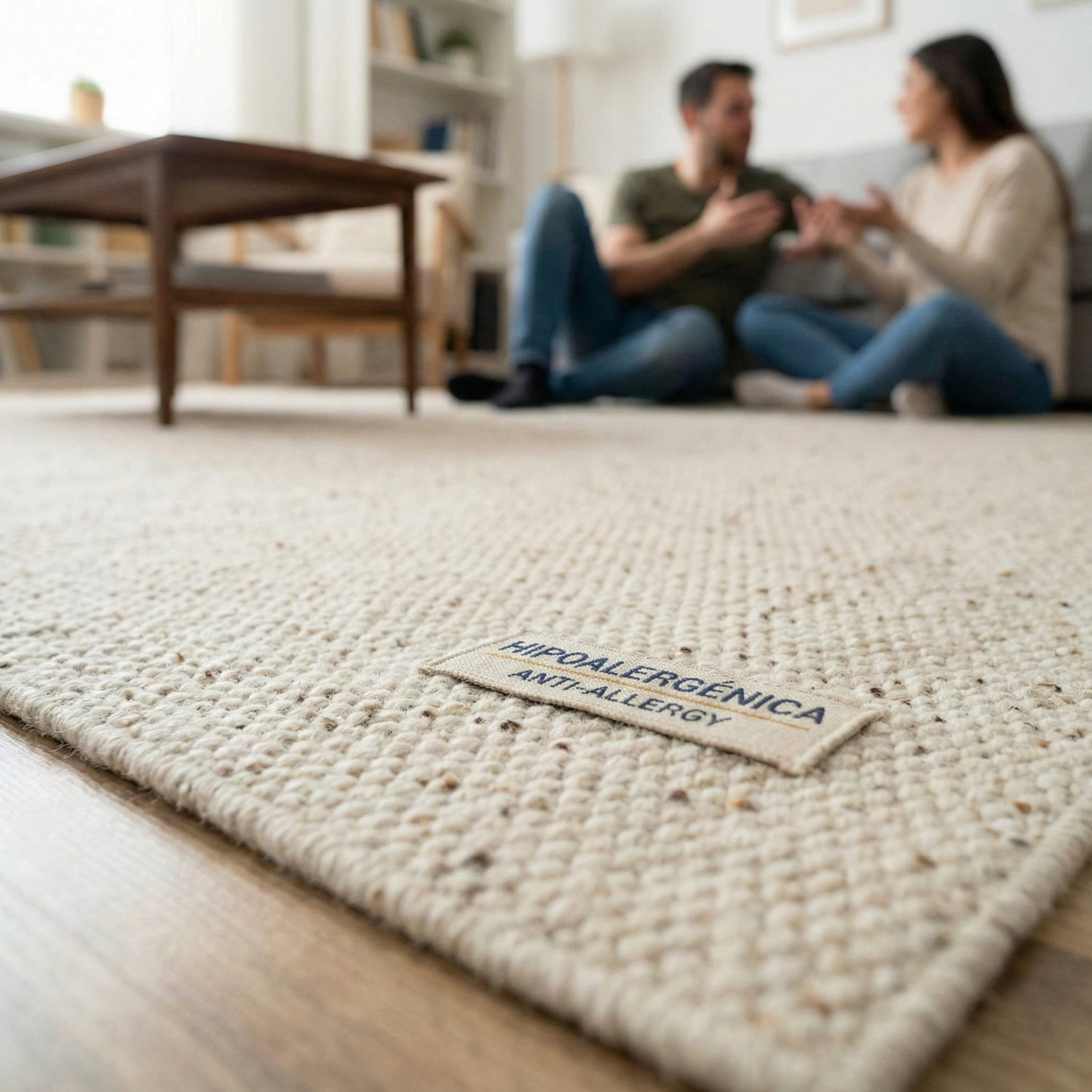
Do rugs need to be given an anti-allergy treatment?
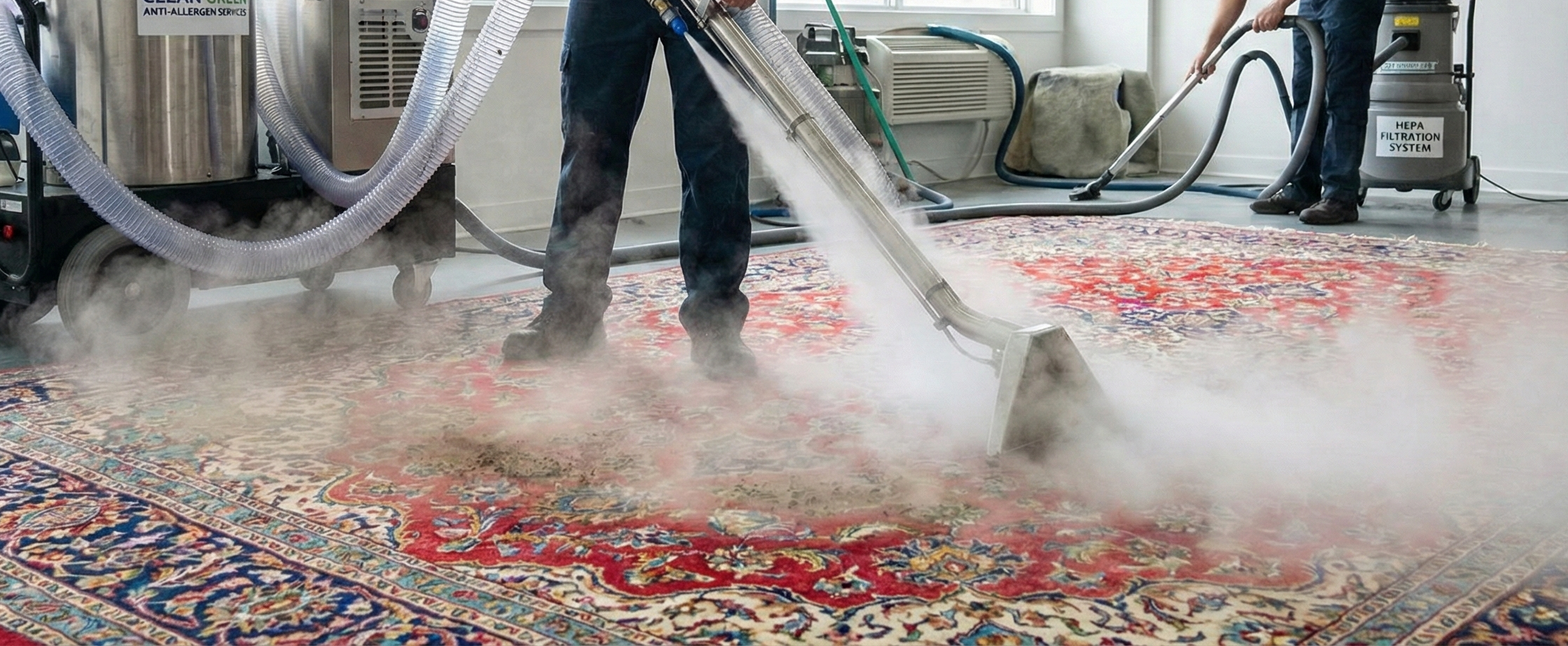
If the manufacturing process takes care of not using too many chemical additives, invariably the rug becomes a safe option. It seems that the rug marketplace is falling prey to invasive marketing, where such simple facts are losing ground to claims made by bigger carpet-manufacturing brands. As long as you vacuum your rug regularly, it is more likely to improve the indoor air quality by trapping allergens rather than have them floating around up on the air of your bedroom. If the carpet happens to be in a high-trafficked area, professional cleaning is perhaps the best choice, to lower the chances of allergens being dusted indoors.
Our Verdict: Choose Handmade Rugs to Keep Allergies Away
Don’t read too much into anti-allergy treatments, some might be just an excuse to bloat the sticker price. However, there is an underlying threat to the usual variety of rugs sold at supermarkets. They are likely to have some chemical residues and be non-durable product. Wall-to-Wall and machine-made carpets, are known to test positive for traces of VOCs. A wiser approach is investing in Eco-friendly Rugs—consider hand-woven & hand-knotted rugs made with natural fibres and dyes. These rugs are harmless to children or pets. Sisal, Jute, Bamboo, Silk, New Zealand Wool, Banana-Silk and Hemp are excellent Handmade Rug choices that are not susceptible to allergens, easy to clean and will last for generations to come.
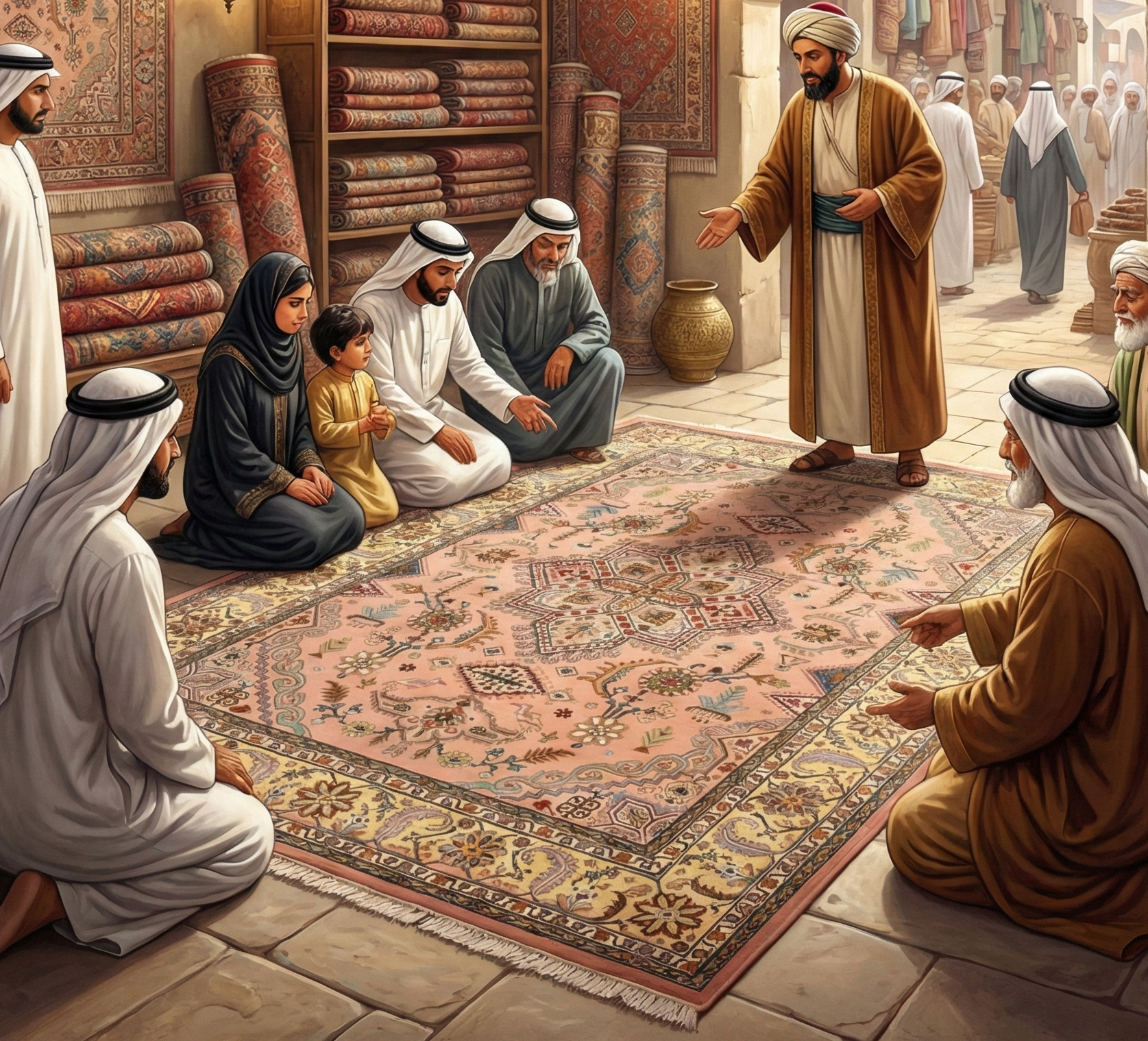
The rug and carpet industry is such a diverse one that it can easily cater a number of different customers and their multiple needs. Among the most usable item, handmade rugs have been popular for a very long time. Handmade rugs come in different sizes and styles; additionally the texture and the length of these rugs can help you to choose an appropriate piece for a particular place.
Here is an introductory piece of writing for all those who are interested in knowing about the handmade rugs:
What makes handmade rugs unique?
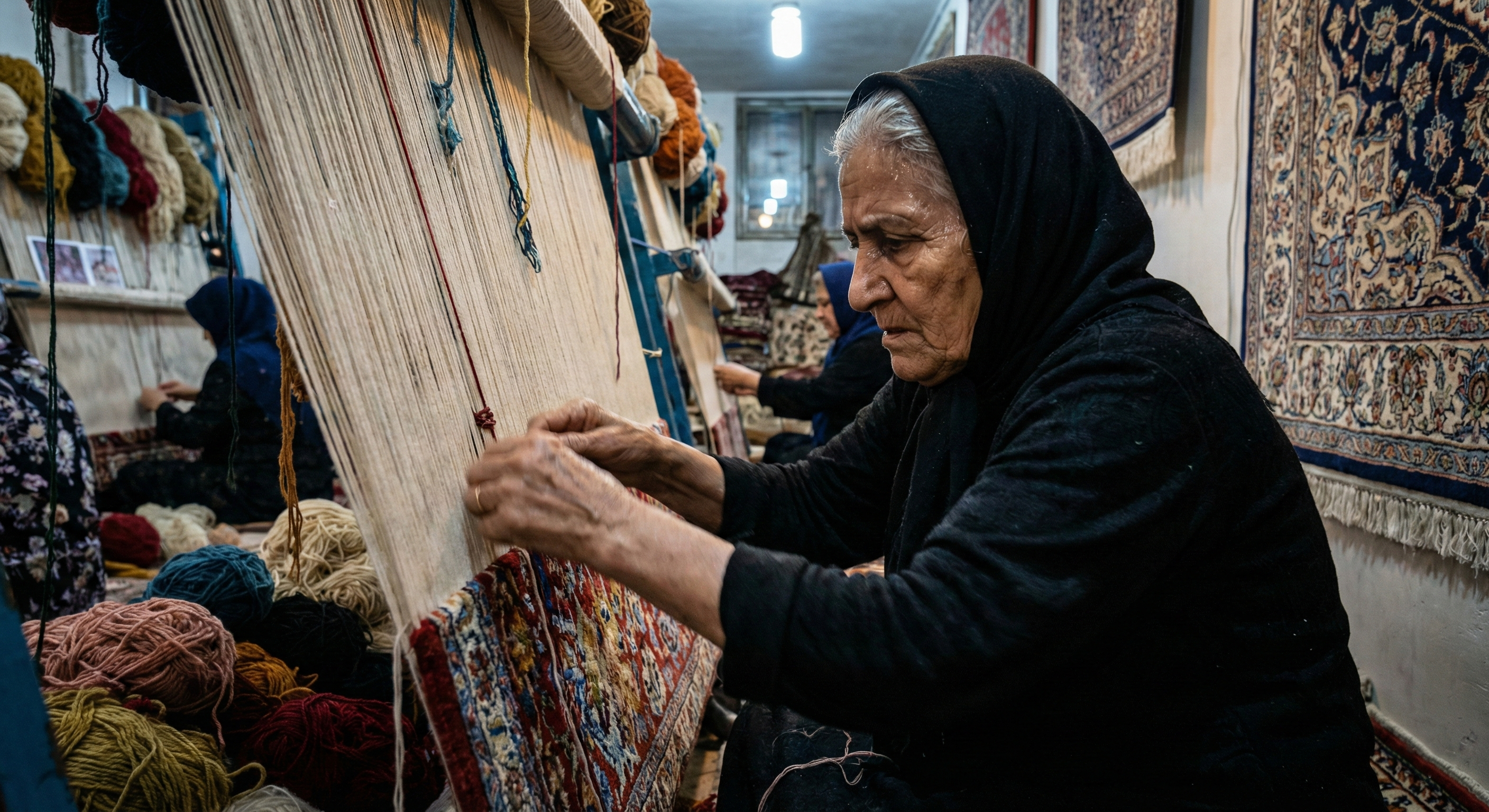
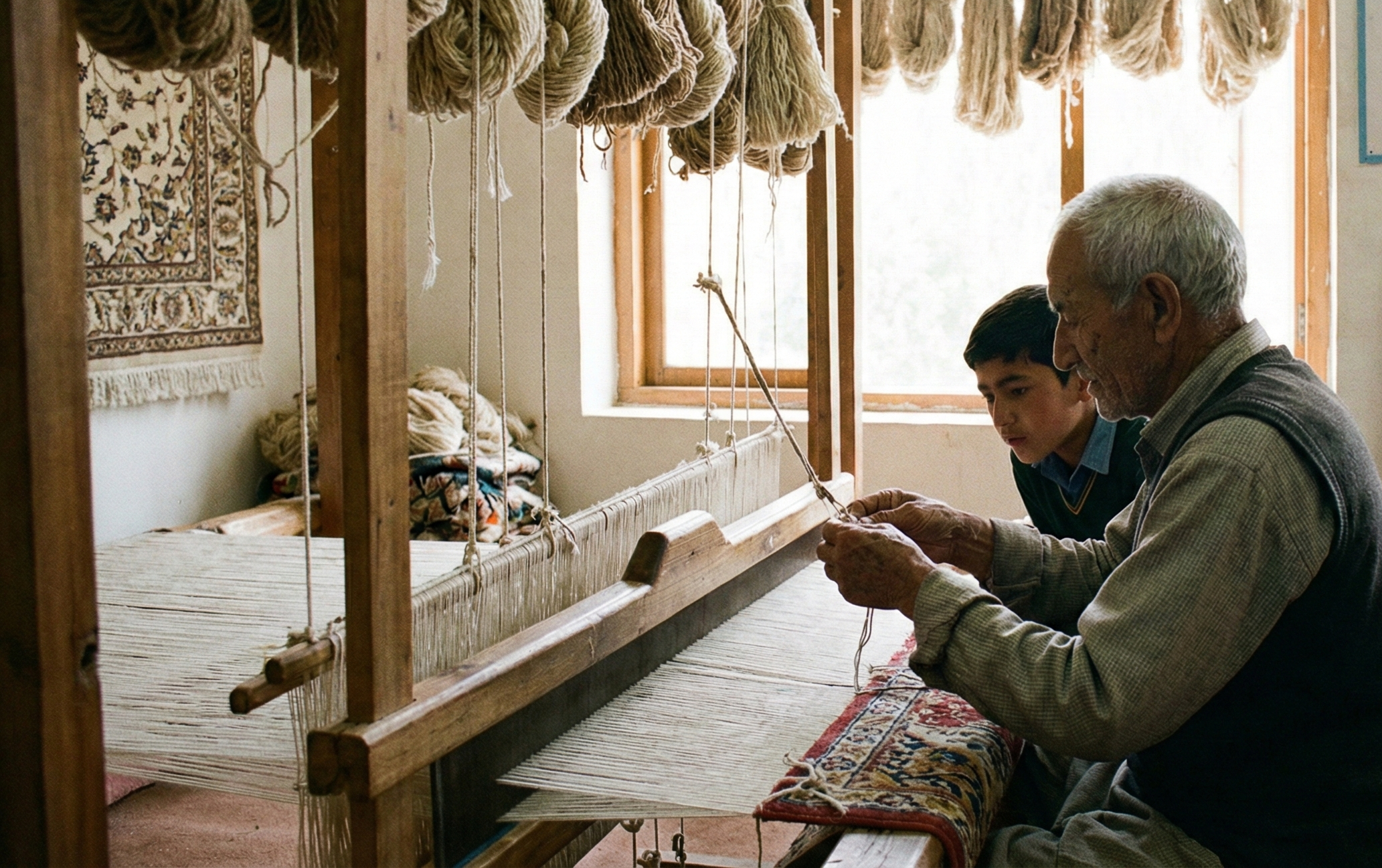
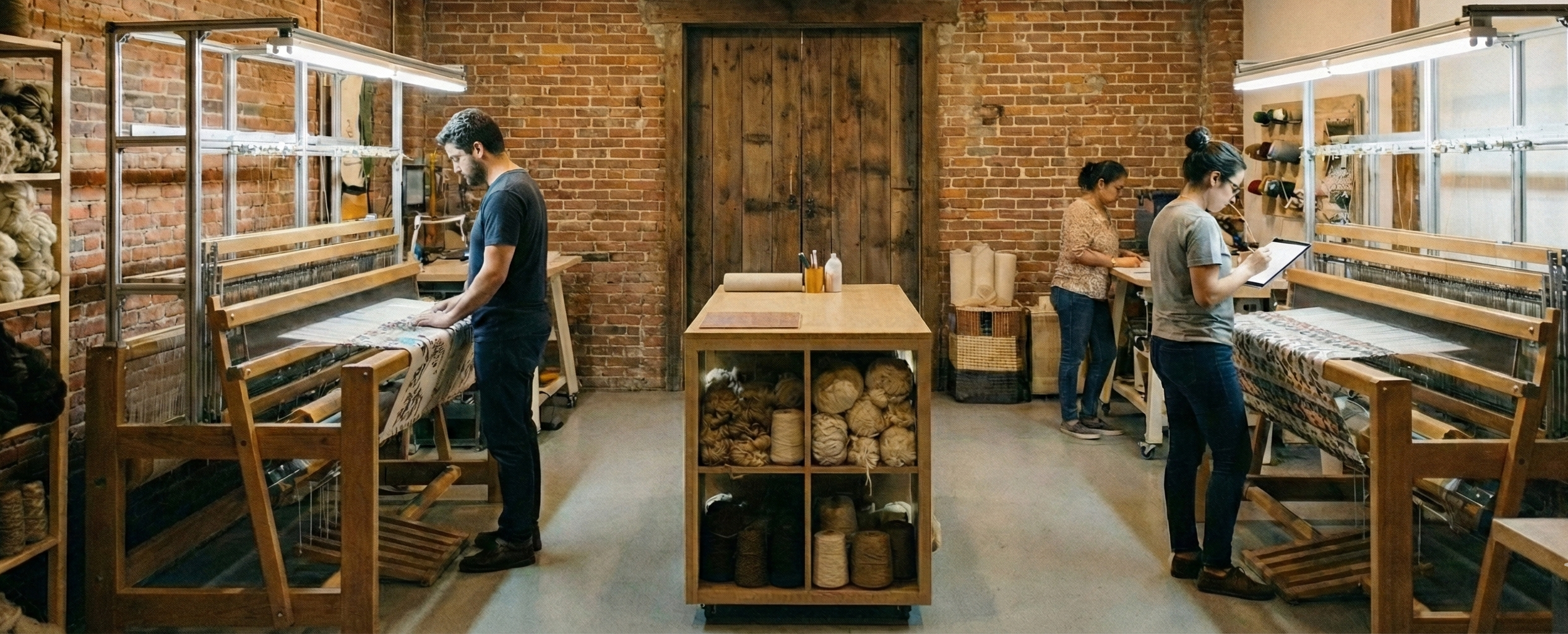
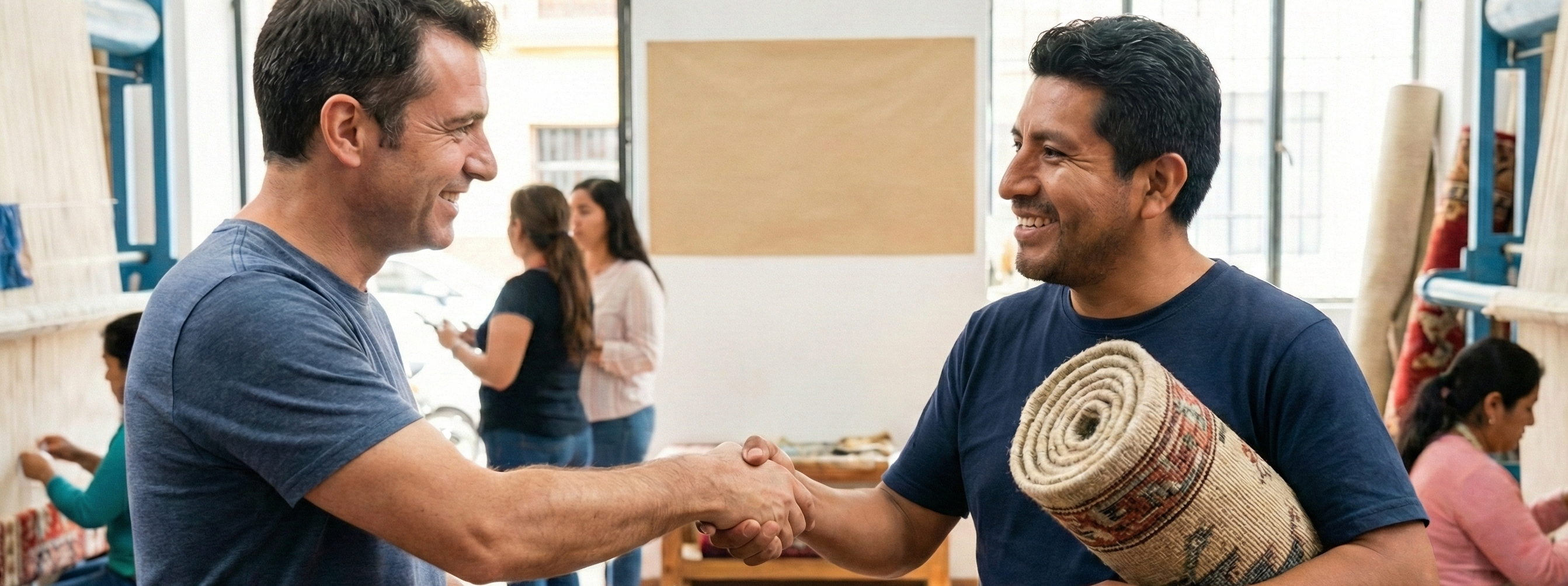
Many people are interested in knowing what features set apart the handmade rugs from other rugs and carpets and make an accurate choice. To these people’s searches for a rug, a number of points may be worth considering. First if all the handmade rugs are made on special looms operated and processed manually, where every knot is knitted manually by a skilled labor, by hand.
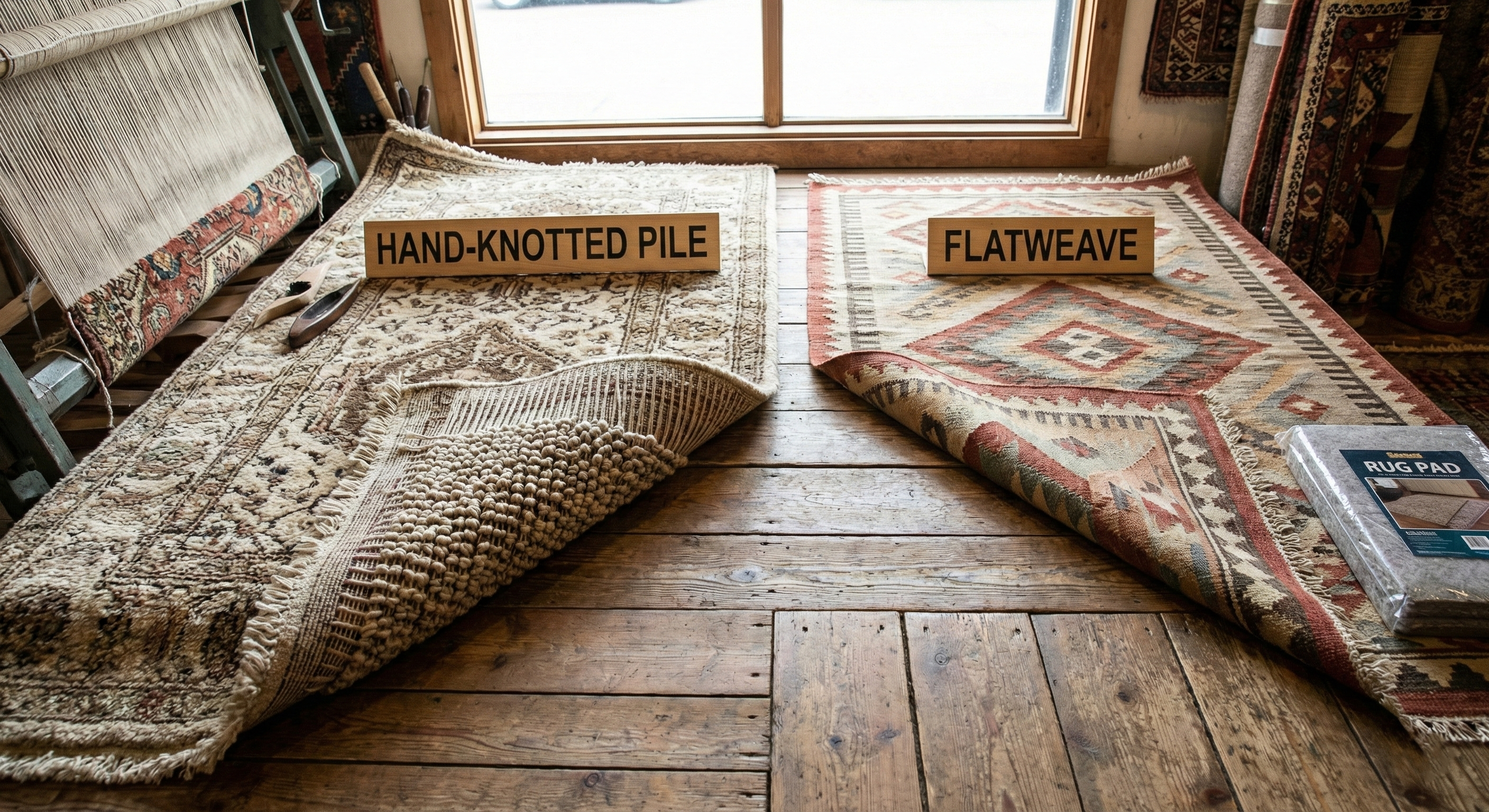
Knot pile style of handmade rugs:In this traditional style, the carpet weaver will make the knots in a way that each knot is tied to the other by hand in order to create a foundation. It is a longer and more tedious exercise when making a carpet as compared to other types of handmade rugs.
Flat weave style:As these handmade rugs lack the traditional pile of knots and the foundation of handmade knots on a loom, so does the height of these carpets, or in other words the thickness of these handmade carpets is very much more thin. Usually rug pads are largely used to make these rugs stay in place.
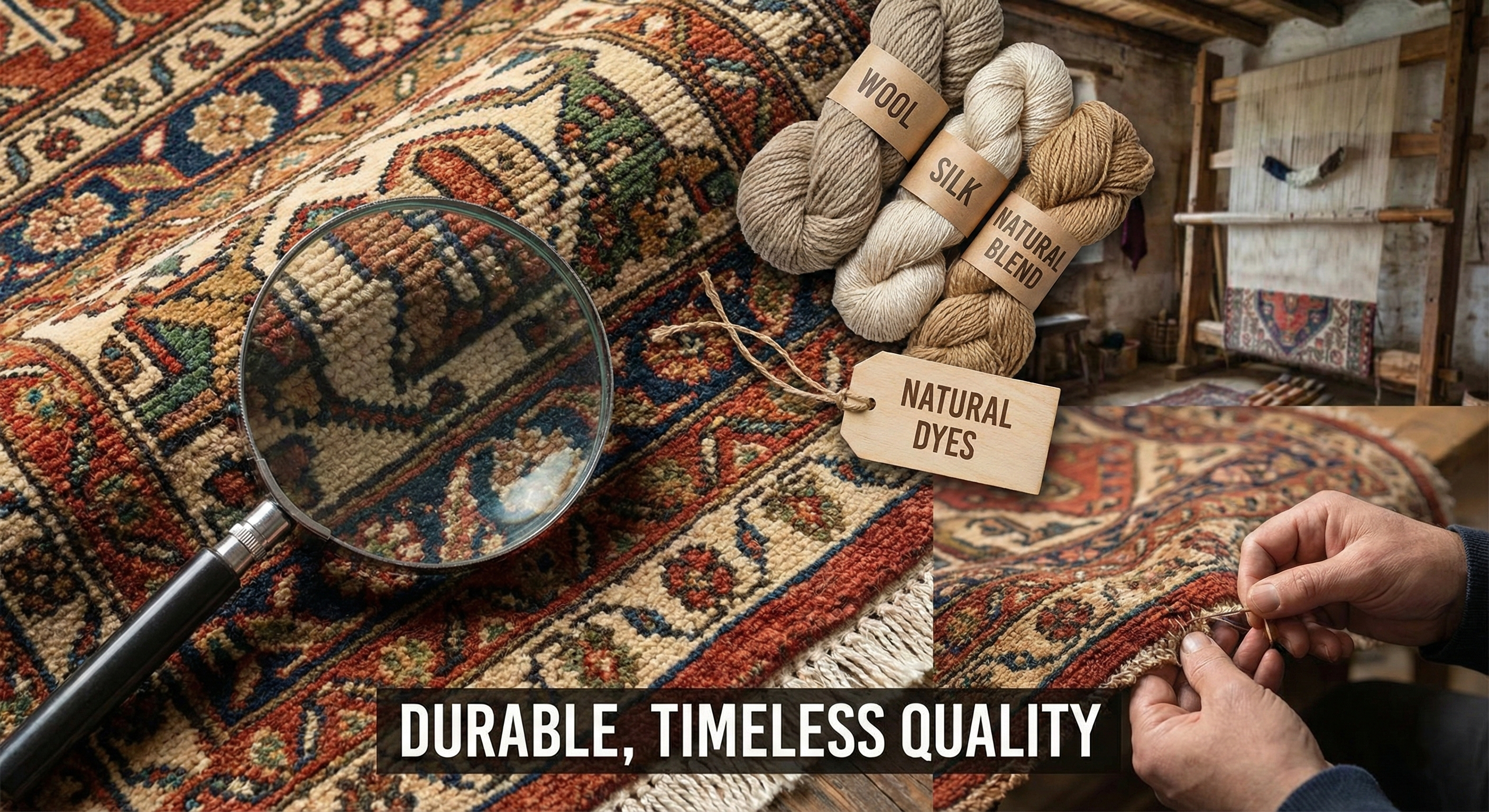
Most of the readers want to know, how we can determine the quality and standard of a handmade rug. For those readers, we would like to mention a few major factors which can be a source of judgment about the quality of the handmade rug:
Knot count
The type of dye used
The type of yarn used
The durability of the rug
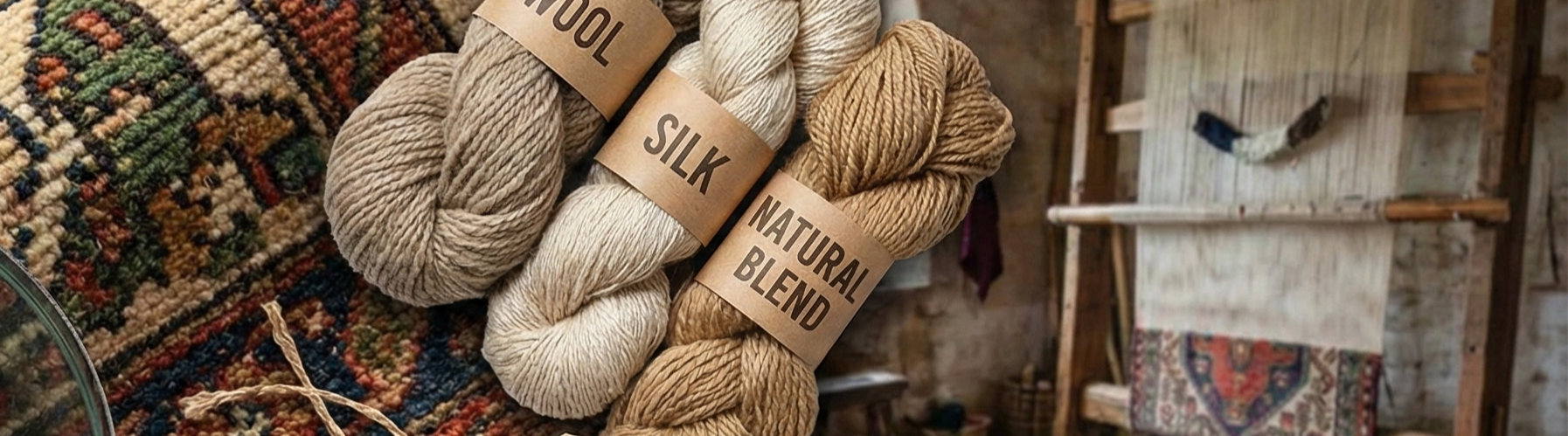
The handmade rug can be made up of a number of different materials, including the wool, silk or a mixture of different natural fibers. So the choice of your rug will largely depend upon the area and location where you will be using that particular rug.
There are a number of different choices for all those whose next purchasing is about the handmade rugs. So before you go to obtain a distinctive piece for your gorgeous room or living room, have a look at these major options available.
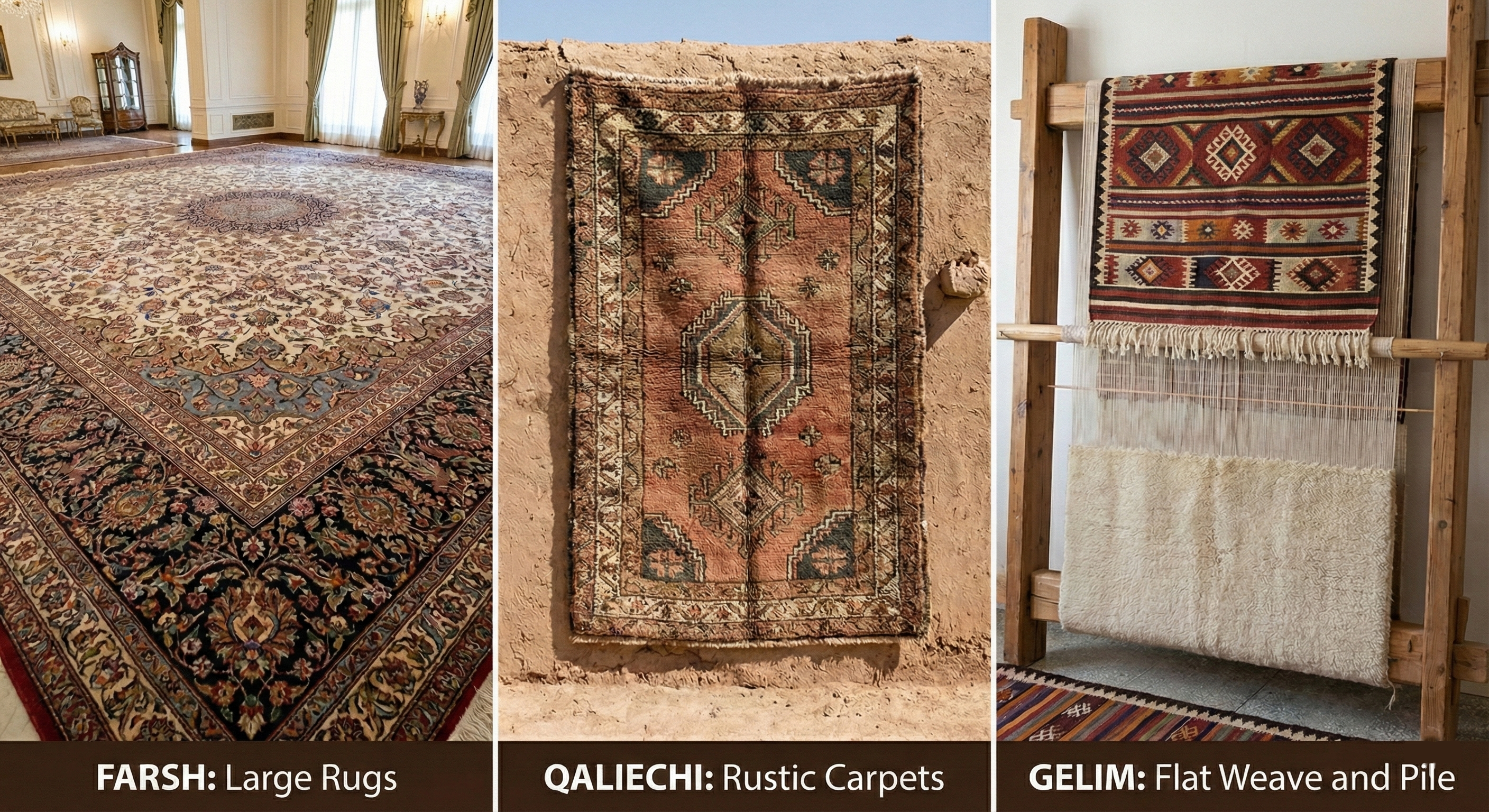
Persian handmade rugs: Persian rugs are one of the most prominent pieces of art of all time in Persian culture. These rugs and especially handmade rugs and are known in the world for their quality and elegance. The Persian rugs come in three major categories including.
Farsh (Rugs greater in size)
Qaliechi (Rough carpets)
Gelim (Including flat weaves and pile rugs)
The carpet industry is more or less using the same major patterns and then each company is using different derivatives of these designs, so you can easily distinguish a Persian handmade rug.
Turkish handmade rugs: One of the most distinctive features of a Turkish carpet is the fine arts embedded with the art of looming, so if your choice is a Turkish handmade carpet, you can easily get into finding a number of exclusive paintings and other designs on your rug.
Caspian handmade rugs: One of the newly established industries for handmade rugs is known to be those of Caspian rugs. These handmade rugs provide the best combination of modern patterns with the traditional art of handmade rugs, so for all of those whose choice is a bit modern and of new styles, they can easily get the best handmade rugs out of this Caspian handmade rug industry. Again the color preferences and materials may vary according to the individual choice.
Handmade rugs can be the best choice if someone is really interested in making his home or office highly sophisticated and mesmerizing. The options are endless; all you need is to have a sound knowledge about the available options and the particular need which only you possess. Handmade rugs have the best possible ability to make your place look compelling and persuasive for all. Not only you will be able to get the appreciation of others, but your internal satisfaction will make you cherish these handmade rugs for years to come.
Rugs are a sign of comfort and magnificence, because they symbolize family standards and tradition. Every hand knotted rug is surely a work of art; they soothe your aesthetic and visual senses as if you were looking at a marvelous item, something hypnotizing. They make you feel cozy and yet passionate about your home. Hand knotted rugs are the emblem of admiration as they take tremendous amount of time to elaborate, this are not plastic or electronic garbage but a truly man made livelihood. On a very long day you can sit and look around your favorite room of the house and stare at the balance that comes from the rug itself, just lay down on the floor making its statement of traditional art. And this is why these silk and wool knotted rugs are also a splendid way of living. Persian carpets are in fact are made of a major portion of a family heritage and trade evolution. They are shared among generations, rugs are trade for a living, rug dealers are a some of the highest earners in the textile industry. These rugs become especially obvious when it is holiday time because the greatest gift of all is a true Persian rug. Decorating your home with the appropriate type of rug will not only add the charisma in the interior decoration, but will also make your guests admire your sense of beauty and selection, when speaking about Funct-Shui
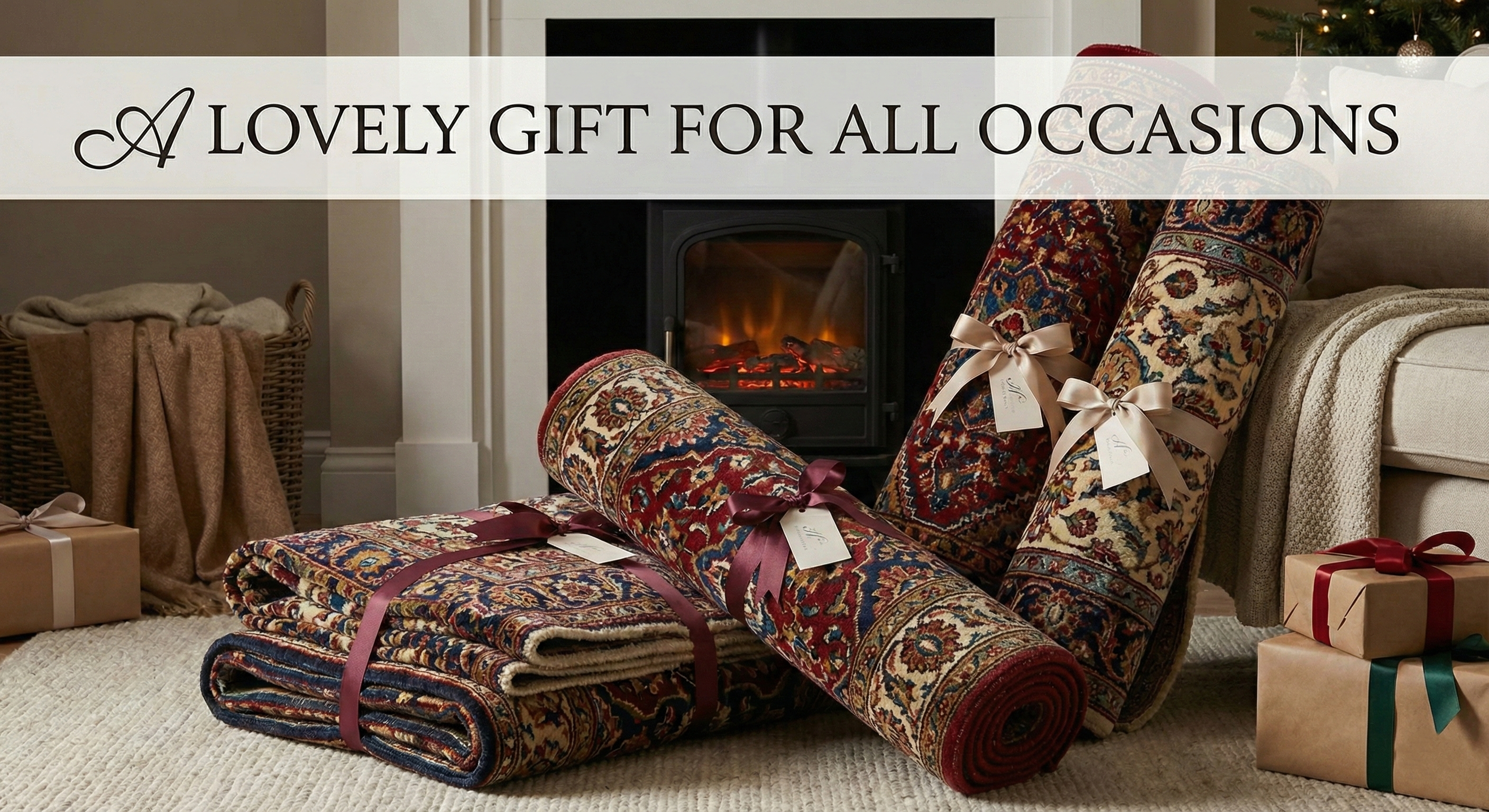
Hand knotted Rug – a lovely Gift for all occasions
Hand knotted rugs are sold widely across the United States but since the colors vary greatly and the sizes could be a big shipment item, choosing the perfect rug as a gift is quite a challenge, so your best bed would be to take a closer look and see who are the legitimate importers of rugs. There are very limited websites that sell rugs and one that is highly recommended because of its excellent reviews on Ebay and Ekomi is 1800getarug.com with it’s great selection of Persian rugs. None can deny that 1800getarug.com also have the lowest price guaranteed. Rugs are not for those who don’t have the cash, think about it this way, a rug is like gold it never loses it’s value and who know?, perhaps in the future your rug will be found frozen on your backyard and be added to a museum. If you want to give someone a gift that is not only luxurious, but its also a jaw dropper, you can gift that very special person a beautiful hand knotted Persian, or modern rug. Just keep in mind that you don’t want to intrude in their home and just change it, remember that there are boundaries when giving someone a gift. Moreover, if you are expecting guests at your place in this holiday season, open up your home in and pick a faultless rug which will make your visitors cherish the whole fun time of holidays in an unforgettable way.
When the holiday season comes and all the family is sitting on these rugs, they will sense a warm feeling, particularly helpful in the chilly and snowy regions of the world. So, despite their belief of being just another cheap decoration in the house, children or pets will love these rugs and the rugs won’t care because they are hand-made with a very durable and tough fabric.
Traditional Families – conventional values for spending holidays
Traditional rugs include various motifs, patterns, and styles. The most common categories are Turkish rugs, Persian rugs and Afgani Rugs. So based on the type of holiday you are planning for, traditional rugs can add value to your home. The traditional hand knotted rugs add magnificence, sumptuousness and affluence to Victorian styled houses.
Transitional Rugs a good choice for your holiday gatherings
Transitional rugs can add a magnificent effect to your sitting rooms and in case your guest list contains a mix of friends which include, both long-established as well as present-day trendy followers, then
transitional rugs are the probably best choice for you. They hold the traditional characteristics of rug making with distinct colors and designs.
Contemporary rugs make the modern families enjoy the holidays:
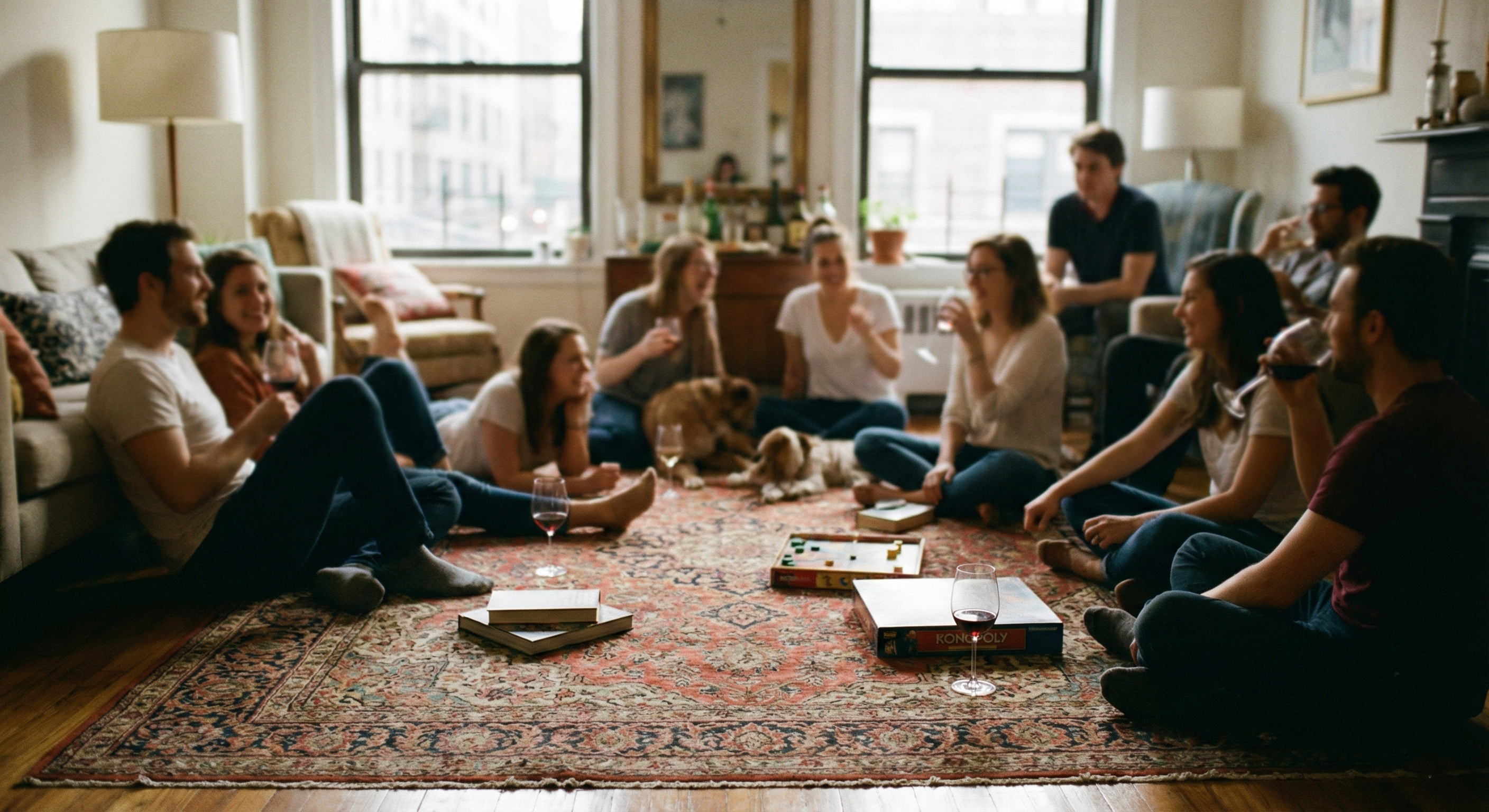
Old décor is not always the option when celebrating the holidays. Somewhere I might decide to have a white Christmas tree with purple ornaments, which would then call upon a modern Overdyed colored rug! Yes something like it. The belief that your contemporary styled homes are much better in comparison to transitional and traditional home, is quite a debate, as Modern houses are much easier to maintain. According to most designers a very important fact in the room décor are the rugs and carpets. In case you really want to arrange your living room together, it will then require paying close consideration to the choice of floor ornament. Rugs are accessories to maintain a colorful outlook of your rooms. They define the overall appearance of your room.
Holidays are the best and the most memorable time, because you get precious moments with family. Whether on these holidays you are planning to invite your friend or you will be the host, rugs and carpets will add glamour and style to your interior, so put a long lasting impression which can be recalled even after years, purchase a new rug for the holidays.
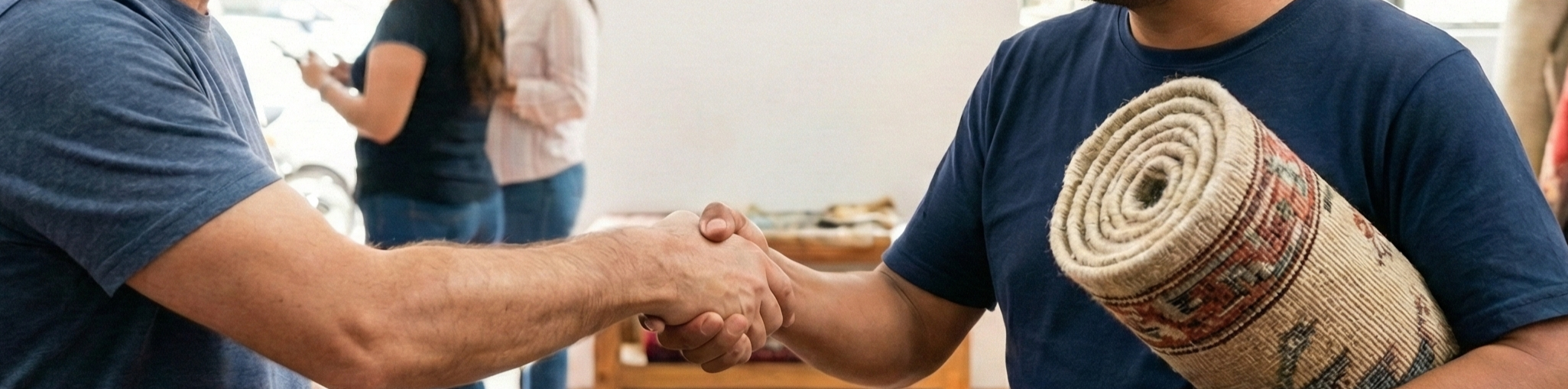
Do you have a unique historical rug? And you have no clue what to do with it? Or you are looking to sell it for the best possible price? If yes, then you have come to the right place. We can help you determine what to do with your unique family rug, also we will buy it from you for the best possible price. Below are some important guidelines that will help you sell your rug.
Restoration of the Rug before you sell it
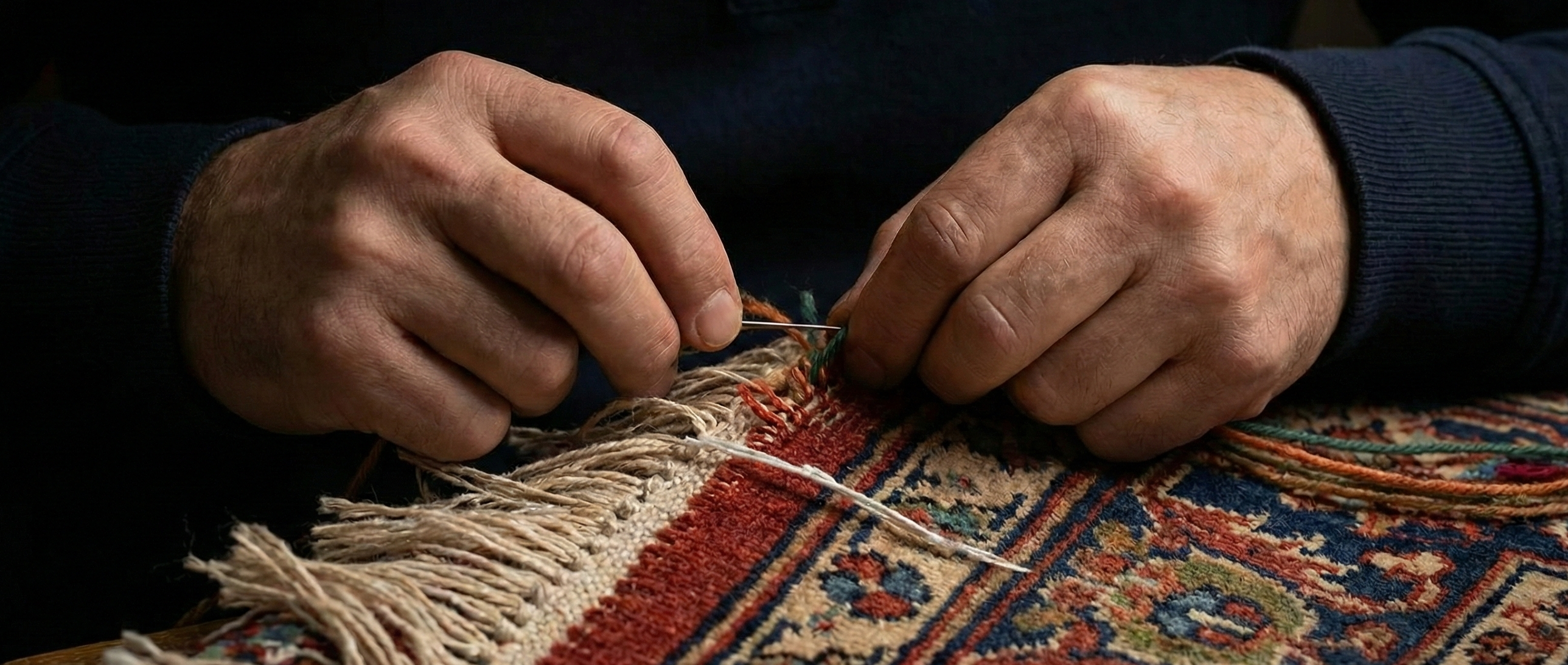
People are often persuaded to undertake very expensive repairs as they believe that this will increase the value of their oriental rug. Once they go into the market to sell their rugs, they discover that the rug wasn’t worth the repair as it is not even covering the price of the repairs they made. So, to be on the safe side, we will recommend that you first make an assessment of your rug resale value before get the repairs are done. If a repair shop informs you that your unique rug is worth a lot of money, and after the repair you will be able to sell your rug for thousands of dollars. You should ask them whether they would buy the rug for half of the price.
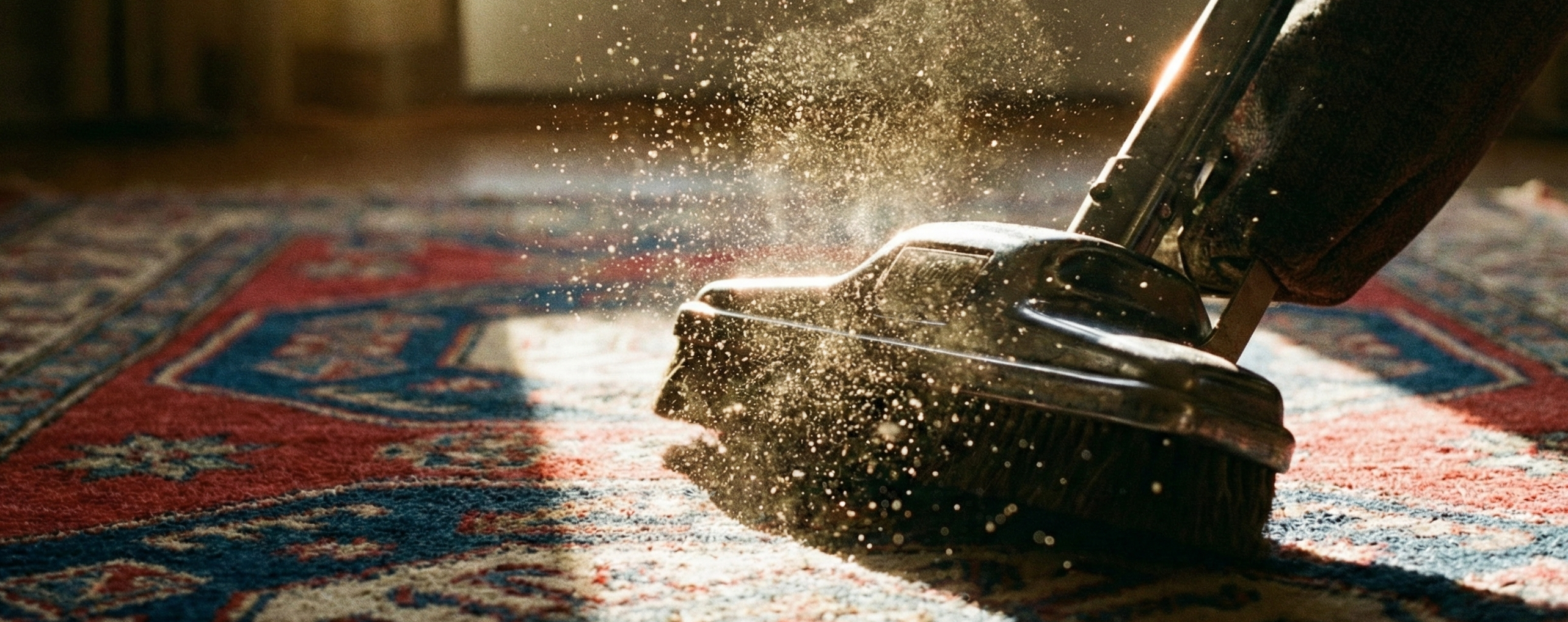
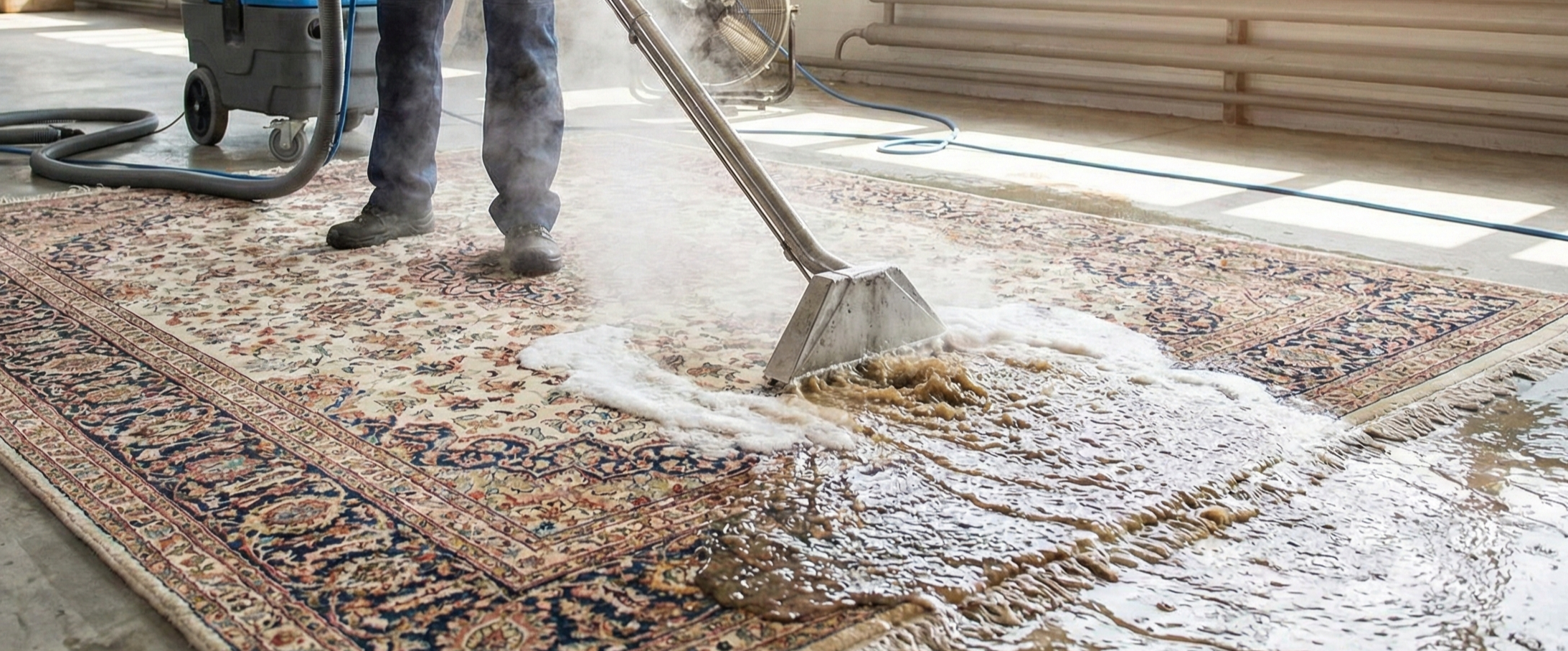
Getting your rug professionally cleaned is worthwhile. In order to get rid of the stain, you should consult a cleaner. If the cleaner promises you that the stain will come out, only then you should get it cleaned. Otherwise, you can get it vacuumed. Make sure you vacuum the back first and then the front, also always work in the direction of the pile.
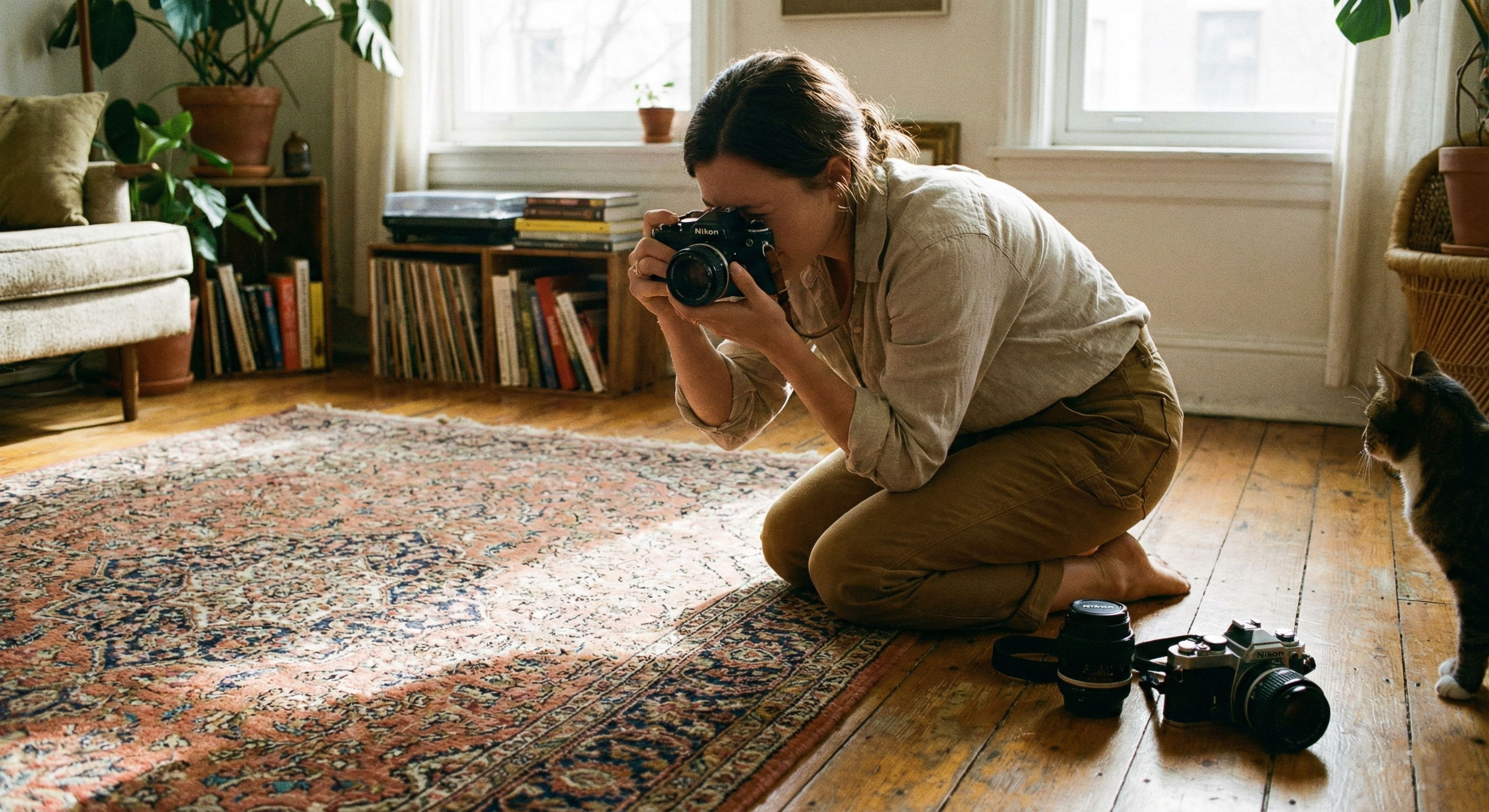
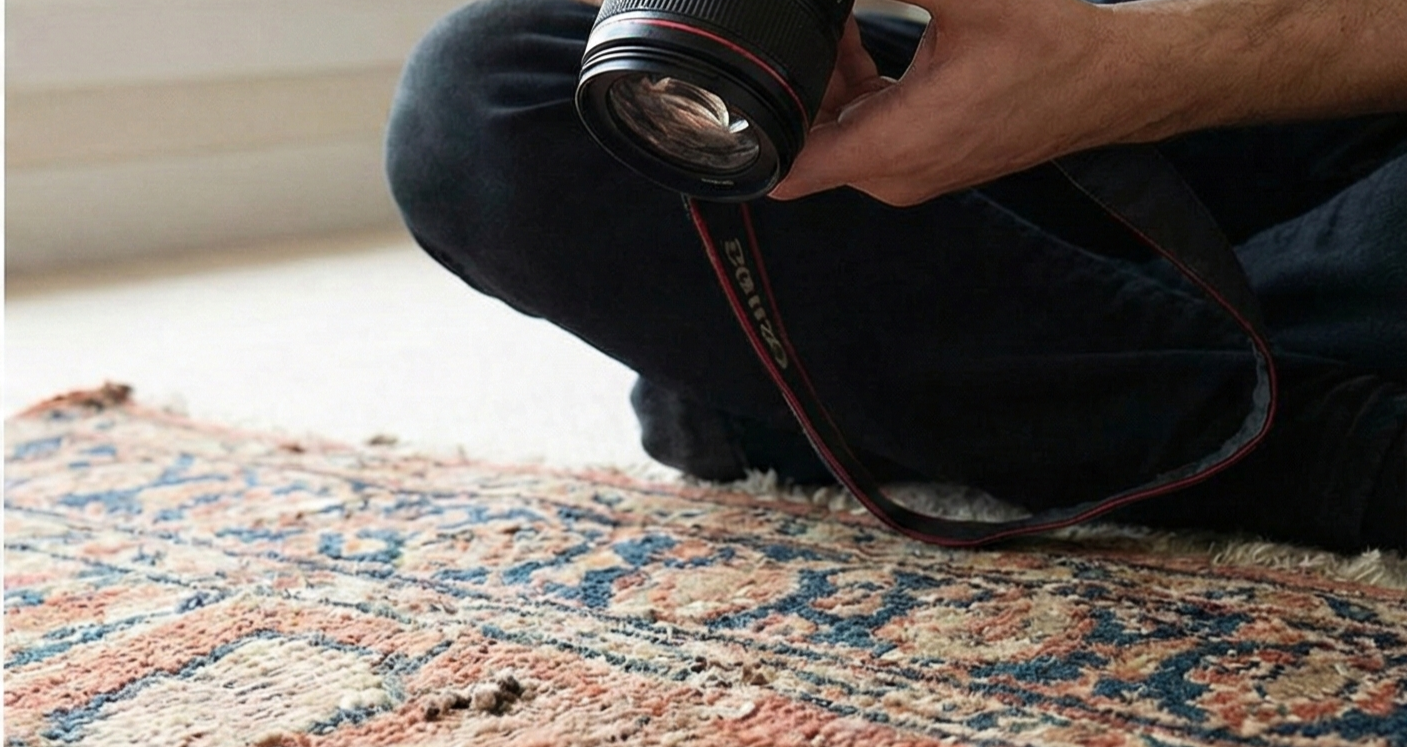
In order to sell your rug, you need to take some pictures of the carpet. Make sure the light is right and the camera you are using is also of good quality. As a good quality camera will show the exact condition of your rug. For us to make-out the quality of the rug, you should send us pictures of your rug. One picture should be of the front, the second of the back and third should be a zoomed in picture of the front. This will help us identify the pattern of the rug and also its condition.
It is very important for the seller to point of the damaged areas. If you want our relationship to be a lasting one, you have to be frank with our company. We will make sure that you get the best price for your rug, but you should also be honest. To sell your rug to us you should tell us exactly where the fault lies.
You should give us the full details of the rug, including the height, width, and shape. We would like you to provide us information regarding the manufactures, if possible.
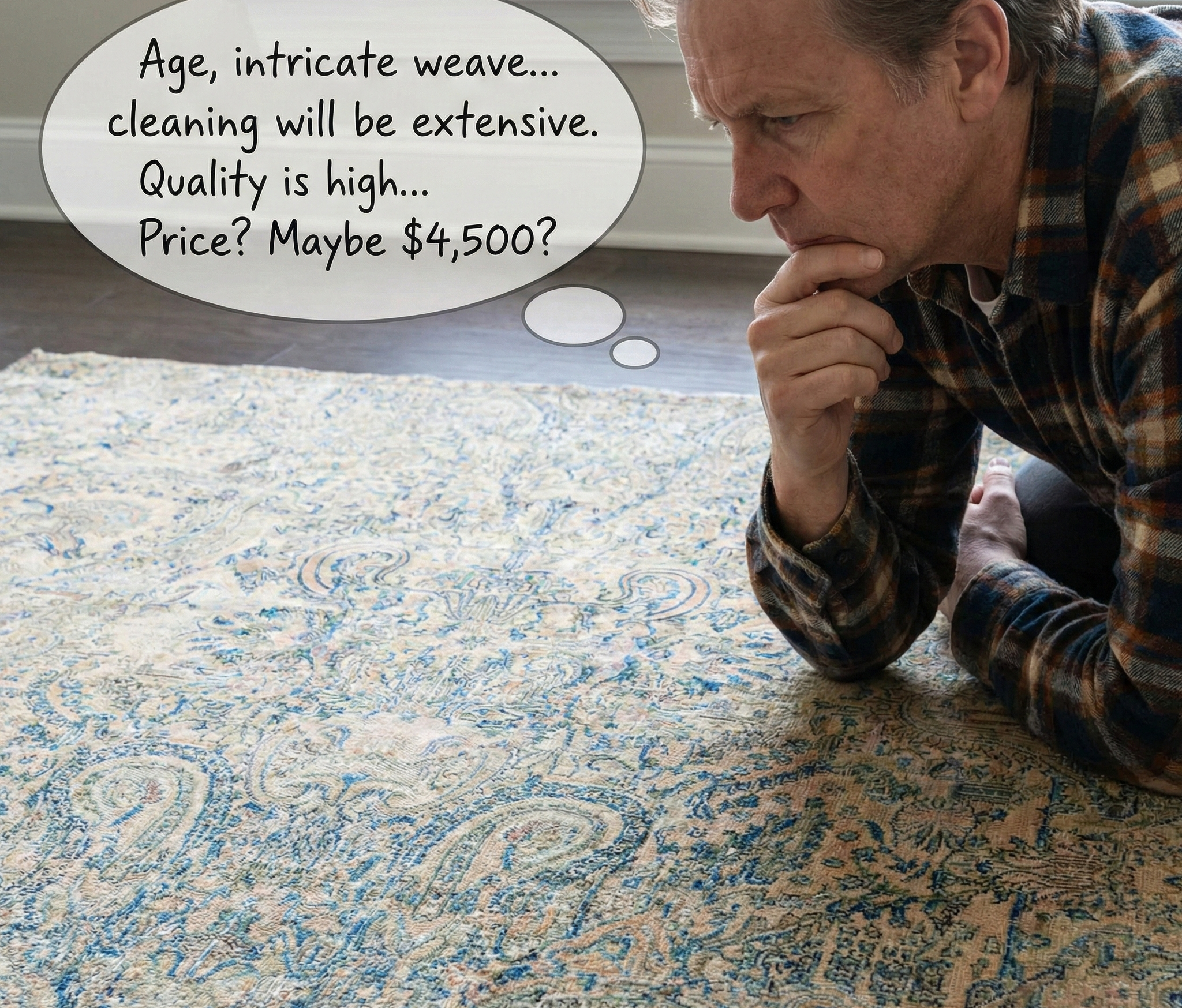
The price of an antique thing increases with its age. The older the carpet is, the more expensive it gets. Similarly, you need to tell us the exact age of your rug, as the price factor is affected by this characteristic. If you have a very old family rug, let’s say a 100 years old and it is in a very good shape, chances are you will get a good price for it. Telling us the exact age will help us understand the uniqueness of the rug.
Many a times, clients call us and say that they want to sell their family rug, and when we ask for how much. They say they don’t know. It is important that you decide the price before you call us. You should check the market, ask different people and then decide a price. In order to sell your rug at a good price and to avoid being cheated out of your inheritance, it is important that you know the value of it. This way you will not even demand more for it, when it’s not worth it.
Fill Us in With Your Personal information.
Selling your rug can be really easy if you follow the above foot steps. We will help you understand what is the right way to do a particular repair and how to go about the selling business.
You can check out our website, www.1800getarug.com, in order to sell your rug. And we assure you that we will give you the best possible price.