Silk as we know is a loved fabric, considered to be regal and very high in demand. It sure is a very expensive fabric but the softness and cool texture is like nothing it can be compared to. Silk is a weaving fabric used for many things such as dresses, scarfs, ribbons and carpets etc. the best thing about Silk is the texture of it as is just fabulous. Silk is the fabric that is used since the old ages by people. It has been known to date back to B.C. and it was used by the human civilization then.
Natural Silk Production:
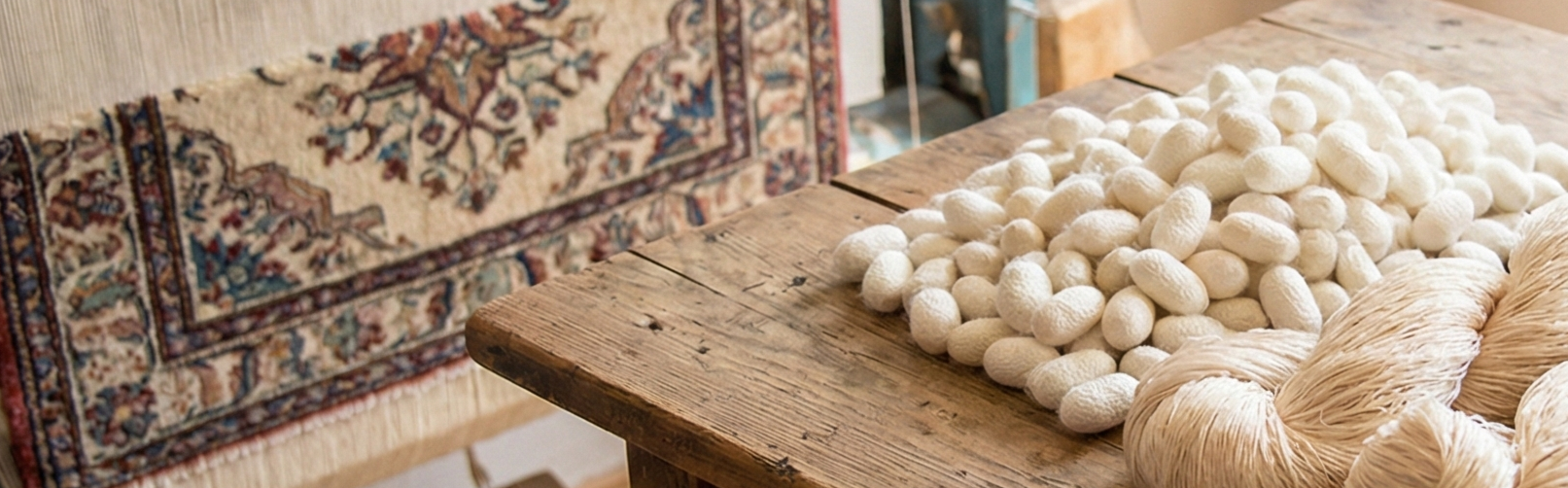
Silk is considered to be a quite tough fiber and has many different types based on the worms that produce them and also how they are intertwined. Silk is basically produced from the worm cocoon. The natural Silk fiber is really expensive because of the great deal of handling and the amount of care and time that it requires. Natural Silk is no doubt the most loved of the textile fabrics based upon the fact that other fibers like wool and hair can be obtain from the mammals that produce them over and over again. But when it comes to Silk, the worm that produces it is killed while getting the fiber. This means that regeneration of silk from same worm is impossible. This all contributes to having a very strong, but yet very soft feel making it the queen of fabrics. There are many countries that are producing wonderful silk fabric and one of them has always been. Also India, Japan, Italy and Iran are taking over the silk textile industry with great pace.
Techniques Involved In Silk Production:
The Silk production is the very rare form of industry. It has to be specialized and the industries around the world follow the mastered techniques of getting the silk from the silk worm.
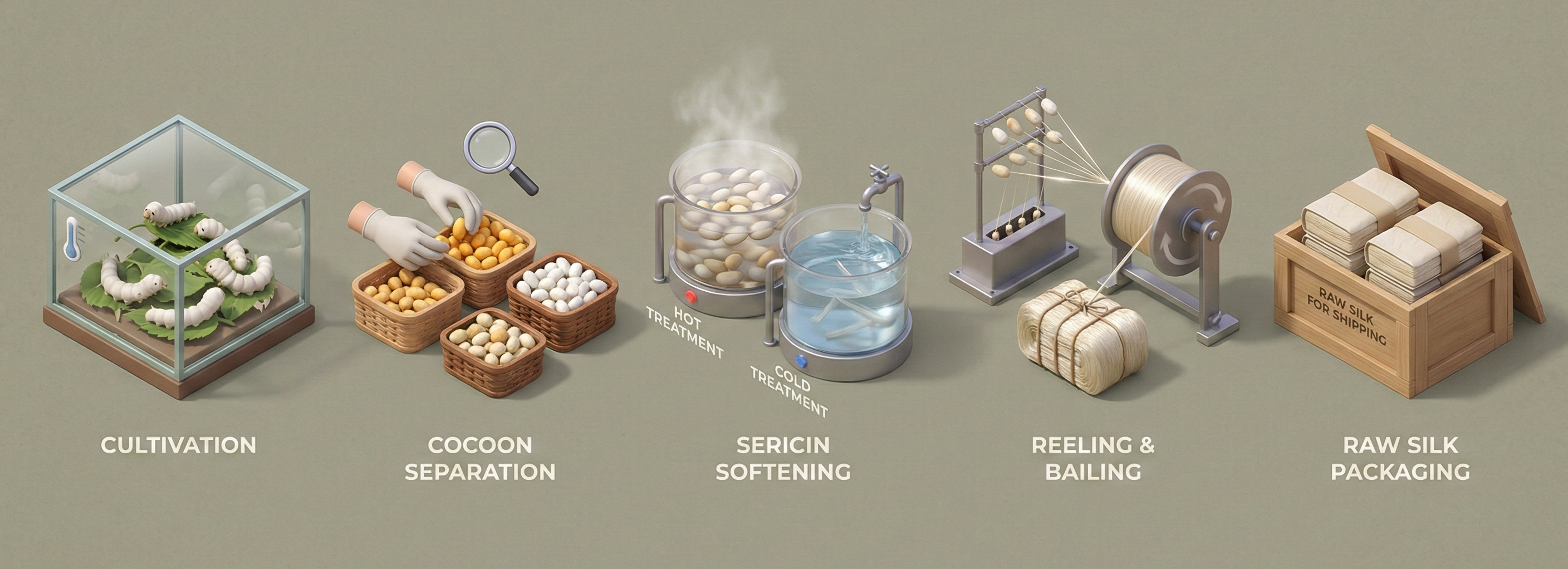
• First of all, the species of worm called as Bombyx Mori, are cultivated by the industrialists and then, the next step comes to the production of the Cocoon.
• Once it is done, every Cocoon is hand separated according to their color, size and shape. This process is very important since it really determines the quality of the silk fabric that is produced.
• The next step is rather technical one that is named as “Softening of the Sericin”. Sericin is substance that sticks the silk fibers intact that makes up the shape of the cocoon, it is gummy in nature. Every Cocoon is projected to the hot treatments in order to melt this gummy substance and then cold treatment to wash it off the fiber.
• Once the fiber is cleaned up, the next step comes of reeling and bailing of the Silk thread. The Silk thread is very thin and delicate, so as to get the desired diameter of one Silk thread for commercial use, it is necessary that 8-10 strands of the Silk strands be joined together. Once done, the time for bailing comes up. This means that the silk that is reeled up on the skeins and then packed in the forms of books and it is considered ready for the shipping. The material that is now shipped is called as Silk in the raw form.
What is Silken?
Along with the real silk in market, silken emerged in 1855; it was for those who couldn’t afford the natural silk. The need of artificial silk rose, due to the high demand for the pure fiber and also low supply of real silk. This all cumulated to raise the idea in the minds of scientists that they should try to produce the this fabric synthetically, so that everyone can benefit from it. For the first time, Georges Audemars who was a Swiss chemist, prepared the artificial Silk from the mulberry bark pulp and another ingredient that gave it a sticky effect. At that time the production of Silk with these two products was very slow but it was the first step towards the synthesis of silken.
Another attempt of formulating silken, was done by Hilaire de Charbonnet. He was a French chemist and the base he used for the silken production was cellulose. This product is used up until today. With the newest technology at hand now, the artificial silk industry is progressing by leaps and bounds every day and night. In fact in this niche, America is coming as one of the top of other countries in being very successful.
Differentiating Between The Natural And Faux Silk:
Artificial silk that is produced in the industries has really taken a form in such a way that it is quite difficult to differentiate it from the natural silk. In the strength, beauty and color, artificial silk has made its place just near the quality of natural silk. But of course one thing that is natural, can never be replaced by anything that is artificial. It is the case between the natural and Faux silk. Artificial silk can get better and better but it will never be able to beat the standards of the natural Silk.
As for now it is really very hard to differentiate between natural and artificial silk, but the truth is that to an eye of an expert even a 1% of flaw in artificial silk cannot hide ever. One thing that can cent percent differentiate between the natural and artificial silk cloth, is the light. The natural silk looks wonderful with the daylight, it gives the luster that feels soothing to the eyes, but if you have the artificial silk in the same light, it will give the pinching luster and will not adjust to it very elegantly as natural silk does.
Why Choose Natural Silk Over The Artificial Silk?
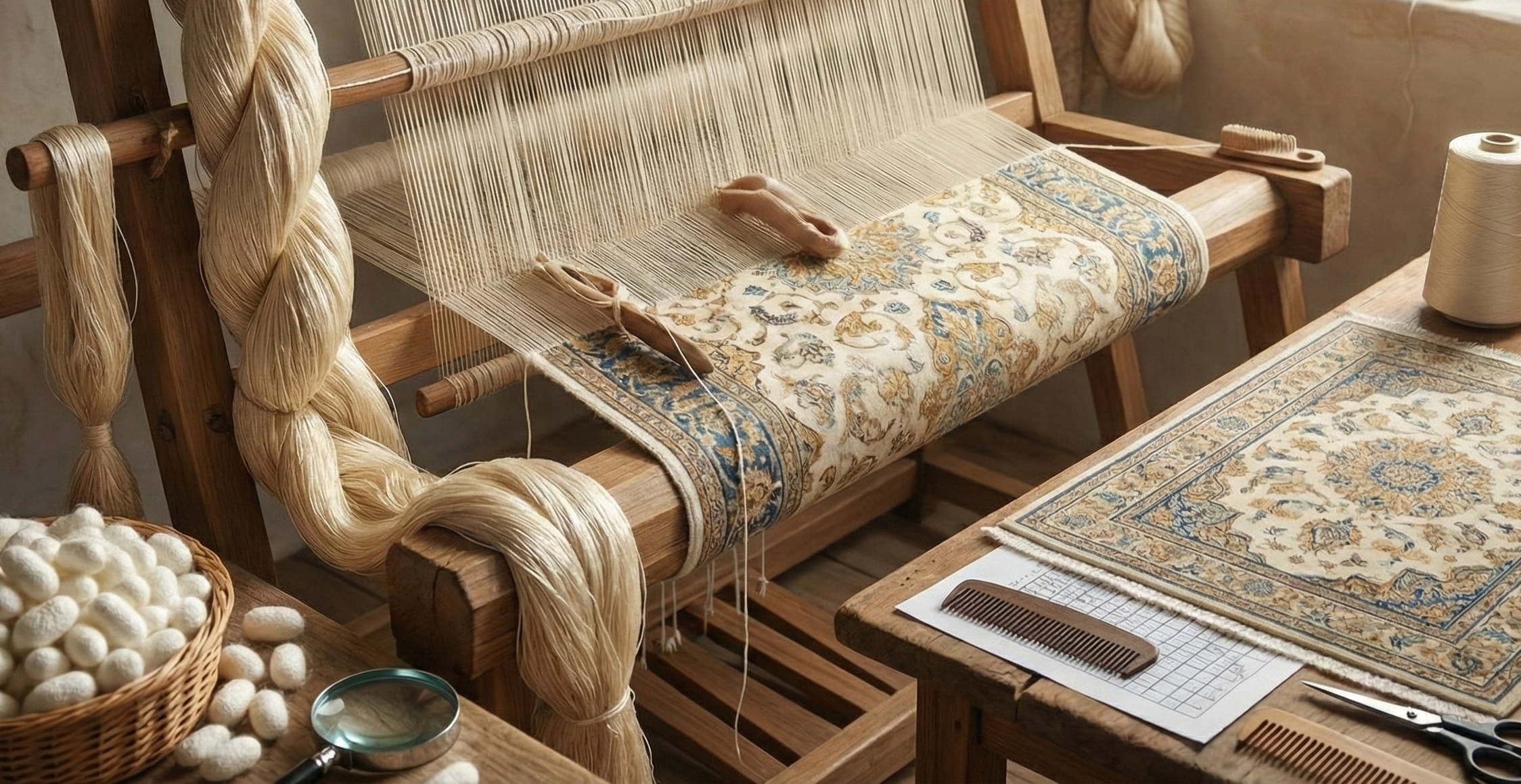
When it is a contest between the natural silk and the artificial silk, it is very sure that the natural silk will win for sure. Even though the natural silk is very expensive, the beauty that it has cannot be contained in any artificial silk. The faux silks that are altered with the technology, may give great softness due to high use of softeners but it can never be compared to the natural silk as it has the feel to it that is undeniably out of this world. There is no doubt about the natural silk that it is considered to be a Queen of textile, it sure has no other match to it.
Silk Woven Rugs- A Sneak Peak In History:
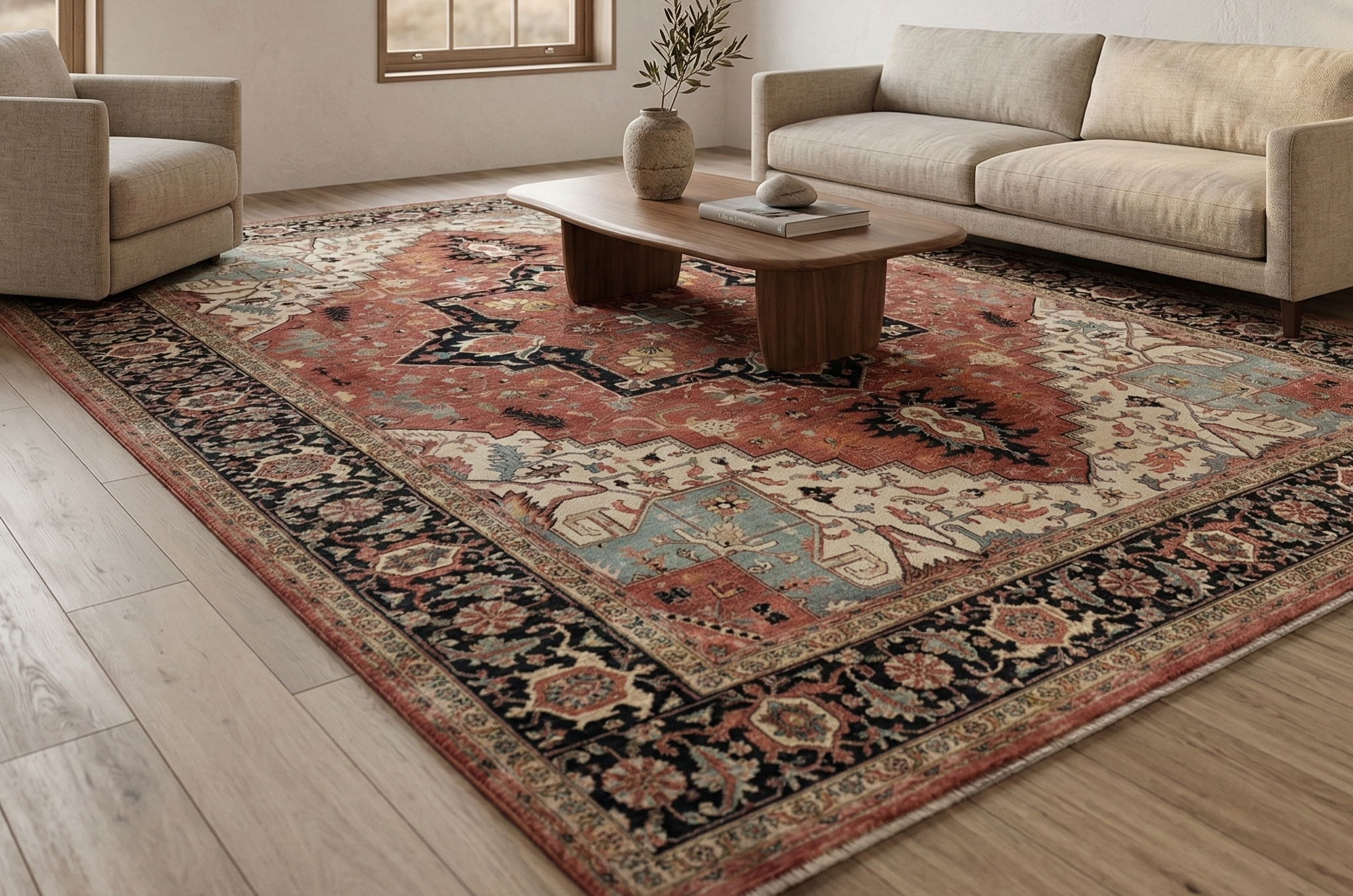
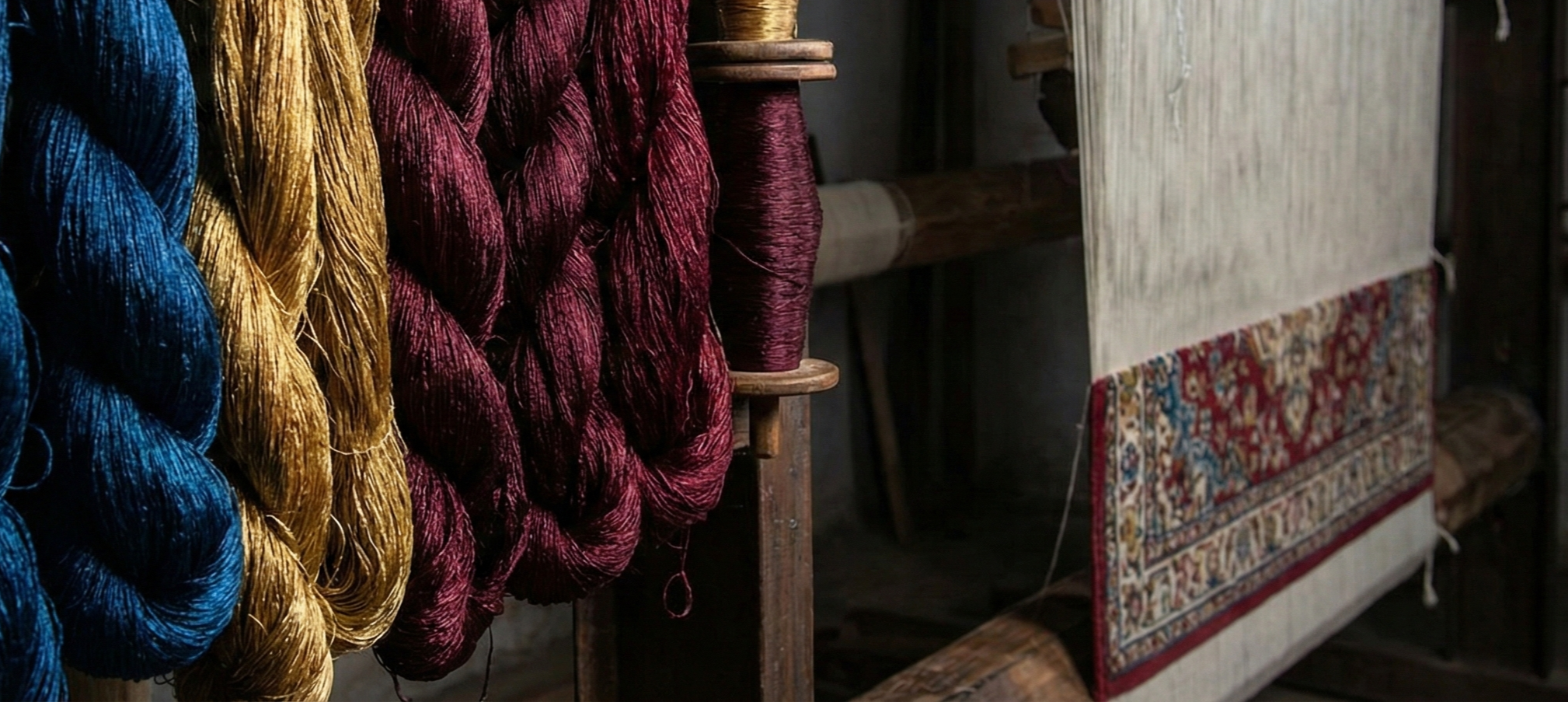
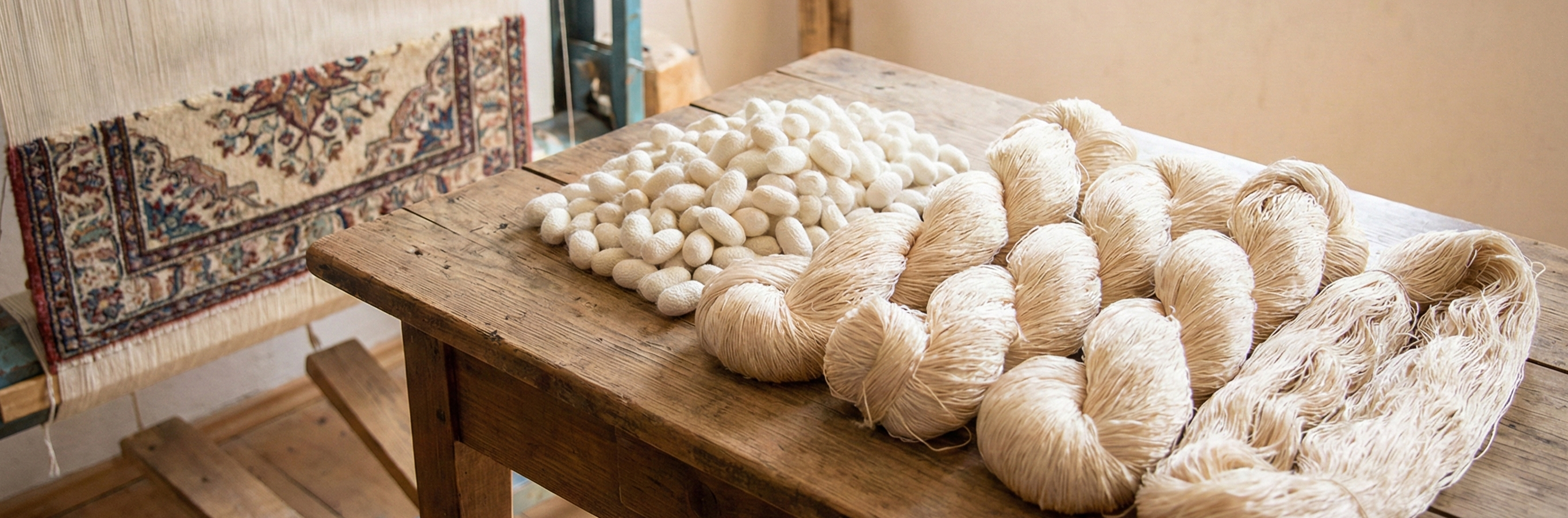
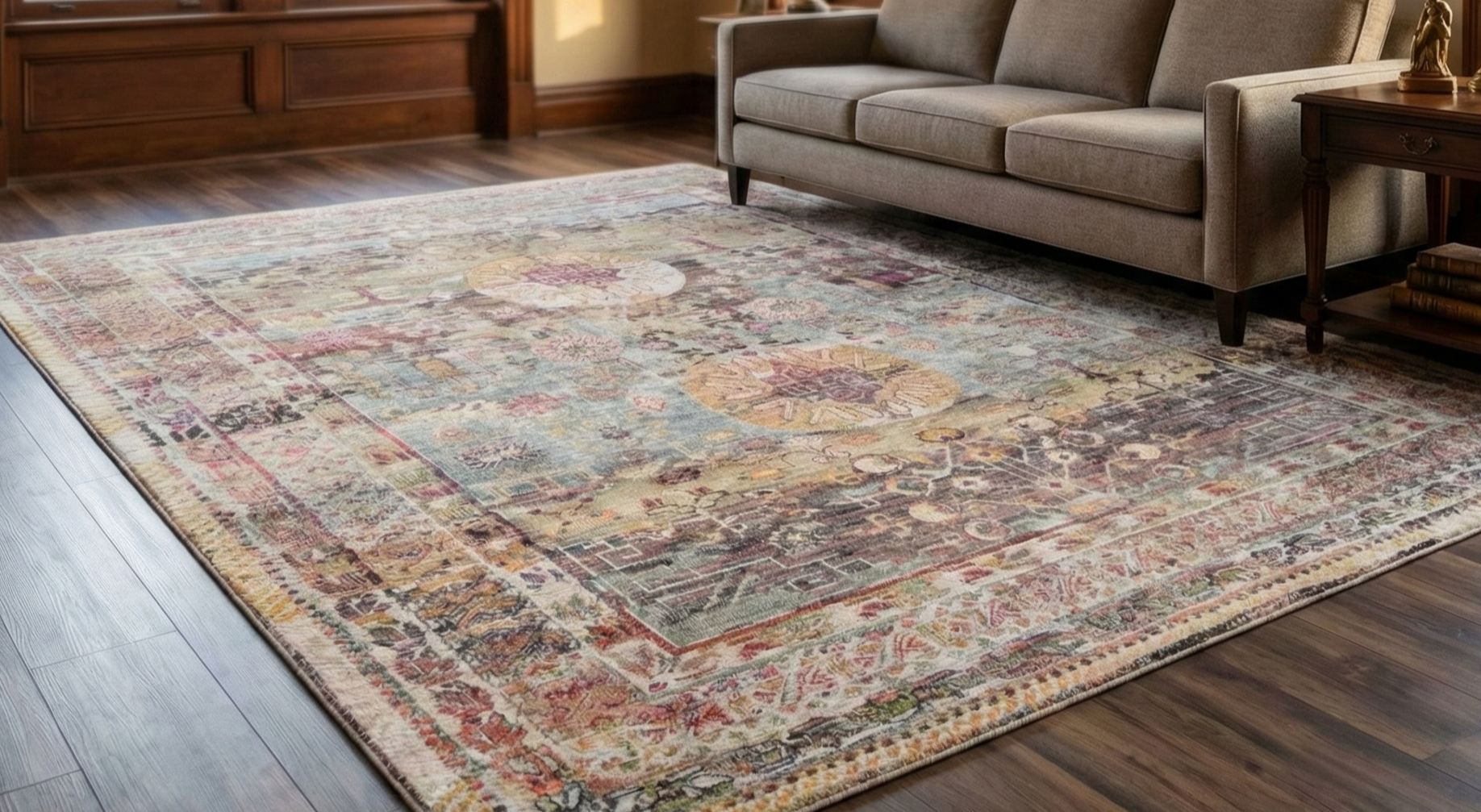
The Silk fabric is used to weave the carpets and rugs. Since the 16th century, these Silk rugs became part of the Persian crown and were considered to be the luxury carpets. These carpets were commercialized to the European market in the 18th century and since then, they have become very highly popular. They become the great export content of Persia over time and the most popular hub of silk carpet declared by the English merchant Cartwright was Kashan. Since then Kashan has raised as the most important area of the Persia where the silk carpets are woven and they are considered to be of great value than the other ones.
In Persia whenever the British merchants step their foot, the first thing that caught their eye was the Persian silk. It was of fine quality and especially the silk carpets woven were of premium quality. This made many of the investors and traders to come into Persia and trade raw silk and silk rugs in exchange of clocks, watches and other technology. As for now, modern Iran still has kept its roots and the silk rugs and carpets are the biggest non-oil trade pivot of it. This is contributing majorly in the economy of Iran continuously.
Identify The Natural Silk Rug And Buy Only That:
To identify that the silk rug you are buying is natural Silk there are two tests:
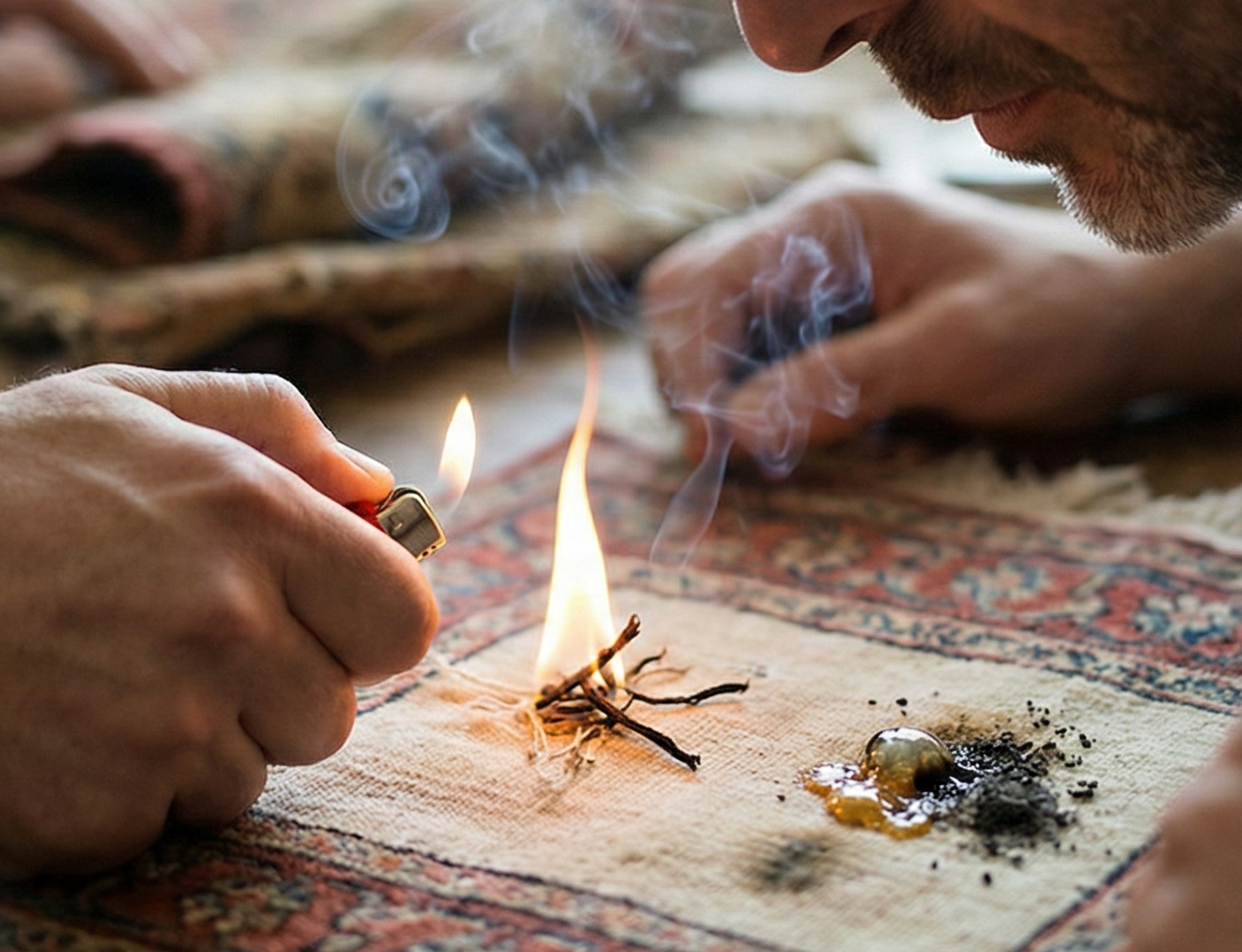
1. Burning test is the one that will need you to have very sharp smelling sense. Once you are on the shop of rugs, what you need to do is that; take a strand of the rug and burn it. Now there are two possibilities, one that it will give you a smell like burning paper and also the ash will be like crumbled up dusty stuff, this means that the silk is artificial one. Paper burning smell is due to the presence of cellulose used in manufacturing of faux silk.
The other possibility is the determination of true silk, when you burn the strand, the resultant will be the ball of ash and the smell will be like burning of hair. This means that you have true silk in your hands.
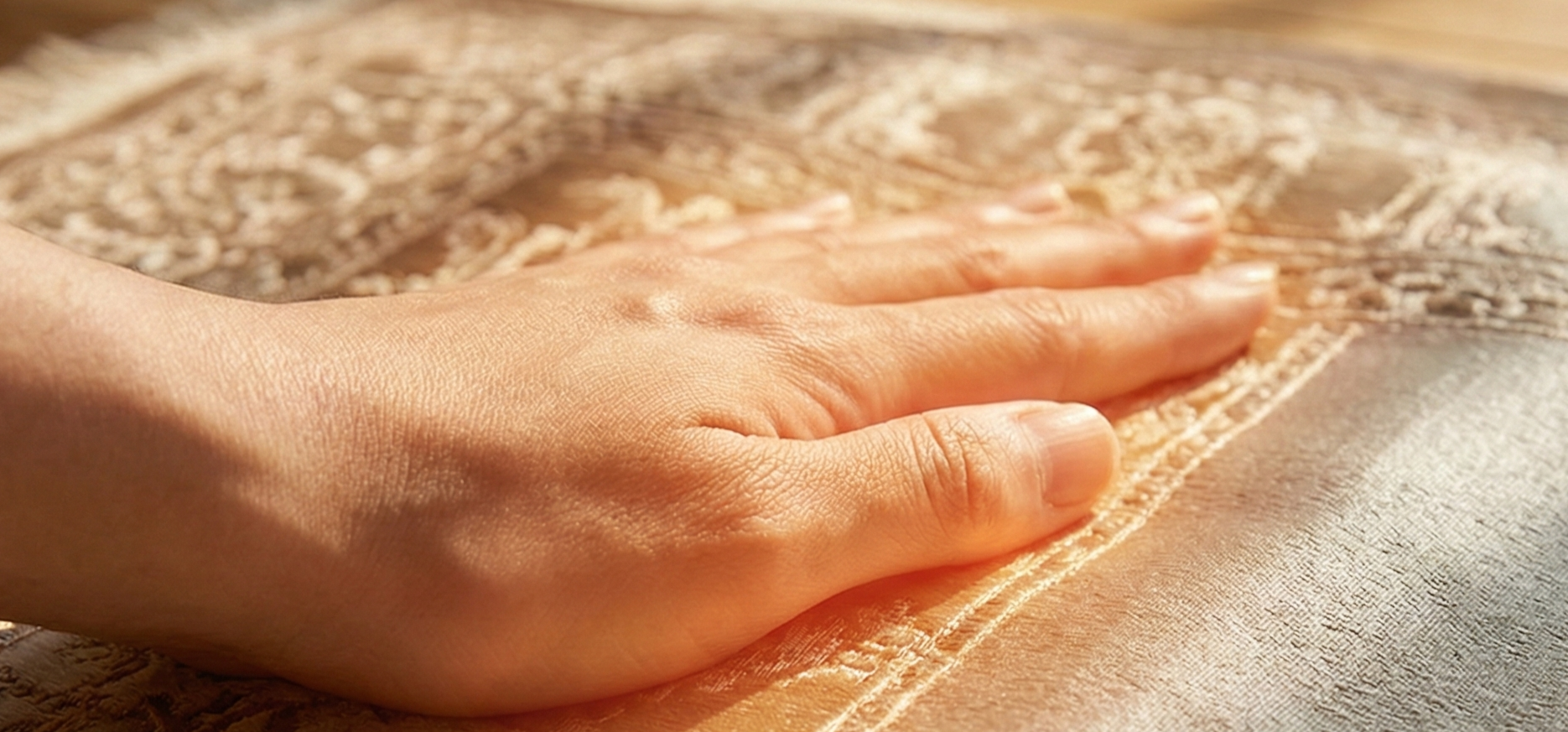
2. The second test is rubbing of the silk rug. All you have to do is rub the rug with your palm, if it feels warmer rapidly then it is true silk otherwise it would be the faux silk.
3. With all this valuable information about silk and silk rugs identification, it is impossible that you will bring back home the faux silk rug due to inexperience. All the tests will surely help you determine the right rug right away. To know more about silk rugs visit www.1800getarug.com and select silk rug of your choice for your rooms.