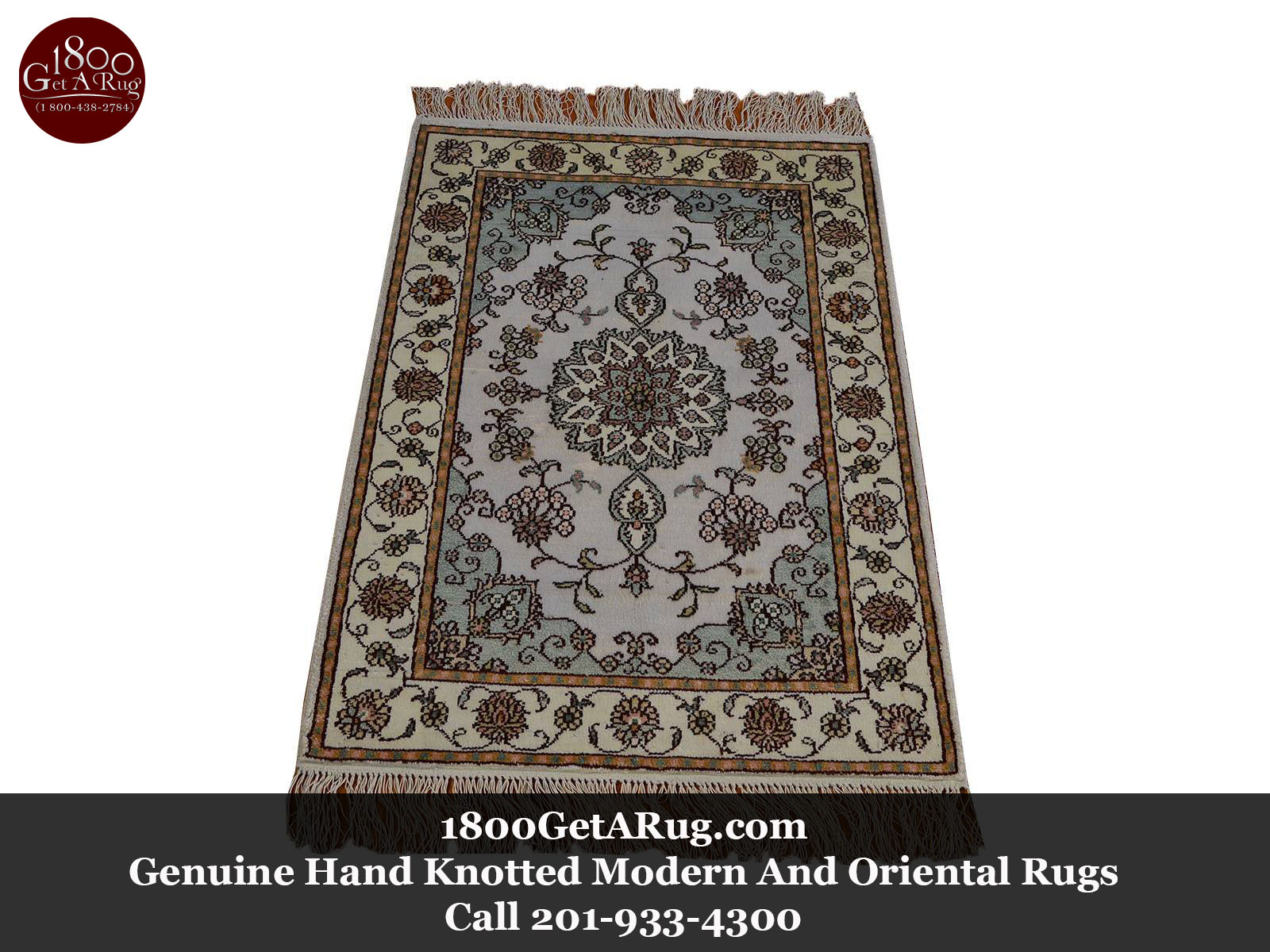
Persian Rugs are so much more than a comfy piece of furniture to rub your toes in. It is a vital part of the Persian culture and known more as an art piece than as a bit of furniture. Their history, which some interpret dates back to 500 B.C.E, can be divided into three periods of Persian rugs over the course of time.
The Zoroasterian Period
Found in a grace of a Scythian prince, the Pazyryk carpet was discovered during an archaeological excavation in the Pazyryk Valley of Siberia in 1949. This is the earliest known example of Persian rugs, although most archaeological discovereies from this era are usually no more than a few remaining worn out bits of fabric.
The Islamic Period
Starting in the 8th century C.E., the Azarbaijan Province in Iran became the most powerful carpet weaving area in the world. During the reigns of the Seljuq and Iilkhanate dynasties, carpet weaving expanded and flourished to such a poresitigious degree that a mosque in northwestern Iran even chose to have itself covered in Persian rugs.
The Modern Period
Today, modern Persian carpet production has been mostly mechanized, although hand woven carpets are still produced and available from all around the world. In fact, Iran exported over $500 million worth of hand woven carpets annually since 2002 (although many other countries produce replicas available for cheaper costs).