The Essence: Rug Knots


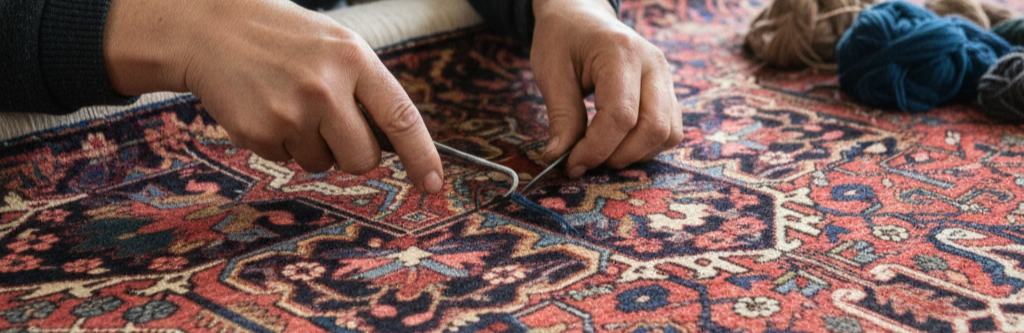
Before we think about technology and machinery, coloring and design, hand skill and passed-on knowledge, there is one single, elemental component to rug weaving: the knot. Rug knot is such a simple concept that one might overlook its central position in rug structure, look and durability.
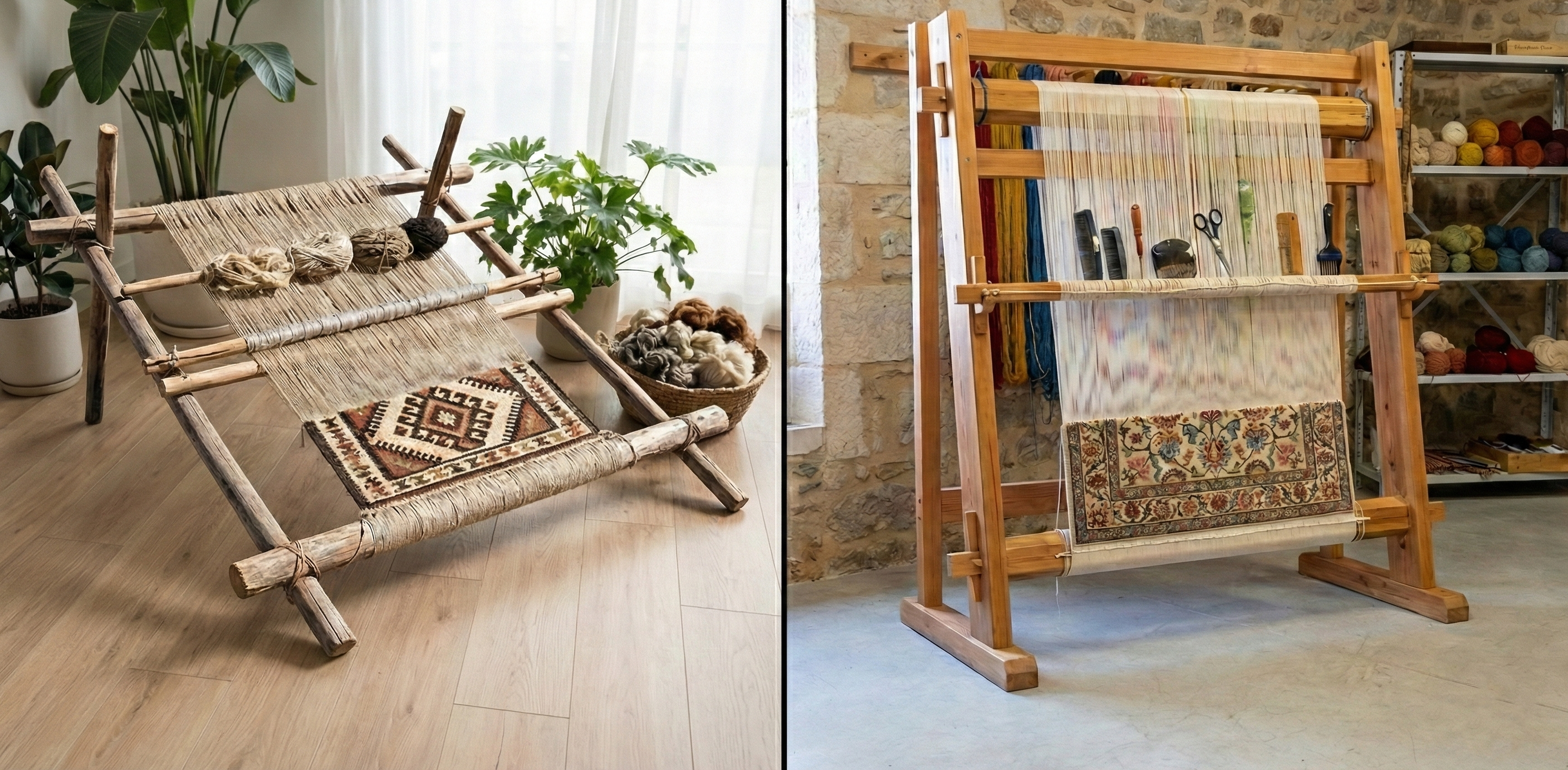
nomad or a village hand-woven rug
Nomadic Loom.  –  Village / workshop Loom.  ©1800getarug.com


There are two ways a rug knot is defined: density and type. When choosing a nomad or a village hand-woven rug, one might not consider the density of the knot a major factor. These traditional articles are made either within a season – and therefore fast – or with simple looms, and usually contain about 25-100 knots per square inch. Other factors are at play here: originality of the individual artist’s design (from memory), natural local dyes, manual labor, and plenty of love.
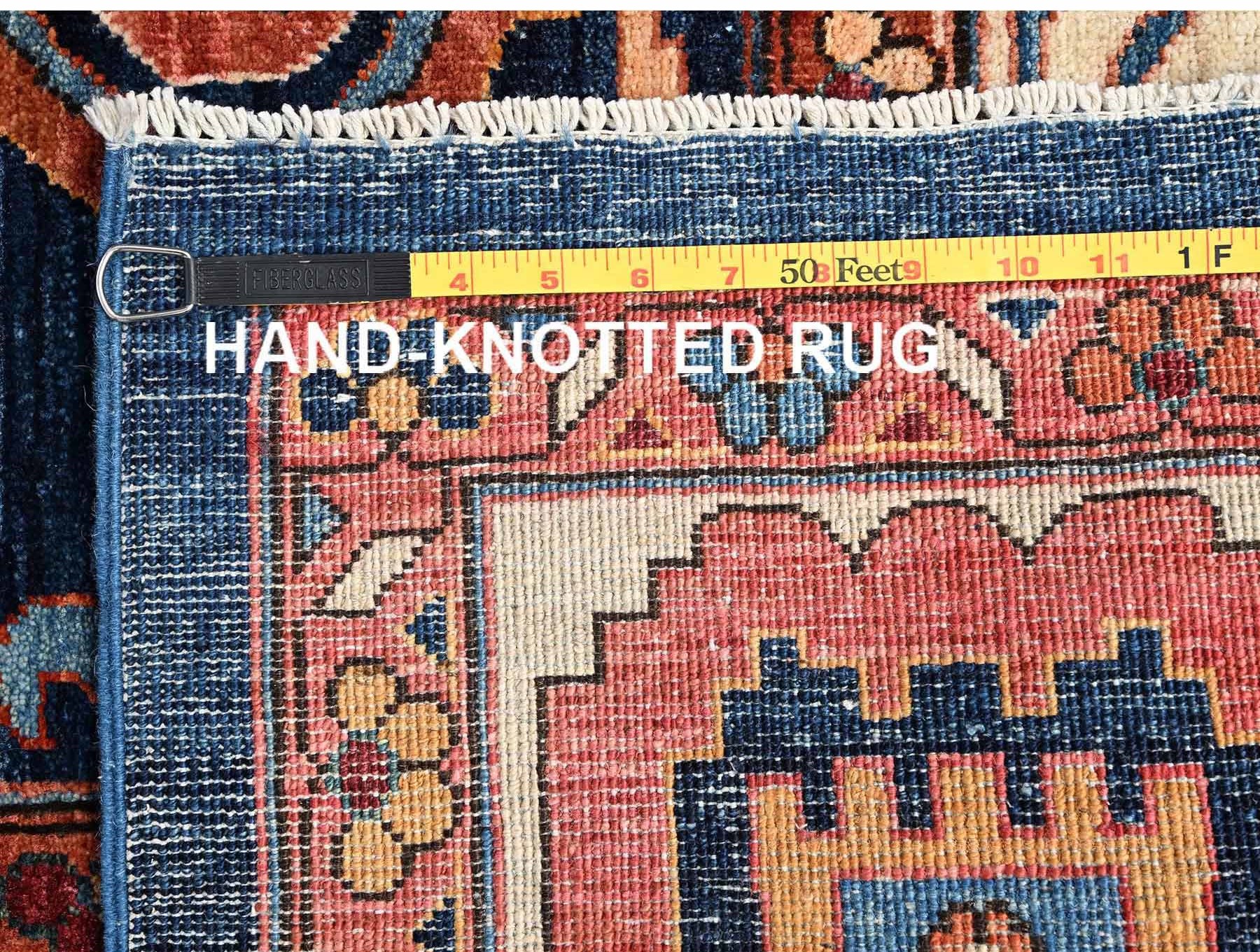
Sun Baked Orange, Serapi Heriz with Large Medallion Design, Vegetable Dyes, Hand Knotted, Aryana Grade, High Mountain Wool, Soft Pile, Densely Woven, Oriental Rug
Close-up of a Kazak rug. Notice the rather closely woven rug knots. ©1800getarug.com


The workshop hand-made rugs, however, are woven on a much more sophisticated machinery. Precision is therefore a major factor- on par with design and authenticity. The knot density ranges between 100-1000 knots per square inch. If you consider that each knot takes about 10 seconds to complete, it is astounding how long finishing a large enough rug may take, keeping in mind a rather high knot density.
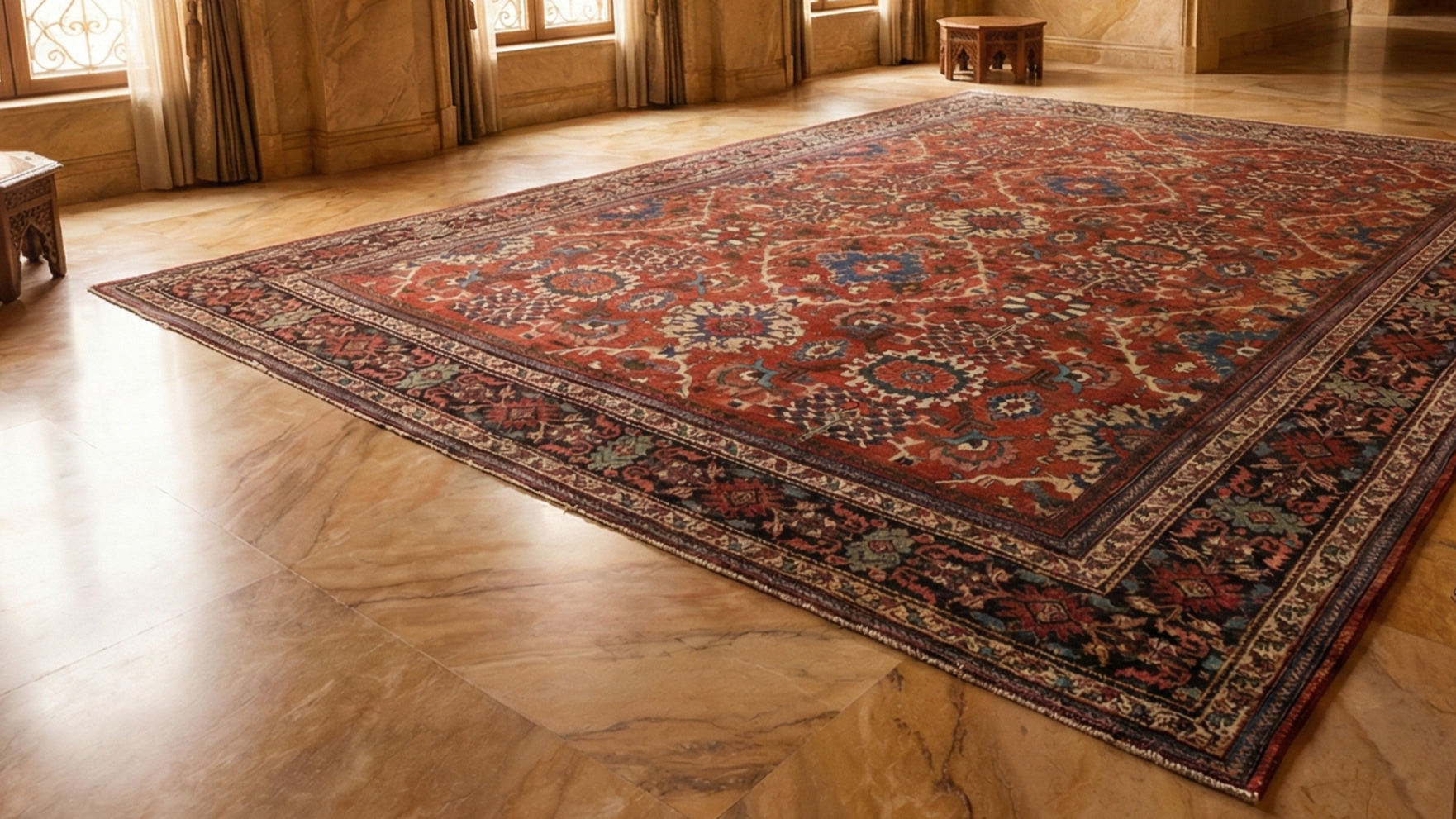
Terracotta Antique Persian Mahal Good Condition with Some Wear Clean Hand Knotted Oriental Rug
This Handcrafted Antique Persian , is an original Pure Wool oriental rug. ©1800getarug.com


The other way of thinking of a rug knot is its method, with two predominant ones being symmetrical and asymmetrical. Popular in most of Iran, India, Egypt, China, and parts of Turkey, the asymmetrical, or Persian Senneh, have their knot loops tied around two warps and come up on the same sides to make the rug tufts. The Turkish Ghiordes knot (the symmetrical one) goes around two warp threads on opposite sides and comes up in the middle. The most commonly used knots are slight variations on the Persian one. The Tibetan knot is perhaps the most interesting one, wrapping around warps in a complex fashion and reminiscent of Indic script.
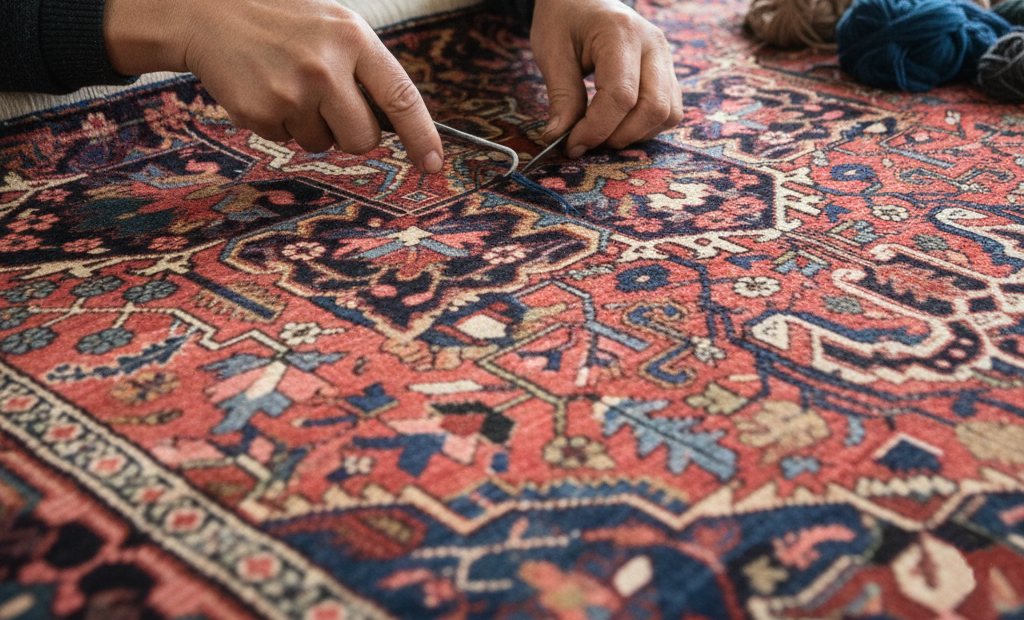
Fire Whirl Red, Antique Persian Heriz, Good Condition, Clean, Sides and Ends Professionally Secured, 100% Wool, Hand Knotted, Oriental Rug
An Illustration of a Persian Knot. ©1800getarug.com


The study of rug knots is not necessarily complex, but it certainly is full of grace and style, which is necessary for understanding the structure, design, and feel of these wonderful hand-woven rugs that we cherish throughout our lives.



Hand-Knotted Kazak Pure Wool Oriental Rug

Kazaks (Kazakhs), the majestic carpets from de Caucasus


Luxurious, spectacular, magnificent are good adjectives to describe the geometrically designed Kazak or Kazakh rug. Centuries of Armenian craftsmanship carried down to our days, the best natural dyes, unique patterns, the finest wool, are among the characteristics that guarantees carpets of the best quality. Large-scale designs, numerous medallions, and contrasting colors such as blue, red and ivory, gives this type of carpets a superb appearance.

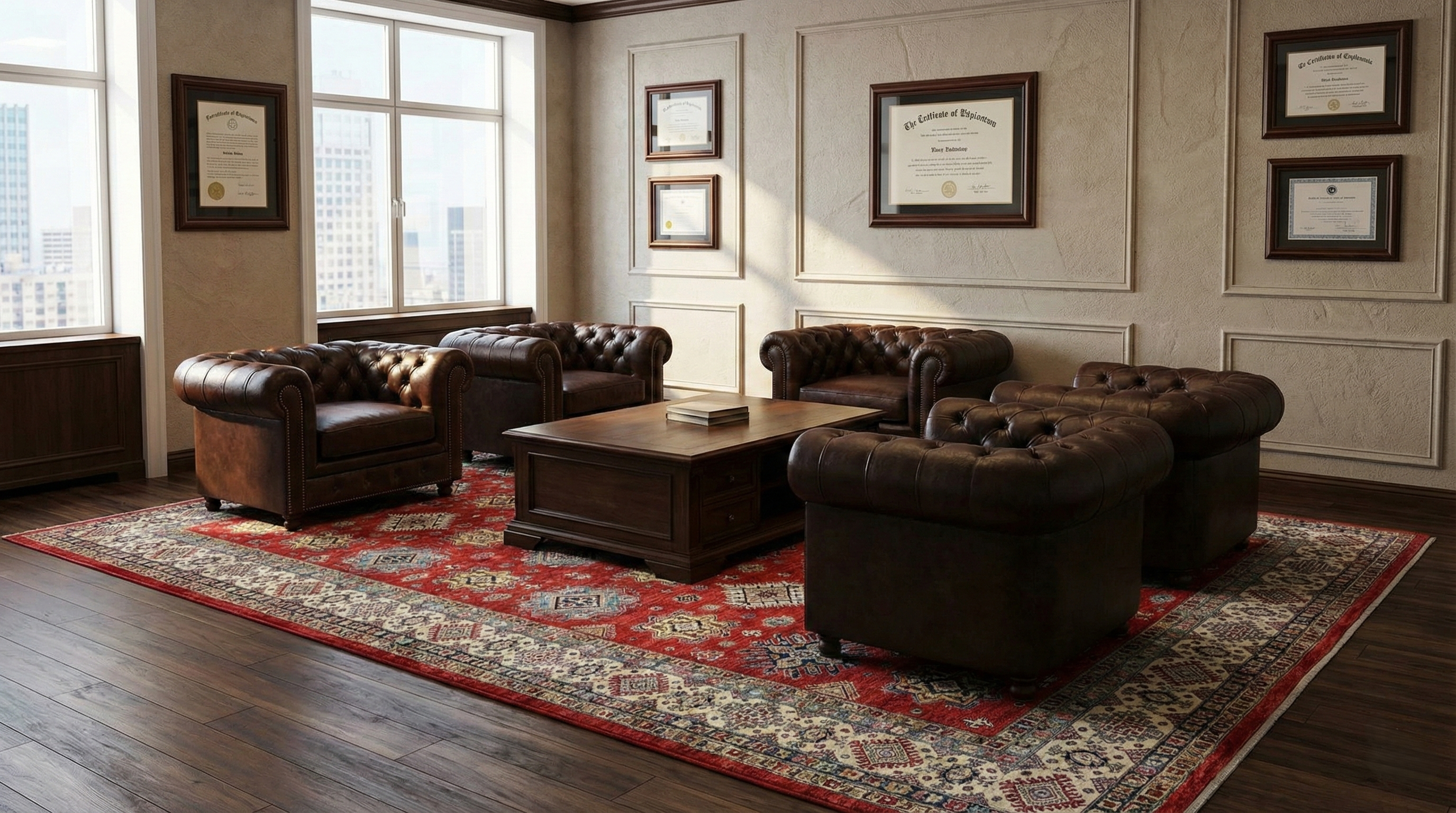
Rich Red, Densely Woven Extra Soft Wool, Hand Knotted Afghan Super Kazak with Tribal Medallions, Natural Dyes, Oversized Oriental Rug
This handcrafted Afghan Super Kazak, is an authentic Pure Wool oriental rug. © 1800getarug.com


Its origin dates back to the 18th and 19th centuries in the Kazak area of the Caucasus, probably the most famous area in weaving terms. Kazak rugs were hand-knotted by the women of the Tiflis and Erevan. Within the Kazakh rugs, other categories are considered depending on the geographical area were they were woven, for example carpets from the south of the Tiflis, Bordajalou Kazak rugs, coarsely woven with simple designs. Carpets from the North of the Erevans, with shorter pile and more formal designs. Other categories includes carpets made before 1925, known as: Karabach, Sjirvan, Kuba and Dagestan carpets. Each one with variation in the patterns and predominance of the traditional colors.

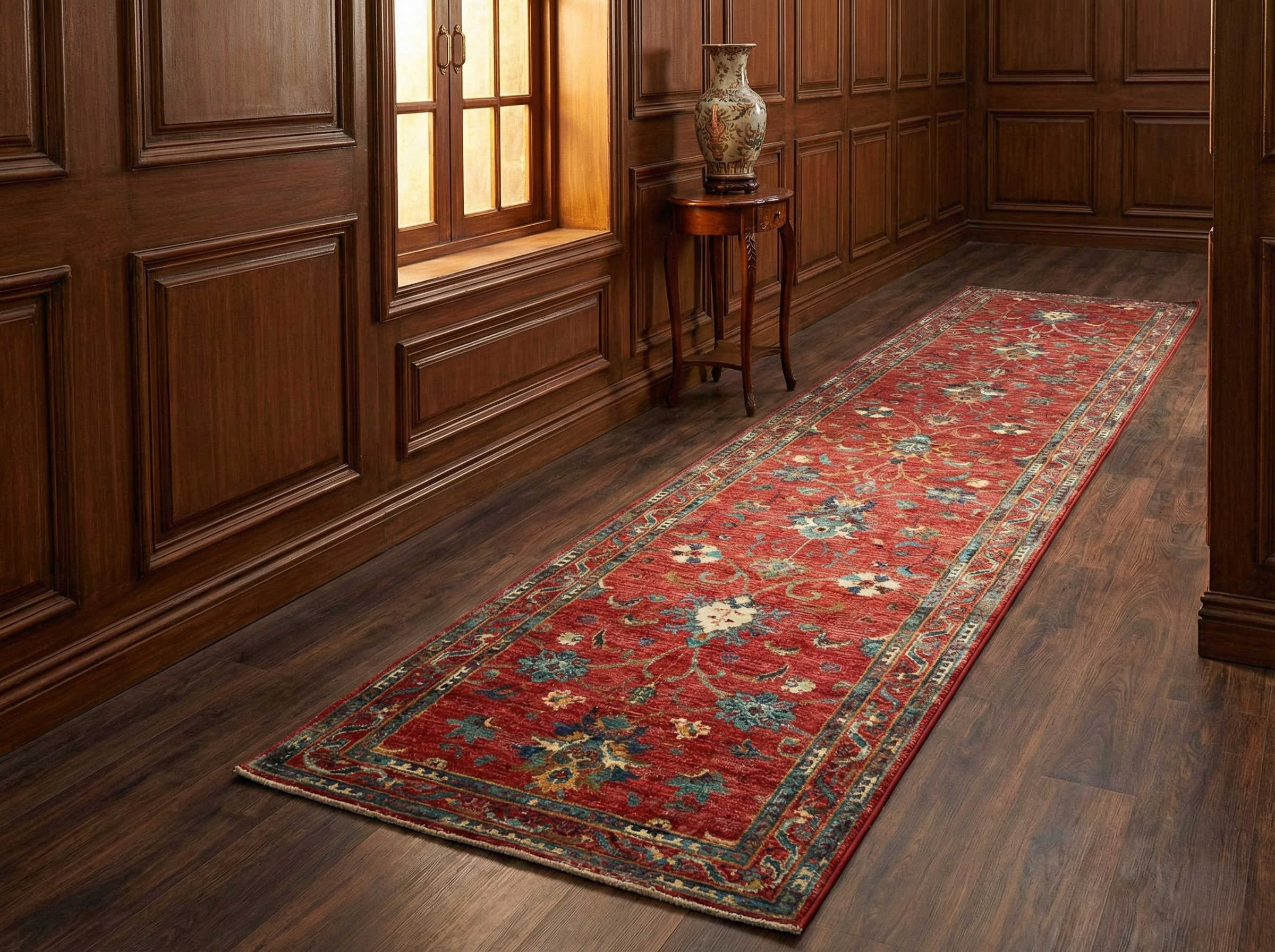
Crimson Red, Fine Afghan Sultani with All Over Design, Vegetable Dyes, Hand Knotted, 100% Wool, Runner, Oriental Rug
This handcrafted Sultani All Over Design is an authentic Pure Wool oriental rug. © 1800getarug.com


Considered a sign of status, Kazakh rugs and other Armenian carpets were an important possession in the wealthy houses, in palaces, and in churches. They could be used as tapestries, or to cover the king`s throne. They were also used for day to day activities like dining.  Kazakhs were frequently woven with threads of silver and gold, making them precious enough to be demanded as part of the tax owed to the nobility that ruled over the Armenians.

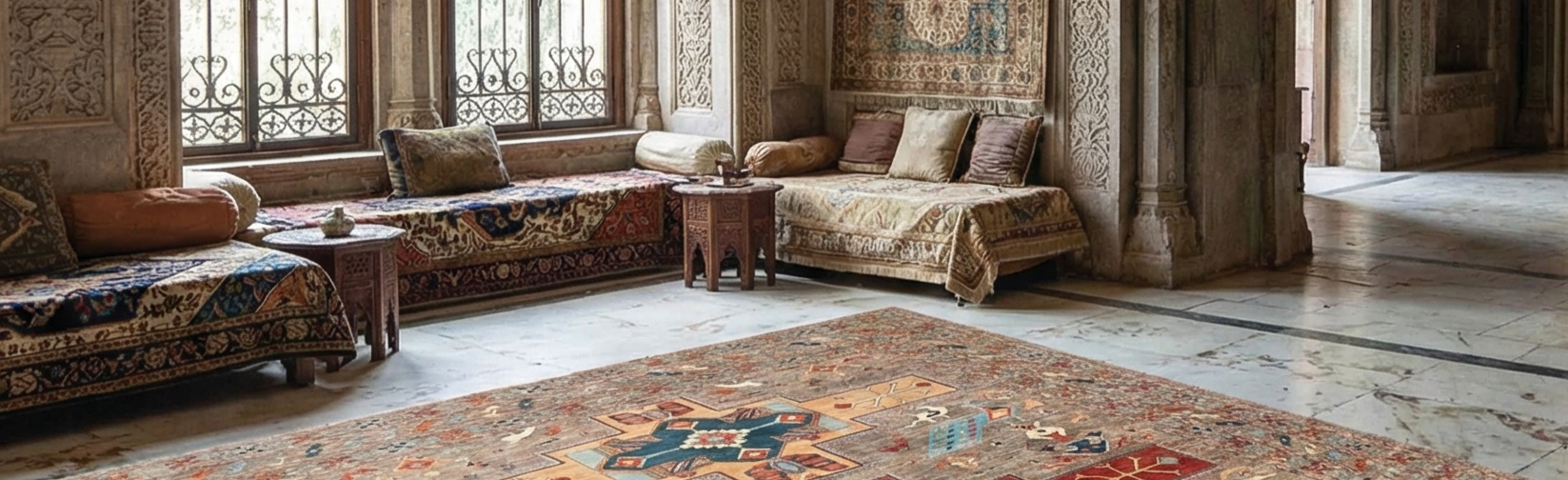
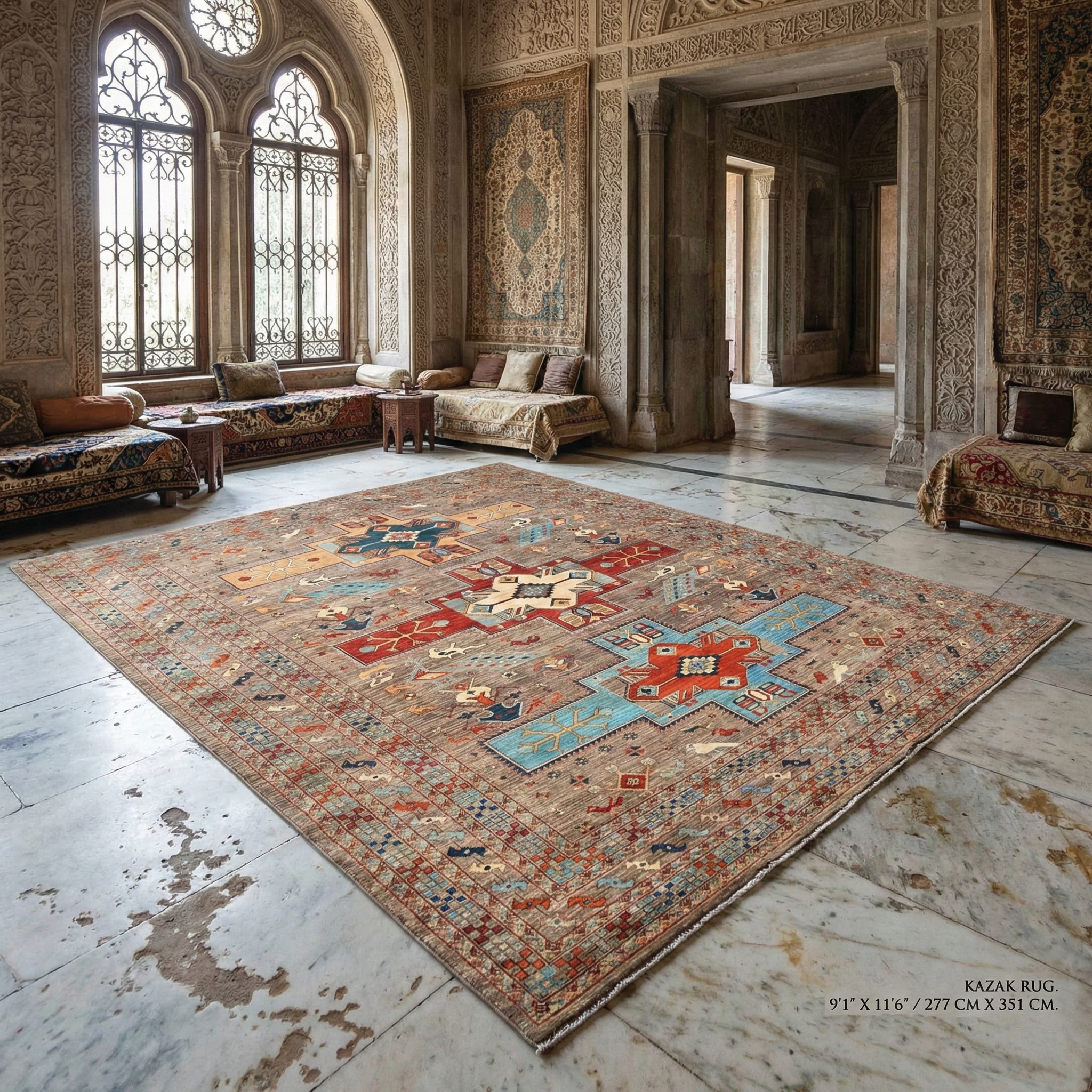
Taupe Gray, Armenian Inspired Caucasian Design, Small Bird Figurines, Velvety Wool, Densely Woven, 200 KPSI, Hand Knotted, Natural Dyes, Oriental Rug
Taupe Gray, Armenian Inspired Caucasian Design, Small Bird Figurines, Velvety Wool, Densely Woven, 200 KPSI, Hand Knotted, Natural Dyes, Oriental Rug © 1800getarug.com


Just like kings and princes prized the Kazakh carpets, Caucasian rugs connoisseur`s highly esteem their robust aesthetic and saturated natural color tones, large motifs and majestic proportions that explain the appeal of these iconic designs.